Struggling to keep your garden neat in those hard-to-reach corners? A hand cultivator can be your best friend when working in tight spaces.
But using it the right way makes all the difference between effortless gardening and wasted energy. You’ll discover simple tips that help you get the most out of your hand cultivator. Whether you’re dealing with cramped flower beds or narrow vegetable rows, these easy tricks will save you time and protect your plants.
Keep reading to make your gardening tasks smoother and more enjoyable!
Choosing The Right Hand Cultivator
Using a hand cultivator helps you work in tight garden spaces. Picking the right tool makes the job easier. It saves time and effort.
Different cultivators suit different tasks. Focus on the tool’s type, size, and design. These factors affect how well it fits small areas.
Types Of Hand Cultivators
Hand cultivators come in several types. Each type has its own use in gardening. Choose one that fits the space and soil.
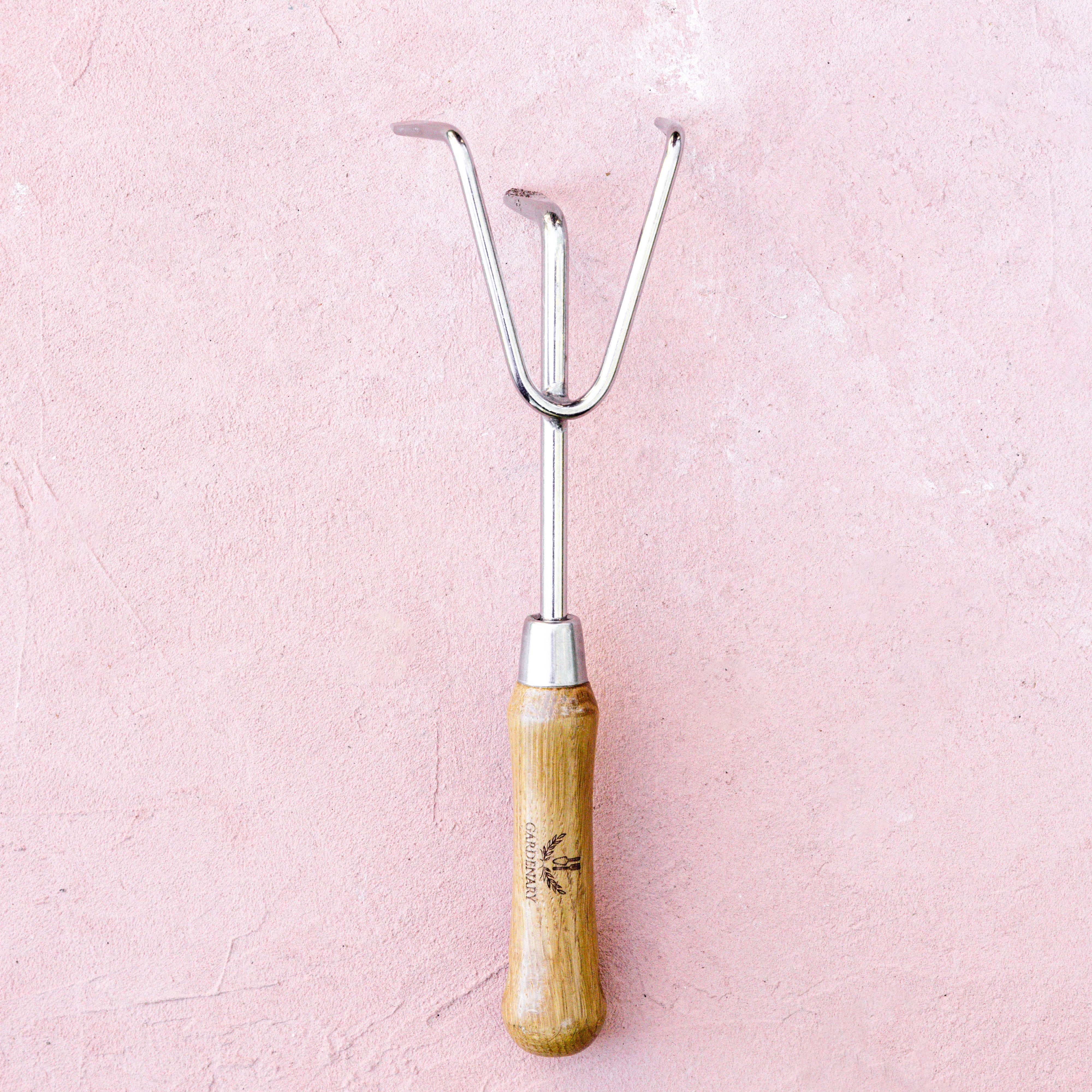
- Three-prong cultivators:Good for loosening soil and removing weeds.
- Two-prong cultivators:Best for narrow rows and tight spots.
- Fan cultivators:Work well for light soil and delicate plants.
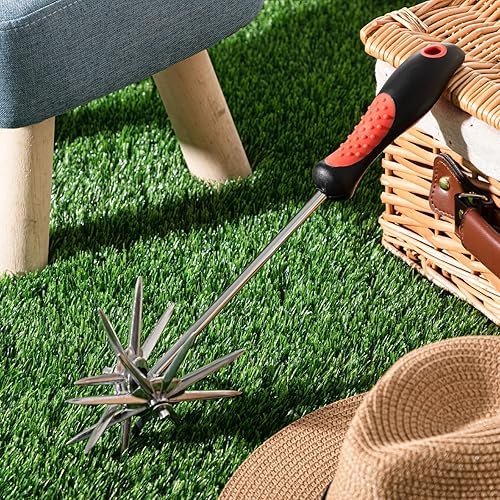
- Rotary cultivators:Have rotating tines for breaking up hard soil.
Size And Design Considerations
Size and design affect how easy the cultivator is to use. Small tools work better in cramped spaces. Handle design also matters for comfort.
| Feature | What to Look For | Reason |
|---|---|---|
| Tool Width | Narrow (4-6 inches) | Fits between tight rows |
| Handle Length | Short to medium (10-14 inches) | Easy to control in small areas |
| Handle Shape | Ergonomic or cushioned grip | Reduces hand fatigue |
| Weight | Lightweight (under 1.5 pounds) | Allows longer use without strain |
Credit: shop.gardenary.com
Preparing Tight Spaces For Cultivation
Working in tight garden spaces needs care and attention. Using the right tools helps prepare the soil well.
A hand cultivator is perfect for small areas. It helps clear debris and loosen the soil for better planting.
Clearing Debris And Weeds
Start by removing leaves, sticks, and old plants. Clear the area so the soil is visible and easy to work with.
- Pull out weeds by hand or use the hand cultivator’s tines.
- Gather debris in a bucket or bag for disposal.
- Check corners and edges carefully for hidden weeds.
- Clear the surface gently to avoid compacting the soil.
Loosening Compact Soil
Compact soil stops water and air from reaching roots. Use the hand cultivator to break up hard soil in small spaces.
| Technique | Why It Helps |
| Insert cultivator tines deep | Breaks hard soil layers |
| Move tool back and forth | Loosens clumps for better drainage |
| Work in rows or small sections | Keeps soil evenly soft |
| Do not overwork soil | Prevents damage to soil structure |
Techniques For Effective Cultivation
Using a hand cultivator in tight spaces takes care and skill. It helps loosen soil and remove weeds without harming plants.
Good techniques make the work easier and protect your garden. Focus on hand placement, controlled movements, and avoiding root damage.
Proper Hand Placement
Hold the hand cultivator with a firm but relaxed grip. Keep your wrist straight to avoid strain.
Place your hand close to the tool’s head for better control in small spaces. This helps you work carefully around plants.
- Use your dominant hand for better strength
- Keep fingers away from the tines
- Adjust grip if you feel discomfort
Controlled Movements
Move the cultivator slowly and with small strokes. This keeps the soil loose without making a mess.
Use short back-and-forth motions to break soil clumps. Avoid quick, heavy hits that can damage nearby roots.
- Work in small sections
- Use gentle pressure
- Stop to check your progress often
Avoiding Root Damage
Be careful near plants to protect their roots. Roots are fragile and can easily break if you dig too deep.
Lift the soil gently instead of digging straight down. Look for roots and work around them to keep plants healthy.
- Check soil depth before cultivating
- Focus on soil surface to remove weeds
- Stop if you see large roots
Credit: www.homedepot.com
Maintaining Your Hand Cultivator
Keeping your hand cultivator in good shape helps it work better and last longer. Simple care after each use stops rust and damage.
Learn easy ways to clean, sharpen, and fix your tool. These tips save time and keep your cultivator ready for tight spaces.
Cleaning After Use
Clean your hand cultivator right after gardening. Remove soil and plant bits to stop rust and keep it sharp.
- Use a stiff brush to remove dirt from the tines and handle.
- Wash with water and mild soap if needed, then dry completely.
- Apply a thin layer of oil on metal parts to prevent rust.
- Store the tool in a dry place away from moisture.
Sharpening And Repairs
Keep the tines sharp for easy digging in tight spots. Check for loose parts and fix them quickly.
| Task | How to Do It | Tools Needed |
|---|---|---|
| Sharpening | Use a metal file to sharpen each tine’s edge carefully. | Metal file, safety gloves |
| Tightening | Check screws and bolts, tighten with a wrench or screwdriver. | Wrench, screwdriver |
| Repairing | Replace damaged parts or weld broken metal if needed. | Replacement parts, welding tools |
Safety Tips For Small Space Gardening
Using a hand cultivator in tight spaces can be tricky. Safety is important to avoid injuries and work comfortably.
Follow simple safety tips to protect yourself and make gardening easier in small areas.
Protective Gear
Wear the right gear to keep your hands and body safe. Gloves protect your skin from cuts and dirt.
Use sturdy shoes to avoid slipping or stepping on sharp objects. Eye protection stops dust and debris from hurting your eyes.
- Wear thick gardening gloves
- Use closed-toe shoes or boots
- Wear safety glasses or goggles
- Consider a hat to protect from sun
Ergonomic Practices
Use the right posture to avoid pain and strain. Bend your knees slightly and keep your back straight.
Take breaks often to rest your hands and arms. Use a hand cultivator with a comfortable handle for better grip.
- Keep your back straight while working
- Bend knees instead of your waist
- Hold the cultivator handle firmly but not too tight
- Take short breaks every 20 minutes

Credit: www.amazon.ca
Maximizing Efficiency In Tight Areas
Using a hand cultivator in tight spaces can be tricky. You need to move carefully to avoid damaging plants. Small areas require precise and steady work.
Planning and using the right tools help you work faster and better. This guide shows how companion tools and scheduling can improve your cultivation in tight spots.
Using Companion Tools
Companion tools make cultivating small spaces easier. They help reach tight spots and reduce strain on your hands and back.
- Use a small hand trowel to loosen soil before cultivating.
- Try a narrow weeder to remove weeds near plants.
- Use gardening gloves with good grip for better control.
- Carry a small bucket to collect debris and weeds as you work.
Scheduling Cultivation Tasks
Planning your cultivation times helps keep soil healthy. Regular work prevents weeds from taking over small spaces.
| Time of Day | Task | Reason |
| Morning | Loosen soil and remove weeds | Soil is cooler and easier to work |
| Afternoon | Check for pests and water plants | Plants absorb water well before evening |
| Evening | Clean tools and prepare for next day | Prevents rust and keeps tools ready |
Frequently Asked Questions
How Do You Use A Hand Cultivator In Small Spaces?
To use a hand cultivator in small spaces, start by loosening the soil. Gently work the tines into the soil using a back-and-forth motion. This will aerate the soil and remove weeds. Be careful around plant roots to avoid damage.
Regular use helps maintain healthy soil in tight areas.
What Are The Benefits Of A Hand Cultivator?
A hand cultivator is perfect for small, tight spaces. It helps aerate the soil, remove weeds, and mix in nutrients. This tool is lightweight, easy to handle, and precise. It’s ideal for maintaining small gardens, flower beds, and container plants without disturbing surrounding areas.
Can Hand Cultivators Damage Plant Roots?
Hand cultivators can damage plant roots if used carelessly. To avoid this, work slowly and carefully around plants. Keep the tines shallow and avoid aggressive digging near root zones. With proper technique, hand cultivators can effectively loosen soil and remove weeds without harming plant roots.
How Often Should You Use A Hand Cultivator?
Use a hand cultivator regularly to maintain healthy soil and plant growth. Ideally, cultivate every few weeks or when you notice soil compaction. Regular use prevents weed growth and enhances soil aeration. Adjust frequency based on your garden’s needs and weather conditions for optimal results.
Conclusion
Using a hand cultivator in tight spaces helps keep your garden neat. Small tools work well where big ones cannot fit. Take your time and move carefully around plants. This keeps roots safe and soil loose. Regular use makes your garden healthier and easier to manage.
Try these tips to enjoy better results with less effort. Gardening in small spaces can be simple and fun. Keep practicing, and you will see great improvements soon.