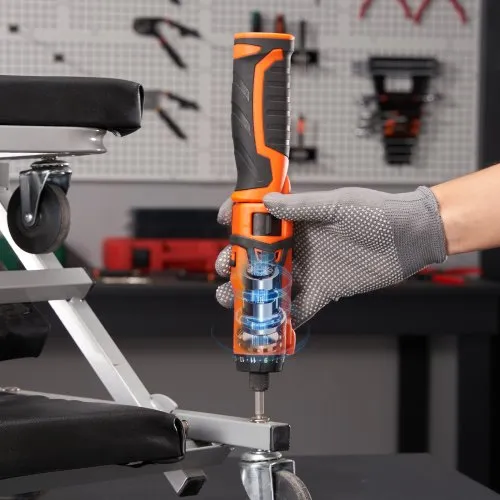
If you own a cordless screwdriver, you know how handy it is for quick fixes and projects around the house. But have you ever stopped to think about how to keep it working smoothly for years?
Taking a few simple steps can save you time, money, and frustration down the road. You’ll discover easy tips to maintain your cordless screwdriver so it stays powerful and reliable whenever you need it. Keep reading, and you’ll learn how a little care can make a big difference in your tool’s performance.
Credit: www.vevor.com
Choosing The Right Battery
Selecting the correct battery for your cordless screwdriver is important. The battery affects how long the tool runs and how well it performs.
Understanding different battery types and how to care for them helps keep your screwdriver ready to use.
Types Of Batteries
Cordless screwdrivers mainly use three types of batteries: Nickel-Cadmium (NiCd), Nickel-Metal Hydride (NiMH), and Lithium-Ion (Li-ion). Each type has benefits and drawbacks.
- Nickel-Cadmium (NiCd):Durable and low cost, but heavier and can lose capacity if not fully discharged.
- Nickel-Metal Hydride (NiMH):Holds more charge than NiCd, lighter, but can overheat if charged too fast.
- Lithium-Ion (Li-ion):Lightest and highest capacity. They hold charge well and charge quickly.
Battery Lifespan Tips
| Tip | Explanation |
| Charge Fully | Always charge the battery until full before use to get maximum runtime. |
| Avoid Overcharging | Disconnect the charger once full to prevent battery damage. |
| Store Properly | Keep batteries in a cool, dry place to extend their life. |
| Use Regularly | Use the battery often to keep it active and healthy. |
| Clean Contacts | Wipe battery contacts to maintain good connection with the tool. |
Credit: www.vevor.com
Regular Cleaning Techniques
Keeping your cordless screwdriver clean helps it work well for a long time. Dirt and dust can cause parts to wear out faster.
Regular cleaning stops problems before they start. It also keeps your tool safe to use.
Cleaning The Exterior
Use a dry cloth to wipe the outside of the screwdriver. This removes dust and dirt from the surface.
If the tool is very dirty, slightly dampen the cloth with water. Avoid getting water into any openings.
- Do not use harsh chemicals or solvents
- Clean vents gently with a soft brush
- Dry the tool completely before storage
Maintaining The Chuck And Bit Holder
Remove bits from the chuck before cleaning. Wipe the chuck with a dry cloth to clear dust and debris.
Apply a small drop of light machine oil to the chuck if it feels stiff. Move the chuck to spread the oil evenly.
- Check for rust or damage regularly
- Keep the bit holder clean and dry
- Replace worn bits to avoid damage
Proper Storage Practices
Keeping your cordless screwdriver in good shape starts with proper storage. Safe storage helps the tool last longer and work better.
This guide covers two important storage tips. Avoid moisture and dust, and keep the tool at the right temperature.
Avoiding Moisture And Dust
Moisture and dust can harm your cordless screwdriver’s parts. They can cause rust and block moving parts.
- Store the tool in a dry place away from water.
- Use a plastic case or toolbox to keep dust out.
- Wipe the tool clean before storing it.
- Avoid storing the screwdriver on the ground.
Optimal Temperature Conditions
Extreme temperatures can damage your cordless screwdriver’s battery and motor. Keep it where the temperature stays steady.
| Temperature Range | Effect on Tool |
| Below 32°F (0°C) | Battery may lose charge quickly |
| 32°F to 104°F (0°C to 40°C) | Safe for storage and use |
| Above 104°F (40°C) | Battery and parts may overheat |
Routine Inspection And Maintenance
Routine inspection and maintenance keep cordless screwdrivers working well. Regular checks help find problems early.
Taking care of your tool saves money and extends its life. Follow simple steps to keep it in good shape.
Checking For Wear And Tear
Look over your screwdriver often to spot damage. Check the body, battery, and bits for any signs of wear.
- Inspect the screwdriver casing for cracks or dents
- Test the battery for proper charge and swelling
- Look at the screwdriver bits for dullness or damage
- Ensure the trigger and switches work smoothly
- Check for any loose parts or screws
Lubricating Moving Parts
Lubrication keeps moving parts smooth and stops rust. Use the right lubricant for your tool’s parts.
| Part | Lubricant Type | Frequency |
| Chuck | Light machine oil | Monthly |
| Gearbox | Grease | Every 3 months |
| Trigger mechanism | Silicone spray | Every 2 months |
Safe Charging Habits
Maintaining your cordless screwdriver means charging it safely. Charging the battery correctly helps it last longer.
Safe charging habits prevent damage and keep you safe while using your tool.
Using Compatible Chargers
Always use the charger made for your cordless screwdriver. Different chargers may supply wrong power levels.
Using the right charger protects the battery and avoids overheating or damage.
- Check the charger matches the battery voltage
- Do not use chargers from other brands or models
- Use original chargers or those approved by the manufacturer
Charging Duration Guidelines
Do not overcharge your cordless screwdriver. Remove it from the charger when full.
Follow the recommended charging time in the user manual for best results.
- Charge the battery only for the time suggested by the manufacturer
- Avoid charging overnight or leaving the tool on the charger for days
- If not using the tool for long, store the battery partially charged
Credit: www.vevor.com
Troubleshooting Common Issues
Cordless screwdrivers can face problems over time. Knowing how to fix common issues saves money.
This guide covers two frequent problems: battery not holding charge and motor problems.
Battery Not Holding Charge
If your screwdriver battery drains quickly, it may need care or replacement. Batteries lose power after many uses.
Keep batteries healthy by charging fully before use. Avoid leaving batteries empty for long times.
- Charge the battery fully before first use
- Store batteries in a cool, dry place
- Remove battery if not using the tool for months
- Replace batteries that do not hold charge after full charging
Motor Problems
The motor may stop working or run slowly. Dust and debris inside can cause motor issues.
Check the motor area for dirt. Clean carefully with a dry cloth or compressed air. Avoid water or oils.
- Inspect for unusual sounds or smells during use
- Remove dust and dirt from vents and motor housing
- Do not force the screwdriver if the motor feels stuck
- Seek professional repair if motor does not start after cleaning
Frequently Asked Questions
How Often Should I Clean My Cordless Screwdriver?
Regular cleaning ensures optimal performance. Clean your cordless screwdriver every few months or after heavy use. Dust and debris can affect its efficiency. Use a soft brush to remove particles and wipe with a damp cloth. Avoid moisture contact with electrical parts to prevent damage.
What Is The Best Way To Store Cordless Screwdrivers?
Store your cordless screwdriver in a cool, dry place to prevent rust. Use the carrying case if provided. Ensure the battery is charged to about 40-60% if stored for extended periods. Keep it away from direct sunlight and extreme temperatures to maintain its longevity.
How Do I Maintain The Battery Of A Cordless Screwdriver?
To maintain battery health, charge it after each use but avoid overcharging. Use the recommended charger for optimal results. Store the battery separately if not in use for long periods. Avoid exposing the battery to extreme temperatures to prevent damage and ensure a longer lifespan.
Can I Use Cordless Screwdrivers For Heavy-duty Tasks?
Cordless screwdrivers are suitable for light to medium tasks. For heavy-duty tasks, consider using a more powerful drill or impact driver. Overloading a cordless screwdriver can lead to reduced performance and potential damage. Always refer to the manufacturer’s guidelines for recommended usage limits.
Conclusion
Regular care keeps your cordless screwdriver working well. Clean it after each use and store it in a dry place. Charge the battery fully before storing for long periods. Check the bits often and replace worn ones quickly. Small steps prevent big problems later.
Your tool will last longer and work better. Simple habits save time and money. Keep your screwdriver ready for any job. Maintenance is easy and worth the effort. Stay safe and enjoy your work.