Are you tired of struggling with unruly branches and stubborn stems in your garden? Imagine transforming your gardening experience with just one tool.
Yes, it’s possible! Garden scissors are not just any ordinary tool; they are your secret weapon to achieving a perfectly manicured garden. With the right pair in your hands, you can effortlessly trim, shape, and maintain your plants, giving you the garden of your dreams.
But how do you choose the right ones, and what is the best way to use them? Don’t worry. This guide will unveil all the tips and tricks you need to master the art of using garden scissors. Get ready to discover how a simple tool can revolutionize your gardening routine. Keep reading, and let’s snip away the chaos together!
Choosing The Right Garden Scissors
Garden scissors help you trim plants and shape your garden. Picking the right pair makes your work easier and safer.
Consider the types, material, and design of scissors before buying. This guide explains what to look for in each area.
Types Of Garden Scissors
Garden scissors come in many forms. Each type suits a different gardening task or plant size.
- Pruning shears: good for cutting thick branches and stems
- Floral scissors: small and sharp for delicate flowers
- Hedge scissors: long blades for trimming hedges evenly
- Grass shears: designed to cut grass edges precisely
- Multi-purpose scissors: useful for various light gardening jobs
Material And Durability
| Material | Pros | Cons |
|---|---|---|
| Stainless steel | Rust-resistant, sharp, and easy to clean | May dull faster with heavy use |
| Carbon steel | Very sharp and holds edge longer | Can rust if not cared for |
| Aluminum handles | Lightweight and strong | May feel less sturdy than steel |
| Plastic handles | Comfortable grip and affordable | Less durable, can crack over time |
Ergonomic Design Features
Good garden scissors reduce hand strain. Look for features that improve comfort and control.
- Soft, non-slip handles to prevent blisters
- Spring-loaded blades to reduce effort
- Lightweight design for long use
- Locking mechanism for safe storage
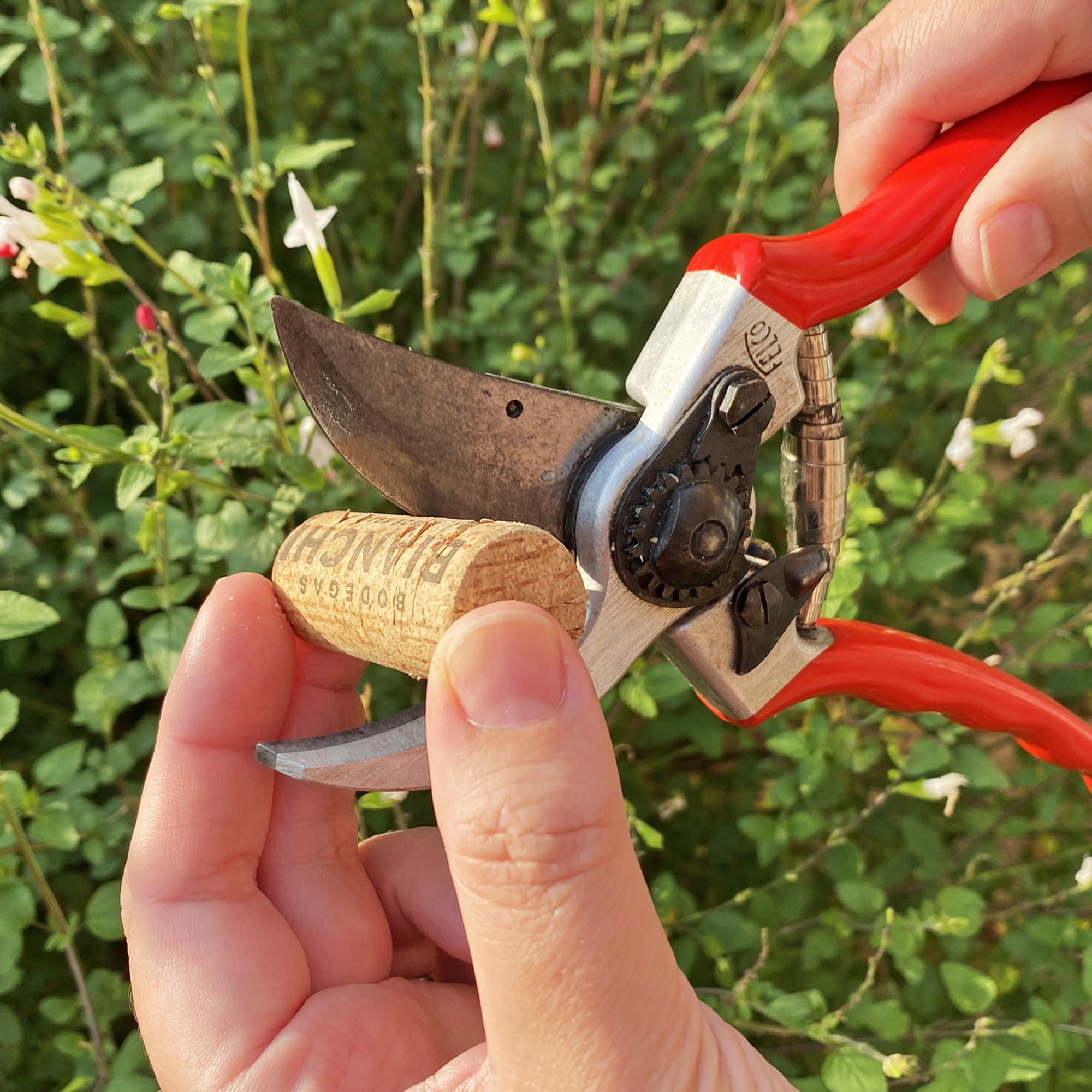
Credit: www.gardeningknowhow.com
Preparing For Pruning
Pruning helps plants grow healthy and strong. Using garden scissors correctly makes pruning safe and easy.
Before you start, prepare your tools and choose the right plants to prune. This guide will help you get ready.
Safety Precautions
Always wear gloves to protect your hands from cuts and scratches. Use eye protection if plants have sharp branches.
Keep your scissors sharp and clean to avoid slipping. Cut away from your body and keep your fingers clear of the blades.
- Wear gloves and eye protection
- Keep fingers away from blades
- Cut away from your body
- Use sharp and clean scissors
Cleaning And Sharpening Scissors
Clean your garden scissors after each use. Remove sap and dirt with a cloth and soapy water to stop rust.
Sharpen scissors regularly to make clean cuts. Use a sharpening stone or a file, following the blade’s edge carefully.
- Wipe blades with soapy water
- Dry scissors completely to prevent rust
- Use a sharpening stone or file
- Follow the blade edge while sharpening
Selecting Plants To Prune
Choose plants that need pruning to grow well. Look for dead or damaged branches first and remove them.
Prune plants during their dormant season to avoid stress. Avoid cutting too much at once to keep plants healthy.
- Remove dead or damaged branches
- Prune during the plant’s dormant season
- Do not cut more than one-third of the plant
- Check each plant’s pruning needs
Techniques For Effective Pruning
Pruning helps keep plants healthy and looking good. Using garden scissors correctly makes pruning easier and better.
Good pruning techniques improve plant growth and prevent damage. Learn how to cut branches the right way.
Proper Cutting Angles
Cutting at the right angle helps plants heal faster. Always cut at a 45-degree angle above a bud or branch.
This angle stops water from sitting on the cut. It reduces the chance of disease and rot.
- Use sharp scissors for clean cuts
- Cut just above a leaf or bud
- Angle the cut away from the bud
- Avoid crushing the stem
Removing Dead Or Diseased Branches
Dead or sick branches hurt plant health. Remove them quickly to keep the plant strong.
Cut branches at their base or just outside the branch collar. This helps the plant seal the wound.
- Look for brown, dry, or damaged branches
- Cut cleanly to avoid tearing bark
- Dispose of cut branches away from healthy plants
- Clean scissors after use to avoid spreading disease
Shaping Plants For Growth
Pruning shapes plants to grow strong and full. Trim branches to keep the shape balanced and open.
Cut back long branches to encourage new growth. Keep the center open to let sunlight in.
- Trim uneven branches to keep shape
- Cut back to a bud that faces outside
- Remove crossing branches that rub together
- Don’t remove more than one-third of the plant at once
Maintaining Garden Scissors
Garden scissors need care to work well and last long. Regular maintenance keeps blades sharp and safe.
Clean, lubricate, and store scissors properly. Fix common problems quickly to avoid damage.
Regular Cleaning Tips
Clean your garden scissors after each use. Remove dirt and plant sap to prevent rust and damage.
- Wipe blades with a dry cloth first
- Use soapy water for sticky residue
- Dry scissors completely before storing
- Use a soft brush to clean hard-to-reach areas
Lubrication And Storage
Lubricate scissors to keep them moving smoothly. Proper storage protects blades from rust and damage.
- Apply a few drops of oil to the pivot point
- Spread oil along the blades with a cloth
- Store scissors in a dry place
- Use a sheath or case to protect blades
Troubleshooting Common Issues
Check scissors often for problems. Fix issues early to keep them working well.
- Blades not cutting well? Sharpen them carefully
- Scissors stuck? Clean and lubricate the pivot
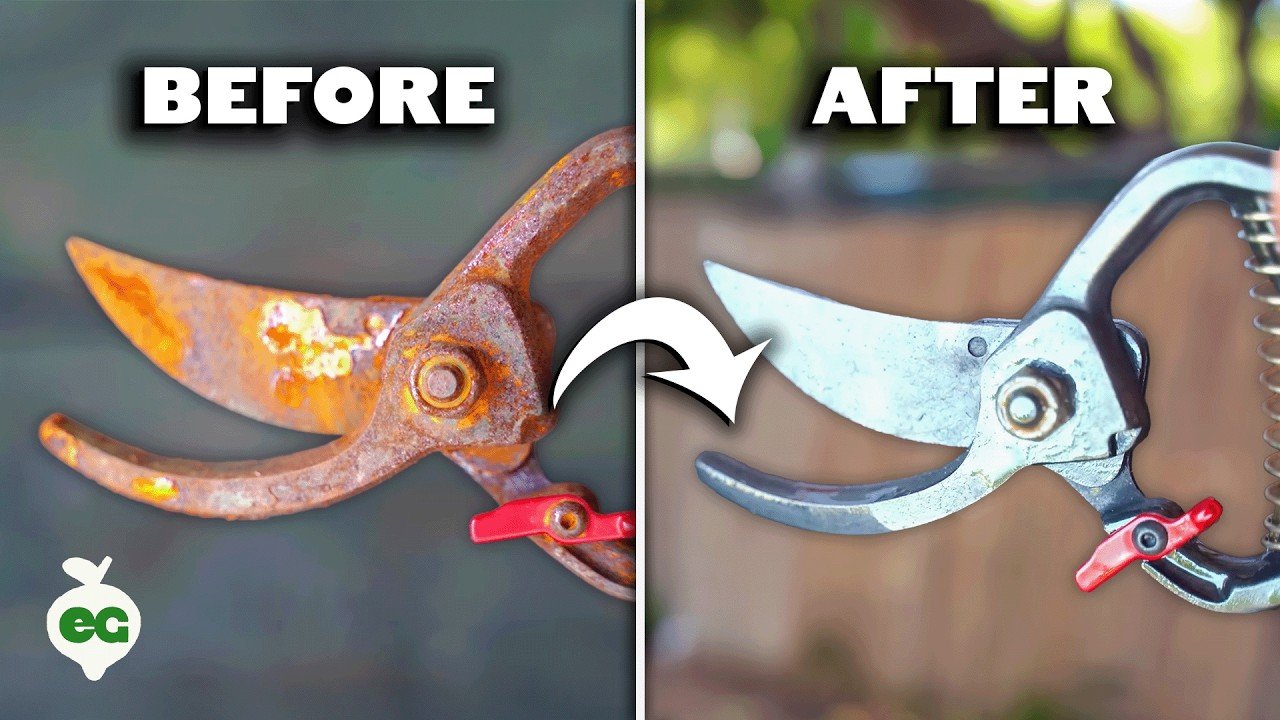
- Rust spots? Remove rust with fine sandpaper
- Loose screws? Tighten them with a screwdriver
Common Mistakes To Avoid
Using garden scissors can make gardening easier and neater. Many people make simple mistakes that harm their plants or tools.
This guide explains common errors to avoid when using garden scissors. Learning these tips helps your garden stay healthy.
Over-pruning Risks
Cutting too much from plants can weaken them. Over-pruning reduces leaves that make food for the plant.
Removing too many branches can stop flowers or fruits from growing. It also makes plants more open to diseases.
- Do not cut more than 25% of a plant at once
- Avoid pruning during active blooming or fruiting
- Check the plant type to know how much to prune
Using Scissors On Wrong Plants
Garden scissors work best on small stems and soft plants. Using them on thick branches can damage the scissors.
Some plants have delicate stems that bruise easily. Using scissors roughly can harm these plants.
- Use scissors only on thin stems or flowers
- Choose pruning shears for thick branches
- Handle delicate plants gently
Ignoring Tool Maintenance
Dirty or dull scissors make cutting hard and damage plants. Cleaning and sharpening scissors keeps them working well.
Ignoring tool care can lead to rust and breakage. Proper maintenance saves money and helps plants heal faster.
- Clean scissors after each use
- Sharpen blades regularly
- Store tools in a dry place
- Oil moving parts to prevent rust
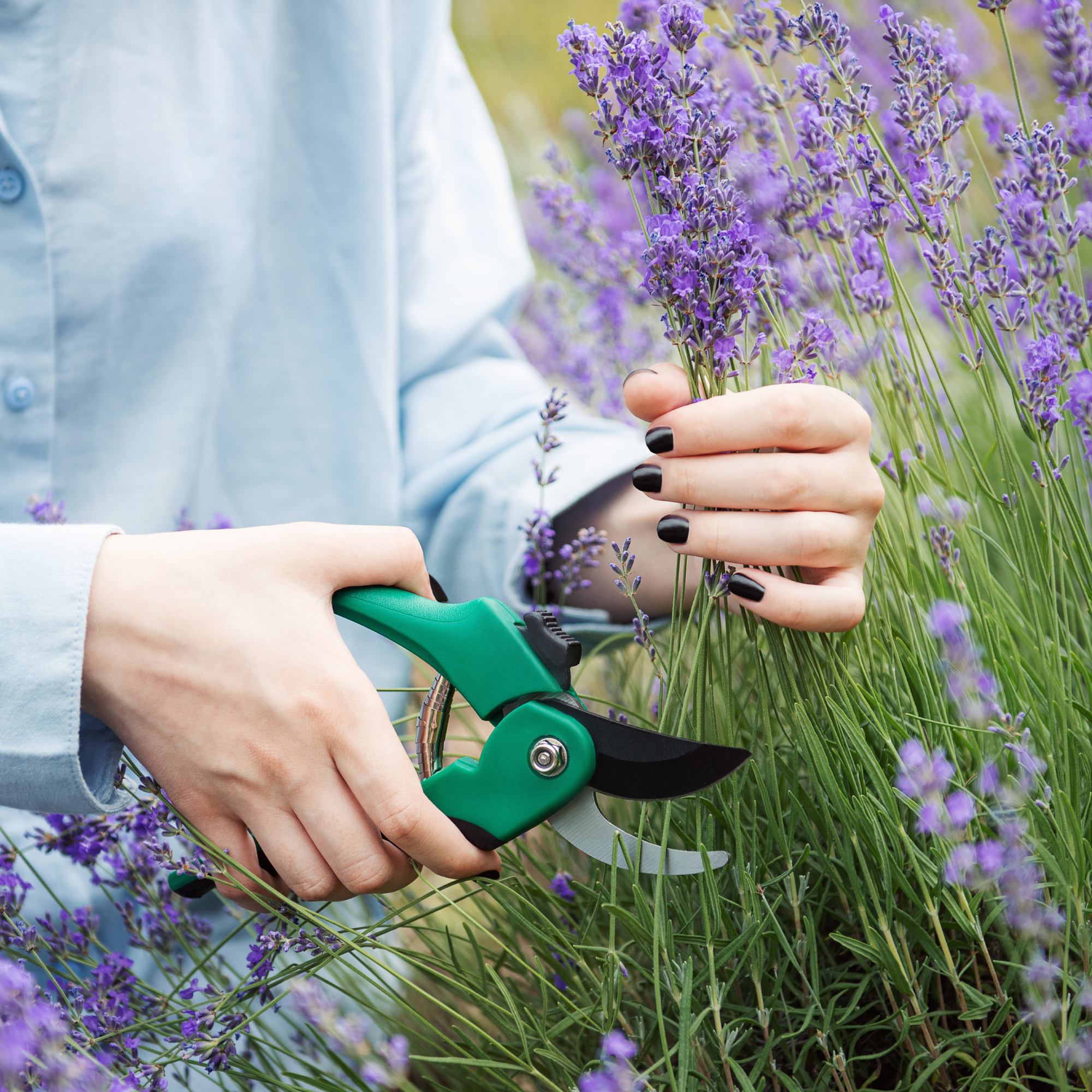
Credit: www.gardeningknowhow.com

Credit: www.countryliving.com
Frequently Asked Questions
What Are The Main Uses Of Garden Scissors?
Garden scissors are ideal for trimming plants, cutting flowers, and shaping small branches. They help maintain plant health and promote growth. Their precision makes them perfect for delicate gardening tasks. Using garden scissors regularly keeps your garden neat and well-groomed.
How To Choose The Best Garden Scissors?
Choose garden scissors with sharp, rust-resistant blades for durability. Look for ergonomic handles for comfort during extended use. Consider the blade size based on your gardening needs. Quality scissors improve efficiency and reduce hand fatigue.
How To Properly Clean Garden Scissors?
Clean garden scissors after each use to prevent rust and disease spread. Wipe blades with a damp cloth and mild soap. Dry them thoroughly and apply oil to keep blades smooth. Proper cleaning extends tool life and maintains cutting precision.
Can Garden Scissors Be Used On Thick Branches?
Garden scissors are best for thin stems and small branches. For thick branches, use pruning shears or loppers instead. Using scissors on thick branches can damage the tool and plants. Select the right tool for each gardening task to ensure success.
Conclusion
Garden scissors help keep your plants healthy and neat. Choose the right scissors for your garden tasks. Clean and store them properly after each use. Regular trimming supports strong growth and beautiful blooms. Practice safety to avoid accidents while cutting.
Enjoy the simple joy of caring for your plants. With patience and care, your garden will flourish. Small tools make a big difference in gardening success. Keep learning and improving your garden skills every day.