Working with electricity can be dangerous. You want to protect yourself, and using the right gear is crucial.
Insulated gloves are your best friend when handling electrical tasks, but how do you wear them correctly? Getting it wrong could mean the difference between a safe job and a risky one. Imagine confidently tackling any electrical project, knowing you’re shielded from potential hazards.
You’ll discover how to wear insulated gloves for electrical work, ensuring your safety with every step. Ready to learn the secrets to staying safe and efficient? Let’s dive in!

Credit: www.youtube.com
Choosing The Right Insulated Gloves
Insulated gloves protect workers from electric shocks. Wearing the right gloves keeps you safe and comfortable.
Choosing gloves involves knowing types, materials, ratings, and the fit. This guide will help you pick the best pair.
Types Of Insulated Gloves
There are several types of insulated gloves for electrical work. Each type suits different tasks and voltage levels.
- Class 00 to Class 4 gloves protect against voltages from 500 volts up to 36,000 volts.
- Rubber insulating gloves are common for direct electrical contact.
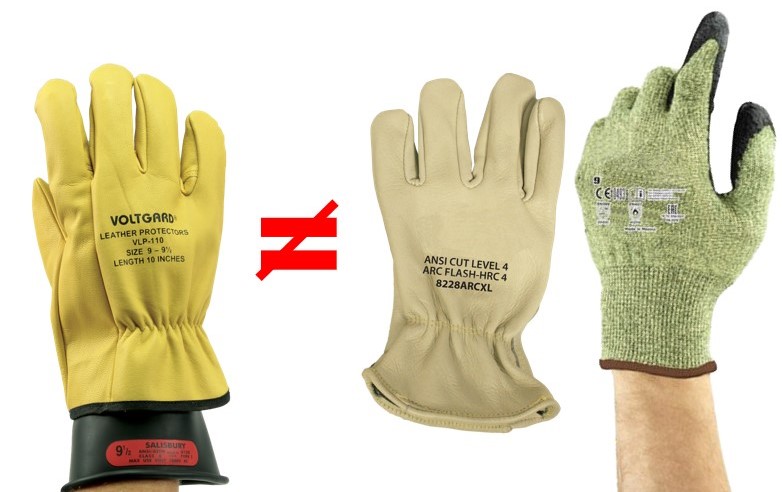
- Leather protector gloves cover rubber gloves to prevent cuts and wear.
Glove Material And Ratings
Glove materials affect safety and durability. Rubber is the main insulating material for electrical gloves.
Gloves have voltage ratings to show protection levels. Always use gloves rated above the working voltage.
| Class | Max Use Voltage | Common Use |
|---|---|---|
| 00 | 500 volts AC | Low voltage work |
| 0 | 1,000 volts AC | General electrical work |
| 1 | 7,500 volts AC | Medium voltage work |
| 2 | 17,000 volts AC | High voltage work |
| 3 | 26,500 volts AC | Extra high voltage |
| 4 | 36,000 volts AC | Highest voltage tasks |
Sizing And Fit Considerations
Proper fit keeps gloves comfortable and safe. Gloves that are too tight or loose can cause accidents.
Measure your hand from palm to the tip of the middle finger. Check the glove size chart before buying.
- Gloves should fit snugly but allow finger movement.
- Try gloves on with leather protectors if used.
- Replace gloves if they feel stiff or damaged.
Credit: www.saftgard.com
Preparing Gloves Before Use
Insulated gloves protect you from electric shocks. You must prepare them well before wearing.
Proper preparation keeps gloves safe and effective during electrical work.
Visual Inspection
Check gloves carefully for cuts, cracks, or holes. Look for dirt or sticky spots.
Damaged gloves do not protect you and must be replaced immediately.
Cleaning And Maintenance
Clean gloves after each use to remove dust and grime. Use mild soap and water only.
- Rinse gloves well to remove all soap
- Dry gloves with a soft cloth away from heat
- Do not use solvents or harsh chemicals
- Store gloves only when fully dry
Storage Tips
| Storage Condition | Reason |
|---|---|
| Cool and dry place | Prevents damage and aging |
| Away from sunlight | Stops material from weakening |
| Avoid sharp objects nearby | Prevents accidental tears |
| Flat or hanging position | Keeps glove shape intact |
Proper Techniques For Wearing Gloves
Wearing insulated gloves correctly is important for safety in electrical work. Proper use helps protect you from electric shocks.
Follow simple steps to put on gloves right and keep your hands safe during tasks.
Putting Gloves On Safely
Always check gloves for damage before use. Do not wear gloves with holes or cracks.
Put the gloves on slowly to avoid tearing. Use both hands to pull the gloves up to the wrist.
- Inspect gloves for damage each time
- Wear gloves in a clean, dry area
- Pull gloves on gently without force
Ensuring Full Coverage
Make sure the gloves cover your wrists and part of your forearms. This helps stop electricity from reaching your skin.
Tuck your sleeves inside the gloves. Check that no skin shows between the glove and clothing.
- Gloves must cover wrists fully
- Tuck sleeves inside gloves
- Check for gaps before starting work
Layering With Leather Protectors
Wear leather protector gloves over insulated gloves. Leather stops cuts and punctures from sharp tools.
Put on insulated gloves first, then leather gloves on top. Keep both clean and dry for best protection.
- Insulated gloves go on first
- Leather gloves protect against physical damage
- Replace damaged leather gloves immediately
Using Gloves During Electrical Tasks
Wearing insulated gloves protects you from electrical shocks. These gloves are vital for safety during electrical work.
Using gloves correctly reduces injury risks. Learn how to wear and handle them properly for better protection.
Avoiding Common Mistakes
Many workers make errors when using insulated gloves. These mistakes can reduce glove effectiveness and increase danger.
- Do not use gloves with tears or holes.
- Avoid wearing gloves over wet hands or wet gloves.
- Never use damaged gloves for electrical tasks.
- Do not store gloves near heat or sunlight.
- Always check gloves for defects before use.
Maintaining Dexterity And Grip
Gloves can make handling small parts harder. Keep your grip and finger movement strong while working.
| Tip | How to Apply |
| Choose the right glove size | Gloves should fit snugly without tight spots |
| Use gloves with textured palms | Improves grip on tools and wires |
| Keep gloves clean and dry | Prevents slipping and maintains flexibility |
| Practice tasks while wearing gloves | Builds finger strength and confidence |
Working With Tools And Equipment
Use insulated gloves with proper tools designed for electrical work. This keeps safety high and accidents low.
- Check tools for insulation before use.
- Wear gloves that allow precise control of equipment.
- Avoid forceful gripping to prevent tearing gloves.
- Keep tools clean to avoid slipping inside gloves.
Post-use Care And Inspection
Proper care and inspection of insulated gloves after use keep them safe and effective. This helps prevent accidents and extends glove life.
Always clean, check, and know when to replace your gloves. These steps protect you during electrical work.
Cleaning After Use
Clean gloves immediately after each use to remove dirt and contaminants. Use mild soap and lukewarm water for washing.
- Do not use harsh chemicals or solvents
- Rinse gloves thoroughly to remove soap
- Dry gloves away from direct heat and sunlight
- Store gloves in a cool, dry place
Checking For Damage
Inspect gloves before and after each use. Look for cuts, holes, cracks, and other damage on the surface.
| Damage Type | What to Look For | Action Needed |
|---|---|---|
| Cracks | Small breaks in the rubber surface | Do not use gloves until replaced |
| Holes | Visible punctures or tears | Replace gloves immediately |
| Discoloration | Fading or dark spots | Check for loss of insulation, consider replacement |
| Stiffness | Glove feels hard or brittle | Do not use; replace gloves |
When To Replace Gloves
Replace gloves if any damage is found or after their service life ends. Also, replace gloves if they fail electrical tests.
- After visible damage like cracks or holes
- If gloves become stiff or brittle
- Following a failed insulation test
- At the manufacturer’s recommended replacement date

Credit: www.amazon.ae
Additional Safety Measures
Wearing insulated gloves is vital for electrical work safety. Still, extra steps help protect workers better.
This section covers other safety gear, emergency plans, and training to stay safe on the job.
Complementary Personal Protective Equipment
Use other protective gear along with insulated gloves for full protection. This gear shields against shocks, burns, and other risks.
- Wear safety helmets to protect your head from impacts.
- Use face shields or safety goggles to guard your eyes.
- Wear flame-resistant clothing to reduce burn injuries.
- Use insulated boots to prevent electric current through your feet.
- Wear hearing protection if working near loud equipment.
Emergency Procedures
Know what to do if an accident happens. Quick actions can save lives and reduce injury severity.
| Emergency Step | Description |
| Power Off | Turn off the electrical source immediately if safe. |
| Call Help | Contact emergency services or onsite medical personnel. |
| First Aid | Perform CPR or other first aid if trained. |
| Report Incident | Inform supervisors and document the event properly. |
Training And Certification
Proper training prepares workers to use insulated gloves and safety gear correctly. Certification proves they understand safe practices.
- Attend courses on electrical safety and glove use.
- Practice emergency drills regularly.
- Stay updated on safety standards and regulations.
- Renew certifications as required by your employer or law.
Frequently Asked Questions
How Do Insulated Gloves Protect Electricians?
Insulated gloves prevent electrical shocks by blocking current flow. They provide a protective barrier between your hands and live wires. Wearing them reduces the risk of injury during electrical tasks. Always ensure gloves meet safety standards for effective protection.
When Should I Wear Insulated Gloves For Electrical Work?
Wear insulated gloves whenever you handle live electrical circuits or equipment. They are essential during maintenance, repairs, and installations to avoid shocks. Using gloves consistently ensures safety and compliance with workplace regulations.
How To Check If Insulated Gloves Are Safe To Use?
Inspect gloves for cracks, punctures, and tears before use. Verify the expiration date and test them for leaks if required. Damaged gloves should be replaced immediately to maintain proper protection.
Can I Wear Insulated Gloves Over Regular Work Gloves?
No, insulated gloves must be worn directly on clean hands. Wearing other gloves underneath can reduce their effectiveness. Ensure your hands are dry and free of oils before putting on insulated gloves.
Conclusion
Wearing insulated gloves protects you from electrical shocks. Always check gloves for damage before use. Choose the right size for comfort and safety. Keep gloves clean and store them properly. Follow safety rules to prevent accidents at work. Using gloves correctly helps you stay safe daily.
Safety starts with good habits and proper gear. Stay alert and protect your hands every time. Safety first, always.