Do you want to transform an ordinary piece of wood into a stunning masterpiece? If so, a jigsaw might just be your new best friend.
When it comes to creating intricate designs, this tool is both powerful and precise. But to truly unlock its potential, you need the right tips and techniques. Imagine effortlessly crafting detailed patterns and designs, impressing friends and family with your newfound skills.
This article is your guide to mastering the jigsaw, ensuring every cut is clean and precise. Dive in to discover how you can elevate your crafting game and bring your creative visions to life with ease.
Choosing The Right Jigsaw
Using a jigsaw for detailed cuts needs the right tool. The right jigsaw makes cutting intricate designs easier and cleaner.
Choosing the right jigsaw depends on the type, blade, power, and speed settings. These factors affect your cutting experience and results.
Types Of Jigsaws
There are corded and cordless jigsaws. Corded jigsaws provide constant power for long jobs. Cordless ones are portable and easy to handle.
Orbital jigsaws move the blade in a slight forward and backward motion. This helps cut faster but may reduce control. Straight-cut jigsaws move the blade only up and down for precise cuts.
Blade Selection Tips
- Use fine-toothed blades for smooth, detailed cuts.
- Choose blades made for the material you cut, like wood or metal.
- Pick narrow blades for tight curves and intricate shapes.
- Replace dull blades to keep cuts clean and easy.
Power And Speed Settings
| Power Level | Best Use | Effect |
| Low | Thin or delicate materials | More control, less tear-out |
| Medium | General purpose cutting | Balanced speed and control |
| High | Thick or hard materials | Faster cuts, less precision |
Adjust the speed depending on your material. Slower speeds work better for curves and detailed cuts. Higher speeds help cut straight lines fast but may cause rough edges.
Credit: piecehouse.co.nz
Preparing Your Workspace
Using a jigsaw for intricate designs needs a good workspace. A clean and organized area helps you work safely and well.
Prepare your space before you start cutting. This makes the job easier and reduces mistakes.
Setting Up A Stable Surface
Use a strong, flat surface to work on. It keeps the wood steady and stops it from moving while cutting.
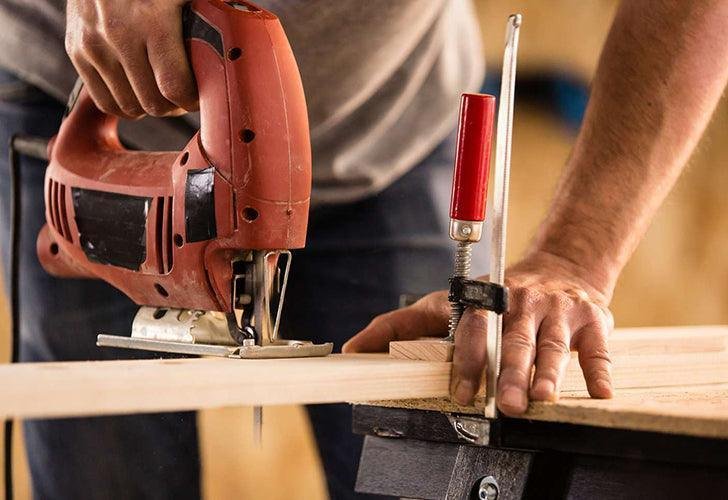
Clamp your wood piece to the table. This holds it tight and prevents slips that can spoil your design.
- Choose a heavy workbench or table
- Use clamps to hold your workpiece firmly
- Check that the surface is clean and dry
- Make sure the area has enough light
Marking Your Design
Draw your design clearly on the wood before cutting. Use a pencil with sharp lines for better accuracy.
Double-check your markings. This helps you follow the shape exactly and avoid mistakes during cutting.
- Use a ruler or stencil for straight lines
- Draw lightly so you can erase if needed
- Highlight curves and corners clearly
- Label parts if the design is complex
Safety Gear Essentials
Wear safety gear to protect yourself while using the jigsaw. Safety is important to avoid injuries.
Use the right equipment to protect your eyes, ears, and hands from dust and noise.
- Wear safety goggles to protect your eyes
- Use ear protection to reduce noise damage
- Wear gloves for a better grip and hand safety
- Consider a dust mask to avoid breathing sawdust
Mastering Cutting Techniques
Using a jigsaw for detailed designs needs skill and care. Precise cutting helps make your work look clean and professional.
Focus on the right methods to cut smoothly and safely. This guide covers key tips for better control and accuracy.
Starting Your Cut Accurately
Mark your cutting line clearly before you start. Use a pencil or tape to show the exact path.
Begin the cut slowly to avoid slipping. Hold the jigsaw steady and let the blade reach full speed first.
- Secure your workpiece to stop movement
- Align the blade with the start mark
- Keep the base plate flat on the surface
- Start cutting straight before moving to curves
Controlling The Jigsaw For Curves
Slow your speed when cutting curves to keep control. Fast cutting can cause rough edges or mistakes.
Guide the jigsaw gently along the line. Move your body, not just your hands, for smoother turns.
- Use a fine-tooth blade for tight curves
- Keep the base plate pressed to the surface
- Turn the workpiece for better angles
- Practice on scrap wood to improve technique
Managing Intricate Details
Use smaller blades for fine details. This helps you cut small shapes without breaking the material.
Pause often to check your progress. This prevents mistakes and helps keep your design clean.
- Drill starter holes for internal cuts
- Slow down near tight corners
- Support thin parts to avoid bending
- Wear safety glasses to protect your eyes

Credit: nautiluspuzzles.com
Maintaining Precision
Using a jigsaw for intricate designs needs steady hands and clear focus. Maintaining precision helps you cut clean lines and avoid mistakes.
Small details require patience and careful control of the tool. These tips will help you keep accuracy while working.
Using Guides And Templates
Guides and templates keep your cuts straight and consistent. They help you follow the design exactly as planned.
Use clamps or tape to fix the guide firmly on the wood. This prevents slipping and keeps your lines accurate.
- Draw or print your design on paper or thin wood
- Attach the template securely to your workpiece
- Use a ruler or straight edge as a cutting guide
- Double-check the guide position before starting
Adjusting Speed For Accuracy
Slowing down your cutting speed helps control the jigsaw better. Fast cuts can cause the blade to wander and damage the design.
Match your speed to the wood type and blade size. Take your time around curves and tight corners.
- Use a slower speed setting for detailed cuts
- Pause briefly on sharp turns to change direction
- Keep a steady, even pace to avoid mistakes
- Practice on scrap wood to find the best speed
Avoiding Common Mistakes
Many errors happen from rushing or poor preparation. Fixing these mistakes improves your final result.
Check your blade condition and jigsaw settings before cutting. Wear safety gear to protect yourself.
- Do not force the blade through the wood
- Keep the base plate flat against the material
- Change dull blades to keep cuts clean
- Use clamps to secure the workpiece firmly
- Plan your cut path before starting
Post-cutting Finishing Touches
After cutting intricate designs with a jigsaw, finishing touches improve the look. These steps make your work smooth and clean.
Focus on smoothing edges, cleaning the design, and protecting the piece for lasting results.
Sanding Edges Smoothly
Sanding removes rough spots left by the jigsaw blade. Use fine-grit sandpaper for a smooth finish.
Sand gently along the edges to keep your design’s shape sharp and clean.
- Start with medium grit for rough edges
- Switch to fine grit for smoothness
- Use sanding blocks or sponges for curves
- Sand in the direction of the wood grain
Cleaning Up Your Design
Remove dust and debris after sanding. A clean surface improves the look of your design.
Use a soft brush or cloth to wipe away dust from all parts of the piece.
- Use a vacuum for heavy dust
- Blow air into tight spots with a can of compressed air
- Wipe with a damp cloth for sticky dust
- Allow the piece to dry fully before finishing
Protecting Your Workpiece
Apply a protective finish to keep your design safe from damage. Finishes also improve the look.
Choose a finish that suits the wood type and your project’s use.
- Use clear varnish for shine and protection
- Apply wood oil for a natural look
- Try wax for a soft, matte finish
- Apply thin coats and let dry between layers
Troubleshooting Common Issues
Using a jigsaw for detailed work can be tricky. Small problems can slow your progress.
This guide helps you fix common jigsaw issues. Follow these tips for smoother cuts.
Blade Breakage Solutions
Blade breakage is common when cutting intricate designs. Thin blades can snap easily.
- Use blades made for fine cutting.
- Do not force the blade through hard spots.
- Keep the blade straight and avoid twisting.
- Check the blade for damage before starting.
- Slow down your cutting speed on curves.
Dealing With Burn Marks
Burn marks appear when the blade gets too hot or moves too slowly. This ruins your work.
| Cause | Solution |
| Blade speed too slow | Increase cutting speed |
| Dull blade | Replace blade regularly |
| High friction on wood | Use sharp, clean blades |
| Cutting thick wood | Make multiple passes |
Handling Jigsaw Vibrations
Vibrations cause shaky cuts and tired hands. They happen if the tool is not held properly.
- Hold the jigsaw firmly but do not grip too tight.
- Keep the base plate flat on the work surface.
- Use a sharp blade to reduce resistance.
- Check for loose parts and tighten screws.
- Support the material well to avoid movement.
Credit: www.housedigest.com
Frequently Asked Questions
What Blade Type Works Best For Intricate Jigsaw Designs?
Use fine-toothed blades for detailed, precise cuts. They offer better control and smoother edges on delicate materials. Avoid coarse blades as they can splinter and ruin intricate patterns.
How Do I Prevent Wood Splintering When Using A Jigsaw?
Clamp your workpiece firmly and use painter’s tape along the cut line. Cutting slowly and using a sharp blade also reduces splintering and enhances cut quality.
Can I Use A Jigsaw For Curved And Tight Cuts?
Yes, jigsaws excel at curved and tight cuts due to their narrow blades. Practice slow, steady movements to maintain accuracy and avoid blade bending or breakage.
What Speed Settings Are Ideal For Intricate Jigsaw Work?
Use a slower speed setting for intricate designs. Slower speeds offer better control and reduce the risk of mistakes or blade damage during detailed cuts.
Conclusion
Using a jigsaw for intricate designs takes patience and care. Choose the right blade and keep your hand steady. Move slowly and follow the lines closely. Practice on scrap wood to build your confidence. Safety matters—always wear goggles and keep fingers clear.
These tips help you create detailed, clean cuts. Enjoy the process and watch your projects improve. Small steps lead to great results with your jigsaw.