Have you ever found yourself frustrated with the performance of your planer? Dull blades can turn a smooth woodworking session into a rough and noisy ordeal.
Imagine gliding your planer effortlessly across wood, leaving behind a flawlessly smooth surface every time. Sounds like a dream, right? But it’s achievable. Sharpening your planer blades is the key to unlocking this dream and transforming your woodworking experience. You’ll discover practical tips to keep your blades sharp and your projects precise.
Ready to upgrade your woodworking skills? Let’s dive in and explore how you can achieve professional results with ease.

Credit: paulsellers.com
Choosing The Right Tools
Sharpening planer blades needs the right tools to do the job well. Using proper tools helps keep blades sharp and safe.
This guide covers the main tools you need and explains blade types to choose the correct sharpening method.
Essential Sharpening Equipment
You need a few basic tools to sharpen planer blades effectively. These tools help you get a clean, sharp edge.
- Sharpening stones: Use fine and coarse grit stones for different blade conditions.
- Honing guide: Keeps the blade at the correct angle while sharpening.
- Lubricant: Water or oil to reduce heat and friction on sharpening stones.
- Clamps or vise: Secure blades firmly to avoid slipping during sharpening.
- Safety gloves: Protect your hands from sharp edges and tools.
Blade Types And Materials
Planer blades come in different types and materials. Knowing this helps pick the right tools and sharpening method.
High-speed steel blades are common and easy to sharpen. Carbide blades last longer but need diamond stones.
- High-speed steel (HSS): Sharpens well with regular stones and honing guides.
- Carbide: Requires diamond sharpening stones or special grinders.
- Stainless steel: Less common, sharpen with fine stones to avoid damage.
Credit: www.familyhandyman.com
Preparing Blades For Sharpening
Sharpening planer blades improves wood cutting quality. Proper preparation helps you get the best results.
Before sharpening, prepare the blades carefully. This saves time and protects the blades from damage.
Cleaning And Inspecting Blades
Clean blades remove dust, resin, and dirt. Use a soft cloth and a mild cleaner to wipe the blades gently.
After cleaning, inspect the blades closely. Look for rust, dull spots, or uneven edges that need attention.
- Remove all debris for clear visibility
- Check for rust or corrosion
- Examine edges for dullness or chips
- Ensure blades are straight and not warped
Removing Nicks And Damage
Small nicks can cause rough cuts. Use a fine file or sharpening stone to smooth out these imperfections.
For larger damage, remove the blade carefully. Repair or replace it to avoid harm to your planer or wood.
- Use a fine file for minor nicks
- Apply even pressure to avoid creating new damage
- Replace blades with deep chips or cracks
- Handle blades with care to prevent injury
Sharpening Techniques
Planer blades need sharp edges for smooth wood cutting. Dull blades cause rough cuts and damage the wood.
Sharpening techniques help restore the blade’s edge. Using the right method keeps blades lasting longer.
Using A Bench Grinder
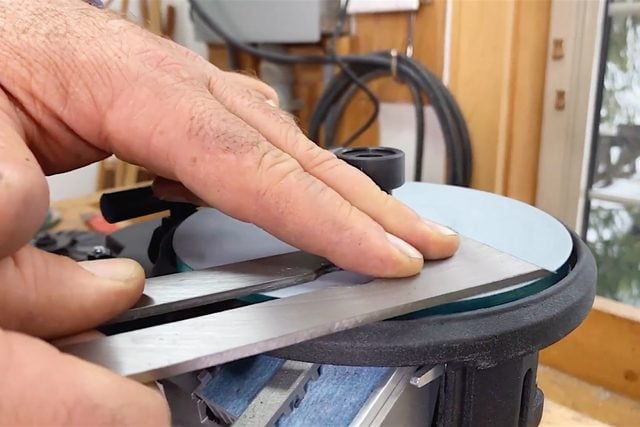
A bench grinder spins a rough wheel to sharpen planer blades fast. It removes metal quickly and shapes the edge.
Keep the blade cool by dipping it in water while grinding. Overheating can ruin the blade’s temper.
- Wear safety glasses to protect your eyes.
- Hold the blade firmly and steady.
- Move the blade smoothly across the wheel.
- Cool the blade often to avoid heat damage.
Hand Sharpening With Stones
Hand sharpening uses sharpening stones to sharpen blades slowly and carefully. It is good for fine edges.
Use water or oil on the stone to reduce friction. Rub the blade evenly on the stone’s surface.
- Use coarse stones first, then finer ones.
- Sharpen both sides of the blade evenly.
- Keep a steady pressure for a smooth edge.
- Clean the blade and stone after sharpening.
Maintaining Proper Angle
Holding the blade at the right angle is key to sharp edges. Wrong angles cause dull or uneven edges.
Most planer blades need a 25 to 30-degree angle. Use a guide or jig to keep this angle steady.
- Check the blade’s original bevel angle before sharpening.
- Keep the angle consistent during the whole process.
- Use a sharpening guide if you are new to this.
- Test the sharpness often by touching or cutting.
Checking Sharpness And Balance
Keeping planer blades sharp and balanced is important for smooth cuts. Dull or unbalanced blades can damage wood and strain the machine.
Regular checks help you spot problems early. This guide shows how to inspect blades visually and by touch, and how to balance them.
Visual And Tactile Inspection
Look closely at the blades for chips or dents. Even small nicks can cause rough cuts. Use good light and a magnifying glass if needed.
Run your finger carefully along the blade edge. Sharp blades feel smooth and even. Dull blades may feel rounded or uneven.
- Check for chips, dents, or cracks
- Look for discoloration or rust
- Feel the blade edge gently
- Note any uneven spots or roughness
Balancing Blades For Smooth Operation
Balanced blades spin evenly and reduce vibrations. Unbalanced blades cause noise and wear out the planer faster.
Use a blade balancer tool or hang the blade on a pin. The blade should stay horizontal. If one side drops, it needs more sharpening.
- Place blade on a flat or pin support
- Check if blade tilts to one side
- Sharpen heavier side to balance
- Repeat until blade stays level
Safety Tips During Sharpening
Sharpening planer blades requires careful attention to safety. Using the right methods helps avoid accidents.
Follow safety rules to protect yourself and keep your tools in good condition.
Protective Gear Recommendations
Always wear protective gear to reduce injury risk. Safety glasses shield your eyes from metal shards.
- Wear safety goggles to protect your eyes
- Use heavy-duty gloves to avoid cuts
- Wear a dust mask to prevent inhaling metal dust
- Use ear protection if noise levels are high
Safe Handling Practices
Handle blades carefully to avoid cuts and damage. Keep your workspace clean and organized.
| Practice | Reason |
| Keep blades away from your body | Prevent accidental cuts |
| Secure blades before sharpening | Avoid slipping during work |
| Use proper tools for sharpening | Ensure blade stays sharp and safe |
| Work in a well-lit area | See clearly to avoid mistakes |
Maintenance For Longevity
Keeping your planer blades sharp and well-maintained extends their life. Proper care also ensures smooth and safe woodworking.
This guide covers key tips on cleaning, storing, and knowing when to replace your blades.
Regular Cleaning And Storage
Clean planer blades after every use to remove resin and dust. Dirt buildup dulls the blades faster.
- Use a soft brush to clear away wood chips.
- Apply a mild solvent to remove sticky residue.
- Dry blades completely before storing to prevent rust.
- Store blades in a dry place, inside a protective case.
- Avoid stacking blades directly on each other to protect edges.
When To Replace Blades
Replacing blades at the right time keeps your planer working well. Dull blades cause rough cuts and strain the motor.
| Blade Condition | Signs to Replace |
|---|---|
| Dull | More tear-out on wood surface, slower cuts |
| Chipped or cracked | Visible damage on blade edge, noisy operation |
| Warped | Uneven cuts, vibration during use |
| Normal wear | Blade cannot be sharpened effectively anymore |

Credit: www.reddit.com
Frequently Asked Questions
How Often Should Planer Blades Be Sharpened?
Planer blades should be sharpened every few uses or when you notice rough cuts. Regular sharpening ensures smooth, precise planing and extends blade life.
What Tools Are Needed To Sharpen Planer Blades?
You need a sharpening stone or diamond file, a honing guide, and safety gloves. These tools help maintain the blade’s edge accurately and safely.
Can I Sharpen Planer Blades At Home?
Yes, you can sharpen blades at home using a sharpening stone or diamond file. Proper technique and safety precautions are essential for best results.
How Do I Know When Planer Blades Need Sharpening?
Blades need sharpening when cuts become rough, surfaces uneven, or the planer slows down. These signs indicate dull edges affecting performance.
Conclusion
Sharpening planer blades keeps your tools working well and safe. Regular care helps you cut smoothly every time. Use the right tools and follow steps carefully. Take your time to avoid mistakes and injury. Clean and store blades properly after sharpening.
This small effort saves money and improves your woodwork. Keep practicing, and your skills will grow. A sharp blade makes your projects easier and better. Simple steps lead to great results.