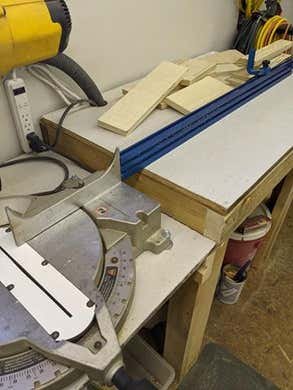
Are you tired of struggling with inaccurate cuts and time-consuming adjustments on your miter saw? Your frustration might be rooted in neglected miter saw tracks.
Keeping these tracks in top shape is crucial for precision and efficiency in your woodworking projects. Imagine cutting through wood like butter, with each slice perfectly aligned—no more do-overs, no wasted materials. You’ll discover simple yet effective tips to maintain your miter saw tracks, ensuring every cut is a masterpiece.
Ready to elevate your woodworking game? Read on and unlock the secrets to flawless cuts every time.
Choosing The Right Track
Choosing the right track for your miter saw is important. It helps keep cuts straight and accurate.
A good track matches your saw and work style. It also lasts longer with proper care.
Material Types
Miter saw tracks come in different materials. Each type has its own strength and weight.
Aluminum tracks are light and resist rust. They are easy to carry and clean.
Steel tracks are very strong but heavier. They can handle tough jobs well.
- Aluminum: lightweight, rust-resistant, easy to handle
- Steel: durable, heavier, best for heavy use
- Plastic components: may be on some tracks for smooth sliding
Track Length Considerations
Track length affects how wide you can cut. Choose a length that fits your work needs.
Short tracks are easy to store and move. Long tracks give more cutting capacity but can be bulky.
- Short tracks: good for small projects and tight spaces
- Medium tracks: balance between size and cutting width
- Long tracks: best for large boards and extended cuts
Compatibility With Miter Saws
Not all tracks fit all miter saws. Check if the track matches your saw brand and model.
Some tracks work with many saws. Others fit only specific models. Using the right track keeps your saw safe.
- Check the track width and groove type
- Look for tracks made for your saw brand
- Confirm track mounting style fits your saw

Credit: infinitytools.com
Regular Cleaning Routines
Maintaining your miter saw tracks keeps your tool working smoothly. Dirt and dust can cause problems during cuts.
Cleaning the tracks regularly helps avoid damage and improves accuracy. Set a routine to keep your saw in top shape.
Removing Dust And Debris
Dust and debris collect on the saw tracks from wood and other materials. This buildup can stop the saw from sliding properly.
Use a soft brush or cloth to wipe off loose dirt. Remove all particles from the surface and gaps.
- Turn off and unplug the saw before cleaning
- Brush away sawdust from the tracks
- Wipe with a dry cloth to remove fine dust
Using Compressed Air
Compressed air helps clear dust from hard-to-reach places on the tracks. It removes particles stuck deep inside.
Hold the air nozzle close but not touching the tracks. Blow air along the length to push out dirt.
- Wear safety glasses to protect your eyes
- Use short bursts of air to avoid damage
- Work in a well-ventilated area
Cleaning Track Rails
Track rails can get sticky or rusty if not cleaned properly. Use a cloth with a small amount of oil or cleaner.
Wipe the rails gently to remove grime. Avoid using too much liquid, which can attract more dirt.
- Apply a light machine oil or silicone spray
- Use a clean cloth to spread the oil evenly
- Remove excess oil to prevent dust buildup
Lubrication Tips
Keeping your miter saw tracks well lubricated helps them move smoothly. It prevents rust and wear on the metal parts. Good lubrication keeps your saw accurate and safe.
Using the right lubricant and applying it properly can extend the life of your tracks. This guide shares simple tips on lubrication for miter saw tracks.
Best Lubricants For Tracks
Choose lubricants that do not attract dust or dirt. Dry lubricants and light oils work best for miter saw tracks. Avoid thick greases that can gum up the rails.
- Silicone spray is good for smooth movement and resists dirt.
- Light machine oil keeps metal parts protected without stickiness.
- Dry Teflon-based lubricants reduce friction without attracting dust.
How Often To Lubricate
Lubricate your miter saw tracks regularly to keep them in good shape. For frequent users, lubrication every month is ideal. Occasional users can lubricate every three to six months.
Check the tracks if you hear grinding or notice rough movement. Apply lubricant if the tracks look dry or dusty.
Avoiding Over-lubrication
Too much lubricant can cause dirt build-up on your tracks. Dirt and dust stick to excess oil, which harms track performance. Use a small amount and wipe off any extra.
- Apply lubricant sparingly, just enough to cover the rails.
- Wipe excess lubricant with a clean cloth after application.
- Keep the saw and work area clean to prevent dirt from mixing with lubricant.
Inspecting For Wear And Damage
Keeping your miter saw tracks in good shape is important for safe and accurate cuts. Regular inspection helps find problems early. Look closely for signs of wear or damage before each use.
Check every part of the tracks carefully. Small issues can lead to bigger problems or unsafe work conditions. Fix or replace any worn parts to keep your saw running smoothly.
Spotting Track Misalignment
Misaligned tracks cause uneven cuts and can damage the saw. Look for gaps or uneven surfaces along the track. Use a straight edge to check if the tracks line up correctly.
If the saw blade does not slide smoothly, the tracks may be out of alignment. Adjust the track position or tighten the screws to fix the problem. Repeat the check after adjustment.
Checking For Rust And Corrosion
Rust and corrosion weaken the metal and make the tracks sticky. Look for brown or orange spots on the metal parts. Check the track surface and the screws for any signs of rust.
Clean rust off with steel wool or a wire brush. Apply a light coat of oil to protect the metal. Keep the saw stored in a dry place to prevent future rust.
Replacing Worn Components
Worn parts can cause poor cuts and unsafe operation. Check the track rollers, screws, and guides for wear or damage. Replace any parts that are cracked, bent, or worn down.
Use parts made for your miter saw model. Follow the manufacturer’s instructions for replacement. Regular replacement keeps the saw working accurately and safely.
Storage And Handling
Miter saw tracks need careful storage and handling to stay accurate. Proper care helps avoid damage and extends their life.
In this guide, learn how to store and move your tracks safely. Follow these tips to keep your tools in top shape.
Proper Track Storage Methods
Store your miter saw tracks in a dry, clean place. Avoid areas with high humidity or dust that can cause rust or dirt build-up.
- Keep tracks flat and supported along their full length.
- Use padded racks or shelves to prevent scratches.
- Cover tracks with cloth or plastic to block dust.
- Store tracks away from heavy objects to avoid pressure damage.
Protecting Tracks During Transport
Transporting miter saw tracks carefully avoids dents and misalignment. Use a strong case or wrap tracks well before moving.
| Transport Method | Protection Tips |
| Hard Case | Use foam padding inside to hold tracks tightly |
| Wrapped in Cloth | Secure with straps to prevent shifting |
| Loose in Vehicle | Place on flat surface; avoid stacking heavy items on top |
Avoiding Bends And Warps
Bends and warps cause inaccurate cuts. Handle tracks gently and avoid placing heavy loads on them.
Here are key points to prevent damage:
- Lift tracks by their ends, not the middle.
- Do not lean tracks against walls without support.
- Avoid sudden impacts or dropping tracks.
- Check tracks regularly for signs of warping.
Adjusting Track Alignment
Proper alignment of your miter saw tracks ensures accurate cuts. Misaligned tracks can cause uneven cuts and waste material. This guide helps you adjust the tracks step by step.
Follow these steps carefully to maintain your saw’s performance and safety. Use the right tools and test your work after adjustment.
Tools Needed For Adjustment
Gathering the right tools before starting makes the process easier and faster. You will need items to measure, loosen, and secure parts of the track.
- Combination square or carpenter’s square
- Hex wrench or Allen key set
- Screwdriver set (flathead and Phillips)
- Measuring tape
- Soft cloth for cleaning
- Rubber mallet (optional)
Step-by-step Alignment Process
Adjust the track alignment by following these clear steps. Take your time to avoid mistakes.
- Turn off and unplug the miter saw for safety.
- Clean the tracks with a soft cloth to remove dust and debris.
- Loosen the screws holding the track in place using the hex wrench.
- Use the combination square to check the angle between the track and saw base.
- Adjust the track until it is perfectly aligned with the saw blade angle.
- Tighten the screws firmly to secure the track without moving it.
- Check for any wobble or looseness and adjust if necessary.
Testing Track Accuracy
After adjusting the track, testing its accuracy ensures your cuts will be precise. Use a test piece of wood to check the results.
| Test Step | What to Do | Expected Result |
| 1 | Place wood on the track and make a cut at 45 degrees. | Clean, straight cut without gaps. |
| 2 | Measure the cut angle with a protractor or square. | Angle matches the saw setting exactly. |
| 3 | Inspect the cut edge for smoothness and straightness. | Edge is even and smooth with no splinters. |
| 4 | If needed, adjust track again and retest. | Consistent, accurate cuts every time. |
Preventing Common Issues
Keeping your miter saw tracks in good shape helps you work safely. Avoiding problems saves time and repairs.
Simple care steps prevent common issues with the tracks. Focus on clean tracks, steady surfaces, and regular checks.
Avoiding Track Obstructions
Clear dust and debris from the tracks before each use. Small bits can block the saw and cause mistakes.
- Wipe the track with a dry cloth after each use
- Remove sawdust with a brush or compressed air
- Check for nails, screws, or wood chips on the track
- Store the saw in a clean area to limit dirt buildup
Maintaining Stable Work Surfaces
A stable work surface keeps cuts accurate and safe. Unsteady bases cause the saw to shift or wobble.
| Tip | Reason |
| Use a flat, level table | Prevents saw movement |
| Check legs and supports | Keeps workbench steady |
| Secure saw to surface | Stops slipping during cuts |
| Keep surface clear | Avoids interference with saw tracks |
Routine Maintenance Scheduling
Regular maintenance stops problems before they start. Set a schedule to check the saw and tracks.
Use this simple routine checklist:
- Clean tracks weekly
- Inspect saw blade monthly
- Lubricate moving parts every 3 months
- Tighten screws and bolts regularly

Credit: www.reddit.com

Credit: powertecproducts.com
Frequently Asked Questions
How Often Should I Clean Miter Saw Tracks?
Clean miter saw tracks after every use or at least weekly. Regular cleaning removes dust and debris, ensuring smooth operation and accuracy. Use a soft brush or compressed air to keep tracks clear and prevent buildup that can affect cuts.
What Is The Best Lubricant For Miter Saw Tracks?
Use a dry lubricant or silicone spray for miter saw tracks. Avoid oily lubricants as they attract dust and dirt. Dry lubricants reduce friction, keep the tracks smooth, and maintain cutting precision without creating a mess.
How Do I Prevent Rust On Miter Saw Tracks?
Prevent rust by regularly cleaning tracks and applying a rust inhibitor or light machine oil. Store the saw in a dry place and wipe tracks after use. Rust-free tracks ensure smooth movement and prolong tool life.
Can I Adjust Miter Saw Tracks For Better Accuracy?
Yes, you can adjust miter saw tracks by loosening screws and realigning the fence or tracks. Use a square to check alignment and tighten screws securely. Proper adjustment improves cut precision and extends the tool’s lifespan.
Conclusion
Maintaining miter saw tracks keeps your cuts clean and precise. Regular cleaning stops dust and debris from building up. Check the tracks often for any signs of damage. Lubricate moving parts to keep them working smoothly. Small efforts now save you time and money later.
Keep your tools in good shape for better results. Simple care helps your miter saw last longer. Stick to these tips to enjoy safer, easier cutting every time.