Are your woodworking projects not turning out as smooth as you’d like? Your chisels might be the culprit.
Sharp chisels are the unsung heroes of fine woodworking, transforming your craftsmanship from average to extraordinary. Imagine slicing through wood like it’s butter, with every cut precise and effortless. It’s not just about the tool; it’s about harnessing its full potential.
In this guide, you’ll discover how to sharpen your chisels to achieve that flawless finish every woodworker dreams of. Stay with us, and unlock the secrets to turning your tools into precision instruments of creativity. Your masterpieces are just a sharpened edge away.

Credit: beavercrafttools.com
Choosing The Right Chisels
Choosing the right chisels is important for fine woodworking. The right tools help you cut wood cleanly and safely.
Different chisels work best for different tasks. Knowing which chisel fits your project saves time and effort.
Types Of Woodworking Chisels
There are many types of chisels for woodworking. Each type has a special shape and use.
Common types include bench chisels, mortise chisels, paring chisels, and carving chisels.
- Bench chisels:Versatile for general tasks like chopping and paring.
- Mortise chisels:Strong and thick for cutting deep joints.
- Paring chisels:Long and thin, used for smooth, precise cuts.
- Carving chisels:Designed for detailed shaping and carving work.
Materials And Quality Factors
Good chisels have strong steel blades. The steel should hold a sharp edge well.
Handles should be comfortable and sturdy. Wood or plastic handles work well for most users.
- High carbon steel:Easy to sharpen and holds an edge.
- Chrome vanadium steel:Durable and resists rust.
- Wood handles:Traditional feel and good grip.
- Plastic handles:Durable and resistant to moisture.
Essential Sharpening Tools
Sharpening chisels is key for clean, precise cuts in woodworking. Using the right tools helps keep edges sharp and safe.
This guide explains essential tools for sharpening chisels well. Focus on whetstones, grit choice, honing guides, and strops.
Whetstones And Grit Selection
Whetstones are flat stones used to grind and polish chisel edges. They come in different grits to suit each sharpening stage.
- Coarse grit (200-400):Removes chips and shapes the edge.
- Medium grit (800-1000):Sharpens and smooths the edge.
- Fine grit (3000-8000):Polishes the edge for a razor finish.
Start with coarse grit if the chisel is dull or damaged. Use medium grit to sharpen regularly. Finish with fine grit for a smooth edge.
Honing Guides And Strops
Honing guides hold chisels at a steady angle during sharpening. They help keep the bevel consistent for better results.
| Tool | Purpose |
| Honing guide | Keeps angle steady on the whetstone |
| Leather strop | Polishes and removes burrs after sharpening |
| Compound | Applied on strop to aid polishing |
Using a leather strop with polishing compound refines the edge further. It removes tiny burrs and makes the chisel sharper.
Preparing The Chisel
Before sharpening your chisel, it is important to prepare it properly. This ensures a clean and sharp edge for fine woodworking.
Preparation involves cleaning the chisel and setting the correct bevel angle. These steps help maintain the tool’s performance and durability.
Cleaning And Inspection
Start by cleaning the chisel blade to remove dirt, oil, and rust. A clean blade sharpens more evenly and safely.
- Wipe the blade with a cloth soaked in mineral spirits or rubbing alcohol.
- Use fine steel wool to remove light rust spots.
- Inspect the blade for chips, nicks, or deep scratches.
- Check the handle for cracks or looseness.
Fix or replace damaged handles before sharpening. A sturdy handle helps control the chisel better.
Setting The Bevel Angle
The bevel angle affects how the chisel cuts wood. Most woodworking chisels have a bevel angle between 25 and 30 degrees.
| Bevel Angle | Use |
| 25° | General woodworking |
| 30° | Harder woods or heavy use |
| 20° | Paring chisels for fine detail |
Use a sharpening guide or jig to hold the chisel at the correct angle while sharpening. This keeps the bevel consistent.
Sharpening Techniques
Sharpening chisels is key for smooth, precise woodworking. Good sharpening keeps tools safe and effective. Use proper methods to sharpen chisels well.
This guide explains how to use waterstones, keep steady pressure, and move through grits for sharp chisels.
Using Waterstones Effectively
Waterstones need soaking before use. Soak them in water for at least 10 minutes. Keep the stone wet while sharpening to avoid clogging.
Move the chisel blade evenly across the stone. Use long, smooth strokes. This helps remove metal and creates a flat edge.
Maintaining Consistent Pressure
Keep steady pressure while sharpening. Too much force can damage the blade. Too little pressure slows sharpening down.
- Apply firm but gentle pressure on the blade’s bevel.
- Use your fingers to guide the chisel smoothly over the stone.
- Keep the pressure even from start to finish.
- Avoid rocking the blade; keep it flat on the stone.
Progressing Through Grits
Start sharpening with coarse grit stones. They remove chips and shape the edge. Then use medium grit stones to smooth the bevel.
| Grit Level | Purpose | Example Grit |
|---|---|---|
| Coarse | Shape edge and remove damage | 400–600 |
| Medium | Smooth and refine edge | 1000–3000 |
| Fine | Polish and sharpen edge | 4000–8000 |
Finish with a fine grit stone for a sharp, polished edge. Clean and dry the chisel after sharpening to prevent rust.
Honing For A Razor Edge
Sharpening chisels is key for fine woodworking. Honing creates a sharp, smooth edge.
Honing removes tiny burrs and polishes the blade. This makes cutting easier and cleaner.
Using Leather Strops
Leather strops polish the chisel edge after sharpening. They help refine the blade to a razor sharpness.
Pull the chisel across the strop with light pressure. Keep the blade flat and move away from the edge.
- Use a clean leather strop for best results
- Strop both sides evenly for a balanced edge
- Strop regularly to maintain sharpness
Applying Honing Compounds
Honing compounds add abrasives to the strop surface. They speed up polishing and edge refinement.
Apply a thin layer of compound on the leather strop. Use a small amount to avoid clogging.
- Choose compounds like green chromium oxide or diamond paste
- Reapply compound when the strop looks dry or shiny
- Wipe excess compound off the blade after stropping
Testing Sharpness
Checking the sharpness of your chisels is key for fine woodworking. Sharp chisels cut cleaner and work safer. You can test sharpness using simple methods with paper and wood.
These tests help you see if your chisel edge needs more sharpening. Always test carefully to avoid injury.
Paper And Wood Tests
Start by slicing thin paper. Hold the chisel like a knife and try cutting through the paper. A sharp chisel will cut smoothly without tearing.
Next, try shaving a small wood piece. A sharp edge will peel thin curls easily. If the chisel tears or crushes the wood, it needs more sharpening.
- Use lightweight paper for testing sharpness
- Hold the chisel at a low angle for slicing paper
- Shave end grain of soft wood for a true test
- Look for thin, clean wood shavings
- Repeat sharpening if cuts feel rough or uneven
Safety Tips During Testing
| Safety Tip | Reason |
|---|---|
| Wear cut-resistant gloves | Protect hands from slips |
| Keep fingers away from the cutting edge | Prevent accidental cuts |
| Test on stable surfaces | Avoid tool slipping |
| Do not apply excess force | Maintain control and avoid injury |
| Store chisels safely after testing | Prevent damage and accidents |
Maintaining Sharpness
Keeping chisels sharp is key to fine woodworking. Sharp tools cut cleaner and work safer.
Regular care helps your chisels last longer and perform better. Small habits make a big difference.
Proper Storage And Handling
Store chisels where blades do not touch hard surfaces. This prevents dulling and damage.
Handle chisels carefully to avoid dropping or banging them. Keep blades covered with guards.
- Use blade covers or caps after use
- Keep chisels in a dedicated tool roll or box
- Avoid stacking tools on top of each other
- Wipe blades clean and dry before storing
Regular Touch-ups
Sharpen chisels often to keep the edge clean and sharp. Small touch-ups prevent big dullness.
Use a honing stone or fine sharpening stone to maintain the edge. Light strokes work best.
- Hone the blade after each use
- Check the edge for nicks or dull spots
- Re-sharpen with a coarse stone when needed
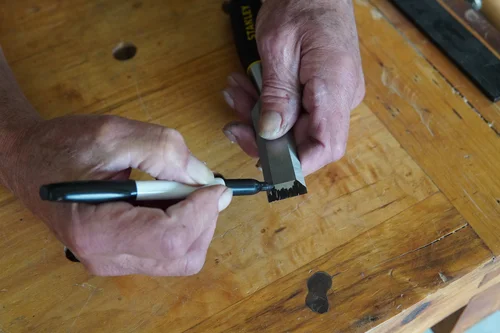
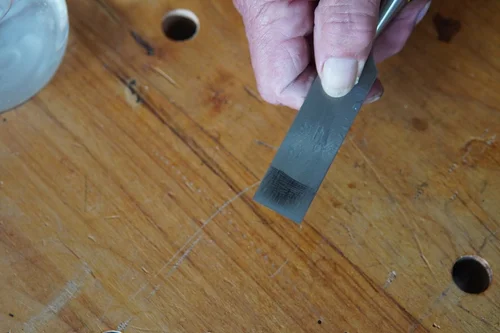
- Keep the sharpening angle consistent
Credit: www.anneofalltrades.com
Credit: www.anneofalltrades.com
Frequently Asked Questions
How Often Should Chisels Be Sharpened For Fine Woodworking?
Chisels should be sharpened whenever they feel dull or pull wood unevenly. Regular sharpening ensures clean cuts and precision in woodworking projects.
What Is The Best Sharpening Angle For Woodworking Chisels?
A 25 to 30-degree bevel angle is ideal for woodworking chisels. This angle balances sharpness with durability for fine, precise cuts.
Can I Sharpen Chisels Without Professional Tools?
Yes, you can sharpen chisels using whetstones or sharpening stones at home. Proper technique and patience are essential for effective sharpening.
How Do I Maintain A Consistent Bevel During Sharpening?
Use a honing guide to keep the bevel angle consistent. This tool helps maintain uniform sharpness and prolongs chisel life.
Conclusion
Sharpening chisels takes practice and patience. Use the right tools and follow steps carefully. A sharp chisel cuts wood cleanly and safely. Keep checking the edge often while sharpening. Clean and store your chisels properly after use. Regular sharpening saves time and improves your work.
Enjoy smoother cuts and better woodworking results. Practice makes your chisels stay sharp longer. Keep your tools ready for any project ahead.