Are your hand drills scattered around, making it hard to find the right one when you need it most? Imagine reaching for a drill and knowing exactly where it is, saving you time and frustration.
Organizing your hand drills efficiently isn’t just about tidying up your workspace; it’s about boosting your productivity and peace of mind. You might think organizing takes too much effort, but what if I told you it could be simple and even enjoyable?
Dive into this guide and discover how a few clever techniques can transform your workspace into a more functional, stress-free zone. Unlock the secrets to keeping your tools in perfect order and make your DIY projects smoother than ever. Ready to revolutionize your workshop? Let’s get started!

Credit: www.amazon.com
Choosing The Right Storage
Keeping hand drills organized saves time and keeps your workspace safe. Good storage protects your tools and makes them easy to find.
Select storage based on your space, usage, and drill types. Here are three effective options to consider.
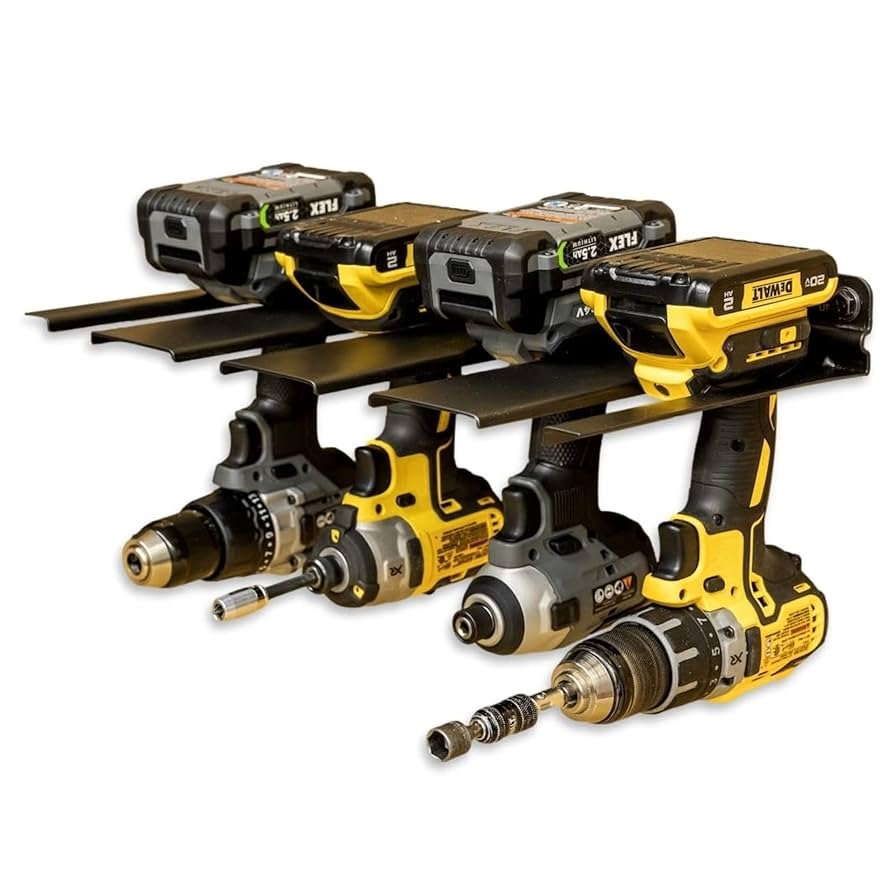
Wall-mounted Racks
Wall-mounted racks use vertical space and keep drills visible. They are easy to install and help keep your workbench clear.
- Save floor and drawer space
- Allow quick access to drills
- Keep tools off damp or dirty surfaces
- Can hold multiple drills and accessories
Portable Cases
Portable cases protect drills during transport and storage. They are ideal for people who move their tools often or work on different sites.
| Feature | Benefit |
| Hard shell | Protects from drops and bumps |
| Custom compartments | Prevents drill and accessory damage |
| Compact size | Easy to carry and store |
| Lockable | Secures your tools |
Drawer Inserts
Drawer inserts keep drills organized inside drawers. They stop drills from rolling and protect them from scratches.
Key benefits of drawer inserts:
- Custom fit for different drill sizes
- Soft lining to protect finish
- Separate sections for accessories
- Maximize drawer space

Credit: www.amazon.com
Maximizing Vertical Space
Hand drills can take up a lot of space if not stored well. Using vertical space helps keep your tools tidy and easy to reach.
Organizing hand drills vertically frees up workbench and drawer space. This method keeps your drills visible and ready to use.
Pegboards And Hooks
Pegboards are great for vertical storage. You can hang hand drills on hooks attached to the pegboard.
Hooks hold drills safely and keep them off surfaces. This setup is easy to customize and expand.
- Install a pegboard on an empty wall
- Use sturdy hooks to hold the drills
- Arrange drills by size or type for quick access
- Add labels to identify each drill spot
Magnetic Strips
Magnetic strips offer a simple way to hang hand drills vertically. They hold metal parts firmly and save space.
Mount the strip on a wall or under a shelf. This keeps drills within reach and off your workbench.
- Choose strong magnets to support drill weight
- Place strips at a height easy to reach
- Keep the drill handles facing outward for safety
- Combine multiple strips for more storage
Labeling And Categorizing
Organizing hand drills makes your workspace safer and more efficient. Clear labels and categories help you find the right drill fast.
Good labeling and sorting reduce clutter and protect your tools from damage. Keep your drills easy to identify and access.
Tool Identification
Label each drill with its brand, model, and power type. Use tags or stickers that are easy to read and resistant to wear.
- Write drill name and model on a durable label
- Include power source, such as corded or cordless
- Mark voltage or battery size if cordless
- Use color-coded tags for quick visual ID
Grouping By Size And Type
Sort your drills by size and function to keep similar tools together. This makes it easy to pick the right drill for each job.
| Size | Type | Example Tools |
| Small | Precision drills | Jewelry drill, micro drill |
| Medium | General-purpose drills | Cordless drill, corded drill |
| Large | Heavy-duty drills | Hammer drill, rotary hammer |
Maintaining Accessibility
Keeping hand drills easy to reach saves time and effort. Proper storage helps you work faster and safer.
This guide shows how to organize hand drills for quick access and smooth workflow.
Easy Reach Strategies
Place hand drills where you can grab them without stretching or moving much. Use wall mounts or pegboards near your workbench.
- Install hooks at eye level for easy spotting
- Use magnetic strips to hold metal drill parts
- Label each drill spot for fast identification
- Keep the area clear to avoid clutter
Frequent Use Placement
Store your most used hand drills in spots you visit often. This reduces the time spent searching and reaching.
| Drill Type | Suggested Location | Reason |
| Standard Hand Drill | Workbench Side Shelf | Easy to grab during projects |
| Electric Cordless Drill | Charging Station Near Workbench | Always ready to use |
| Precision Drill | Tool Cabinet Drawer | Protected and accessible |
| Specialty Drills | Wall Pegboard | Visible and organized |
Safety And Protection
Organizing hand drills safely helps prevent accidents and damage. Proper protection keeps tools in good condition.
Use covers and secure fastening methods to protect drills and users. These steps improve safety and tool longevity.
Protective Covers
Protective covers shield drill bits and bodies from dust and moisture. They also prevent accidental injuries from sharp parts.
- Use plastic or rubber covers for drill bits.
- Keep covers clean and intact to maintain protection.
- Replace damaged covers immediately to avoid exposure.
- Store drills with covers on when not in use.
Secure Fastening
Fastening drills securely prevents them from falling or moving. Proper fastening protects both the drills and people nearby.
| Fastening Method | Benefit |
| Wall-mounted racks | Keep drills visible and off surfaces |
| Magnetic holders | Hold drills firmly in place |
| Toolboxes with foam inserts | Prevent movement and damage inside boxes |
| Velcro straps | Secure drills during transport |
Regular Maintenance Tips
Keeping hand drills in good shape helps them last longer. Regular care prevents damage and keeps drills ready for use.
Simple maintenance tasks can improve performance. Follow easy steps to clean, inspect, and lubricate your hand drills.
Cleaning And Inspection
Clean your hand drill after each use to remove dust and debris. Check for worn parts or damage to avoid problems later.
- Use a soft brush to clear dust from the drill body.
- Wipe metal parts with a dry cloth to remove dirt.
- Inspect the drill bit for wear or dullness.
- Check handles and grips for cracks or looseness.
- Look over the chuck to ensure it tightens properly.
Lubrication Practices
Lubricate moving parts to reduce friction and wear. Use the right oils and apply them carefully to keep drills working smoothly.
| Part | Lubricant Type | Frequency |
| Chuck | Light machine oil | Monthly |
| Spindle | Grease | Every 3 months |
| Handle joints | Light machine oil | Monthly |
| Gear mechanism | Grease | Every 3 months |

Credit: www.reddit.com
Frequently Asked Questions
How Can I Store Hand Drills Safely?
Store hand drills in a sturdy toolbox or wall-mounted organizer. Use padded compartments to prevent damage and tangling of cords. Label each drill for easy identification and quick access. Proper storage extends tool life and maintains efficiency.
What Is The Best Way To Label Hand Drills?
Use clear, durable labels with drill type and size information. Apply labels on the drill body or storage compartment. This helps quickly identify the right drill, saving time and reducing errors during projects.
How Do I Maintain Hand Drills During Storage?
Clean drills after use to remove dust and debris. Lubricate moving parts periodically to prevent rust. Store in a dry, cool place to avoid moisture damage. Regular maintenance ensures drills remain efficient and last longer.
Can I Organize Hand Drills By Usage Frequency?
Yes, keep frequently used drills within easy reach. Store rarely used drills in less accessible spots. This organization improves workflow efficiency and reduces clutter in your workspace.
Conclusion
Organizing hand drills saves time and effort during projects. Keep drills clean and store them in one place. Use labels or cases to find tools quickly. Regular checks help keep drills in good shape. Simple habits make work smoother and safer.
Start small, and build your system step by step. A neat workspace feels less stressful and more productive. Your hand drills will always be ready when needed. Try these tips and enjoy easier tool management.