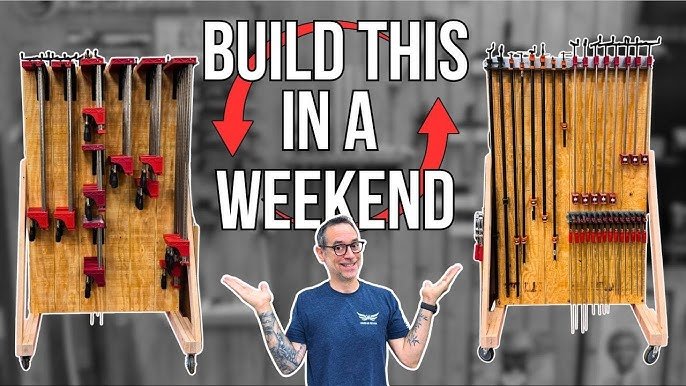
Are you tired of your workspace being cluttered with clamps scattered all over? Imagine walking into your garage or workshop and finding everything neatly organized, ready for you to start your next project without searching for that elusive tool.
Wall-mounted racks for clamps can be your ultimate solution. Not only do they save space, but they also keep your tools within arm’s reach, enhancing your productivity and ensuring a seamless workflow. In this guide, you’ll discover how to effectively use wall-mounted racks for clamps, transforming your workspace into a tidy and efficient haven.
Get ready to unlock the secrets of organization that will make your work easier and more enjoyable.

Credit: www.reddit.com
Benefits Of Wall-mounted Racks
Wall-mounted racks are a smart solution for storing clamps. They help keep your workspace neat and safe. Using these racks can improve how you work every day.
This guide explains three main benefits of wall-mounted racks for clamps. These benefits include saving space, better organization, and easy access.
Space Saving Advantages
Wall-mounted racks use vertical space on your walls. This keeps your workbench and floor clear. You can store many clamps in a small area.
- Frees up valuable workspace
- Reduces clutter on tables and floors
- Allows more tools to fit in your shop
- Makes cleaning easier and faster
Improved Organization
Clamps are easier to organize on wall-mounted racks. You can group clamps by size or type. This helps you find the right clamp quickly.
| Type of Clamp | Rack Section |
| C-Clamps | Top Left |
| Bar Clamps | Top Right |
| Spring Clamps | Bottom Left |
| Pipe Clamps | Bottom Right |
Easy Accessibility
Wall-mounted racks keep clamps at eye level. You do not need to bend or search for clamps. This saves time and effort during your projects.
Benefits of easy access include:
- Quick selection of clamps
- Less risk of dropping or damaging clamps
- Smoother workflow with fewer interruptions

Credit: www.reddit.com
Choosing The Right Rack
Wall-mounted racks help keep clamps organized and easy to reach. Picking the right rack makes your workspace safer and neater.
Consider important factors like material, size, and how you will mount the rack. These details affect how well the rack works for you.
Material And Durability
Choose racks made of strong materials. Metal racks last longer and hold heavy clamps well. Plastic racks are lighter but may break easily.
Look for racks with rust-resistant coatings. This helps if you work in a humid or dusty area. Durable racks save money by avoiding frequent replacements.
- Steel racks are strong and long-lasting
- Aluminum racks resist rust and are lightweight
- Plastic racks are cheaper but less durable
- Coated racks resist rust and scratches
Size And Capacity
Pick a rack size that fits your wall space and clamp collection. Too small racks can clutter your clamps. Too large racks may waste wall space.
Check the rack’s clamp capacity. It should hold all your clamps with room to grow. Count your clamps and plan for extra storage.
- Measure your wall space before buying
- Count clamps and add extra slots
- Choose racks with adjustable slots if possible
- Consider rack depth for clamp sizes
Mounting Options
Racks attach to walls in different ways. Choose mounting options that fit your wall type and clamp weight. Secure mounting keeps racks safe.
Look for racks with mounting hardware included. Some racks use screws, others use brackets. Use anchors for drywall to hold more weight.
- Screw mounts work well on wood studs
- Wall anchors add strength for drywall
- Bracket mounts allow easy rack removal
- Check rack weight limits before mounting
Preparing Your Workshop Wall
Wall-mounted racks help keep clamps organized and easy to reach. Before installing racks, prepare your workshop wall properly. This preparation ensures your racks hold clamps safely and last a long time.
Proper wall preparation makes your workspace neat and efficient. Follow simple steps to get your wall ready for mounting racks.
Selecting The Best Location
Choose a wall space that is easy to access while working. Pick a spot near your main work area to save time. Avoid places with heavy foot traffic to keep clamps safe.
Make sure the wall has enough height and width for your racks. Leave space below for larger clamps and above for smaller ones. Good lighting helps you see and grab clamps quickly.
Wall Inspection And Preparation
Check the wall for damage like cracks, holes, or loose paint. Repair any issues before installing racks. A solid wall holds racks better and prevents accidents.
Find studs behind the drywall using a stud finder. Mounting racks on studs gives strong support. Avoid mounting only on drywall or plaster to prevent racks from falling.
Tools Needed For Installation
Gather the right tools before you start. Having tools ready makes installation faster and easier.
- Stud finder to locate wall studs
- Drill with drill bits for pilot holes
- Screwdriver or power driver
- Level to keep racks straight
- Measuring tape for accurate placement
- Pencil for marking drill spots
- Wall anchors if studs are not available
Installation Steps
Wall-mounted racks help keep clamps organized and easy to reach. Installing them correctly makes your workspace safer and neater.
Follow these steps to install your wall-mounted rack firmly and safely.
Marking And Measuring
Start by choosing the right wall space for your rack. Use a tape measure to find the best height and width placement.
Mark the spots where the screws will go using a pencil. Make sure the marks are level and spaced according to the rack size.
- Measure the rack width and height
- Decide the rack height on the wall
- Use a level to keep marks straight
- Mark screw holes clearly
Securing The Rack
Drill holes at the marked points on the wall. Use wall anchors if you are not drilling into studs.
Attach the rack to the wall using screws. Tighten them well to keep the rack stable and strong.
- Drill holes at marked spots
- Insert wall anchors if needed
- Align rack with holes
- Screw the rack firmly to the wall
Safety Checks
Check that the rack is level and does not wobble. Make sure screws are tight and secure.
Test the rack by hanging a few clamps. The rack should hold the weight without moving or loosening.
- Verify rack is level
- Confirm screws are tight
- Hang clamps to test strength
- Fix any loose parts immediately
Organizing Clamps Efficiently
Wall-mounted racks help keep clamps neat and easy to find. They save space and make your workspace tidy.
Using racks correctly can speed up your work. You spend less time searching and more time working.
Grouping By Size And Type
Group clamps by size to find the right one quickly. Sort them by type to keep similar clamps together.
This method helps you grab the right clamp without checking each one. It also keeps your rack organized.
- Place small clamps on one side
- Keep large clamps in another section
- Separate C-clamps, bar clamps, and spring clamps
Using Hooks And Holders
Hooks and holders keep clamps off the floor and easy to access. They fit well on wall racks.
Choose sturdy hooks that hold the clamp weight. Use holders for clamps with odd shapes or handles.
- Install hooks at different heights for various sizes
- Use holders for spring clamps to keep them secure
- Make sure hooks are spaced to avoid crowding
Labeling For Quick Access
Labels help you find clamps faster. Use clear and simple labels on your rack or hooks.
Label by size, type, or project use. This reduces time spent searching and keeps things organized.
- Use waterproof labels for durability
- Place labels where you can see them easily
- Update labels if you change clamp arrangement
Maintenance Tips
Wall-mounted racks for clamps keep your workspace tidy. Proper care helps them last longer.
Regular maintenance ensures safety and easy access to your clamps. Follow these simple tips.
Regular Cleaning
Dust and dirt can build up on your rack and clamps. Clean them often to prevent rust and damage.
- Use a soft cloth to wipe the rack weekly
- Remove clamps and clean hard-to-reach areas
- Apply light oil on metal parts to stop rust
- Avoid harsh chemicals that can damage the rack finish
Checking For Wear And Damage
Check your racks and clamps for any signs of wear or damage. This keeps your tools safe to use.
| Check Area | What to Look For | Action Needed |
| Rack hooks | Loose or bent hooks | Tighten or replace hooks |
| Clamp holders | Cracks or splits | Replace damaged holders |
| Mounting screws | Rust or looseness | Tighten or change screws |
| Clamp surfaces | Wear on pads | Replace pads if worn out |
Rearranging For Optimization
Organize clamps on the rack for quick reach and space saving. Rearrange as your needs change.
- Group clamps by size or type
- Place often-used clamps at eye level
- Use labels to identify clamp positions
- Keep heavier clamps on lower hooks for safety
- Adjust spacing to prevent clamps from touching
Creative Rack Ideas
Wall-mounted racks help organize clamps and tools in small spaces. They keep your workspace tidy and easy to use.
Using racks creatively saves room and makes your tools more accessible. You can build racks to fit your needs.
Customizable Racks
Build racks that fit your clamp sizes and shapes. Use adjustable hooks or slots to hold different clamps securely.
Custom racks can grow with your tool collection. Add more sections or change layouts as needed.
- Use wood or metal strips with movable hooks
- Add pegboards for flexible storage
- Make sections for small and large clamps
Multi-tool Storage Solutions
Combine clamp racks with storage for other tools. This keeps your workspace cleaner and tools close.
Store items like wrenches, screwdrivers, and tape measures near clamps. Use shared racks or adjacent holders.
- Attach magnetic strips for metal tools
- Add small shelves for accessories
- Use hooks for hanging hand tools
Space Maximizing Hacks
Use vertical wall space fully by stacking racks. Place clamps in layers or rows to save room.
Use corners and narrow spots for small racks. Keep heavy clamps near strong wall studs for safety.
- Stack racks vertically to fit more clamps
- Install racks inside cabinet doors
- Use slim racks in tight spaces

Credit: www.reddit.com
Frequently Asked Questions
What Are The Benefits Of Wall-mounted Racks For Clamps?
Wall-mounted racks save workspace by organizing clamps vertically. They improve accessibility, reduce clutter, and protect clamps from damage. This setup enhances workshop efficiency and keeps clamps visible and ready for use.
How Do You Install A Wall-mounted Clamp Rack?
Choose a sturdy wall and use anchors or studs for support. Measure and mark mounting points evenly. Secure the rack with screws, ensuring it is level and stable for holding clamps safely.
What Types Of Clamps Work Best On Wall Racks?
Most clamps like bar, C-clamps, and spring clamps fit well on wall racks. Select racks with adjustable hooks or slots to accommodate various clamp sizes and shapes for optimal storage.
How Can Wall-mounted Racks Improve Workshop Organization?
Wall-mounted racks free up bench space, making the workshop tidier. Clamps stay organized and easy to find, speeding up project workflow and reducing time spent searching for tools.
Conclusion
Wall-mounted racks keep clamps neat and easy to find. They save space and help organize your workspace. Clamps stay protected and last longer when stored well. Using these racks makes your work faster and less stressful. Try installing one to keep your tools tidy and ready.
It’s a simple step that brings big benefits.