Ever found yourself rummaging through a cluttered toolbox, desperately searching for the right power drill? Imagine the frustration melting away as you open a neatly organized tool cabinet, where every drill is in its designated spot.
Sounds satisfying, right? Not only does a well-organized setup save you time, but it also ensures your safety. When power tools are stored haphazardly, accidents can happen. You deserve a workspace where efficiency meets safety, and this guide will show you how to achieve just that.
Let’s unlock the secrets to organizing your power drills safely, transforming chaos into calm and precision into your new normal. Dive in to discover how you can make your DIY projects smoother and safer than ever before.

Credit: www.amazon.ca
Choosing The Right Storage
Keeping power drills organized helps protect them and keeps your workspace tidy. Choosing the right storage option depends on your space and how often you use the drills.
Safety is a key factor. Proper storage prevents damage and reduces accidents.
Toolboxes And Cases
Toolboxes and cases are common choices for storing power drills. They protect tools from dust and impact. Cases often come with custom foam inserts to hold drills firmly.
- Keep drills secure and prevent scratches
- Easy to carry to different job sites
- Can store drill bits and accessories together
- Protect tools from moisture and dirt
Wall-mounted Racks
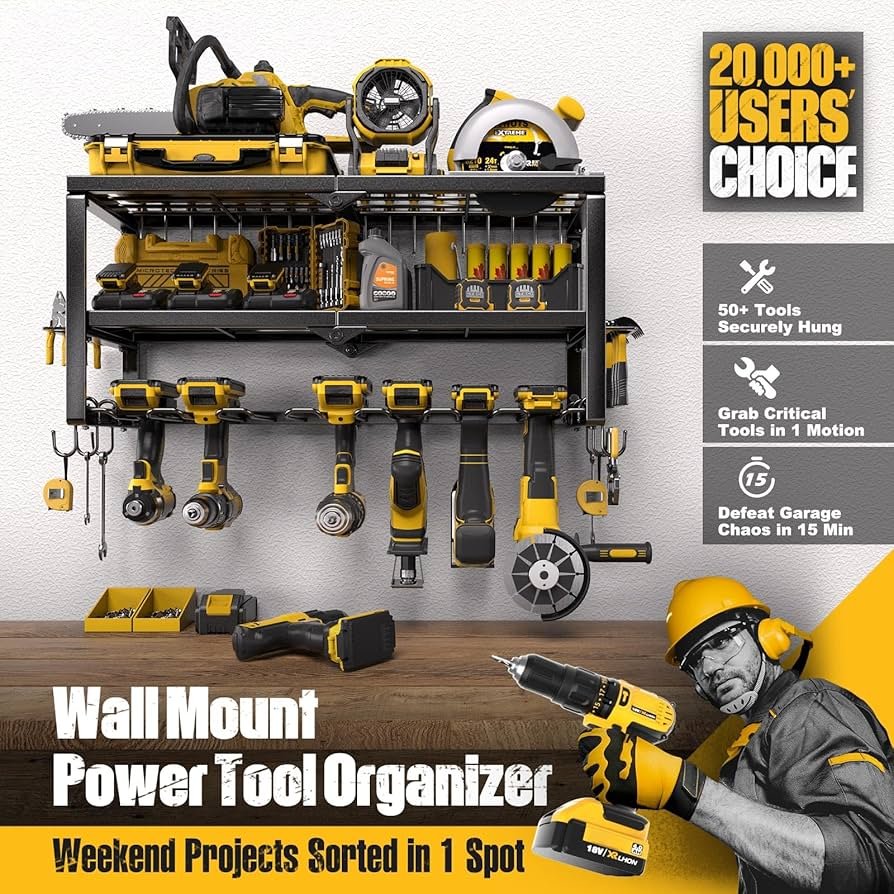
Wall-mounted racks save floor space and keep drills visible. They let you grab tools quickly without opening cases. Choose racks with secure hooks or holders to keep drills from falling.
| Rack Type | Best For | Safety Feature |
| Metal Hooks | Workshops with many tools | Strong grip to hold drills |
| Plastic Holders | Lightweight drills | Soft padding to avoid scratches |
| Magnetic Strips | Quick access tools | Strong magnets to prevent drops |
Portable Storage Solutions
Portable storage options are great for moving drills between sites. They include rolling carts and tool bags with compartments. These solutions keep drills safe and organized on the go.
- Choose bags with padded compartments
- Use carts with locking wheels for stability
- Keep drill batteries separate to avoid damage
- Label compartments to find tools easily
Preparing Drills For Storage
Storing power drills properly keeps them safe and ready for use. It helps the tools last longer and work well.
Follow simple steps before putting drills away. This guide covers cleaning, removing parts, and checking for damage.
Cleaning And Maintenance
Clean your drill after every use. Remove dust and dirt from the surface and vents. Use a dry cloth or soft brush.
- Wipe the drill with a dry or slightly damp cloth
- Use a small brush to clean air vents
- Remove stubborn dirt with a mild soap solution
- Dry the drill completely before storing
Removing Batteries And Accessories
Take out batteries to prevent leaks and damage. Remove drill bits and other accessories. Store them separately in a safe place.
| Item | Reason to Remove |
| Batteries | Prevent leaks and power loss |
| Drill bits | Protect sharp edges and avoid rust |
| Other accessories | Keep organized and avoid damage |
Inspecting For Damage
Check the drill for any cracks, broken parts, or loose screws. Fix small problems or take the drill to a professional for repairs.
- Look for cracks on the drill body
- Check the power cord or battery contacts
- Test the trigger and switches for smooth action
- Ensure drill bits hold tight in the chuck
Safe Placement Techniques
Keeping power drills safe means placing them carefully. Proper placement stops damage and accidents.
This guide covers easy ways to store drills safely. Follow these steps to protect your tools.
Avoiding Moisture And Dust
Moisture can rust power drills and dust can clog them. Keep drills dry and clean to last longer.
Store drills in a dry place with little dust. Use sealed containers or cases to protect them well.
- Choose a cool, dry storage area
- Use plastic or metal cases
- Clean drills before storing
- Cover drills if dust is high
Securing Cords And Attachments
Loose cords can cause trips or damage the drill. Attachments can get lost or broken if not stored well.
Wrap cords neatly and store attachments in labeled containers. This keeps your workspace safe and tidy.
- Wrap cords without tight bends
- Use Velcro straps or ties
- Keep attachments in small boxes
- Label boxes for easy finding
Organizing By Frequency Of Use
Place drills you use often in easy spots. Less-used drills can go in harder to reach places.
This saves time and keeps your area neat. Organize shelves or drawers by how often you need each drill.
- Keep daily-use drills at eye level
- Store occasional-use drills higher or lower
- Label areas for quick access
- Rotate drills if usage changes

Credit: www.amazon.ca
Labeling And Inventory Management
Organizing power drills safely helps prevent accidents and saves time. Clear labeling and keeping track of tools is key to good management.
This guide explains how to create labels, use inventory apps, and track tool use effectively.
Creating Clear Labels
Labels should be simple and easy to read. Use large fonts and bright colors to mark each drill clearly.
- Include the drill’s name or model number
- Write the purchase date or serial number
- Use waterproof labels for durability
- Place labels on visible and flat surfaces
- Update labels if the drill is repaired or replaced
Using Digital Inventory Apps
Digital apps help keep track of all power drills in one place. They reduce errors and improve organization.
| App Feature | Benefit |
| Barcode scanning | Quick tool identification |
| Check-in/check-out logs | Track who uses each drill |
| Maintenance reminders | Keep drills in good condition |
| Search function | Find tools fast |
Tracking Tool Usage
Tracking how often drills are used helps plan maintenance and replacement. Keep records updated for safety and cost control.
- Record the user’s name and date of use
- Note any damage or issues found
- Schedule regular inspections based on usage
- Archive old records for review
Safety Precautions
Power drills are useful tools that require careful storage. Keeping them organized helps prevent accidents and damage. Safety must be the top priority when storing power drills.
This guide explains key safety steps for storing power drills. Following these steps protects everyone in your home or workplace.
Childproofing Storage Areas
Children should never access power drills. Store drills in locked cabinets or high shelves. This keeps them out of reach and reduces risk of injury.
Use safety locks or childproof latches on storage areas. Make sure the space is clean and free of small parts that children could swallow.
- Keep drills in locked or secured storage
- Place storage areas out of children’s reach
- Use childproof locks on cabinets
- Remove small drill accessories from open areas
Proper Handling Practices
Always handle power drills with care. Check the drill for damage before use. Store cords neatly to avoid tripping hazards or damage.
Keep drills clean and dry. Avoid placing them where they can fall or get wet. Use cases or holders designed for power drills to keep them safe.
- Inspect drills for damage regularly
- Coil cords neatly without knots
- Store drills in cases or holders
- Keep drills dry and clean
Emergency Preparedness
Be ready for accidents involving power drills. Keep a first aid kit near your work area. Know how to turn off power quickly in case of emergency.
Teach everyone in the home or workplace basic safety steps. Have emergency numbers easily accessible. This readiness helps prevent serious injuries.
- Keep a first aid kit nearby
- Know how to switch off power sources
- Display emergency contact numbers clearly
- Train people on drill safety and emergency steps

Credit: www.amazon.ca
Maximizing Workspace Efficiency
Organizing power drills in your workspace saves time and keeps the area safe. A neat setup helps you find tools quickly and work smoothly.
Efficient storage also prevents accidents and damage to your drills. Use smart methods to keep drills ready and easy to reach.
Optimizing Drill Accessibility
Keep power drills where you can grab them fast. Place them near your main work area to avoid walking back and forth.
- Use wall-mounted racks or pegboards to hang drills.
- Store drills at eye level for quick spotting.
- Label each drill’s spot to return it easily.
- Keep batteries and chargers close to drills.
Combining Storage With Workstations
Build storage into your workbench for a tidy area. This way, drills and tools stay close while you work.
| Storage Type | Benefit | Best Use |
| Built-in Drawers | Hidden and secure | Small drills and bits |
| Side Shelves | Easy access | Frequently used drills |
| Under-Bench Cabinets | More storage space | Large or backup drills |
Utilizing Vertical Space
Use walls and tall cabinets to store drills safely. Vertical space keeps your floor clear and tools in order.
- Install tall shelves for drill cases and accessories.
- Use magnetic strips to hold metal drill parts.
- Hang cordless drills by their handles on hooks.
- Place charging stations on wall-mounted shelves.
Frequently Asked Questions
How Should I Store Power Drills Safely?
Store power drills in a dry, cool place to avoid damage. Use a sturdy case or wall-mounted rack. Ensure the drill is clean and unplugged before storing. Keep accessories organized separately to prevent loss or damage. Proper storage extends the tool’s life and maintains safety.
What Safety Tips Apply When Organizing Power Drills?
Always unplug drills before organizing or cleaning. Use protective gloves to avoid cuts from sharp parts. Keep drills away from children and pets. Store in a secure, designated area to prevent accidents. Label storage spaces for easy identification and quick access.
How Can I Prevent Power Drill Damage During Storage?
Remove the battery or unplug the drill before storage. Clean the drill to remove dust and debris. Store in a padded case or on a soft surface. Avoid stacking heavy objects on top. Regularly inspect drills for wear and tear to maintain safety.
What’s The Best Way To Organize Power Drill Accessories?
Use small containers or compartments for drill bits and attachments. Label each container clearly for quick identification. Store accessories near the drill for convenience. Keep sharp bits covered to prevent injury. Organizing accessories saves time and enhances safety during use.
Conclusion
Organizing power drills safely protects your tools and your space. Store drills in a dry, clean place to avoid damage. Keep cords untangled and away from walkways. Label storage spots to find drills quickly. Regularly check drills for wear and tear.
Safe storage helps prevent accidents and saves time. Simple steps make your work easier and safer. Stay organized, stay safe, and keep your drills ready to use.