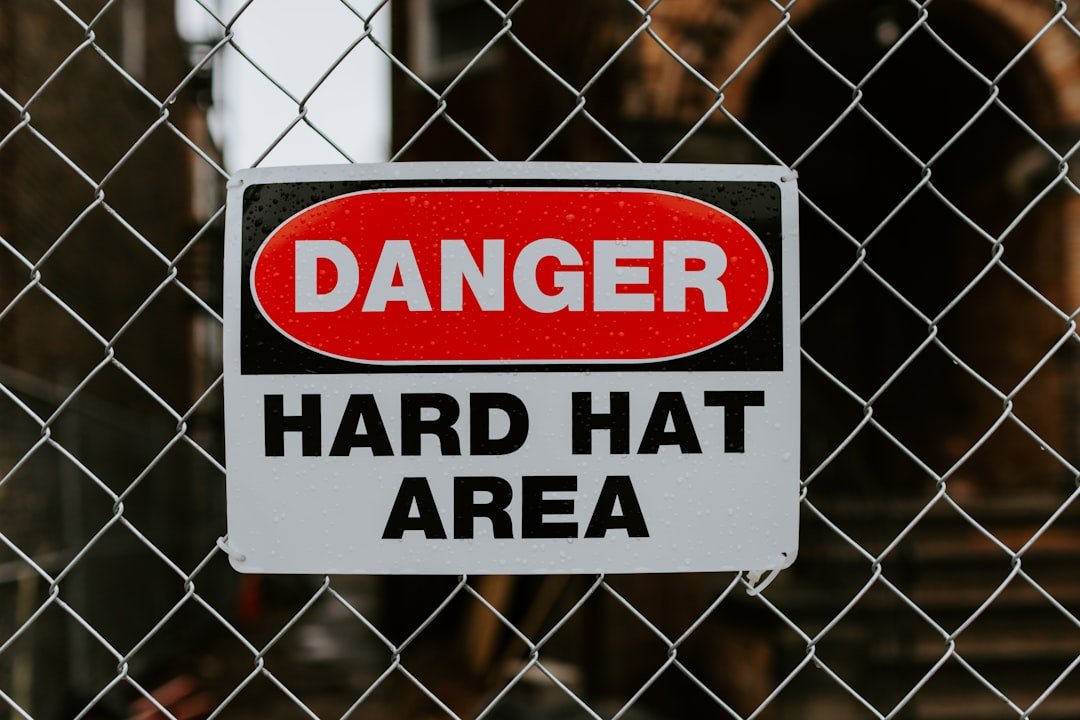
Imagine stepping onto a construction site, a bustling factory floor, or a rugged outdoor work environment. The first thing you grab is your hard hat.
It’s your shield, your protector, and often, your lifesaver. But how often do you think about maintaining this vital piece of safety gear? If you’re like most people, probably not enough. Your hard hat is more than just a piece of plastic; it’s a crucial investment in your safety.
Proper maintenance can make all the difference between a close call and a serious injury. This guide is designed to show you how to care for your hard hat so it can continue to care for you. Ready to ensure your safety gear is always up to the task? Let’s dive in.
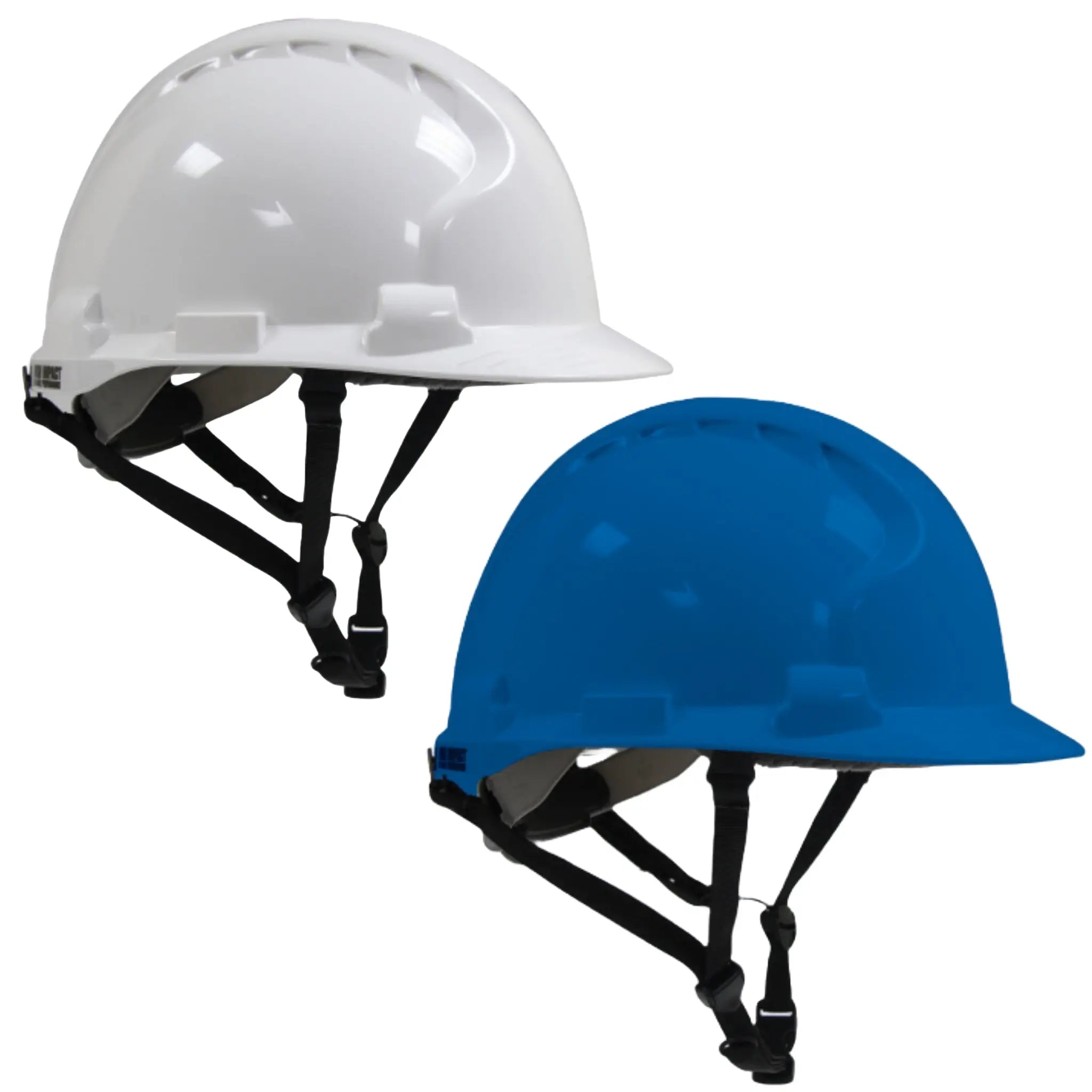
Credit: www.envirosafetyproducts.com
Choosing The Right Hard Hat
Choosing the right hard hat is important for safety at work. It protects your head from falling objects and other hazards.
Different jobs need different hard hats. You must know what type fits your work and comfort needs.
Types And Classes
Hard hats come in several types and classes. Each type suits a specific kind of protection need.
- Type I:Protects from impacts on the top of the head.
- Type II:Protects from impacts on the top and sides of the head.
- Class G (General):Provides impact protection and limited voltage protection up to 2,200 volts.
- Class E (Electrical):Offers the highest voltage protection up to 20,000 volts.
- Class C (Conductive):Protects from impact but offers no electrical protection.
Material Considerations
Hard hats are made of different materials. The material affects durability and weight.
| Material | Features | Best Use |
| High-Density Polyethylene (HDPE) | Lightweight and strong | General construction and manufacturing |
| Fiberglass | Very durable and heat resistant | High-heat environments |
| Thermoplastic | Flexible and resistant to chemicals | Chemical plants and areas with electrical hazards |
Proper Fit And Comfort
A hard hat must fit well to protect you properly. Comfort helps you wear it all day.
- Adjust the suspension system to fit your head snugly.
- Look for padding to reduce pressure points.
- Choose lighter materials for less fatigue.
- Check for ventilation if working in hot areas.
- Try on the hard hat before buying to ensure good fit.

Credit: www.envirosafetyproducts.com
Daily Inspection Tips
Hard hats protect your head from injuries. Checking them every day keeps you safe. A quick inspection finds problems early.
Follow these tips to keep your hard hat in good shape. Look for cracks, check the suspension, and clean it right.
Checking For Cracks And Damage
Look carefully at the shell of your hard hat. Cracks or dents can reduce its strength. Check the surface for any signs of wear or damage.
- Hold the hard hat up to light to see hairline cracks.
- Check for dents or deep scratches.
- Look for discoloration, which can mean material breakdown.
- Replace the hard hat if you find any damage.
Inspecting Suspension Systems
The suspension system holds the hard hat on your head and absorbs impact. Check it daily for damage or wear. Make sure all parts are in place and work well.
| Suspension Part | What to Check | Action if Damaged |
|---|---|---|
| Straps | Look for tears or fraying | Replace immediately |
| Adjusters | Ensure they tighten and loosen properly | Fix or replace if stuck |
| Headband | Check for cracks or breaks | Swap out if broken |
Cleaning Procedures
Keep your hard hat clean to avoid damage from dirt and chemicals. Use mild soap and water. Avoid harsh cleaners that can weaken the material.
Follow this cleaning routine:
- Remove the suspension system from the shell.
- Wash the shell with mild soap and warm water.
- Rinse thoroughly and dry with a soft cloth.
- Clean the suspension with soap and water, then air dry.
- Reinstall the suspension once all parts are dry.
Cleaning And Storage
Hard hats protect workers from injuries. Keeping them clean and stored well helps them last longer.
Proper care ensures the hard hat stays strong and safe. This guide covers cleaning and storage tips.
Safe Cleaning Methods
Use mild soap and warm water to clean your hard hat. Gently wipe it with a soft cloth or sponge.
Do not scrub hard or use rough tools. Rinse well and dry it with a clean towel or air dry.
- Mix mild soap with warm water
- Use a soft cloth or sponge
- Rinse thoroughly with clean water
- Dry with a towel or air dry
Avoiding Harmful Chemicals
Do not use solvents, paint, or strong cleaners on hard hats. These can weaken the shell and cause damage.
Keep away from bleach, gasoline, and oil. These chemicals reduce the hard hat’s protection ability.
- Avoid solvents and paint
- Do not use bleach or gasoline
- Stay clear of oil and harsh cleaners
- Use only recommended cleaning products
Storing To Prevent Damage
Store hard hats in a cool, dry place away from sunlight. Heat and UV rays can weaken the material.
Keep hard hats off the floor and away from heavy objects. Avoid stacking hard hats on top of each other.
- Store in a cool, dry area
- Keep away from direct sunlight
- Do not place on the floor
- Avoid stacking or heavy pressure
Replacement Guidelines
Hard hats protect workers from head injuries on job sites. Knowing when to replace them keeps safety strong.
This guide covers clear signs for replacement, what manufacturers say, and rules after impacts.
Signs It’s Time To Replace
Look for cracks, dents, or deep scratches on your hard hat. These can weaken its strength.
- Visible damage or deformation
- Faded or brittle shell
- Worn or torn suspension system
- Any chemical exposure that changes color or texture
- Hard hat older than five years
Manufacturer Recommendations
Manufacturers set rules to keep hard hats safe. These rules help decide when to replace them.
| Condition | Recommendation |
| Normal wear | Replace every 5 years |
| Suspension system wear | Replace suspension every 12 months |
| Chemical exposure | Inspect and replace if damaged |
| Impact damage | Replace immediately |
After Impact Protocols
After any hard hat impact, follow these steps to keep safe.
- Remove the hard hat from use immediately.
- Inspect for visible cracks or dents.
- Do not try to repair the hard hat yourself.
- Replace with a new hard hat before returning to work.
- Report the incident to your supervisor or safety officer.
Extending Hard Hat Lifespan
Hard hats protect workers from head injuries. Keeping them in good shape helps them last longer.
Proper care and use prevent damage and keep hard hats safe to wear.
Routine Maintenance Practices
Check your hard hat often for cracks, dents, or wear. Clean it with mild soap and water.
Store hard hats in a cool, dry place away from sunlight and chemicals.
- Inspect shell and suspension system regularly
- Replace parts that show damage or wear
- Wash with soft cloth and gentle cleaner
- Keep away from heat and harsh chemicals
- Store in a protective container or shelf
Avoiding Common Mistakes
Do not paint your hard hat or add stickers that may hide damage. Avoid dropping or throwing it.
Never use a hard hat past its recommended lifespan. Replace it after a hard impact even if no damage shows.
- Do not paint or apply chemicals on the shell
- Avoid stickers that cover cracks or marks
- Do not drop or throw your hard hat
- Replace after any heavy impact
- Follow manufacturer’s replacement schedule
Using Accessories Safely
Use only accessories approved for your hard hat model. Check that attachments fit well and do not weaken protection.
Remove accessories before cleaning or storing the hard hat to avoid damage.
- Choose accessories made for your hard hat brand
- Ensure all attachments fit securely and safely
- Do not modify hard hats to add accessories
- Remove accessories before cleaning or storage
- Inspect accessories for wear and replace if needed

Credit: www.envirosafetyproducts.com
Safety Standards And Compliance
Maintaining hard hats is important for worker safety. Following safety standards helps prevent injuries.
Compliance with rules ensures hard hats protect as they should. Regular checks keep them safe to use.
Relevant Regulations
Hard hats must meet rules set by safety organizations. These rules guide design, materials, and testing.
OSHA and ANSI set key regulations for hard hat safety. Employers must follow these to protect workers.
- OSHA requires hard hats in many workplaces
- ANSI standard Z89.1 defines performance criteria
- Regular inspection and replacement is part of rules
Certification Labels
Hard hats have labels showing they meet safety standards. Check these labels to confirm proper certification.
Labels include information about the standard met and testing date. They help verify the hat’s safety level.
- Look for ANSI Z89.1 certification label
- Check manufacturing and expiration dates
- Ensure labels are clear and not damaged
Keeping Up With Updates
Safety rules for hard hats can change over time. Stay informed about new regulations to stay compliant.
Regular training and checking official sources help keep your knowledge current. Update hard hats if rules change.
- Review safety standards yearly
- Attend safety training sessions
- Replace hard hats after rule updates
Frequently Asked Questions
How Often Should I Inspect My Hard Hat?
Inspect your hard hat before each use for cracks, dents, or wear. Replace it if damaged or after impact. Regular checks ensure maximum protection and safety compliance.
Can I Clean My Hard Hat With Any Cleaner?
Use mild soap and warm water to clean your hard hat. Avoid harsh chemicals, solvents, or abrasive cleaners as they weaken the shell and reduce safety.
When Should I Replace My Hard Hat?
Replace your hard hat every 5 years or immediately after a significant impact. Follow manufacturer guidelines and consider environmental factors like sun exposure which degrade materials.
How Do I Store My Hard Hat Properly?
Store your hard hat in a cool, dry place away from direct sunlight and chemicals. Proper storage maintains its shape and protective properties longer.
Conclusion
Maintaining hard hats keeps workers safe every day. Check for cracks, dents, or wear regularly. Clean hats with mild soap and water only. Replace any hard hat after a strong impact. Store hats in a cool, dry place away from sun.
Follow these steps to extend hard hat life. Safety starts with proper hard hat care. Stay protected, stay alert, and work smart.