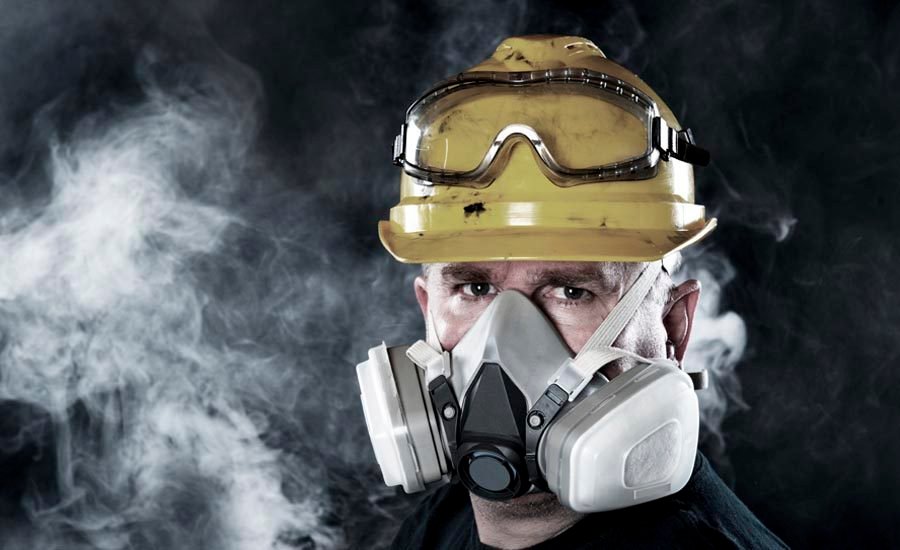
Imagine working in an environment where chemicals pose a threat to your safety. You want to ensure you’re fully protected, right?
That’s where full-face respirators come into play. These powerful tools are your best allies, offering you the protection you need while handling hazardous substances. But how do you choose the right one, and are you using it correctly? In this guide, you’ll discover everything you need to know about full-face respirators, from selecting the perfect fit to maintaining it for long-term use.
Dive in to ensure your safety and peace of mind every time you handle chemicals.

Credit: parcilsafety.com
Choosing The Right Respirator
Using a full-face respirator is important for protecting yourself from harmful chemicals. Picking the right one can keep you safe during chemical handling tasks.
There are different types and features to consider. Knowing these helps you choose the best respirator for your needs.
Types Of Full-face Respirators
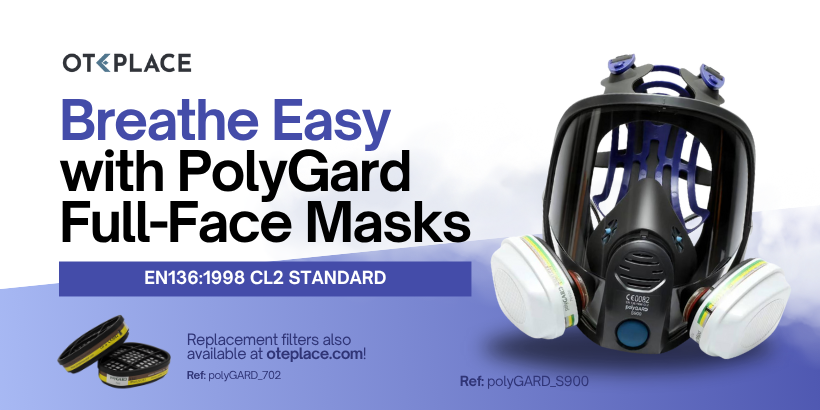
Full-face respirators cover your entire face and protect your eyes, nose, and mouth. They come in several types based on their design and use.
- Reusable respirators with replaceable filters
- Powered air-purifying respirators (PAPRs) that use a fan
- Supplied-air respirators that provide clean air from a tank
Choose a type based on your work environment and the chemicals you handle.
Selecting Filters And Cartridges
Filters and cartridges block harmful chemicals from reaching your lungs. Each type works for specific hazards.
- Organic vapor cartridges protect against solvents and paints
- Acid gas cartridges filter out acidic chemicals
- Particulate filters block dust, fumes, and mist
- Combination cartridges handle multiple hazards
Check the chemical safety data sheets to pick the correct filter or cartridge.
Fit Testing Importance
Fit testing ensures the respirator seals well on your face. A good seal stops chemicals from leaking inside.
Without fit testing, protection is not guaranteed. Different face shapes need different sizes and models.
- Perform fit tests before first use
- Repeat tests annually or after changes
- Use qualitative or quantitative fit test methods
Proper Respirator Fit
Wearing a full-face respirator correctly is key for safety during chemical handling.
A good fit stops harmful chemicals from entering the mask and reaching your lungs.
Adjusting Straps Correctly
Straps keep the respirator tight on your face. Adjust them evenly to avoid gaps.
- Loosen all straps before putting the mask on.
- Place the mask over your face and pull the straps gently.
- Tighten each strap until the mask feels snug but not painful.
- Do not over-tighten; it can cause discomfort and leaks.
- Check that the straps lie flat and are not twisted.
Seal Checks Before Use
Perform seal checks every time you wear the respirator to ensure no leaks.
- Cover the filter or cartridge with your hand.
- Inhale gently and hold your breath for 10 seconds.
- If the mask pulls in and no air leaks, the seal is good.
- For exhalation checks, cover the exhalation valve and exhale slowly.
- If air leaks, adjust the straps or reposition the mask and repeat.
Common Fit Issues
| Issue | Cause | Solution |
|---|---|---|
| Air leaks around nose | Straps too loose or mask not centered | Tighten straps and adjust mask position |
| Straps feel too tight | Over-tightening | Loosen straps slightly for comfort |
| Mask fogs up inside | Poor seal or damaged valve | Check seal and replace valve if needed |
| Mask slides down face | Incorrect strap adjustment | Tighten straps evenly and check fit |
| Skin irritation | Dirty mask or improper cleaning | Clean mask regularly and check skin |
Safe Usage Practices
Full-face respirators protect workers from harmful chemicals. Using them safely reduces health risks. Proper handling ensures the mask works well every time.
This guide covers key steps for safe use. Follow these rules to stay safe while handling chemicals.
Donning And Doffing Steps
Putting on and taking off full-face respirators properly prevents exposure. Clean hands and a good fit are essential. Check the mask for damage before use.
- Wash your hands with soap and water.
- Inspect the respirator for cracks or dirt.
- Place the mask over your face and secure straps.
- Adjust the straps to fit snugly without gaps.
- Perform a seal check by covering the filter and breathing in.
- To remove, wash hands first.
- Loosen straps and lift the mask away from your face.
- Clean the respirator after each use and store in a safe place.
Working In Hazardous Environments
Wear full-face respirators in areas with chemical vapors or dust. Always follow workplace safety rules. Stay alert to changes in your environment.
| Hazard | Respirator Use | Precautions |
| Toxic Gas | Use air-purifying full-face respirator | Check filter type before entering |
| Chemical Dust | Wear particulate filters | Replace filters regularly |
| Low Oxygen | Use supplied-air respirator | Do not use air-purifying masks |
Avoiding Cross Contamination
Cross contamination can spread hazardous chemicals. Keep your respirator clean and separate from other equipment. Use these tips to avoid risks.
- Always clean the respirator after use with approved disinfectants.
- Store the respirator in a clean, dry container.
- Do not share respirators with other workers.
- Use gloves when handling the mask to keep it clean.
- Replace filters regularly and dispose of used ones safely.
Credit: www.oteplace.com
Maintenance And Cleaning
Proper maintenance and cleaning keep full-face respirators safe to use. Clean masks prevent damage and protect your health.
Regular care helps the respirator last longer and work well every time you wear it.
Daily Cleaning Routine
Clean your respirator after each use to remove dirt and chemicals. Use warm water and mild soap for cleaning.
Rinse the mask well and dry it with a clean cloth or air dry. Avoid using harsh chemicals that can damage the mask.
- Remove filters before cleaning
- Wash facepiece with mild soap and warm water
- Rinse thoroughly to remove all soap
- Dry with a clean cloth or air dry
- Check for damage or wear before storage
Filter Replacement Schedule
Replace filters based on manufacturer instructions or when breathing becomes hard. Filters lose effectiveness over time.
Keep a log of filter changes to track usage. Using old filters can expose you to harmful chemicals.
- Check filters before each use
- Replace filters if damaged or dirty
- Change filters after set hours of use
- Store spare filters in a dry, sealed container
- Follow specific guidelines for chemical type
Storage Tips
Store your respirator in a clean, dry place away from sunlight. Proper storage stops damage and keeps parts ready to use.
Avoid placing heavy objects on the mask or storing near chemicals that may harm it.
- Keep respirator in a sealed container or bag
- Store at room temperature, away from heat
- Do not bend or crush the facepiece
- Keep filters separate until ready to use
- Inspect before storage for any needed repairs
Recognizing And Handling Problems
Full-face respirators protect you from harmful chemicals. You must watch for problems early. Acting fast keeps you safe.
This guide covers signs of failure, what to do in emergencies, and when to get help.
Signs Of Respirator Failure
Check your respirator often. Look for these signs that it may not work right:
- Difficulty breathing or feeling short of air
- Strange smells or tastes inside the mask
- Fogging of the face shield or lenses
- Damaged straps or face seal leaks
- Cracks, tears, or worn-out parts
- Unusual noises when you breathe
Emergency Procedures
Follow these steps if your respirator fails during chemical handling:
- Stop work immediately and move to fresh air.
- Remove the respirator carefully to avoid contact with chemicals.
- Check yourself for signs of chemical exposure.
- Notify a supervisor or safety officer right away.
- Get medical help if you feel unwell.
- Do not return to the work area until the problem is fixed.
When To Seek Professional Help
Some respirator problems need expert help. Use this table to know when to call a professional.
| Problem | When to Seek Help |
|---|---|
| Repeated face seal leaks | After adjusting straps fails twice |
| Cracks or damage to mask body | Immediately upon discovery |
| Malfunctioning valves or filters | If cleaning does not fix the issue |
| Persistent fogging inside the shield | If wiping or anti-fog treatments fail |
| Breathing difficulty despite clean filters | At first sign of trouble |
Credit: herolifecare.com
Frequently Asked Questions
What Is A Full-face Respirator Used For?
A full-face respirator protects the eyes, nose, and mouth from harmful chemicals. It filters out toxic gases, vapors, and particles. This gear is essential in chemical handling to prevent inhalation of hazardous substances. It ensures safety in environments with dangerous airborne contaminants.
How To Properly Fit A Full-face Respirator?
To fit a full-face respirator, adjust the straps evenly around your head. Perform a seal check by covering the filter and breathing in. If the mask collapses slightly, the fit is secure. Proper fitting prevents leaks and ensures maximum protection during chemical handling.
When Should Full-face Respirators Be Replaced?
Replace full-face respirators when filters become damaged or clogged. Also, replace if the mask shows cracks, tears, or degraded parts. Follow manufacturer guidelines for filter lifespan and storage conditions. Timely replacement maintains effective protection against chemical exposure risks.
Can Full-face Respirators Protect Against All Chemicals?
Full-face respirators protect against many chemicals but not all. Choose the correct filter cartridge for specific chemical hazards. Some gases require specialized filters or additional equipment. Always verify compatibility between the respirator and the chemicals handled for safe use.
Conclusion
Using full-face respirators correctly keeps you safe during chemical handling. Always check the fit and seal before starting work. Replace filters as needed to avoid breathing harmful substances. Clean your respirator regularly to keep it in good shape. Remember, protecting your lungs protects your health.
Stay alert and follow all safety steps every time. Safety first—your well-being depends on it.