Are your woodworking projects not turning out as smooth as you’d like? The culprit might just be dull planer blades.
Sharpening your planer blades can be the game-changer you need to achieve that flawless finish. But where do you start? In this guide, you’ll discover easy, step-by-step techniques to bring your blades back to life. Imagine the satisfaction of gliding your wood through your planer with zero resistance and seeing perfect results every time.
You deserve the best performance from your tools, and it starts with sharp blades. Ready to transform your woodworking experience? Let’s dive in and uncover the secrets to mastering the art of sharpening planer blades.

Credit: www.amazon.com
Choosing The Right Tools
Sharpening planer blades needs the right tools. Using proper tools helps keep the blades sharp and safe. This guide explains how to pick tools for sharpening.
Learn about different sharpening tools and how to select the best abrasives. These choices affect the quality and speed of sharpening.
Types Of Sharpening Tools
Several tools help sharpen planer blades. Each tool works differently and suits different skill levels and budgets.
- Whetstones:Traditional stones that sharpen blades by grinding. They come in coarse and fine grit.
- Diamond Plates:Hard plates with diamond grit. They sharpen fast and last long.
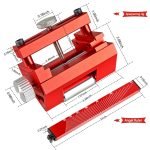
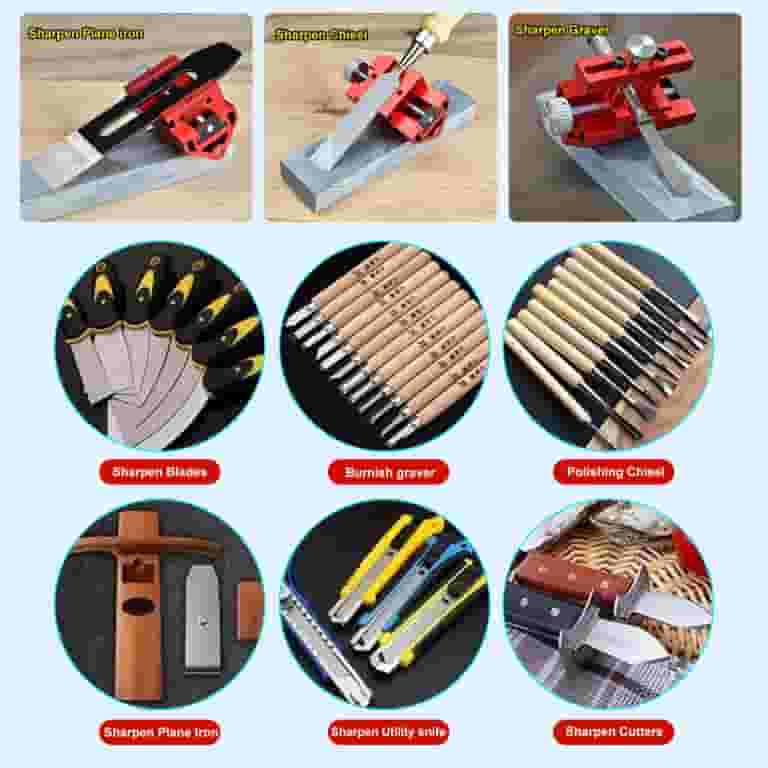
- Sharpening Systems:Kits with guides to hold blades at the correct angle.
- Electric Sharpeners:Machines that quickly sharpen blades with rotating wheels.
- Leather Strops:Used to polish and remove burrs after sharpening.
Selecting The Best Abrasives
Abrasives remove metal from blades to sharpen edges. Choosing the right abrasive grit is key for good results.
| Abrasive Type | Grit Size | Use |
|---|---|---|
| Coarse | 100 – 400 | Fix dull or damaged blades |
| Medium | 800 – 1500 | Regular sharpening |
| Fine | 2000 – 8000 | Polishing and finishing edges |
Preparing Planer Blades
Preparing planer blades correctly is essential for safe and effective sharpening. This process starts with careful removal and proper cleaning of the blades.
Taking time to prepare blades well ensures better results and extends the life of your planer blades.
Removing Blades Safely
Always disconnect the planer from power before removing blades. This prevents accidental starts and serious injury.
- Wear protective gloves to avoid cuts.
- Use the correct tools to loosen blade screws or bolts.
- Keep track of all small parts like screws and washers.
- Handle blades carefully and place them on a safe surface.
- Do not force blades if they are stuck; check for hidden fasteners.
Cleaning Blades Before Sharpening
Cleaning blades removes pitch, dirt, and rust that affect sharpening quality. Use the right cleaning method for your blade type.
| Cleaning Method | Materials Needed | Tips |
|---|---|---|
| Soaking | Warm water, mild detergent | Soak blades for 10-15 minutes to soften debris |
| Scrubbing | Soft brush, cloth | Gently scrub to remove residue without scratching |
| Rust Removal | Fine steel wool, rust remover | Lightly rub rust spots; avoid heavy abrasion |
| Drying | Clean cloth, compressed air | Dry blades thoroughly to prevent new rust |
Sharpening Techniques
Planer blades need sharp edges to work well. Dull blades cause rough cuts and slow work. Sharpening keeps blades safe and effective.
There are different ways to sharpen blades. Each method helps keep the blade edge strong and ready to cut wood smoothly.
Using A Bench Grinder
A bench grinder spins fast to grind the blade edge. It removes metal quickly to form a sharp edge. Use steady hands to avoid overheating the blade.
- Secure the blade firmly before grinding.
- Move the blade slowly across the wheel.
- Keep the blade cool by dipping it in water often.
- Check the edge after each pass for even sharpening.
Hand Sharpening With Stones
Hand sharpening uses sharpening stones to smooth and shape the blade edge. It is slower but gives good control. Use water or oil on stones to reduce friction.
| Stone Type | Purpose | Grit Level |
| Coarse | Remove chips or nicks | 100-300 |
| Medium | Sharpen edge | 400-1000 |
| Fine | Polish and refine edge | 1200+ |
Maintaining The Correct Angle
The blade angle affects cutting quality. Keep the correct angle during sharpening to avoid dull edges. Most planer blades need about 25 to 30 degrees.
Tips for keeping the angle:
- Use an angle guide or jig if possible.
- Watch the bevel edge closely while sharpening.
- Practice steady, even strokes on the stone or grinder.
- Check the angle often with a protractor or angle finder.
Finishing Touches
After sharpening planer blades, the final steps ensure the blades work well. These touches improve cutting quality and blade life.
Paying attention to small details helps you get smooth, clean cuts every time. Two key finishing steps are honing and balancing.
Honing For A Smooth Edge
Honing removes tiny burrs left after sharpening. It makes the blade edge very smooth and sharp.
Use a fine honing stone or leather strop. Draw the blade across the surface at the same angle as sharpening. Repeat several times for best results.
- Use light pressure during honing
- Keep the blade angle consistent
- Hone both sides evenly
- Check for a polished, burr-free edge
Balancing The Blades
Balanced blades reduce vibration during planing. This makes the machine safer and the cuts smoother.
Check blade balance by placing it on a flat edge. If one side is heavier, remove a small amount of metal from that side. Repeat until balanced.
- Use a flat surface or blade balancer tool
- Remove metal carefully and evenly
- Test balance after each adjustment
- Proper balance extends blade life
Reinstalling Blades
Reinstalling planer blades correctly is key to safe and effective woodworking. Proper blade fit ensures smooth cuts and prevents damage to the tool.
Follow clear steps to align and secure blades before using your planer again.
Proper Alignment
Align the blades so their cutting edges are even with the planer’s drum. Misaligned blades cause uneven cuts and can damage wood.
- Loosen the blade screws slightly to adjust blade position.
- Use a straight edge or alignment tool to check blade edges.
- Adjust each blade until it sits perfectly flush with the drum.
- Double-check alignment before tightening screws fully.
Securing Blades Firmly
Firmly securing blades prevents them from moving during operation. Loose blades can cause accidents or blade damage.
| Tool | Purpose |
|---|---|
| Torque wrench | Ensures screws are tightened to the correct force. |
| Hex key or screwdriver | Used to tighten blade screws. |
| Thread locker | Optional; prevents screws from loosening over time. |

Credit: www.walmart.com
Maintenance Tips
Keeping your planer blades sharp is key for smooth woodworking. Regular maintenance helps your blades last longer and work better.
Follow simple tips to inspect and protect your blades. Proper care reduces damage and keeps your tools ready to use.
Regular Inspection
Check your planer blades often for signs of dullness or damage. Look for chips, cracks, or uneven edges.
- Remove blades carefully to avoid injury.
- Use a magnifying glass to spot small cracks.
- Test blade sharpness by lightly touching the edge.
- Clean blades from resin or wood dust after use.
- Replace blades if damage is severe or sharpening is ineffective.
Preventing Blade Damage
Protect your planer blades from damage by following safe handling and storage steps.
| Action | Reason |
| Store blades in a dry case | Prevents rust and corrosion |
| Avoid cutting nails or hard objects | Prevents chipping and edge damage |
| Use push sticks when feeding wood | Keeps hands safe and blades steady |
| Clean blades after each use | Removes buildup that dulls edges |
| Sharpen blades regularly | Maintains cutting performance |
Credit: www.walmart.com
Frequently Asked Questions
How Often Should I Sharpen Planer Blades?
Sharpen planer blades when you notice rough cuts or tear-outs. Typically, sharpen after every 8-10 hours of use. Regular sharpening ensures smooth, clean surfaces and prolongs blade life. Frequent maintenance avoids damage to your wood and improves planer efficiency.
What Tools Are Needed To Sharpen Planer Blades?
You need a sharpening stone or diamond plate, honing guide, and safety gloves. A bench grinder can also be used for faster sharpening. Proper tools help maintain the blade’s sharpness and angle, ensuring optimal cutting performance and safety.
Can I Sharpen Planer Blades At Home?
Yes, sharpening planer blades at home is possible with basic tools and skills. Follow safety guidelines, maintain correct angles, and use proper sharpening stones. Regular home sharpening saves money and keeps your blades in top condition.
How Do I Know When Planer Blades Need Sharpening?
Blades need sharpening when you see tear-outs, rough surfaces, or hear unusual sounds. Dull blades reduce cutting efficiency and increase motor strain. Regular inspection helps maintain wood quality and extends your planer’s lifespan.
Conclusion
Sharpening planer blades keeps your tools working well and safe. Regular care helps you cut wood smoothly and cleanly every time. Follow the steps to sharpen blades with ease and confidence. Dull blades cause rough cuts and can harm your machine.
Stay patient and take your time during sharpening. A sharp blade makes your woodworking projects better and more enjoyable. Keep your blades sharp to save money and avoid frustration. Simple care brings long-lasting results and better work quality.