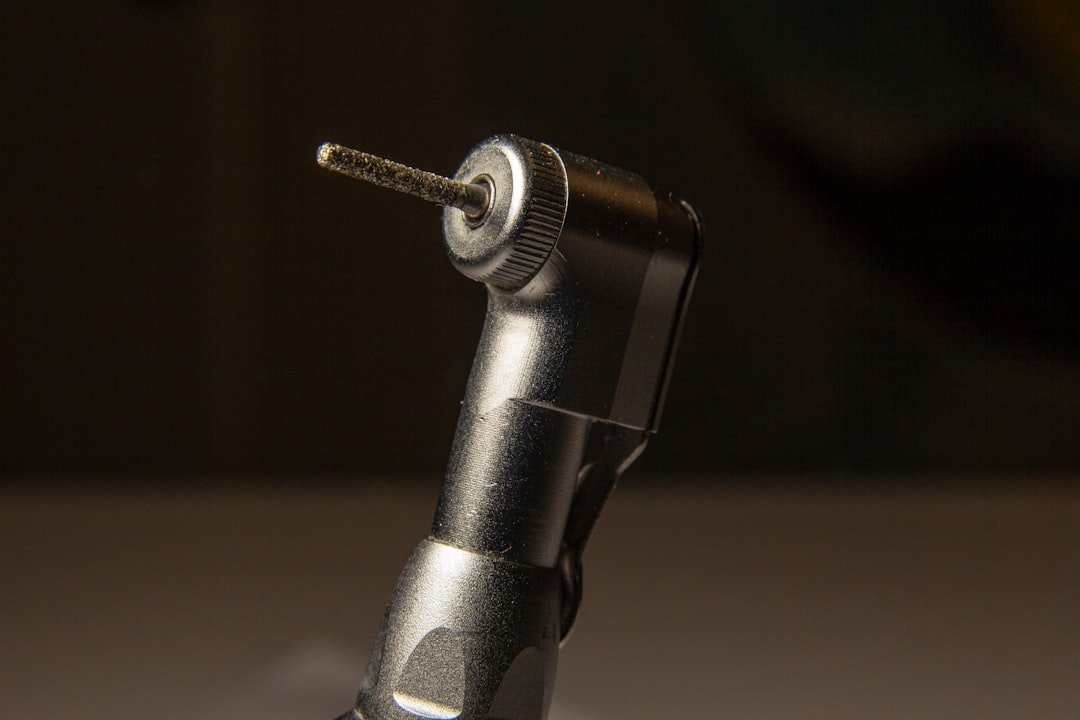
Imagine transforming dull and lifeless surfaces into stunning works of art with just a few simple tools. If you’re looking to elevate your DIY projects or give your home a fresh, polished look, mastering the angle grinder could be your new secret weapon.
This versatile tool, often seen as just a metal cutter, holds the potential to unlock a world of creativity and precision when it comes to polishing surfaces. Are you ready to discover the insider tips that will help you achieve professional-grade finishes with ease?
Stick around, because we’re about to reveal how you can harness the power of an angle grinder to breathe new life into your surfaces. Whether you’re a seasoned pro or a curious beginner, these tips will transform the way you approach your next project.
Choosing The Right Angle Grinder
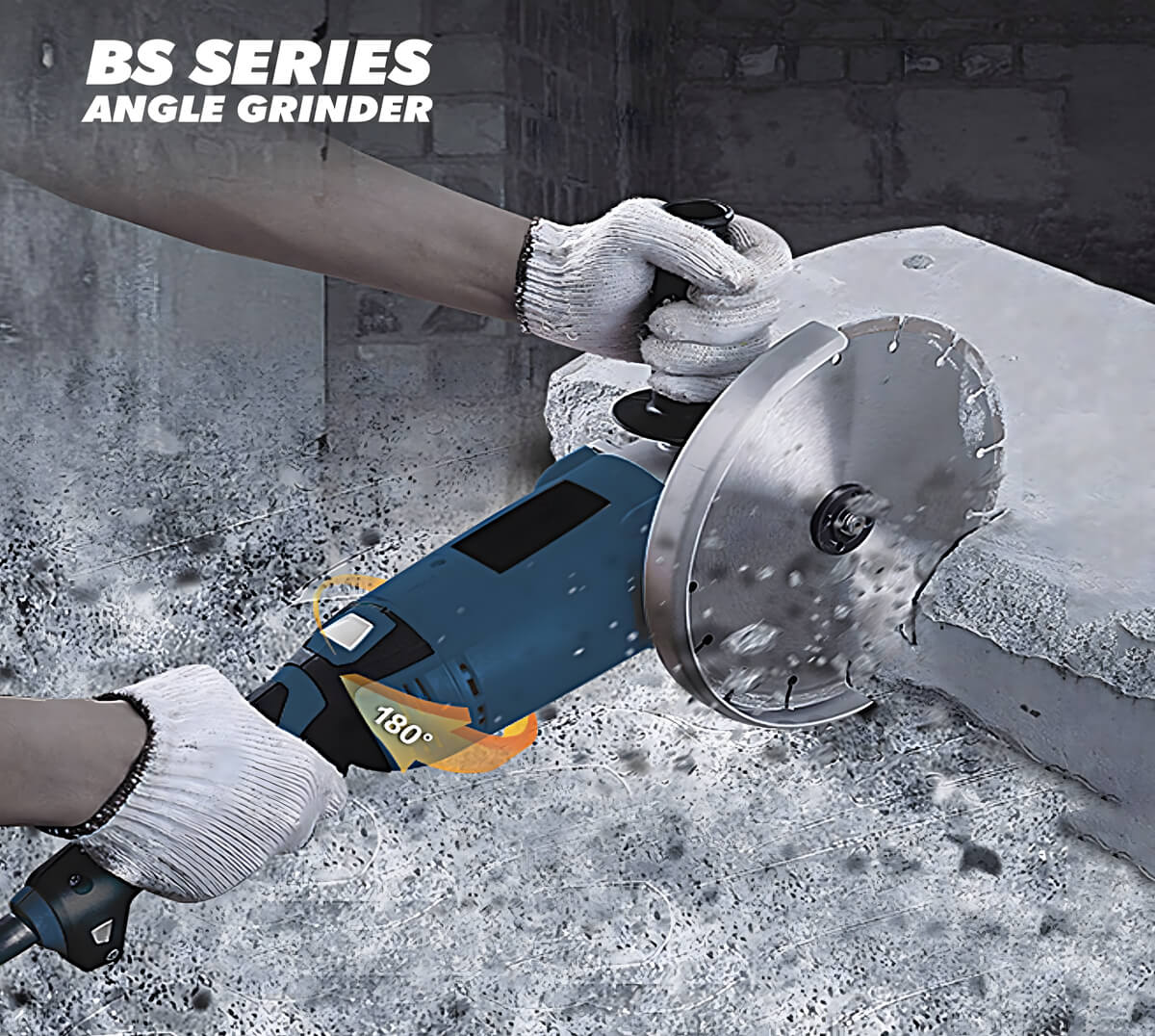
An angle grinder is a useful tool for polishing many surfaces. Picking the right one can make your work easier and safer. This guide helps you understand what to look for when choosing an angle grinder.
Focus on the type of grinder, its power and size, and the polishing pads you will use. Each factor affects your results and comfort.
Types Of Angle Grinders
There are mainly two types of angle grinders: corded and cordless. Corded grinders offer steady power and are good for long jobs. Cordless grinders give more freedom to move but need battery charging.
- Corded angle grinders are heavier but powerful.
- Cordless angle grinders are lighter and portable.
- Choose based on your work location and power needs.
Power And Size Considerations
Power is measured in amps or volts. Higher power means the grinder can polish tougher surfaces. Size matters too. Smaller grinders are easier to control but may work slower.
| Power Level | Best Use | Size |
| 4 to 6 amps | Light polishing | 4 to 5 inches |
| 7 to 10 amps | Medium polishing | 5 to 6 inches |
| Above 10 amps | Heavy polishing | 7 inches or more |
Selecting Suitable Polishing Pads
Polishing pads come in different materials and sizes. Soft pads work well on delicate surfaces. Hard pads suit rough surfaces. Match the pad size with your grinder’s wheel size for safety and best results.
- Foam pads for smooth polishing
- Wool pads for heavy cutting and polishing
- Microfiber pads for fine polishing
- Ensure the pad fits the grinder’s diameter
Credit: www.bisongenerator.com
Preparing The Surface
Preparing the surface before polishing with an angle grinder is very important. A clean, smooth surface helps get the best results.
Take time to remove dirt, rust, and protect areas that should not be polished. This makes the work safer and easier.
Cleaning And Degreasing
Remove all dirt, dust, and grease from the surface. Use a clean cloth and a suitable cleaner. This helps the polishing pad work better.
- Use a degreaser or soap with water for oily spots
- Wipe the surface until dry and clean
- Check for any leftover dirt before polishing
Removing Rust And Old Paint
Rust and old paint can cause roughness. Use the angle grinder with a wire brush or sanding disc to remove them. This makes polishing smooth.
| Material | Tool Attachment | Speed Setting |
| Rusty Metal | Wire Brush | Medium |
| Old Paint | Sanding Disc | Low to Medium |
| Light Corrosion | Flap Disc | Medium to High |
Masking Sensitive Areas
Protect parts that should not be polished. Use masking tape or plastic covers. This keeps paint, glass, and plastic safe.
- Cover edges and trim with tape
- Use plastic sheets for large areas
- Remove masking after polishing is complete
Safety Measures
Using an angle grinder for polishing can be risky without proper safety steps. Taking care helps avoid injuries and damage.
Always follow safety rules before starting your work. This keeps you and others safe during the polishing task.
Protective Gear Essentials
Wear the right protective gear to shield yourself from sparks and debris. This gear reduces the chance of cuts and eye injuries.
- Safety goggles or face shield to protect eyes
- Heavy-duty gloves to guard your hands
- Long-sleeve shirt and pants to cover skin
- Hearing protection to reduce noise exposure
- Dust mask to avoid breathing dust particles
Safe Handling Practices
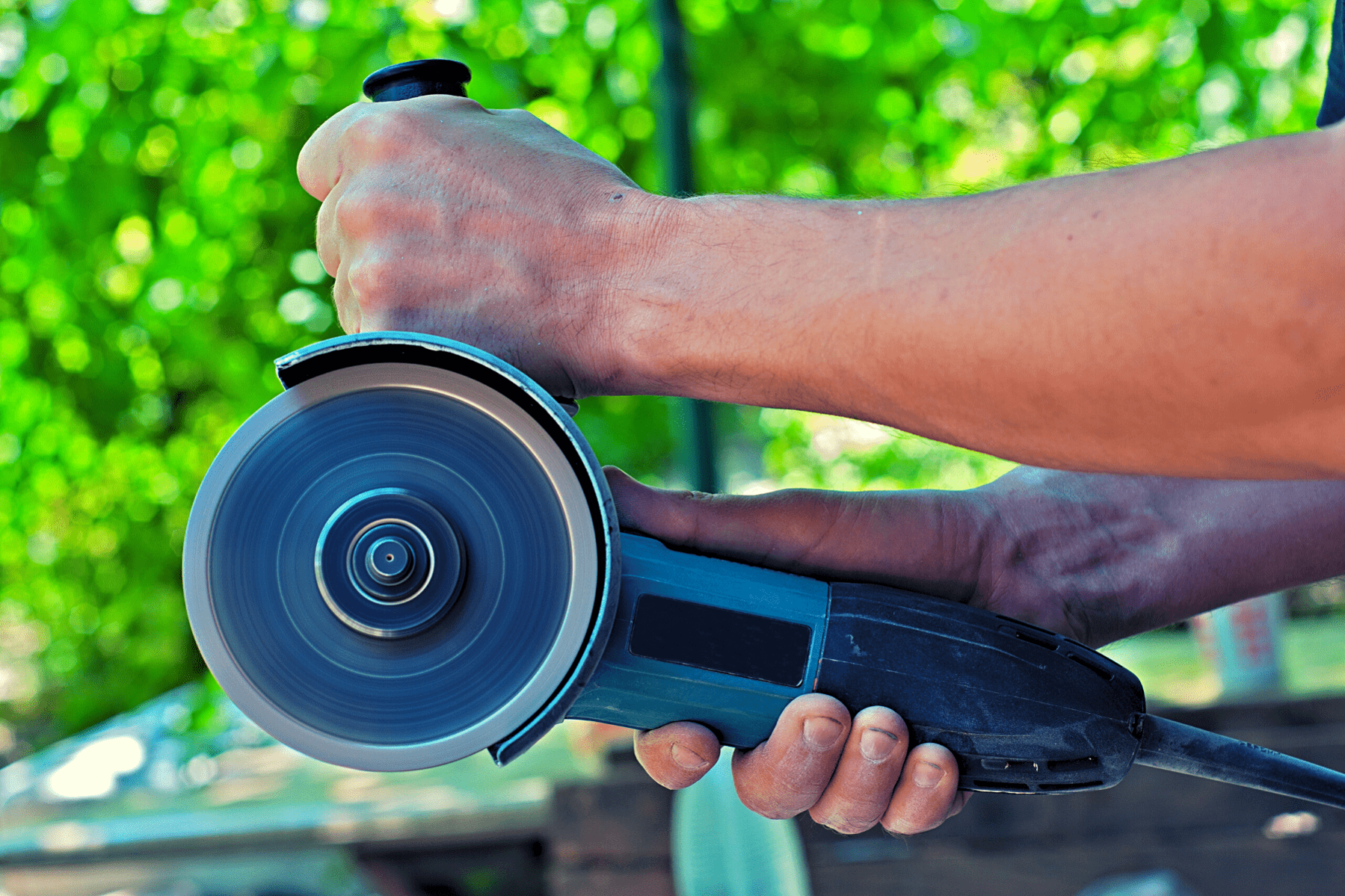
Hold the angle grinder firmly with both hands. This control helps prevent slips and accidental contact.
Keep the grinder’s guard in place to block sparks and debris. Never remove safety guards from the tool.
- Check the grinder and disc for damage before use
- Keep fingers away from the spinning disc
- Use the correct disc for polishing, not cutting
- Start the tool before touching the surface
- Switch off the tool and unplug it when not in use
Work Environment Setup
Work in a clean, dry area to avoid slips and falls. Good lighting helps you see the surface clearly.
Keep flammable materials away from your workspace. Sparks can ignite nearby objects and cause fires.
- Clear the area of clutter and obstacles
- Ensure good ventilation to reduce dust buildup
- Have a fire extinguisher nearby for emergencies
- Keep children and pets away from the work zone
- Use a stable surface to support your workpiece

Credit: juncollc.com
Polishing Techniques
Using an angle grinder for polishing needs care and skill. It helps make surfaces smooth and shiny.
Follow simple tips to polish safely and get good results on metal, stone, or wood.
Correct Speed Settings
Set the angle grinder to the right speed for polishing. Too fast can damage the surface.
Lower speeds work best for smooth finishes. High speeds can cause scratches or burns.
- Start with a slow speed and increase if needed
- Use medium speed for most polishing jobs
- Avoid the highest speed settings on delicate surfaces
Maintaining Consistent Pressure
Press the grinder evenly on the surface. Too much pressure can create marks.
Light and steady pressure helps polish well without harming the material.
- Hold the grinder firmly but gently
- Do not push too hard; let the tool do the work
- Keep your hand steady to avoid uneven spots
Using The Right Motion
Move the grinder smoothly over the surface. Avoid staying in one spot too long.
Use circular or side-to-side motions to spread the polish evenly.
- Keep the grinder moving to prevent heat buildup
- Overlap each pass slightly for full coverage
- Change direction sometimes to polish all areas
Common Mistakes To Avoid
Using an angle grinder for polishing can give smooth and shiny surfaces.
Avoiding common mistakes helps keep the surface safe and the tool working well.
Overheating The Surface
Overheating happens when you polish too long in one spot. It can damage the surface.
- Move the grinder evenly across the surface.
- Take short breaks to cool down the area.
- Use lower speed settings for delicate materials.
Applying Excessive Pressure
Pressing too hard can ruin the polish and wear out the tool fast.
| Pressure Level | Effect on Surface | Effect on Tool |
| Light | Good polish | Long tool life |
| Moderate | Fine finish | Normal wear |
| Heavy | Scratches and damage | Fast wear and tear |
Using Incorrect Attachments
Choosing the wrong attachment can cause poor results or damage the surface.
- Use polishing pads for smooth finishes.
- Avoid grinding wheels on delicate surfaces.
- Check the attachment speed rating before use.
Finishing Touches
Using an angle grinder for polishing needs careful finishing touches. These steps help get a smooth, shiny surface.
Proper finishing also protects your work and keeps it looking great longer.
Buffing For Shine
Buffing removes small scratches and brings out the shine on the polished surface. Use a soft buffing wheel for best results.
Work slowly and evenly. Move the angle grinder in circles to avoid uneven spots.
- Choose a buffing pad made for your material
- Use low speed on the grinder during buffing
- Apply a small amount of polishing compound
- Keep the pad clean by brushing it often
Applying Protective Coatings
After polishing, a protective coating keeps the surface safe from rust and dirt. It also keeps the shine longer.
Choose coatings like wax, oil, or clear sealants based on the surface type. Apply thin, even layers with a clean cloth.
- Make sure the surface is dry before applying
- Follow product instructions for best results
- Reapply the coating regularly to maintain protection
Cleaning Up After Polishing
Cleaning the work area and tools after polishing prevents damage and keeps your workspace safe.
Remove dust and polishing residue from the surface using a soft cloth or brush. Clean the angle grinder and buffing pads well.
- Unplug the angle grinder before cleaning
- Use compressed air or a brush to clean tools
- Store tools in a dry place to avoid rust
Maintenance Of Your Angle Grinder
Keeping your angle grinder in good shape helps it work well. Regular maintenance prevents damage and extends its life.
Focus on cleaning, checking parts, and storing your grinder properly. These simple steps keep your tool safe and efficient.
Regular Cleaning
After each use, clean dust and debris from your angle grinder. Use a soft brush or cloth to remove dirt from vents and surfaces.
Keep the grinder dry to stop rust and electrical problems. Never spray water directly on the tool.
Checking And Replacing Parts
Check your angle grinder’s parts often for wear and tear. Look at the grinding disc, guard, power cord, and brushes.
- Inspect the grinding disc for cracks or damage. Replace if needed.
- Make sure the guard is secure and not broken.
- Check the power cord for cuts or frays. Do not use if damaged.
- Test the brushes and replace them if worn down.
Storage Tips
Store your angle grinder in a clean, dry place. Keep it away from dust and moisture.
| Storage Tip | Reason |
| Use a tool case or box | Protects from dust and damage |
| Keep in a cool, dry area | Prevents rust and electrical issues |
| Unplug before storing | Ensures safety |
| Keep away from children | Prevents accidents |
Credit: blog.onfloor.com
Frequently Asked Questions
What Safety Gear Is Essential When Using An Angle Grinder?
Always wear safety goggles, gloves, and a dust mask. Use ear protection to prevent hearing damage. Ensure your workspace is well-ventilated. These precautions protect you from sparks, debris, and noise during polishing.
How Do I Choose The Right Polishing Pad For Surfaces?
Select a polishing pad based on surface type and desired finish. Soft pads suit delicate surfaces, while harder pads work for rougher materials. Matching the pad to the job ensures effective polishing without damage.
Can Angle Grinders Be Used On All Surface Types?
Angle grinders work well on metal, stone, and concrete. Avoid using them on soft or thin materials that may crack. Always test on a small area first to prevent surface damage.
What Speed Settings Are Best For Polishing With An Angle Grinder?
Use low to medium speeds for polishing tasks. High speeds can overheat and damage the surface. Adjust speed based on material hardness and polish pad recommendations.
Conclusion
Using an angle grinder for polishing needs care and practice. Always wear safety gear to protect your eyes and hands. Choose the right disc for the surface you want to polish. Work slowly and evenly to avoid damage. Keep the tool steady and follow the surface shape.
Clean the surface after polishing for the best shine. With patience, your polishing will look smooth and neat. Keep these tips in mind for better results every time. Practice often, and you will polish like a pro.