Have you ever found yourself in the middle of a woodworking project, only to spend precious minutes searching for that one hand plane you need? If so, you’re not alone.
Properly storing your hand planes can save you time, protect your tools, and keep your workspace tidy. Imagine reaching for the exact plane you need without a second thought, your shelves organized like a well-oiled machine. Sounds like a dream, right?
In this guide, we’ll explore the best ways to store your hand planes on shelves. By the end, you’ll have the knowledge to transform your workspace into a haven of efficiency and order. Let’s make your woodworking experience smoother and more enjoyable. Ready to dive in?

Credit: www.reddit.com
Choosing The Right Shelf
Storing hand planes properly keeps them safe and easy to find. The right shelf helps protect your tools and saves space.
Consider the material, weight capacity, and dimensions of the shelf. These factors ensure your hand planes stay secure and organized.
Material Options
Shelves come in different materials. Each has benefits and downsides for storing hand planes.
- Wood:Strong and classic. It absorbs shocks and looks nice.
- Metal:Durable and easy to clean. Can hold heavy tools.
- Plastic:Lightweight and cheap. Not as strong as wood or metal.
Weight Capacity
Choose shelves that hold the weight of your hand planes. Overloading shelves can cause damage.
| Shelf Type | Weight Capacity (lbs) |
|---|---|
| Wooden Shelf | 50-100 |
| Metal Shelf | 100-200 |
| Plastic Shelf | 20-50 |
Shelf Dimensions
Pick shelf sizes that fit your hand planes well. Too small shelves can cause damage, too large wastes space.
- Width should fit the longest hand plane.
- Depth must allow the plane to sit fully on the shelf.
- Height between shelves should allow easy access and removal.
Preparing Hand Planes For Storage
Hand planes need proper care before storing them on shelves. Taking time to prepare them helps keep them in good shape. This guide covers important steps to ready your hand planes for storage.
Focus on cleaning, protecting the blade, and stopping rust. These steps will keep your tools safe and ready to use next time.
Cleaning And Maintenance
Remove dirt, dust, and wood shavings from your hand planes. Clean all parts carefully to avoid damage. Use a soft brush or cloth for cleaning.
- Disassemble the plane parts if possible
- Wipe metal surfaces with a dry cloth
- Use mild soap and water for stubborn dirt
- Dry all parts completely before storing
- Apply a light oil to moving parts to keep them smooth
Blade Protection
Protect the blade edge to keep it sharp and safe. Covering the blade prevents damage and injury. Use blade guards or wrap the blade in cloth.
| Blade Protection Method | Description |
| Blade Guard | Plastic or rubber cover fits over the blade edge |
| Cloth Wrap | Soft cloth wrapped around blade, tied securely |
| Cardboard Shield | Cut cardboard piece placed on blade edge |
Rust Prevention
Rust can ruin metal parts of your hand planes. Keep them dry and protected from moisture. Use rust inhibitors and store in a dry place.
- Apply a thin coat of machine oil or wax
- Store planes in a dry room or cabinet
- Use silica gel packs to absorb moisture
- Check tools regularly for signs of rust
Space-saving Storage Techniques
Hand planes are essential tools for woodworking. Storing them properly saves space and keeps them safe.
Good storage methods help you find your tools quickly. They also protect your hand planes from damage.
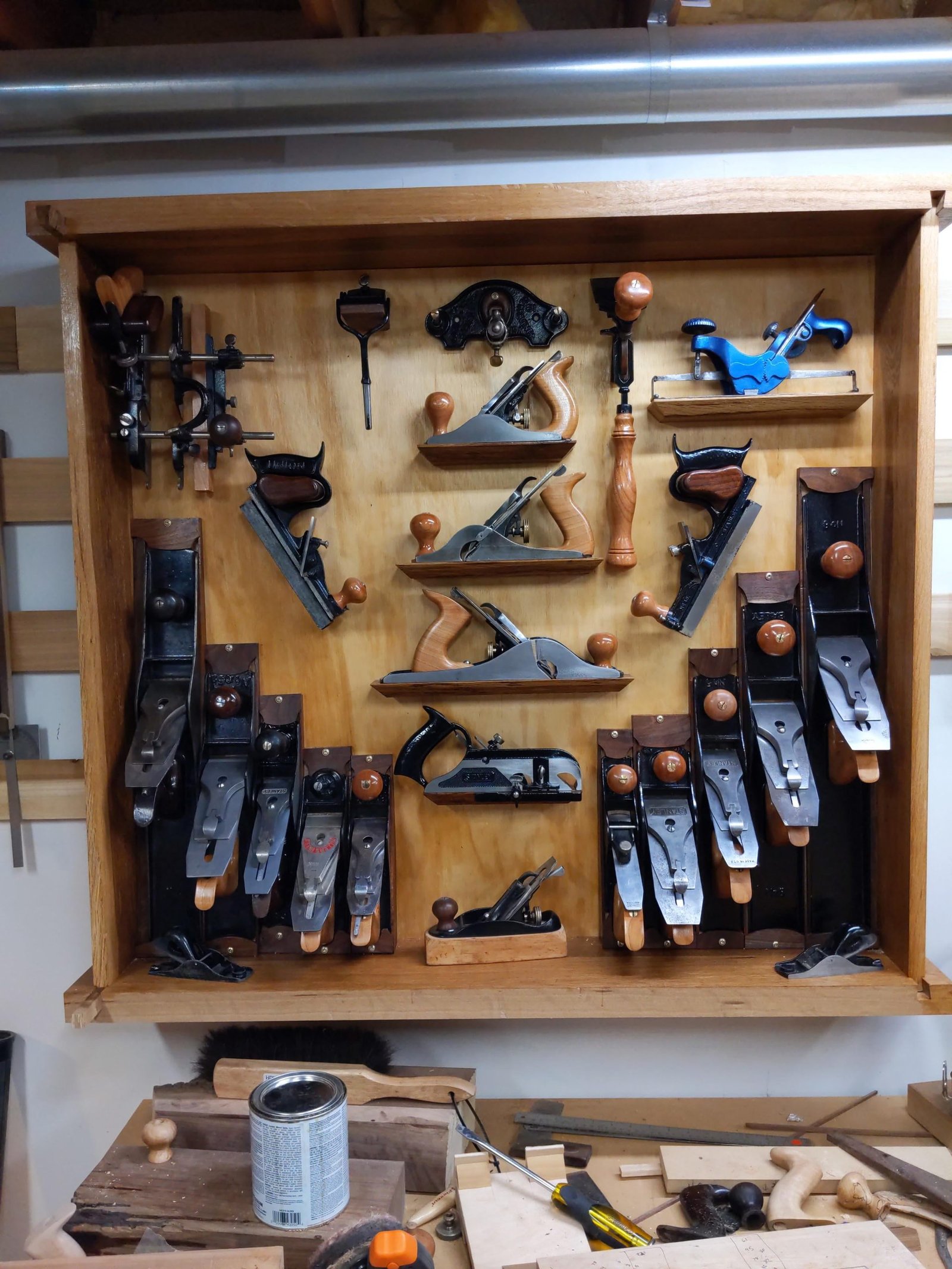
Vertical Storage
Storing hand planes vertically uses less shelf space. It also keeps the blades safe and easy to reach.
Use slots or dividers on your shelves to hold each plane upright. Make sure they fit snugly to avoid tipping.
- Place planes blade-down to protect edges
- Use wooden dividers or foam inserts
- Label each slot for quick access
Using Pegboards
Pegboards are a flexible way to store hand planes on walls. They free up shelf space and keep tools visible.
Hang your planes using hooks or custom holders. This method keeps them off surfaces and easy to grab.
- Choose sturdy hooks for heavy planes
- Arrange by size or type for order
- Use labeled zones on the pegboard
Stacking Strategies
Stacking hand planes saves shelf space if done carefully. Protect blades by placing soft padding between tools.
Stack similar sizes together to keep balance. Use a flat surface and avoid stacking too high to prevent falls.
- Place soft cloth or foam between planes
- Stack with heavier planes at bottom
- Limit stack height to avoid tipping

Credit: www.reddit.com
Customizing Shelves For Hand Planes
Hand planes are valuable tools that need proper storage. Custom shelves help keep them safe and organized.
By customizing shelves, you can protect your hand planes from damage and find them quickly when needed.
Adding Dividers
Dividers separate each hand plane on the shelf. They stop the planes from touching each other.
You can use wood or plastic strips to create dividers. Fix them vertically or horizontally on the shelf.
- Measure the width of each hand plane
- Cut dividers to fit between the planes
- Attach dividers firmly to the shelf
- Leave extra space for larger planes
Incorporating Holders
Holders keep hand planes upright and secure. They prevent slipping or falling off the shelf.
You can buy or make holders using wood blocks or metal brackets. Place them where each plane fits well.
- Use wood blocks with grooves for the plane base
- Metal brackets can hold the plane handles
- Fix holders firmly to the shelf surface
- Space holders evenly for easy placing
Labeling For Easy Access
Label each spot on the shelf to find hand planes quickly. Labels reduce time spent searching.
Use simple labels with the plane type or size. Attach labels clearly near each storage spot.
- Write the plane model or size on each label
- Use waterproof markers or printed labels
- Place labels at eye level or near holders
- Keep labels neat and easy to read
Maximizing Small Workshop Areas
Small workshops need smart storage ideas to stay tidy. Hand planes take up space but must be easy to reach.
Organizing hand planes on shelves saves room and keeps tools ready to use. Use vertical and overhead spaces well.
Wall-mounted Solutions
Mounting hand planes on walls keeps shelves free. Use racks or hooks to hold each tool safely. This method shows your tools clearly.
- Install wooden strips with slots to hold planes.
- Use metal hooks for quick hanging and removal.
- Place planes at eye level for fast access.
- Label spots to keep each plane in place.
Overhead Shelving
Overhead shelves make use of ceiling space. Keep planes on sturdy shelves above work areas. This saves floor space and reduces clutter.
| Material | Benefits | Notes |
| Wooden planks | Strong, easy to customize | Check weight limits |
| Metal racks | Durable, industrial look | May need wall anchors |
| Wire shelves | Lightweight, good airflow | Use liners to protect tools |
Multi-functional Storage
Combine storage types to save space. Use shelves that also work as workbenches or tool holders. This keeps your workshop neat and useful.
- Choose shelves with built-in slots for planes.
- Use drawer organizers inside shelves for small parts.
- Add magnetic strips to hold metal tools next to planes.
- Stack storage boxes under shelves for extra supplies.

Credit: www.reddit.com
Safety Tips For Storing Hand Planes
Hand planes are useful tools for woodworking. Storing them safely protects you and keeps the tools in good shape.
Follow these safety tips to keep your hand planes safe on shelves and avoid accidents or damage.
Securing Sharp Edges
Hand planes have sharp blades that can cause injuries. Always cover or secure these edges before storing.
- Use blade guards or covers to protect the edges.
- Store planes with the blade facing down or inside to avoid contact.
- Keep blades tightened and locked in place to prevent slipping.
- Label shelves clearly to warn about sharp tools.
Avoiding Moisture Damage
Moisture can rust blades and damage wooden parts of hand planes. Keep your shelves dry and clean.
| Storage Tip | Reason |
| Use a dehumidifier or silica gel packs | Reduces moisture in the air |
| Store planes away from water sources | Prevents rust and wood swelling |
| Wipe tools dry before storing | Removes any leftover moisture |
| Apply light oil on metal parts | Protects blades from rust |
Safe Placement Practices
Place hand planes on shelves where they will not fall or cause injury. Keep your workspace tidy.
- Store planes on sturdy shelves that can hold their weight.
- Keep heavier planes on lower shelves to prevent falls.
- Do not stack planes directly on top of each other.
- Leave enough space between tools for easy removal.
- Use hooks or holders for added safety if possible.
Frequently Asked Questions
How To Prevent Rust On Hand Planes Stored On Shelves?
Keep hand planes dry and clean before shelving. Use oil or wax to protect metal parts. Store in a low-humidity area to prevent rust formation.
What Is The Best Shelf Type For Hand Planes?
Wooden shelves with smooth surfaces are ideal. They prevent scratching and provide stable support. Adjustable shelves help accommodate different plane sizes.
How Should I Organize Hand Planes On Shelves?
Arrange by size or frequency of use. Place heavier planes on lower shelves for safety. Label shelves for quick identification.
Can I Store Hand Planes Vertically On Shelves?
Yes, but ensure they are stable and won’t fall. Use shelf dividers or supports to keep them upright and secure.
Conclusion
Storing hand planes on shelves keeps your workspace neat and tools safe. Place them where air flows to avoid rust. Use racks or slots to stop slipping and damage. Label shelves to find tools fast and work smooth. Regularly check your storage to keep planes clean and ready.
Simple steps make your tools last longer and your work easier. A tidy shelf means a tidy mind, ready for any project.