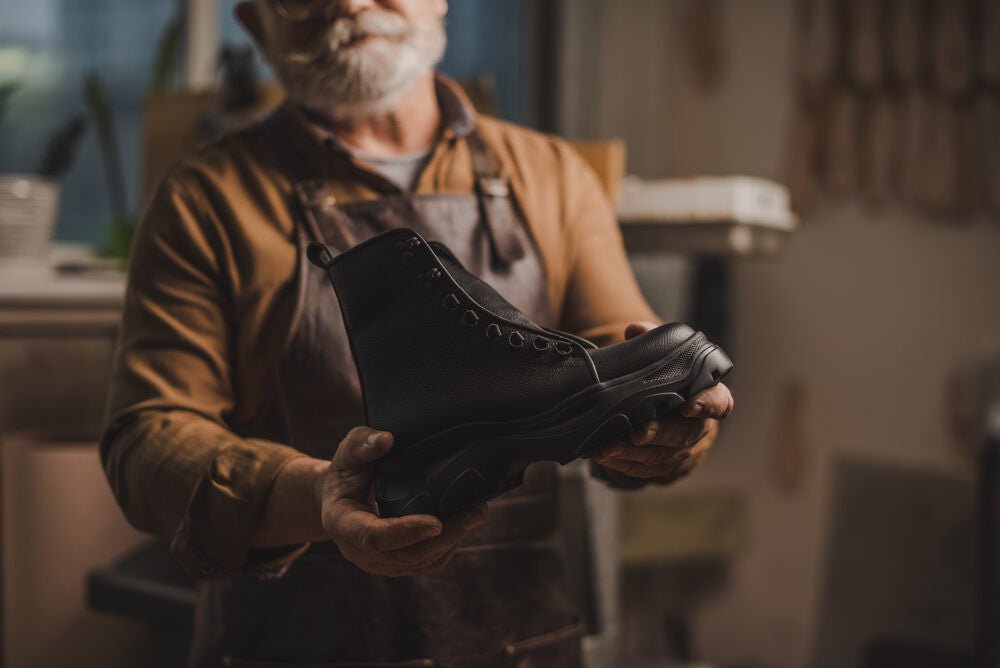
Choosing the right pair of work boots is crucial, especially when it comes to safety and comfort. Imagine navigating a slippery floor, feeling unsure with every step.
It’s not just about your comfort but your safety too. You need boots that not only support your feet but also keep you steady on your feet. In this guide, you’ll discover essential tips for selecting anti-slip work boots that provide the stability you need.
Whether you work in construction, a kitchen, or any other demanding environment, these insights will help you make a smart choice, ensuring peace of mind and a firm grip on your workday. Read on to explore how the right boots can transform your work experience, offering not just protection but confidence in every step.
Importance Of Anti-slip Boots
Anti-slip boots protect workers from falls and injuries. They are vital in many work environments.
Choosing the right boots helps improve safety and confidence on the job. It lowers accident risks.
Workplace Hazards And Slip Risks
Many workplaces have surfaces that can cause slips. Wet floors, oily spots, and uneven ground are common hazards.
- Wet or oily floors
- Loose gravel or debris
- Uneven or slippery surfaces
- Cold or icy conditions
- Spills of chemicals or liquids
Benefits Of Anti-slip Footwear
| Benefit | Description |
| Improved Traction | Reduces slipping on wet or oily floors |
| Increased Stability | Supports balance on uneven surfaces |
| Enhanced Comfort | Reduces foot fatigue during long work hours |
| Durability | Withstands tough work conditions |
| Safety Compliance | Meets workplace safety standards |
Key Features To Look For
Selecting the right anti-slip work boots is important for safety. The right features help you work better and avoid accidents.
Look for boots that have strong soles, good water protection, comfort, and lasting materials. These will keep you safe and comfortable.
Sole Material And Tread Design
The sole material affects how well your boots grip the ground. Rubber soles are common because they stop slipping on wet or oily floors.
Tread design also plays a big role. Deep treads with wide gaps help water and mud move away from the sole. This keeps your footing steady.
- Rubber soles resist slipping
- Deep treads improve grip
- Wide gaps clear water and dirt
- Look for non-marking soles for indoor use
Water Resistance And Breathability
Water-resistant boots keep your feet dry in wet conditions. This prevents discomfort and blisters during long work hours.
Breathability matters to stop your feet from sweating. Boots with breathable liners or mesh panels help air flow inside the boot.
- Choose waterproof materials like treated leather
- Check for breathable linings or vents
- Waterproof boots keep feet dry
- Breathable boots reduce sweat and odor
Comfort And Fit
Boots should fit well to avoid foot pain. Try boots with cushioned insoles and good arch support for all-day comfort.
Make sure there is enough room for your toes. Boots that are too tight or too loose can cause blisters and fatigue.
- Look for padded collars and tongues
- Choose boots with removable insoles
- Try boots with adjustable laces or straps
- Test boots with your work socks on
Durability And Construction
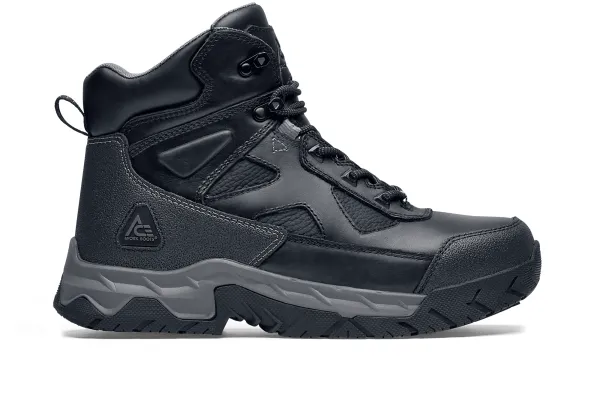
Durable boots last longer and handle tough jobs. Check for strong stitching and reinforced areas like toes and heels.
Quality construction means the boots can resist wear and tear. Look for boots made with thick leather and solid soles.
- Double or triple stitching adds strength
- Steel or composite toe caps protect feet
- Reinforced heels improve boot life
- Check for quality materials like full-grain leather
Certifications And Safety Standards
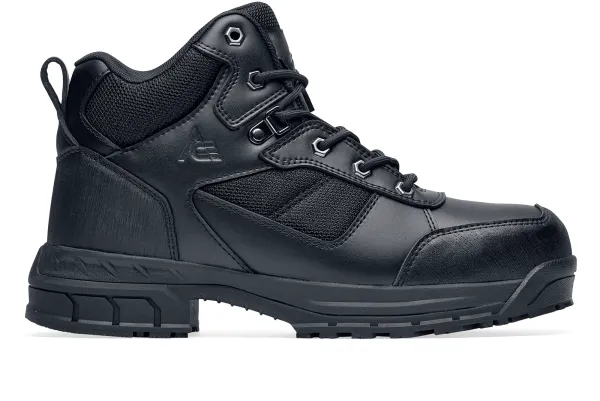
Choosing the right work boots means understanding their safety features. Certifications show the boots meet certain safety rules. These rules protect you from slips, falls, and other hazards.
Knowing what each certification means helps you pick boots that fit your job needs. This guide covers common ratings and their importance.
Common Safety Ratings
Safety ratings indicate how well boots protect against risks. Look for these labels when buying work boots:
- ASTM F2413:Shows boots meet standards for impact and compression resistance.
- EH (Electrical Hazard):Boots protect against electric shocks up to 18,000 volts.
- Slip-Resistant:Boots have soles that reduce slipping on wet or oily surfaces.
- Waterproof:Boots keep your feet dry in wet conditions.
- Metatarsal Protection:Extra guard over the top of the foot for heavy objects.
What Certifications Mean For Protection
| Certification | Protection Offered |
| ASTM F2413 | Impact and compression resistance to prevent foot injuries |
| EH | Prevents electrical shocks from live wires and circuits |
| Slip-Resistant | Improved traction on slippery floors |
| Waterproof | Keeps feet dry in wet and muddy environments |
| Metatarsal Guard | Protects the upper foot from heavy falling objects |
Checking these certifications helps you find boots that fit your work conditions. Always choose boots with the right ratings for your safety.
Credit: www.shoesforcrews.com
Choosing Boots For Different Work Environments
Selecting the right anti-slip work boots helps keep you safe. Different jobs need different types of boots.
Consider the surface and setting where you will work before buying boots. This guide explains key choices.
Wet And Oily Surfaces
Boots for wet or oily floors need special soles. These soles prevent slipping and keep you steady.
- Look for soles made of rubber or polyurethane
- Check for tread patterns that channel away liquids
- Choose boots with water-resistant or waterproof materials
- Ensure boots have good ankle support for balance
Rough And Uneven Terrain
For rough ground, boots must protect your feet from rocks and bumps. They should offer strong grip.
| Feature | Benefit |
| Thick, deep tread | Improves traction on loose soil and gravel |
| Reinforced toe cap | Protects toes from falling objects |
| Stiff sole | Prevents foot fatigue on uneven ground |
| Durable leather or synthetic uppers | Resists cuts and tears from rough terrain |
Indoor Vs Outdoor Settings
Indoor work boots differ from outdoor ones in weight and material. Choose boots that match your environment.
- Indoor boots:Lightweight, flexible soles for smooth floors
- Outdoor boots:Heavier, waterproof, with rugged soles
- Temperature considerations:Insulated boots for cold weather; breathable boots for hot areas
- Easy to clean:Important for indoor boots to maintain hygiene
Maintenance Tips For Longevity
Taking care of your anti-slip work boots helps them last longer. Proper maintenance keeps them safe and comfortable. Follow simple steps regularly to protect your investment.
Clean boots remove dirt and grime that can damage the material. Drying boots correctly prevents mold and warping. Regular inspections catch problems early before they get worse.
Cleaning And Drying
Clean your boots after each use to remove mud and debris. Use a soft brush or cloth for dirt. Avoid harsh chemicals that can damage the material or waterproofing.
- Remove laces and insoles before cleaning.
- Use mild soap and warm water to wash.
- Rinse thoroughly to remove all soap.
- Stuff boots with newspaper to absorb moisture.
- Dry at room temperature away from direct heat.
Regular Inspection And Repairs
Check your boots often for signs of wear and damage. Look for cracks, loose soles, or broken laces. Fixing small issues prevents bigger problems later.
| Inspection Area | What to Check | Action |
| Soles | Worn tread or cracks | Replace or repair soles |
| Seams | Loose or split stitching | Stitch or glue seams |
| Laces | Frayed or broken | Replace with new laces |
| Eyelets | Loose or missing | Fix or replace eyelets |
| Insoles | Worn or smelly | Clean or replace insoles |
Credit: www.shoesforcrews.com
Budget Considerations
Choosing the right anti-slip work boots means thinking about your budget first. Good boots protect your feet and last longer. You want to spend wisely without losing quality.
Balancing cost and quality helps you find boots that fit your needs and wallet. It is important to know when to save and when to spend more.
Balancing Cost And Quality
Cheap boots may save money now but wear out fast. Expensive boots often last longer and offer better safety features. Look for boots that offer the best value.
- Check the sole material for slip resistance and durability.
- Consider boots with reinforced toes for protection.
- Look for waterproof or breathable materials based on your work environment.
- Read reviews to see if boots hold up in real use.
When To Invest In Premium Boots
Invest in premium boots if you work in harsh conditions or stand long hours. High-quality boots reduce foot pain and improve safety. Spending more at first can save money on replacements.
| Work Condition | Recommended Boot Type | Reason |
| Wet or slippery floors | Premium slip-resistant soles | Better grip and fewer slips |
| Heavy-duty jobs | Reinforced toe boots | Protects from falling objects |
| Long hours standing | Comfort-focused boots | Reduces foot fatigue |
| Occasional use | Mid-range boots | Good balance of price and quality |
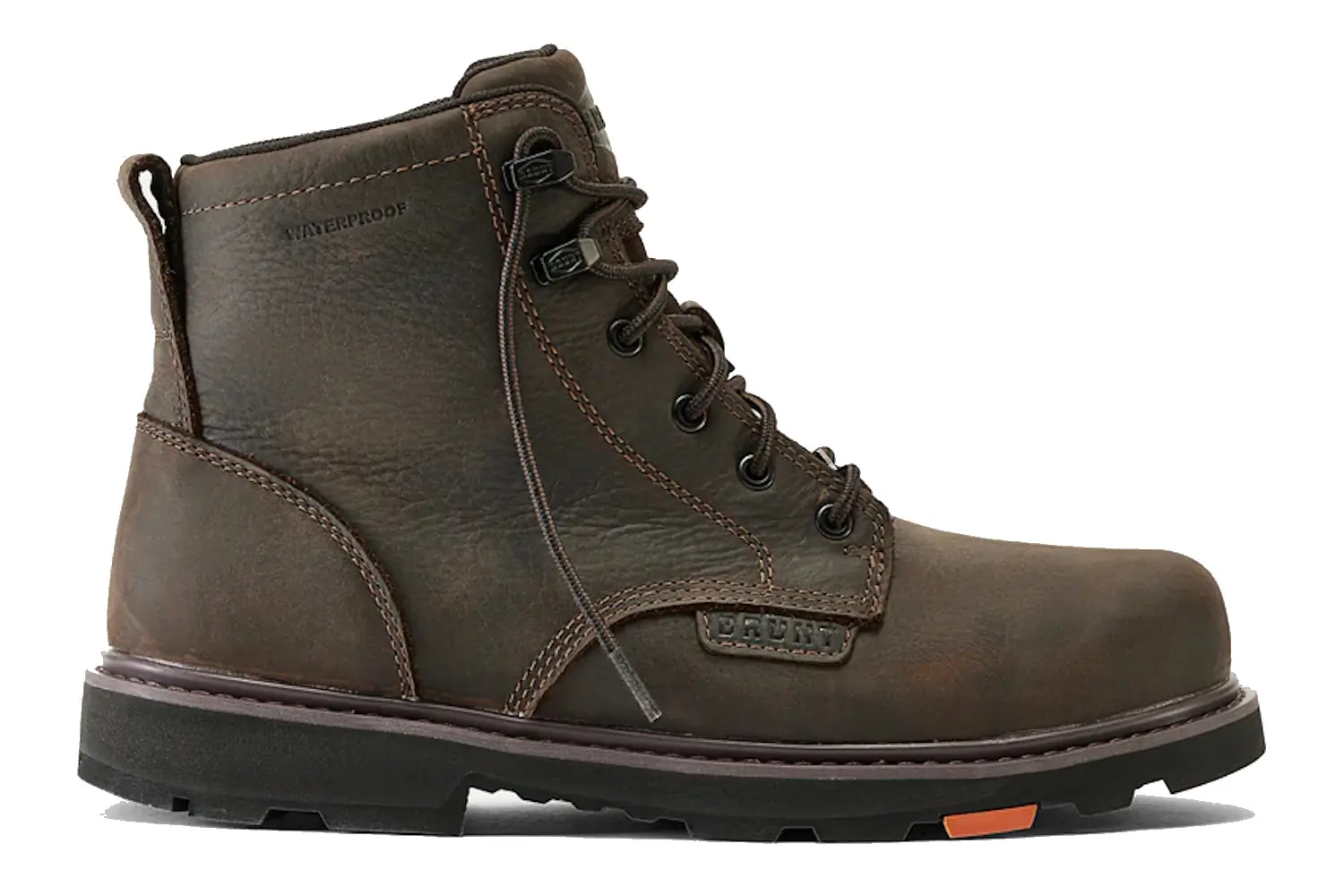
Credit: gearjunkie.com
Frequently Asked Questions
What Features Make Anti-slip Work Boots Effective?
Anti-slip work boots have specialized soles with deep treads for maximum grip. They use slip-resistant rubber compounds to reduce fall risks. These features improve stability on wet or oily surfaces, enhancing worker safety in various environments.
How To Choose The Right Size For Work Boots?
Select boots that fit snugly but allow toe movement. Measure your feet at the end of the day for accuracy. Proper sizing prevents discomfort and reduces slipping inside the boot, ensuring better control and safety.
Why Is Sole Material Important In Anti-slip Boots?
Sole material affects traction and durability. Rubber soles provide excellent slip resistance on wet surfaces. Polyurethane soles are lightweight and resistant to chemicals. Choose sole material based on your work environment for optimal performance.
Can Anti-slip Boots Protect Against Other Hazards?
Yes, many anti-slip boots include toe protection, puncture-resistant midsoles, and waterproofing. These additional features safeguard against falling objects, sharp debris, and wet conditions. Always check product specifications for comprehensive safety needs.
Conclusion
Choosing the right anti-slip work boots protects your feet and prevents accidents. Focus on fit, sole quality, and material for the best safety. Durable boots keep you comfortable during long work hours. Don’t forget to check for good ankle support and water resistance.
Remember, safe feet mean safer workdays. Take time to pick boots that match your job needs. Stay secure and comfortable every step you take. Safety starts from the ground up.