Imagine this: you’re in the middle of a noisy task, whether it’s mowing the lawn, attending a rock concert, or working in a bustling workshop. The sounds are overwhelming, and you can almost feel the damage being done to your ears.
But what if there was a simple, effective way to protect your hearing without sacrificing comfort or awareness? Enter ear plugs. These small yet mighty tools can be your best defense against loud environments. But wearing them correctly is key.
Are you ready to discover how to wear ear plugs during loud tasks to ensure maximum protection and comfort? Stick with us, and you’ll learn everything you need to safeguard your precious hearing. Don’t let noise steal your peace; let’s dive into the essentials of ear plug use right now.
Choosing The Right Ear Plugs
Wearing ear plugs protects your ears during loud tasks. Picking the right ear plugs helps you stay safe and comfortable.
There are many types and materials to choose from. Size and fit also affect how well ear plugs work.
Types Of Ear Plugs
Ear plugs come in many types. Some are disposable, and others can be reused.
- Foam ear plugs expand to fit your ear canal.
- Silicone ear plugs mold to your ear shape.
- Wax ear plugs soften and form a seal in your ear.
- Custom-molded ear plugs are made to fit your ears perfectly.
Material Matters
The material of ear plugs affects comfort and protection. Some materials block sound better than others.
- Foam is soft and cheap but may wear out fast.
- Silicone is durable and easy to clean.
- Wax is good for irregular ear shapes but can be sticky.
- Custom materials vary depending on the maker.
Size And Fit Options
Proper size and fit keep ear plugs in place. Ill-fitting plugs can let loud noise in or fall out.
- Small ear plugs fit smaller ear canals better.
- Medium is the most common size for adults.
- Large plugs suit bigger ear canals.
- Custom-fit plugs give the best seal and comfort.

Credit: www.hearingaidsbytricialeagjeld.com
Preparing Your Ears
Wearing ear plugs during loud tasks protects your hearing. Proper preparation helps the plugs fit well and work better.
Start by cleaning your ears and checking for any ear problems. This keeps your ears safe and comfortable.
Cleaning Your Ears
Keep your ears clean before using ear plugs. Dirt and wax can block the plugs and reduce protection.
- Use a damp cloth to clean the outer ear.
- Do not insert cotton swabs inside the ear canal.
- Try ear drops if you have wax buildup.
- Dry your ears fully after cleaning.
Checking For Ear Health Issues
Check your ears for signs of infection or pain before using plugs. Ear plugs can irritate existing problems.
| Symptom | Action |
| Pain or discomfort | See a doctor before using plugs |
| Discharge or redness | Do not use plugs; get medical help |
| Hearing loss | Consult a healthcare provider |
| Itching or swelling | Avoid plugs until healed |
Proper Insertion Techniques
Wearing ear plugs correctly protects your ears during loud tasks. Poor insertion lowers their effectiveness.
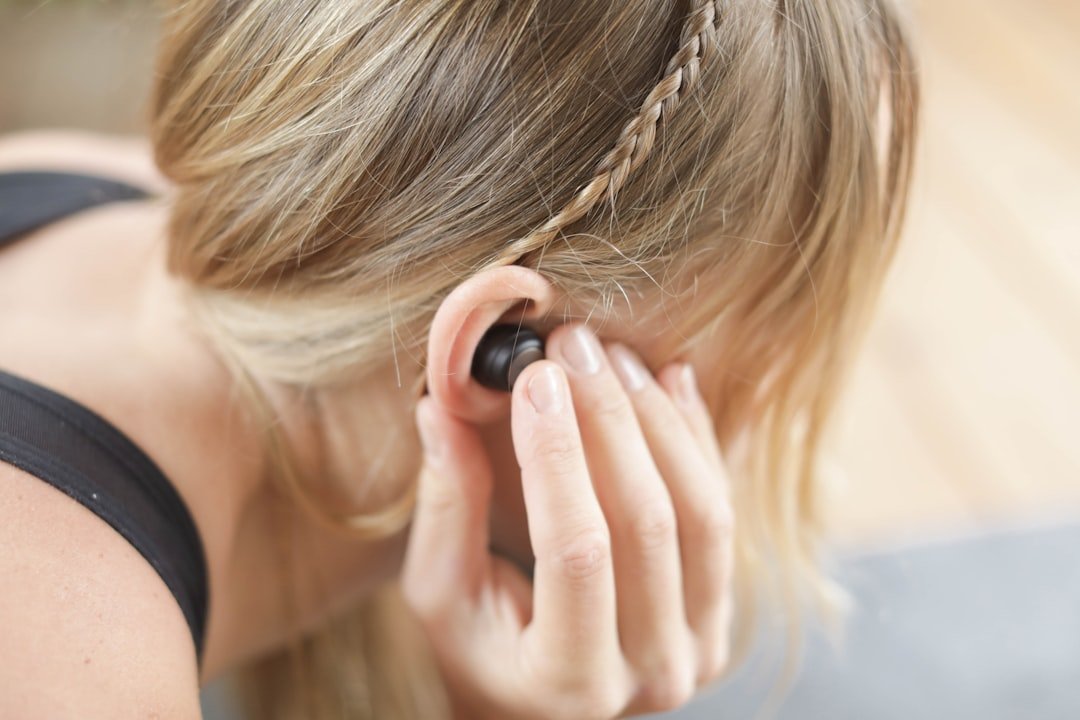
Learn how to insert ear plugs to block noise and keep your ears safe.
Step-by-step Insertion Guide
Start by rolling the ear plug into a small, thin shape. This helps it fit easily into your ear canal.
Pull your ear gently upward and outward. This straightens the ear canal for easier insertion.
Insert the rolled ear plug deep enough to block noise but do not force it. Hold it in place for a few seconds.
Check if the ear plug is comfortable and blocks loud sounds well. Adjust if needed.
- Roll ear plug into a tight cylinder
- Pull ear upward and outward
- Insert ear plug gently and deeply
- Hold ear plug in place briefly
- Test comfort and noise blocking
Common Mistakes To Avoid
Do not insert ear plugs without rolling them first. This can cause poor fit and less protection.
Avoid pushing the ear plug too shallow or too deep. Both can reduce noise blocking and cause discomfort.
Do not insert ear plugs with dirty hands. This can cause ear infections.
- Skipping the rolling step
- Inserting ear plugs too shallow or too deep
- Using dirty hands during insertion
- Not holding ear plug in place to expand
- Ignoring discomfort or poor noise blocking

Credit: cpdonline.co.uk
Maximizing Comfort
Wearing ear plugs during loud tasks helps protect your hearing. Comfort is important to keep them on for hours. This guide shows how to wear ear plugs comfortably all day.
Small changes can make a big difference in comfort. Adjusting fit and using accessories keep ear plugs effective and easy to wear.
Adjusting Fit Throughout The Day
Ear plugs may feel tight or loose after a while. Adjusting them can keep comfort and protection steady. Check your ear plugs regularly.
- Gently remove and reinsert ear plugs to reset their position.
- Roll foam ear plugs to make them smaller before inserting.
- Try different sizes if your ear canals feel sore or blocked.
- Clean reusable ear plugs to avoid irritation.
- Take short breaks if your ears feel too warm or itchy.
Using Ear Plug Accessories
Accessories can improve comfort and ease of use. They help keep ear plugs in place and reduce pressure.
| Accessory | Purpose | Comfort Benefit |
|---|---|---|
| Ear plug cord | Keeps plugs connected around neck | Prevents loss and easy removal |
| Soft ear tips | Fits various ear shapes | Reduces pressure points |
| Storage case | Keeps plugs clean | Prevents irritation from dirt |
| Ear plug lubricant | Eases insertion | Minimizes discomfort and friction |
Maintaining Ear Plugs
Wearing ear plugs during loud tasks protects your hearing. Taking care of them keeps them working well.
Clean and replace ear plugs regularly. This helps avoid infections and keeps sound blocking strong.
Cleaning Tips
Clean your ear plugs after each use. Dirt and earwax can build up and reduce their effectiveness.
Use mild soap and warm water to wash reusable ear plugs. Avoid harsh chemicals that can damage them.
- Wash gently with soap and water
- Rinse thoroughly to remove soap
- Dry completely before storing
- Use a clean container to keep them safe
When To Replace Ear Plugs
Replace ear plugs when they lose shape or become hard. Old plugs do not block noise well.
Disposable ear plugs should be replaced after one use. Reusable ones need replacement after many uses.
- Replace disposable plugs after one use
- Replace reusable plugs if damaged or dirty
- Check for cracks, hardening, or loss of fit
- Follow manufacturer guidelines for lifespan
Ear Protection For Different Tasks
Wearing ear plugs helps protect your ears from loud noises. Different tasks need different ways to use ear plugs.
It is important to wear ear plugs correctly to avoid hearing damage. This guide shows how to use them in various situations.
Construction And Industrial Work
Construction and industrial jobs have loud machines and tools. Ear plugs reduce noise to protect your hearing.
Insert ear plugs before starting work. Make sure they fit well and cover your ear canal fully.
- Clean your hands before inserting ear plugs
- Roll the ear plug into a small shape
- Pull your ear gently upward and backward
- Insert the ear plug deep enough to block noise
- Hold it in place for a few seconds to expand
Concerts And Events
Concerts and events often have very loud music. Wearing ear plugs can protect your ears from damage.
Choose ear plugs made for music. They lower volume but keep sound clear.
- Insert ear plugs before the music starts
- Make sure they fit snugly but comfortably
- Do not share ear plugs with others
- Remove ear plugs slowly after the event
Sleeping In Noisy Environments
Noise can disturb sleep and affect health. Ear plugs help block sounds for better rest.
Use soft, comfortable ear plugs made for sleeping. Insert them gently before going to bed.
- Choose ear plugs that fit your ear size
- Keep ear plugs clean to avoid infections
- Remove ear plugs as soon as you wake up
- Replace ear plugs regularly for hygiene

Credit: otifleks.com
Frequently Asked Questions
How Do I Properly Insert Ear Plugs For Loud Tasks?
First, roll the ear plug into a thin, crease-free cylinder. Gently pull your ear upward and backward. Insert the plug deep into the ear canal. Hold it in place for 20-30 seconds until it expands and seals properly.
Can I Reuse Ear Plugs For Multiple Loud Activities?
Most foam ear plugs are designed for single use only. Reusing them can reduce effectiveness and increase infection risk. Silicone or custom ear plugs can be reused but must be cleaned regularly for hygiene and optimal noise protection.
When Should I Wear Ear Plugs During Noisy Work?
Wear ear plugs whenever noise exceeds 85 decibels, such as during construction, mowing, or using power tools. Consistent use prevents hearing damage. Always keep plugs handy and wear them before exposure to loud sounds begins.
How Do I Clean Reusable Ear Plugs Safely?
Wash reusable ear plugs with mild soap and warm water after each use. Rinse thoroughly and air dry completely before storing. Avoid using harsh chemicals, which can degrade the material and reduce protection.
Conclusion
Wearing ear plugs protects your hearing during loud tasks. Insert them gently for comfort and a proper fit. Check the plugs often to keep them clean and effective. Using ear plugs can prevent pain and hearing loss. Stay safe by making ear protection a daily habit.
Quiet moments matter, even in noisy places. Protect your ears, and enjoy better sound health.