
Are you tired of your reciprocating saw giving up halfway through a project? Want to keep it running smoothly without constant hiccups?
You’re not alone. Reciprocating saws are powerful tools that can become your best friend on a job site or a DIY project. But, like any reliable friend, they need a little care and attention to keep performing at their best.
In this guide, you’ll discover easy and effective ways to maintain your reciprocating saw, ensuring it stays in peak condition for the long haul. From cleaning tips to essential maintenance practices, we’ve got you covered. Stick around, and learn how a few simple steps can save you time, money, and a lot of frustration.
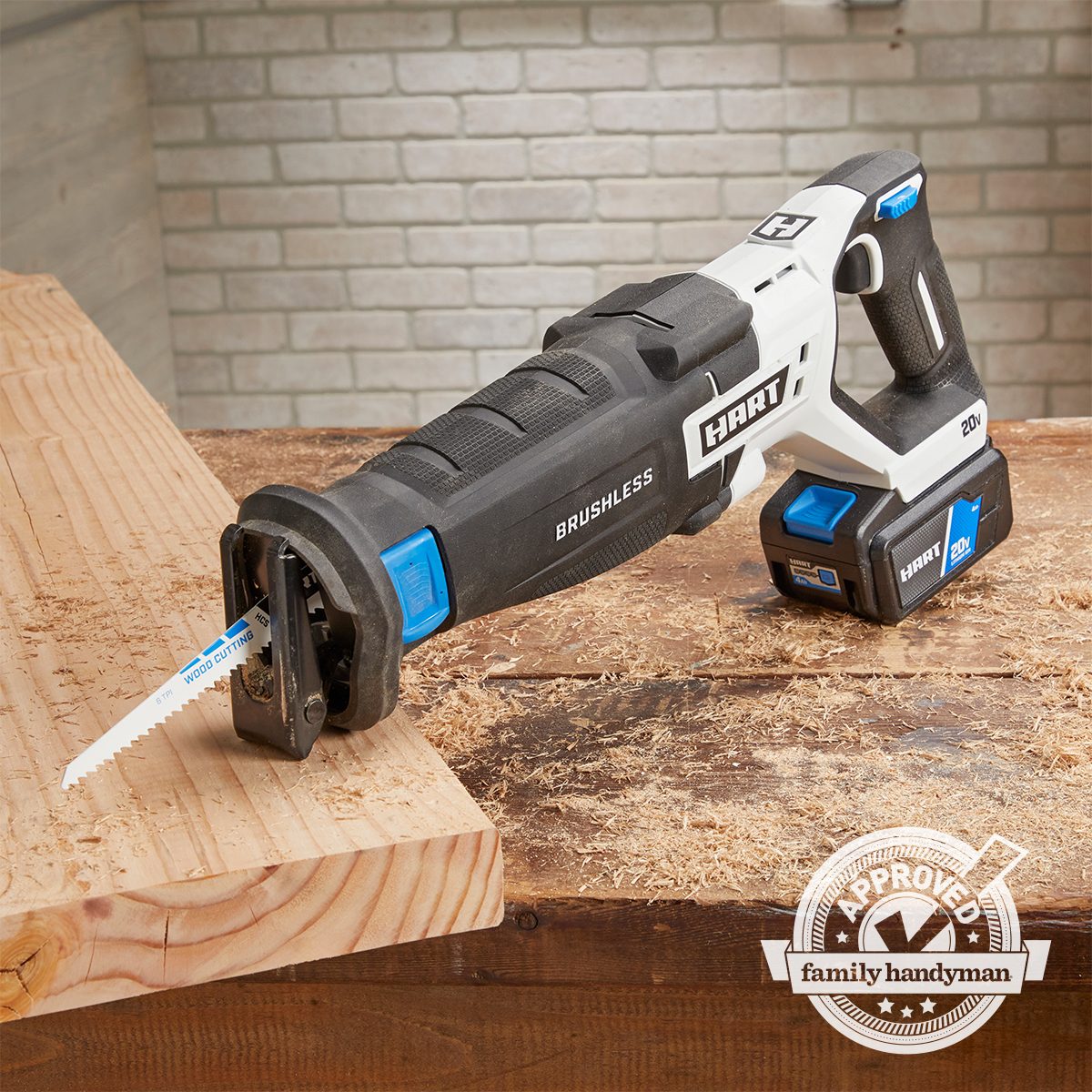
Credit: www.familyhandyman.com
Choosing The Right Blade
Using the correct blade helps your reciprocating saw work well. It makes cutting easier and safer.
Picking the right blade depends on the material you cut and the type of work you do.
Blade Types And Uses
Different blades fit different jobs. Some blades cut wood, while others cut metal or plastic.
- Wood Blades:Have large, sharp teeth. Good for fast cuts in wood.
- Metal Blades:Have small teeth. Used for cutting metal pipes and sheets.
- Demolition Blades:Strong and thick. Made for heavy-duty tasks like tearing down walls.
- Specialty Blades:Designed for materials like plastic or ceramic.
When To Replace Blades
Blades get dull or damaged after use. Using a bad blade can slow your work and cause problems.
Replace blades if you see these signs:
- Cutting takes more time than usual.
- The blade teeth look worn or broken.
- The saw blade heats up quickly.
- The cut is rough or uneven.
- The blade bends or wiggles during use.

Credit: www.ezarctools.com
Cleaning After Use
Keeping your reciprocating saw clean helps it work well for a long time. Dirt and dust can cause damage if not removed.
Regular cleaning after each use makes sure the saw stays safe and ready for the next job.
Removing Debris And Dust
Debris and dust build up around the blade and motor. Removing these keeps the saw running smoothly and prevents overheating.
- Unplug the saw before cleaning.
- Use a brush to clear dust from the blade and vents.
- Wipe the saw with a dry cloth to remove loose dirt.
- Use compressed air to blow out dust from hard-to-reach areas.
- Check the blade clamp and clean any stuck debris.
Lubricating Moving Parts
Lubricating parts reduces friction and wear. It helps the saw cut smoothly and lasts longer.
| Part | Type of Lubricant | Frequency |
| Blade Clamp | Light Machine Oil | After Every Cleaning |
| Guide Bar | Grease | Monthly |
| Pivot Points | Light Machine Oil | Every 3 Months |
Checking The Power Source
Reciprocating saws need a reliable power source to work well. Checking this source helps keep your saw safe and effective.
Power sources can be corded or cordless. Each type needs different care to stay in good shape.
Corded Vs. Cordless Maintenance
Corded saws use an electric cord. Check the cord for cuts, cracks, or worn spots before use.
- Unplug the saw before inspecting the cord.
- Look for exposed wires or damage.
- Replace the cord if you find any signs of wear.
- Keep the cord dry and clean to avoid shorts.
Cordless saws run on batteries. Keep batteries in good condition for best performance.
Battery Care Tips
| Tip | Details |
| Charge Regularly | Charge batteries before they are fully drained. |
| Store Properly | Keep batteries in a cool, dry place. |
| Clean Contacts | Wipe battery contacts with a dry cloth to remove dirt. |
| Avoid Overheating | Do not charge batteries in hot areas or direct sunlight. |
| Use Correct Charger | Only use the charger made for your battery type. |

Credit: www.youtube.com
Inspecting For Wear And Tear
Maintaining a reciprocating saw keeps it working safely and well. Regular checks help find problems early.
Look closely at key parts to spot wear or damage. Fix or replace parts as needed to avoid bigger issues.
Common Parts To Examine
Check the blade, blade clamp, motor, and power cord. These parts often show signs of wear first.
- Blade:Look for dullness, bends, or cracks.
- Blade Clamp:Ensure it holds the blade tightly without wobbling.
- Motor:Listen for unusual sounds or vibrations.
- Power Cord:Check for cuts, frays, or exposed wires.
Signs Of Damage
Damage can appear in many ways. Watch for physical defects and performance issues.
| Part | Signs to Watch For |
| Blade | Dulling, chipping, bending |
| Blade Clamp | Loose grip, rust, broken parts |
| Motor | Strange noises, overheating, loss of power |
| Power Cord | Frayed wires, cuts, sparks |
Storing Your Saw Properly
Keeping your reciprocating saw in good condition starts with proper storage. Proper storage helps the saw last longer and work better every time.
This guide covers the best ways to store your saw safely and protect it from damage.
Ideal Storage Conditions
Store your saw in a dry and clean place away from dust and dirt. Avoid areas with direct sunlight or extreme temperatures.
- Keep the saw in a sturdy case or toolbox.
- Place the saw on a shelf or hook to avoid floor moisture.
- Ensure good ventilation to prevent heat build-up.
- Keep the saw away from chemicals and flammable materials.
Protecting Against Moisture
Moisture can cause rust and damage the motor parts inside your saw. Protect your tool by controlling moisture exposure.
| Method | Benefit |
| Use silica gel packs | Absorbs moisture inside the storage case |
| Store in a climate-controlled room | Prevents humidity and temperature swings |
| Cover the saw with a plastic wrap | Keeps dust and water droplets away |
| Check and dry the saw before storing | Removes any moisture from use |
Safety Measures During Maintenance
Maintaining a reciprocating saw is important for its long life. Safety is the top priority during maintenance. Follow safety steps to avoid accidents and injuries.
Always prepare the saw and your workspace before starting maintenance tasks. This keeps you safe and helps the saw work well.
Disconnecting Power
Before doing any maintenance, always disconnect the power source. This stops the saw from turning on by mistake. It is the most important safety step.
Unplug the saw if it is electric. Remove the battery if it is cordless. Check that the saw is off and will not start.
- Unplug the power cord from the wall
- Remove the battery from cordless saws
- Wait a few seconds to ensure power is off
- Double-check the saw does not start
Using Protective Gear
Wear protective gear to keep yourself safe while maintaining the saw. This gear protects your eyes, hands, and body from injury.
Always use safety glasses to protect your eyes from dust and debris. Wear gloves to avoid cuts and scrapes. Use a dust mask if dust is heavy.
- Safety glasses to protect eyes
- Gloves to protect hands
- Dust mask to avoid breathing dust
- Wear long sleeves to protect arms
Scheduling Regular Professional Servicing
Keeping your reciprocating saw in good shape helps it last longer. Regular professional servicing can catch small problems early.
Scheduling these checks is important for safety and tool performance. A pro can clean and tune parts you might miss.
Benefits Of Expert Checks
Professional servicing offers many benefits. Experts know how to find hidden issues quickly. They keep your saw running smoothly.
- Improves tool safety by checking all parts
- Extends the life of your reciprocating saw
- Maintains cutting power and accuracy
- Prevents costly repairs from major damage
- Keeps warranty valid if required
How Often To Service
How often you should service depends on use and conditions. Heavy users need checks more often than casual users.
| Use Level | Recommended Service Interval |
| Light (few times a month) | Every 12 months |
| Medium (weekly use) | Every 6 months |
| Heavy (daily use or job sites) | Every 3 months |
Frequently Asked Questions
How Often Should I Clean My Reciprocating Saw?
Clean your reciprocating saw after every use to remove dust and debris. This prevents buildup that can affect performance and lifespan. Use a dry cloth and compressed air for thorough cleaning.
What Type Of Lubricant Is Best For Reciprocating Saws?
Use a light machine oil or manufacturer-recommended lubricant. Apply it to moving parts to reduce friction and prevent wear. Avoid over-lubricating, as excess oil can attract dirt.
How Do I Check The Blade Condition Properly?
Inspect the blade for dullness, cracks, or rust before each use. Replace blades immediately if damaged to ensure safe and efficient cutting. Sharp blades improve performance and reduce motor strain.
Can I Store My Reciprocating Saw Outdoors?
No, always store your saw in a dry, cool place indoors. Exposure to moisture and extreme temperatures can damage electrical components and cause rust. Use a protective case if possible.
Conclusion
Regular care keeps your reciprocating saw working well. Clean the blade and check for damage often. Tighten loose parts to avoid problems. Use the right blade for each job. Store the saw in a dry place to stop rust. These small steps help your tool last longer.
Save time and money by keeping it in good shape. Your saw will cut smoothly and safely every time. Simple habits make a big difference in tool life. Keep your saw ready for any project ahead.
