
Do you love spending time in your garden? Whether you’re an avid gardener or just getting started, using a garden spade is essential for maintaining your outdoor space.
However, like any tool, it’s important to use it safely to avoid injury and ensure your gardening tasks go smoothly. In this guide, you’ll discover practical tips and techniques to wield your garden spade like a pro. Imagine transforming your gardening experience into a safer and more enjoyable activity, all by mastering the art of spade safety.
Stick around to learn how to protect yourself and make the most out of your gardening adventures.
Choosing The Right Garden Spade
Picking the right garden spade helps you work safely and well. The right spade fits your garden tasks and your strength.
Look at the type, material, and size before buying a spade. Each factor affects how easy and safe it is to use.
Types Of Garden Spades
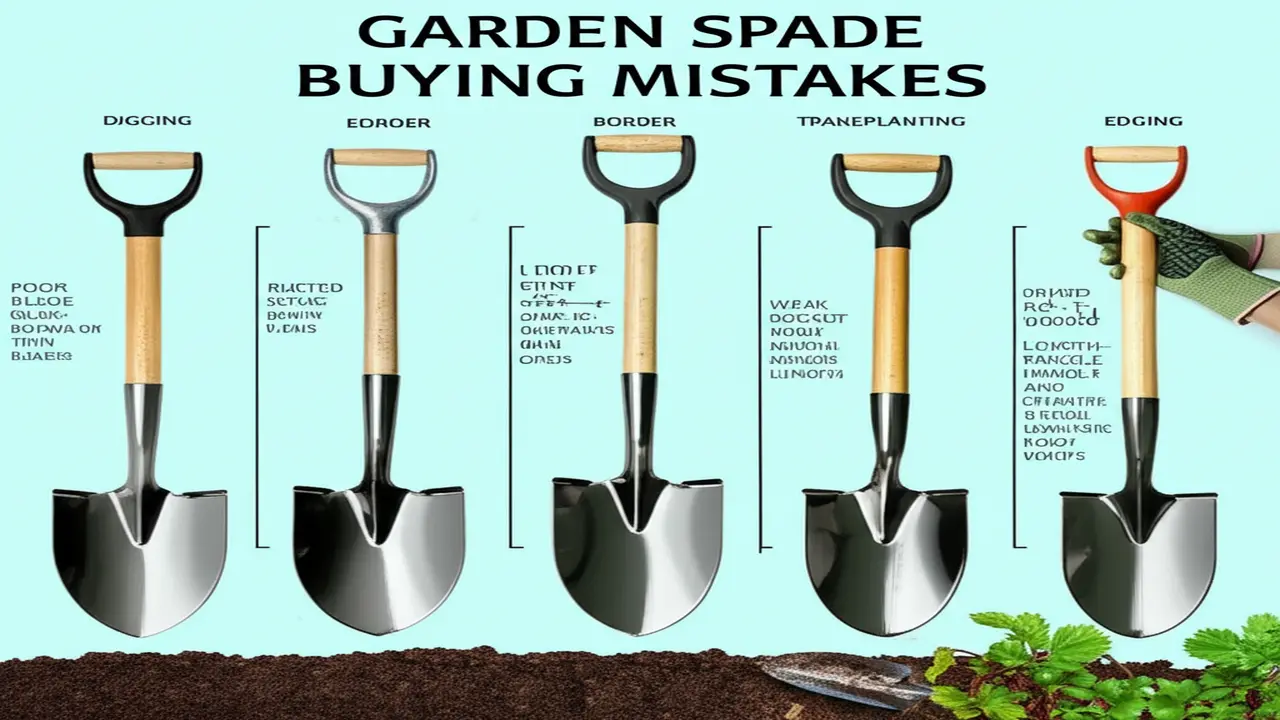
Garden spades come in many types. Each type fits different jobs. Use the right one to avoid injury and work faster.
- Digging spades:Have a flat blade for cutting soil and roots.
- Border spades:Narrow blades for edging and shaping garden beds.
- Drain spades:Long, thin blades for digging trenches or narrow holes.
- Transplant spades:Small blades for moving plants and seedlings.
Materials And Durability
Spades are made from different materials. Choose one that lasts long and fits your strength.
| Material | Durability | Weight | Care Needs |
|---|---|---|---|
| Steel blade with wooden handle | High | Medium | Needs drying and oiling |
| Steel blade with fiberglass handle | High | Light | Low maintenance |
| Aluminum blade with plastic handle | Medium | Very light | Resists rust easily |
Selecting The Proper Size
Choose a spade size that fits your height and arm length. A wrong size causes strain and accidents.
- Pick a handle length that lets you stand straight while digging.
- Choose a blade size that matches your hand strength.
- Try the spade in store to check comfort before buying.
Preparing For Safe Use
Using a garden spade safely starts with good preparation. Taking time to get ready helps prevent injuries.
Follow these steps to prepare before you begin digging or planting with your spade.
Wearing Protective Gear
Wear the right protective gear to protect your body from cuts and scrapes. Gloves keep your hands safe and dry.
Sturdy shoes protect your feet from heavy tools and sharp objects. Long pants protect your legs from scratches.
- Wear thick gloves to protect your hands
- Use closed-toe shoes or boots
- Wear long pants to avoid scrapes
- Consider safety glasses if soil may fly
Inspecting The Spade
Check the spade before use. Look for cracks, rust, or loose handles that could cause accidents.
A sharp blade makes digging easier and safer. Dull edges can slip and hurt you.
- Look for cracks or splinters on the handle
- Check the blade for rust or dullness
- Make sure the blade is firmly attached
- Sharpen the blade if needed before use
Clearing The Work Area
Remove obstacles from the area where you will work. Clear rocks, sticks, and other debris to avoid tripping.
Make sure the ground is stable and dry. Wet or uneven ground can cause slips or falls.
- Pick up stones and sticks
- Remove tools and equipment from the area
- Check for holes or uneven ground
- Work in a well-lit space
Proper Handling Techniques
Using a garden spade safely helps prevent injury and makes work easier. Proper handling keeps your body comfortable and strong.
Learn the right way to hold and use a spade. This guide covers grip, posture, digging motions, and ways to avoid strain.
Correct Grip And Posture
Hold the spade with both hands for control. One hand should grip the handle near the top, the other near the middle.
Stand straight with feet shoulder-width apart. Keep your back straight to avoid pain and injury.
- Use a firm but relaxed grip
- Keep elbows slightly bent
- Distribute weight evenly on both feet
- Avoid leaning forward too much
Effective Digging Motions
Push the spade into the soil using your foot, not just your arms. This uses your body weight and saves energy.
Lift soil by bending your knees. Avoid twisting your back when moving dirt.
- Press blade with foot to dig deeper
- Bend knees to lift soil, not your back
- Turn whole body when moving soil
- Take slow, steady movements
Avoiding Strain And Injury
Take breaks to rest muscles. Stretch your arms, back, and legs before and after work.
Wear gloves to protect hands. Use a spade with the right size and weight for you.
- Keep tools sharp and clean
- Do not overreach or twist sharply
- Switch hands to reduce fatigue
- Stop if you feel pain or discomfort

Credit: shovelguide.com
Maintaining Your Garden Spade
Keeping your garden spade in good shape helps it last longer. It also makes your gardening work easier and safer.
Regular care includes cleaning, sharpening, and storing the spade properly. These steps protect the tool and keep it ready for use.
Cleaning After Use
After gardening, dirt and mud can stick to your spade. Clean it right away to stop rust and damage.
Use water and a stiff brush to remove soil. Dry the spade well with a cloth to avoid moisture build-up.
- Rinse off soil with water
- Scrub stuck dirt using a stiff brush
- Wipe the spade dry with a clean cloth
- Check for any damage or rust spots
Sharpening The Blade
A sharp blade cuts through soil easily. It saves your energy and protects plants from damage.
Use a metal file or sharpening stone to keep the blade edge smooth and sharp. Always file in one direction.
- Hold the spade steady on a flat surface
- File the blade edge away from yourself
- Keep the sharpening angle consistent
- Remove metal filings and wipe the blade clean
Storage Tips
Store your garden spade in a dry place to stop rust. Avoid leaving it outside in the rain or sun.
Hang the spade on a wall or keep it off the ground. This protects the blade and handle from damage.
- Keep the spade indoors or under cover
- Hang it using a hook or nail
- Store with the blade facing down or sideways
- Check the handle for cracks or splinters regularly
Common Mistakes To Avoid
Using a garden spade may seem simple, but many people make mistakes. These errors can cause injury or damage your tools.
Knowing what to avoid helps you work safely and keep your garden spade in good shape.
Using The Wrong Tool For The Job
A garden spade is great for digging and edging. Using it for other tasks can cause problems.
For example, do not use a spade to chop hard roots or break rocks. This can bend or break the blade.
- Use a garden fork to loosen soil
- Use a mattock or pickaxe for hard roots
- Use a hoe for weeding
Ignoring Safety Precautions
Many injuries happen because people ignore safety rules. Always wear gloves to protect your hands.
Keep your feet clear of the spade blade and wear sturdy shoes. Avoid working when tired or in bad weather.
- Wear gloves and closed shoes
- Check your footing before digging
- Take breaks to avoid fatigue
- Keep children and pets away
Neglecting Tool Maintenance
A garden spade needs care to last long. Cleaning the blade after use stops rust and dirt buildup.
Sharpen the blade regularly to make digging easier. Also, check the handle for cracks and tighten loose screws.
- Clean dirt off the blade after each use
- Dry the spade to prevent rust
- Sharpen the blade often
- Inspect the handle and fix damage

Credit: minimalistgardener.com.au
Credit: gardenitemreviews.com
Frequently Asked Questions
How Do I Hold A Garden Spade Correctly?
Hold the garden spade with both hands, one on the handle and the other near the blade. Keep a firm grip to maintain control and reduce strain. Proper hand placement ensures safer digging and better leverage.
What Safety Gear Should I Wear Using A Garden Spade?
Wear sturdy gloves to protect your hands from blisters and cuts. Use closed-toe shoes to prevent foot injuries. Eye protection is also recommended to shield against flying debris. Proper gear reduces injury risks significantly.
How Can I Avoid Back Pain While Using A Spade?
Bend your knees and keep your back straight when digging. Use your leg muscles to lift soil, not your back. Take frequent breaks to stretch and avoid prolonged strain. This technique helps prevent back injuries.
When Is The Best Time To Use A Garden Spade?
Use a garden spade during dry conditions for easier digging. Early morning or late afternoon is ideal to avoid heat exhaustion. Proper timing improves efficiency and comfort while working.
Conclusion
Using a garden spade safely protects you and your plants. Always wear gloves and sturdy shoes. Keep your back straight while digging. Take breaks to avoid tired muscles. Store the spade in a safe place after use. Practice these tips every time you garden.
Safety helps you enjoy gardening more. A small effort keeps accidents far away. Your garden work will feel easier and safer. Stay safe and happy gardening!
