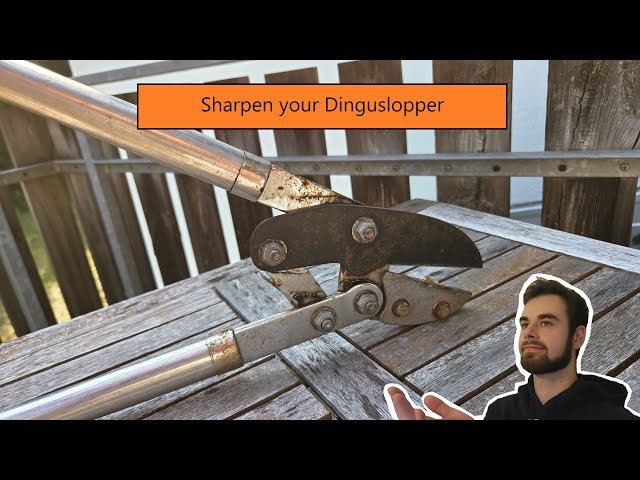
Are your loppers not cutting as they used to? Dull blades can turn a simple garden task into a frustrating chore, leaving branches with ragged edges and your hands sore.
Imagine the satisfaction of slicing through branches with the precision of a hot knife through butter. Yes, sharpening your loppers can make that difference. In this guide, you’ll discover simple yet effective steps to keep your loppers in top shape.
Say goodbye to uneven cuts and hello to a cleaner, more efficient gardening experience. Ready to transform your garden work? Let’s dive into the art of sharpening your loppers for precision cutting.

Credit: deepgreenpermaculture.com
Choosing The Right Loppers
Sharp loppers make cutting branches easier and cleaner. Picking the right loppers helps you cut with precision.
Consider the types, blade materials, and handle design before buying loppers. Each factor affects how well they work.
Types Of Loppers
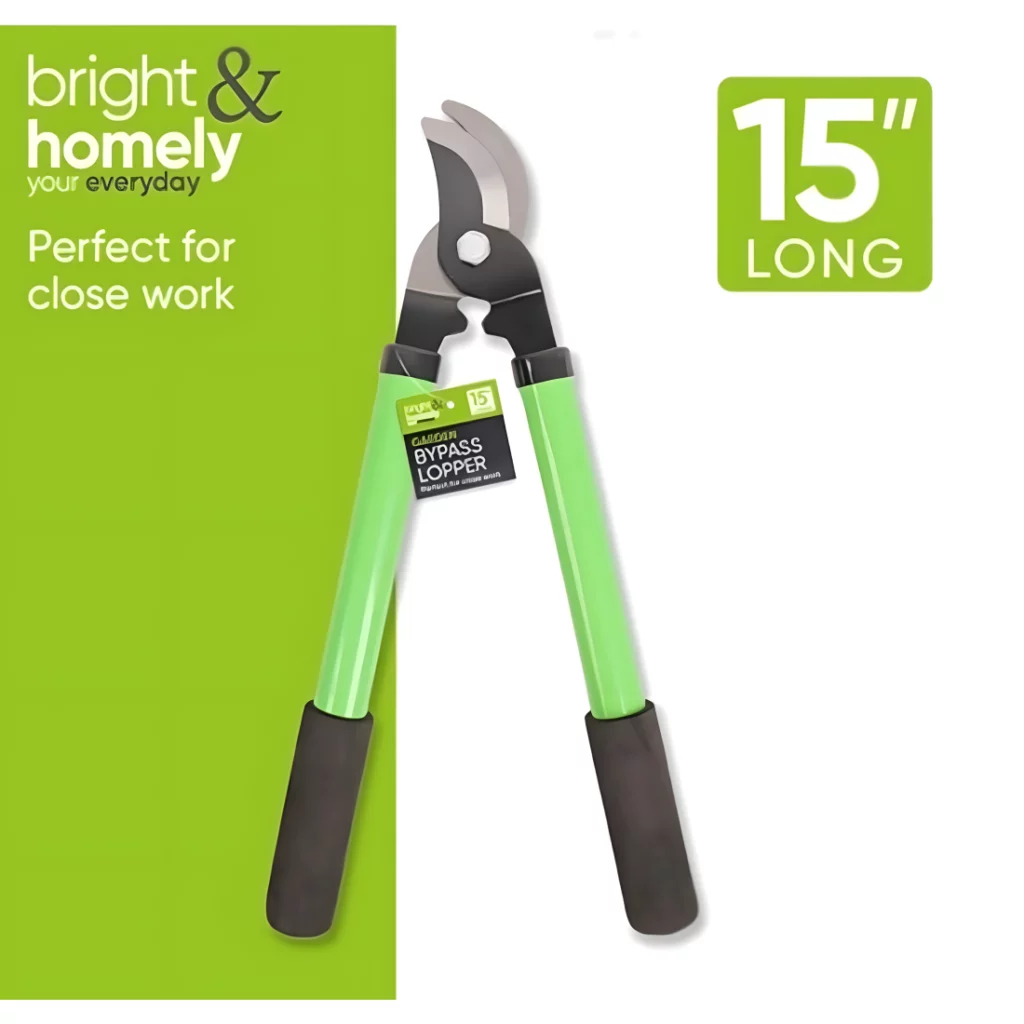
Loppers come in two main types: bypass and anvil. Bypass loppers have two blades that pass each other like scissors.
Anvil loppers have one sharp blade that closes on a flat surface. Bypass loppers are good for live branches.
- Bypass loppers cut cleanly on live wood
- Anvil loppers work well for dry or dead wood
- Bypass types prevent crushing of the branch
Blade Materials
Blade material affects sharpness and durability. High-carbon steel blades stay sharp longer and resist rust.
Stainless steel blades resist rust well but may dull faster. Choose blades that balance sharpness and maintenance.
- High-carbon steel: sharp and long-lasting
- Stainless steel: rust-resistant but needs sharpening
- Coated blades reduce friction and rust
Handle Design
Handle design affects comfort and cutting power. Long handles give more reach and leverage for thick branches.
Short handles offer better control for precise cuts. Look for handles with grips to reduce hand fatigue.
- Long handles increase cutting power
- Short handles improve control
- Rubber grips prevent slipping
- Lightweight materials reduce arm strain
Credit: ukbrands4less.co.uk
Essential Tools For Sharpening
Sharpening loppers needs the right tools for good results. Using proper tools makes cutting easier and safer.
This guide shows you the essential tools to sharpen loppers well and keep them in top shape.
Files And Stones
Files and stones help to sharpen the blades by removing dull edges. A flat file or a round file works for most loppers. Sharpening stones come in different grits for smooth edges.
- Use a flat mill file for straight edges.
- Round files fit curved blades better.
- Sharpening stones polish and refine the blade.
- Choose coarse stones for rough sharpening.
- Use fine stones for finishing and smoothing.
Sharpening Jigs
Sharpening jigs hold the blade at the right angle. They keep the file steady and help sharpen evenly along the edge. Jigs are useful if you want precise and consistent sharpening every time.
| Type of Jig | Purpose | Best Use |
|---|---|---|
| Fixed-angle jig | Maintains one angle for filing | Best for beginners and quick sharpening |
| Adjustable-angle jig | Allows angle changes for different blades | Good for various lopper types |
| Clamp jig | Holds blade firmly during sharpening | Useful for heavy-duty loppers |
Safety Gear
Safety gear protects you while sharpening loppers. Sharp blades and metal filings can cause injury. Use gloves and eye protection to stay safe.
- Wear cut-resistant gloves to protect hands.
- Use safety glasses to shield eyes from filings.
- Work in a well-lit area to see clearly.
- Keep your workspace clean and free of clutter.
Preparing Loppers For Sharpening
Sharpening loppers helps you cut cleanly and safely. Preparing them correctly makes the job easier.
Start by checking the blades and tool condition. This keeps the sharpening effective and safe.
Cleaning The Blades
Remove dirt, sap, and rust from the blades before sharpening. Clean blades give a clearer edge.
- Use a stiff brush to remove dirt and debris.
- Wipe blades with a cloth soaked in soapy water.
- Apply a rust remover if rust is present.
- Dry blades thoroughly to prevent new rust.
Disassembling If Needed
Sometimes, take the loppers apart to sharpen each blade fully. Check if your model allows this.
| Part | Purpose | Tools Needed |
| Blade | Sharpen edge | Wrench or screwdriver |
| Spring | Provides tension | None (handle carefully) |
| Handle | Grip and control | None |
Securing The Tool
Hold loppers steady before sharpening. A fixed tool prevents accidents and ensures even sharpening.
Follow these tips to secure your loppers:
- Use a bench vise to clamp the handles firmly.
- Place a cloth between vise and loppers to avoid damage.
- Make sure blades are open and accessible.

Credit: www.youtube.com
Sharpening Techniques
Sharpening loppers helps you cut cleanly and easily. Using the right methods keeps your tools working well longer.
Learn how to use a file correctly, find the right angle and stroke, and remove burrs for a sharp blade.
Using A File Correctly
Hold the lopper blade steady before starting. Use a flat file that fits the blade edge. Push the file away from you with smooth, even strokes. Avoid pushing back and forth because it can dull the blade.
- Secure the lopper in a clamp or hold it firmly.
- Choose a flat or mill file about the blade width.
- File in one direction, away from your body.
- Keep the file flat on the blade edge.
- Repeat until the edge feels sharp.
Angle And Stroke Tips
Keep a steady angle to keep the blade sharp. Most loppers need a 20 to 30-degree angle. Use long, smooth strokes for even sharpening. Short or uneven strokes cause rough edges.
| Angle | Stroke Type | Effect |
| 20-30 degrees | Long, smooth | Sharp, even edge |
| Less than 20 degrees | Short, uneven | Dull edge, weak cut |
| More than 30 degrees | Fast strokes | Blade wears quickly |
Removing Burrs
Burrs are small metal edges left after filing. They stop the blade from cutting cleanly. Use fine sandpaper or a sharpening stone to remove burrs gently. Wipe the blade clean after.
Quick Burr Removal Tips:
- Use fine grit sandpaper (400-600 grit)
- Rub the blade edge lightly
- Check the blade by feeling for rough spots
- Wipe blade with a clean cloth
Maintaining Sharpness
Keeping your loppers sharp helps you cut cleanly and easily. Sharp blades prevent damage to plants and reduce hand strain.
Regular care keeps the blades in good shape. This includes cleaning, lubricating, and storing them properly.
Regular Cleaning
After each use, clean the blades to remove sap and dirt. This stops rust and keeps the blades smooth.
Use a cloth or brush with warm, soapy water. Dry the blades well to avoid moisture buildup.
Lubrication Practices
Lubricate the blades and pivot points often. This reduces friction and helps the blades move smoothly.
- Apply a few drops of light oil to the pivot
- Wipe off extra oil to avoid dirt build-up
- Use spray oil for hard-to-reach areas
Storage Tips
Store loppers in a dry place to stop rust. Avoid leaving them outside or in damp areas.
Keep the blades closed and use a blade cover if possible. This protects the edges and prevents accidents.
Troubleshooting Common Issues
Sharpening loppers helps keep them cutting cleanly. Sometimes issues still happen after sharpening. You need to know how to fix these problems.
This guide covers common issues like uneven cuts, blade damage, and loose handles. Each problem has simple ways to solve it.
Uneven Cuts
Uneven cuts happen when the blades do not meet evenly. This causes the plant to tear instead of cut cleanly.
Check if the blades are aligned properly. Adjust the blade tension or tighten the pivot bolt to fix this.
- Inspect blade edges for smoothness
- Tighten or loosen the pivot bolt as needed
- Test cut branches to check alignment
Blade Damage
Blade damage includes nicks, chips, or dull spots. Damaged blades make cutting hard and harm plants.
Use a file or sharpening stone to smooth out nicks. Replace blades if damage is deep or large.
- Look closely for small chips or dents
- Sharpen blades carefully to remove rough spots
- Replace blades for major damage
Loose Handles
Loose handles make loppers unsafe and less effective. They cause poor control during cutting.
Check all screws and bolts on the handles. Tighten any loose parts and replace missing screws.
- Inspect handle joints and screws
- Tighten loose bolts with a wrench
- Replace missing or damaged screws
Frequently Asked Questions
How Often Should I Sharpen Loppers Blades?
Sharpen lopper blades every few months or when cutting feels difficult. Frequent sharpening ensures clean, precise cuts and prolongs tool life.
What Tools Do I Need To Sharpen Loppers?
Use a flat file or sharpening stone to sharpen lopper blades. Clean blades before sharpening for better results and safety.
Can I Sharpen Loppers At Home Safely?
Yes, sharpening loppers at home is safe with proper tools and protective gloves. Work slowly and follow blade angles carefully for best results.
Why Is Sharpening Loppers Important For Cutting?
Sharp loppers make clean cuts, reducing plant damage. Dull blades crush stems, causing stress and slower healing in plants.
Conclusion
Sharpening loppers keeps your cuts clean and easy. Regular care helps your tools last longer. A sharp blade cuts branches smoothly and saves effort. Use the right tools and follow safe steps. Take your time and check the blade often.
Clean and oil the loppers after sharpening. This simple task improves your gardening work a lot. Keep practicing to sharpen better each time. Your plants will thank you with healthy growth. Ready to cut with precision?