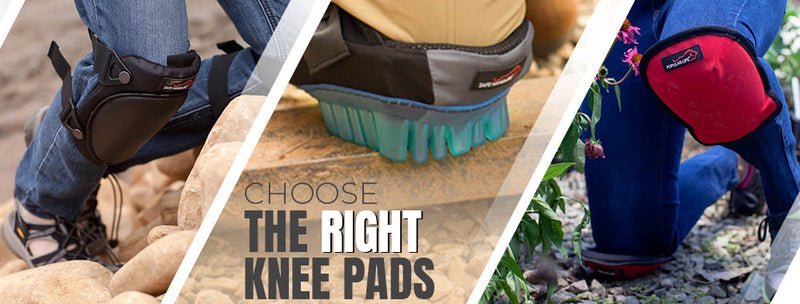
Are your knees feeling the strain every time you kneel down during carpentry projects? You’re not alone.
Many carpenters overlook the importance of protecting their knees, but you shouldn’t. Knee pads are your best friend when it comes to safeguarding your joints and enhancing your comfort on the job. Imagine completing your work without the constant worry of knee pain.
Sounds great, right? We’ll share simple yet effective tips for using knee pads that can make all the difference in your carpentry tasks. Stick around, and discover how the right knee pad techniques can transform your experience, making you more efficient and pain-free. Don’t let knee discomfort hold you back any longer!
Credit: www.wrightbiz.co.uk
Choosing The Right Knee Pads
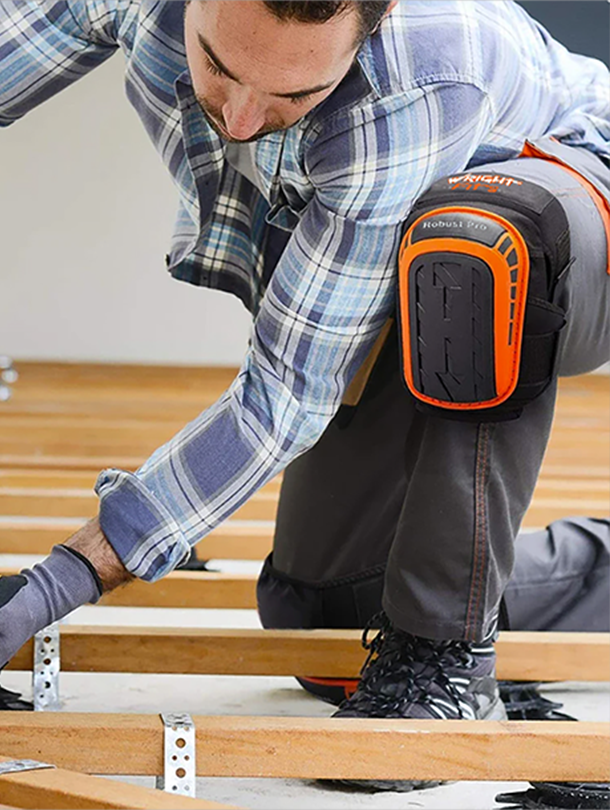
Knee pads protect your knees from injury and pain during carpentry work. Picking the right pair helps you stay comfortable and safe all day.
Consider the material, size, fit, and features before buying knee pads. Each factor affects how well they perform on the job.
Material Types And Their Benefits
Knee pads come in various materials. Each material offers different protection and comfort levels.
- Gel:Provides soft cushioning and absorbs shock well.
- Foam:Lightweight and comfortable but less durable.
- Hard plastic:Offers strong protection on rough surfaces.
- Rubber:Good grip and water resistance.
Size And Fit Considerations
Proper size and fit keep knee pads in place and prevent discomfort. Too tight or loose pads reduce protection.
| Fit Aspect | Why It Matters |
|---|---|
| Adjustable straps | Allow a secure fit for different leg sizes. |
| Padding thickness | Should match the type of surface you work on. |
| Shape and contour | Must fit the knee shape to avoid slipping. |
Features To Look For
Extra features improve knee pad usefulness and comfort during carpentry tasks.
- Water resistance keeps pads dry in damp conditions.
- Breathable fabric reduces sweat and skin irritation.
- Non-slip backing prevents sliding on smooth floors.
- Easy-to-clean materials save time after work.
- Durable construction ensures long-lasting use.
Credit: www.wrightbiz.co.uk
Preparing Knee Pads For Use
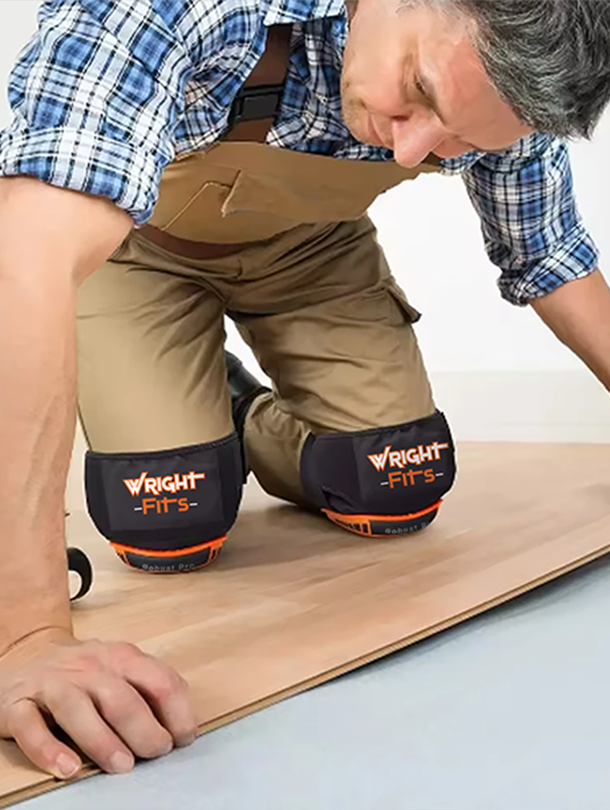
Knee pads protect your knees during carpentry work. Proper preparation helps them last longer.
Getting your knee pads ready means cleaning, adjusting, and breaking them in. These steps keep you safe and comfortable.
Cleaning And Maintenance Tips
Clean your knee pads regularly to remove dirt and sweat. This prevents bad smells and damage.
Use mild soap and warm water. Avoid harsh chemicals that can weaken the materials.
- Wipe knee pads with a damp cloth after use
- Air dry them completely before storing
- Check for tears or worn spots often
- Replace pads if cushioning is lost
Adjusting Straps For Secure Fit
Straps keep knee pads in place while you work. Adjust them to fit snug but not tight.
Loose straps can cause slipping. Tight straps may reduce blood flow and cause discomfort.
- Put on knee pads and fasten straps evenly
- Tighten straps until pads feel secure
- Test movement to ensure pads do not shift
- Adjust straps as needed during work
Breaking In New Knee Pads
New knee pads can feel stiff and uncomfortable. Breaking them in makes them softer and easier to wear.
Wear the pads for short periods at first. Move around and kneel to help them shape to your knees.
- Wear knee pads during light tasks initially
- Increase use time gradually over several days
- Check for comfort and adjust straps if needed
- Replace if pads do not soften after use
Techniques For Maximum Comfort
Wearing knee pads during carpentry helps protect your knees. Comfort is key to wearing them for long hours.
These tips focus on how to wear knee pads comfortably. They improve your work experience and reduce pain.
Proper Positioning During Work
Place the knee pads so they cover the kneecaps fully. Make sure they sit flat without slipping.
Adjust straps to keep the pads snug but not too tight. This prevents pressure points and discomfort.
- Center pads on the kneecap
- Tighten straps evenly
- Check position regularly during work
Balancing Protection And Mobility
Choose knee pads that protect well without limiting movement. Flexibility helps you work better.
Look for pads with soft edges and lightweight materials. They reduce bulk and allow easy bending.
- Use pads with cushioned but flexible shells
- Avoid very thick pads if you need to move fast
- Test different types to find your best fit
Using Padding Enhancements
Add soft foam inserts under knee pads for extra comfort. They reduce pressure on hard surfaces.
Wear moisture-wicking knee sleeves beneath pads. They keep skin dry and prevent chafing.
- Place thin foam cushions inside pads
- Use knee sleeves made from breathable fabric
- Replace padding regularly to keep it soft

Credit: www.reddit.com
Protecting Knees On Different Surfaces
Knee pads are essential for carpenters working on various surfaces. Different floors require different protection to keep knees safe and comfortable.
Choosing the right knee pads and using them properly can prevent injuries and pain during long work hours.
Working On Hard Floors
Hard floors like concrete or tiles can cause knee pain quickly. Knee pads with thick foam cushioning work best here.
- Look for knee pads with firm, dense padding
- Choose models with a non-slip outer surface
- Make sure the straps hold the pads tight but not too tight
- Replace worn-out pads to keep good protection
Handling Rough Outdoor Terrain
Uneven ground or gravel needs rugged knee pads with hard shells. These protect from sharp rocks and rough surfaces.
| Feature | Benefit |
| Hard outer shell | Protects against cuts and scrapes |
| Adjustable straps | Keep pads secure on rough ground |
| Water-resistant material | Keeps knees dry and clean |
| Breathable lining | Reduces sweating during work |
Dealing With Wet Or Slippery Conditions
Wet surfaces need knee pads that prevent slipping and dry quickly. Look for models with grip and water-resistant fabrics.
Tips for wet conditions:
- Choose knee pads with rubberized grips on the outside
- Use pads made from quick-dry materials
- Wear waterproof covers if needed
- Clean and dry knee pads after use
Maintaining Knee Health In Carpentry
Knee pads protect your knees during carpentry work. They help reduce pressure and prevent injuries.
Using knee pads correctly keeps your knees healthy for long-term work. Follow simple tips to avoid pain.
Stretching And Exercises
Stretch your legs and knees before starting work. This improves flexibility and lowers injury risk.
Simple exercises strengthen knee muscles and support joints. Strong muscles reduce knee strain.
- Do knee bends and leg lifts
- Stretch your hamstrings and calves
- Try gentle knee rotations
- Practice balance exercises
Taking Breaks To Reduce Strain
Take short breaks during carpentry work. Resting helps your knees recover from pressure.
Avoid staying in one position too long. Change your posture and walk around to ease knee stress.
- Stand up every 30 minutes
- Walk or stretch during breaks
- Use cushioned knee pads for comfort
- Switch knees when kneeling
Recognizing Signs Of Knee Injury
Watch for pain or swelling in your knees. These signs may mean you need to rest or see a doctor.
Other signs include stiffness, weakness, or difficulty moving the knee. Early care prevents serious problems.
- Sharp or constant knee pain
- Swelling or redness around the knee
- Difficulty bending or straightening the knee
- A feeling of weakness or instability
Upgrading And Replacing Knee Pads
Knee pads protect your knees during carpentry work. Using the right knee pads helps prevent pain and injury.
Upgrading or replacing knee pads keeps you comfortable and safe. Learn when and how to do this for the best results.
When To Replace Your Knee Pads
Check your knee pads often for signs of wear. Replace them if they no longer cushion your knees well.
Replace knee pads if the straps break or the padding gets too thin. Old pads might cause pain or damage.
- Pads lose cushioning or shape
- Straps or fasteners are damaged
- Cover material is torn or worn out
- Knee pads slip during work
Innovations In Knee Pad Technology
New knee pads use better materials for comfort and protection. Some have gel inserts or memory foam padding.
Modern designs often include breathable fabric and adjustable straps. These features keep knees cool and secure.
- Gel or memory foam padding
- Breathable and moisture-wicking fabric
- Adjustable and secure straps
- Lightweight but durable materials
Budget-friendly Upgrade Options
You can upgrade knee pads without spending much. Look for sales or try DIY padding inserts.
Replacing worn straps can improve old knee pads. Adding foam or gel pads inside old covers can help too.
- Buy replacement straps or fasteners
- Add foam or gel inserts
- Shop for sales or clearance items
- Use secondhand knee pads in good shape
Frequently Asked Questions
What Are The Benefits Of Using Knee Pads In Carpentry?
Knee pads protect your knees from injury and strain. They provide cushioning on hard surfaces and improve comfort during long projects. Using knee pads reduces the risk of joint pain and enhances your overall productivity while working in carpentry.
How Do I Choose The Right Knee Pads For Carpentry?
Look for knee pads with durable materials and adequate cushioning. Ensure they fit snugly but comfortably. Choose models with adjustable straps and slip-resistant backing. Prioritize breathable fabrics to reduce sweating during long use.
Can Knee Pads Prevent Knee Injuries In Carpentry?
Yes, knee pads absorb impact and reduce pressure on your knees. They help prevent bruises, cuts, and joint strain. Wearing knee pads regularly lowers the chance of long-term knee damage from repetitive tasks.
How Should I Maintain And Clean My Carpentry Knee Pads?
Clean knee pads by wiping them with a damp cloth after use. For deeper cleaning, hand wash with mild soap and air dry. Avoid machine washing to maintain their shape and durability.
Conclusion
Using knee pads during carpentry keeps your knees safe and comfortable. They help prevent pain and injuries from long hours on hard surfaces. Choose pads that fit well and offer good cushioning. Remember to clean and store them properly to last longer.
Taking care of your knees means you can work better and for longer. Protect yourself today for easier carpentry tomorrow.
