Are your jigsaw blades not cutting as smoothly as they used to? Are you tired of dealing with dull edges and rough cuts?
Maintaining your jigsaw blades might seem like a small task, but it can make a big difference in your cutting projects. In this guide, you’ll discover simple yet effective tips to keep your blades sharp and efficient. Imagine working with tools that glide through materials with precision, saving you time and effort.
You deserve that seamless experience. Keep reading to learn how you can extend the life of your jigsaw blades and ensure every cut is as perfect as the first.
Credit: www.housedigest.com
Choosing The Right Blade
Picking the correct jigsaw blade is key for smooth cuts and blade life. Different blades suit different tasks and materials.
Knowing blade types, materials, and teeth per inch helps you select the best blade for your project.
Types Of Jigsaw Blades
Jigsaw blades come in many shapes and sizes. Each type fits a specific cutting need.
Common blade types include T-shank and U-shank. T-shank blades lock firmly in most jigsaws.
- Scroll blades: Thin and flexible for curved cuts
- Straight blades: Strong for straight cuts
- Specialty blades: Designed for metals or wood
Material Compatibility
Use the right blade material for the surface you cut. This improves cut quality and blade life.
High carbon steel blades work well on wood and soft plastics. Bi-metal blades last longer on metals.
- Wood: High carbon steel or special wood blades
- Metal: Bi-metal or carbide-tipped blades
- Plastic: Fine-tooth blades to avoid cracking
Blade Tpi And Its Impact
TPI means teeth per inch. It affects how smooth and fast the cut is.
Lower TPI cuts faster but rougher. Higher TPI cuts slower but smoother and cleaner.
| TPI | Best For | Cut Quality |
|---|---|---|
| 6-10 | Thick wood, fast cuts | Rough |
| 10-14 | General wood, plastics | Medium |
| 14-24 | Thin metal, fine cuts | Smooth |
Proper Blade Installation
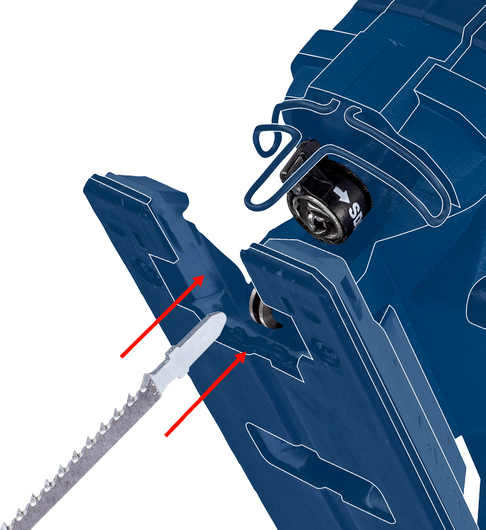
Installing jigsaw blades correctly helps your tool work better and last longer. It also keeps you safe while cutting.
This guide explains how to install blades with the right orientation and how to secure them firmly.
Correct Blade Orientation
Place the blade so the teeth point forward and down toward the cutting surface. This direction cuts smoothly and prevents damage.
Check the blade for arrows or markings that show the correct direction. Insert the blade accordingly to avoid mistakes.
- Teeth face away from the jigsaw body
- Teeth point down toward the workpiece
- Match arrows or symbols on the blade
Securing The Blade Firmly
Make sure the blade fits tightly in the holder. A loose blade can slip or break during use.
Tighten the blade clamp or screw properly. Use the tool’s locking mechanism as the instructions say.
- Insert the blade fully into the holder
- Use the clamp or screw to lock the blade
- Check the blade does not move or wobble
Cleaning And Lubrication
Keeping your jigsaw blades clean and well-lubricated helps them cut better and last longer. Dirt and residue can slow down the blade and cause damage.
Proper cleaning and lubrication reduce friction and heat. This keeps your tool running smoothly and safely.
Removing Debris
Debris like sawdust and resin can build up on jigsaw blades quickly. Removing this keeps the blade sharp and effective.
- Turn off and unplug the jigsaw before cleaning.
- Use a soft brush to remove loose dust and particles.
- For sticky resin, apply a small amount of rubbing alcohol on a cloth and wipe the blade.
- Dry the blade completely after cleaning to stop rust.
- Check the blade for damage or dullness before use.
Using Lubricants Safely
Lubricants help reduce friction and heat on jigsaw blades. Use them carefully to avoid harming the blade or your tool.
| Lubricant Type | Use Instructions | Safety Tips |
| Light machine oil | Apply a few drops on the blade before cutting. | Wipe off excess oil to avoid slipping. |
| Silicone spray | Spray lightly on the blade for smooth cutting. | Use in a well-ventilated area. |
| Dry lubricants (graphite) | Brush on dry lubricant to reduce friction. | Avoid inhaling the powder. |
Credit: www.gz-supplies.com
Storage Tips For Blades
Keeping jigsaw blades in good shape is important for their performance. Proper storage helps protect blades from damage and rust. This guide shares simple tips to store your blades right.
Follow these steps to keep blades sharp and ready for use. Good storage also saves time when you need to find the right blade.
Preventing Rust And Corrosion
Rust can damage jigsaw blades and reduce their life. To stop rust, keep blades dry and clean. Wipe blades with a dry cloth after use. Store blades in a dry place away from moisture.
- Use silica gel packs to absorb moisture in storage boxes
- Apply a light coat of machine oil to blades for extra protection
- Avoid storing blades in damp or humid areas
- Check blades often for signs of rust or corrosion
Organizing Blades Efficiently
Organizing blades helps you find the right blade fast. Keep blades sorted by size and type. Use containers with compartments or blade cases to keep blades separated.
| Blade Type | Storage Method | Benefits |
| Fine-tooth blades | Small plastic boxes with slots | Prevent bending and easy to find |
| Coarse-tooth blades | Magnetic strips on tool wall | Quick access and visible |
| Specialty blades | Labeled envelopes inside a drawer | Safe storage and clear labeling |
Sharpening Jigsaw Blades
Jigsaw blades lose their sharpness after long use. Sharpening them keeps cuts clean and precise. It also saves money by extending blade life.
Knowing when and how to sharpen blades helps maintain your tool’s performance. This guide covers key points on sharpening jigsaw blades.
When To Sharpen
Look for signs that show a blade needs sharpening. Dull blades make cutting harder and damage the material. Check blade edges often to keep them sharp.
- The blade struggles to cut through wood or metal.
- Cut edges become rough or splintered.
- The jigsaw motor slows down or strains.
- Visible wear or damage on the blade teeth.
- Blade produces smoke or burns the material.
Tools And Techniques
Use the right tools to sharpen jigsaw blades safely and effectively. Hand sharpening is common, but power tools can speed the process.
| Tool | Use | Notes |
| Diamond file | Hand sharpening teeth | Small size fits blade teeth well |
| Rotary tool with grinding bit | Quick sharpening | Requires steady hand and safety gear |
| Sharpening stone | Polishing blade edges | Use fine grit for best results |
| Bench grinder | Heavy sharpening | Can remove too much metal if not careful |
Sharpen by gently filing each tooth. Keep the original angle of the teeth. Avoid overheating the blade to prevent damage.
Avoiding Common Mistakes
Jigsaw blades need proper care to last longer. Many users make simple mistakes that shorten blade life.
Knowing what to avoid helps keep blades sharp and safe to use. This guide covers common errors.
Overheating The Blade
Heat damages the blade and reduces cutting quality. Overheating happens when the blade moves too slowly or is pushed hard.
- Do not force the blade through the material.
- Use the correct speed for the material type.
- Take breaks to let the blade cool if cutting for a long time.
- Keep the blade clean from resin and dirt.
Using Blades Beyond Their Purpose
Each jigsaw blade is designed for specific materials and cuts. Using the wrong blade causes fast wear and poor results.
| Blade Type | Best For | Not Recommended For |
| Fine Tooth | Thin wood, laminate | Metal, thick wood |
| Coarse Tooth | Thick wood, soft materials | Metal, plastics |
| Metal Cutting | Sheet metal, pipes | Wood, plastic |
Choose the right blade for the task. Check the blade label or manual for material compatibility.
Signs Of Blade Wear
Jigsaw blades wear out over time. Recognizing the signs helps keep your cuts clean and safe.
Check your blades often to avoid damage to your projects and tools.
Reduced Cutting Performance
A dull blade cuts slower and less smoothly. It may also cause the jigsaw to work harder.
- Cutting takes longer than usual
- The blade struggles to cut through material
- More force is needed to push the jigsaw
- Edges of cuts are rough or splintered
- The blade overheats or burns the wood
Visual Wear Indicators
Look closely at the blade for signs of damage or wear before use.
| Wear Sign | Description | Effect on Cutting |
| Missing Teeth | Teeth are broken or chipped | Uneven cuts, increased effort |
| Rounded Teeth | Teeth edges are dull and smooth | Slow cutting, poor precision |
| Rust or Corrosion | Surface has brown or rough spots | Blade weakens and may break |
| Blade Warping | Blade is bent or twisted | Cut lines become inaccurate |
Credit: www.bosch-professional.com
Frequently Asked Questions
How Often Should Jigsaw Blades Be Replaced?
Replace jigsaw blades when they show signs of dullness or damage. Frequent use on hard materials can wear blades faster. Regular replacement ensures clean cuts and prolongs tool life. Inspect blades before each use for best performance.
What Is The Best Way To Clean Jigsaw Blades?
Clean blades with a soft brush and mild detergent after use. Avoid harsh chemicals to prevent blade damage. Dry thoroughly to prevent rust. Clean blades improve cutting accuracy and extend blade lifespan.
How Can I Prevent Jigsaw Blades From Dulling Quickly?
Use the correct blade type for your material to reduce wear. Avoid forcing the blade through tough spots. Regularly clean and lubricate blades to maintain sharpness. Proper use increases blade longevity and cutting efficiency.
Can I Sharpen A Jigsaw Blade At Home?
Sharpening jigsaw blades at home is difficult and not recommended. Blades are thin and delicate, making precise sharpening challenging. It’s better to replace dull blades for safety and optimal cutting performance.
Conclusion
Maintaining jigsaw blades keeps them sharp and lasts longer. Clean blades often and store them in a dry place. Check for damage before each use to stay safe. Change blades when they get dull to cut well. Proper care saves money and improves your work quality.
Small steps make a big difference in blade life. Keep these tips in mind for smooth, accurate cuts every time. Taking care of your tools pays off in the end.