Choosing the right garden hoe can make all the difference in your gardening experience. Whether you’re a seasoned gardener or just starting out, the right tool can save you time, effort, and even a few backaches.
Imagine turning your garden into a lush paradise with ease, each stroke of the hoe feeling just right. You deserve tools that work with you, not against you. In this guide, you’ll discover how to find a garden hoe that fits your needs perfectly.
From understanding different types to picking the best one for your soil, we’ll cover it all. Ready to make gardening a breeze? Let’s dig in!
Types Of Garden Hoes
Garden hoes come in many shapes and sizes. Each type serves a special purpose.
Knowing the types helps you pick the right hoe for your garden tasks.
Draw Hoe
The draw hoe has a flat blade set at a right angle to the handle. You pull it toward you to cut weeds.
This hoe works well for breaking up soil and removing weeds near plants.
Dutch Hoe
The Dutch hoe has a sharp blade that cuts weeds just under the soil surface. You push or pull it lightly.
This hoe is good for shallow weeding and mixing soil without hurting plant roots.
Warren Hoe
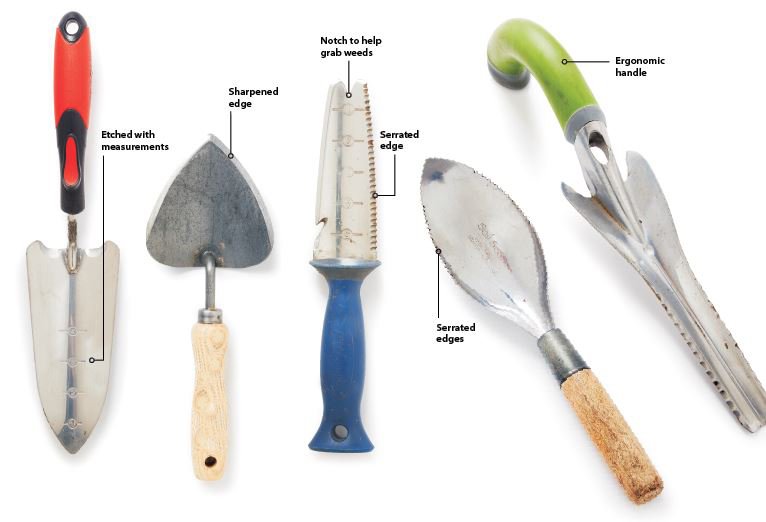
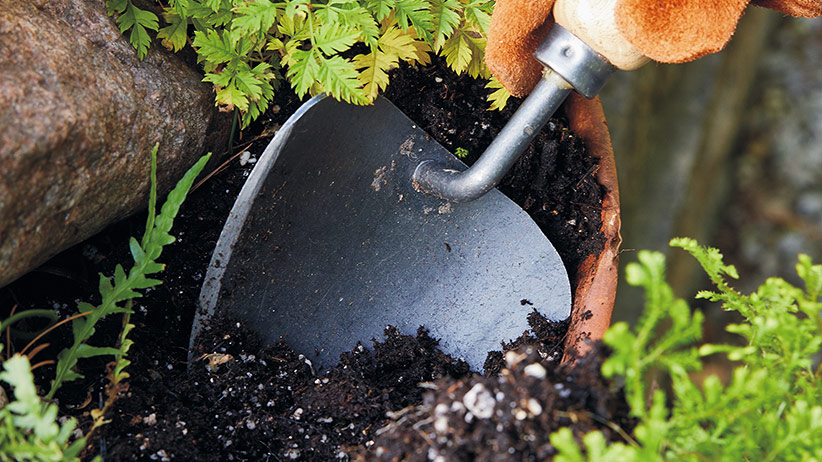
The Warren hoe has a triangular blade. It is pointed and sharp on all sides.
This hoe is ideal for digging small trenches and shaping soil around plants.
Collinear Hoe
The collinear hoe has a narrow, long blade aligned with the handle. It cuts weeds with a slicing motion.
This hoe works best for precise weeding in tight spaces and between rows.

Credit: joebrocato.com
Key Features To Consider
Choosing the right garden hoe makes your work easier and more efficient. Several key features affect how well a hoe performs in your garden.
Understanding these features helps you pick the best tool for your needs and garden size.
Blade Shape And Size
The blade is the part of the hoe that touches the soil. Different shapes and sizes serve different tasks.
- Flat blades are good for shaping soil and removing weeds.
- Pointed blades work well for breaking hard soil.
- Narrow blades are ideal for tight spaces and precise weeding.
- Wide blades cover more ground quickly, useful for large gardens.
Handle Length And Material
The handle length affects comfort and reach. The material impacts durability and weight.
| Handle Length | Benefits |
| Short (3-4 feet) | Good for close work and control |
| Long (5-6 feet) | Better reach and less bending |
| Material | Advantages |
| Wood | Natural feel, absorbs shock |
| Fiberglass | Durable and lightweight |
| Metal | Strong but can be heavy |
Weight And Balance
A well-balanced hoe reduces fatigue and improves control. Weight affects how easy it is to use for long periods.
Check these points for good weight and balance:
- The hoe should not feel too heavy to lift repeatedly.
- The weight should be centered near the blade for better control.
- A balanced tool helps avoid strain on your wrists and back.
Matching Hoes To Garden Tasks
Choosing the right garden hoe makes your work easier. Different hoes work best for specific tasks.
Knowing which hoe to use helps you save time and effort in the garden.
Weeding
A hoe with a sharp, narrow blade works well for weeding. It cuts weeds just below the soil surface.
A Dutch hoe or a stirrup hoe helps remove weeds without disturbing nearby plants.
- Sharp blade to cut weeds
- Narrow shape for tight spots
- Lightweight for easy use
Soil Cultivation
For soil cultivation, use a hoe with a wide blade. It helps break up soil and mix nutrients.
Hoes with flat or slightly curved blades work well to loosen soil and prepare beds.
- Wide blade for better soil coverage
- Strong handle for pressure
- Flat or curved blade shape
Creating Furrows
A hoe with a pointed blade is best for making furrows. It creates straight, narrow rows for seeds.
Hoes like the Warren hoe or the eye hoe are good for this task. They cut clean furrows quickly.
- Pointed blade for narrow furrows
- Light but strong design
- Easy to control for straight lines
Breaking Hard Soil
Use a heavy hoe with a sturdy blade to break hard soil. It can chop through compacted ground.
A pick mattock or a grub hoe works well. These tools have strong blades for tough soil.
- Heavy blade for breaking soil
- Strong handle for force
- Wide or pick-style blade
Material Quality And Durability
Choosing the right garden hoe depends a lot on the materials used. Good quality materials last longer and work better in the garden.
Durability means the hoe will not break or wear out quickly. This saves money and effort over time.
Steel Types
The blade of a garden hoe is usually made from steel. Different types of steel affect its strength and sharpness.
Carbon steel is strong and holds its edge well. Stainless steel resists rust but can be softer.
- Carbon steel: Very strong and sharp
- Stainless steel: Rust-resistant but less sharp
- Alloy steel: A mix for balance of strength and durability
Rust Resistance
Rust can damage the hoe blade and reduce its life. Look for hoes with rust-resistant coatings or made from stainless steel.
Proper care like cleaning and drying the hoe after use also helps prevent rust.
- Stainless steel blades resist rust well
- Paint or powder coatings add protection
- Keep the hoe dry to avoid rust
Handle Durability
The handle must be strong to avoid breaking during work. Common materials include wood, fiberglass, and metal.
Wood handles feel natural but need care. Fiberglass is strong and light. Metal handles are very durable but can be heavy.
- Wood: Comfortable but can crack if dry
- Fiberglass: Strong, light, and weather-resistant
- Metal: Very durable but heavier to use
Ergonomics And Comfort
Choosing the right garden hoe is important for comfort and ease. Ergonomics help reduce tiredness while working.
A good hoe fits your hand and body well. This makes gardening easier and less painful.
Grip Design
The grip of your garden hoe should feel secure and soft. It stops your hand from slipping during work.
Look for grips made from rubber or foam. These materials absorb sweat and reduce blisters.
- Non-slip texture improves control
- Soft materials lower pressure on hands
- Wide grips spread hand force evenly
Handle Shape
Handles come in straight or curved shapes. Choose one that matches your natural wrist position.
Curved handles reduce wrist bending. This helps prevent pain during long gardening sessions.
- Straight handles suit taller users
- Curved handles ease wrist movement
- Ergonomic shapes reduce muscle strain
Reducing Strain
Pick a hoe that feels light but strong. Heavy tools cause fatigue and make work harder.
Adjust the handle length to your height. A proper length helps keep your back straight and safe.
- Lightweight materials reduce arm strain
- Correct handle length supports good posture
- Using padded gloves can lessen hand stress
Credit: www.paudhewale.com
Budget And Brand Choices
Choosing the right garden hoe depends on your budget and brand preference. A good hoe makes gardening easier and lasts longer. Picking the right type means balancing cost and quality.
Brands offer different models with varied features. Knowing what to expect from affordable and premium tools helps you decide wisely. Also, consider warranty and customer support from brands.
Affordable Vs Premium
Affordable hoes suit casual gardeners or small gardens. They cost less but may wear out faster. Premium hoes have stronger materials and better design. They last longer and feel comfortable to use.
- Affordable hoes are good for light tasks.
- Premium hoes resist rust and damage better.
- Premium hoes often have ergonomic handles.
- Affordable hoes may need replacement sooner.
Trusted Brands
Choosing a trusted brand ensures quality and reliability. Brands with good reviews often provide tools that work well and last. Look for brands known for garden tools and good customer feedback.
| Brand | Known For | Price Range |
| GardenPro | Durable metal hoes | Affordable to Mid |
| GreenTools | Ergonomic designs | Mid to Premium |
| FarmMaster | Heavy-duty hoes | Premium |
| EcoGarden | Eco-friendly materials | Affordable to Mid |
Warranty And Support
Warranty shows brand confidence in their product. Support helps if you have issues or questions. Check if the hoe comes with a warranty and if the brand offers easy customer service.
- Look for at least one-year warranty coverage.
- Check if replacement parts are available.
- Read reviews about brand support quality.
- Choose brands with clear return policies.
Maintenance Tips For Longevity
Taking care of your garden hoe helps it last longer. Proper maintenance keeps it sharp and strong.
Simple steps like cleaning, sharpening, and storing right can protect your hoe from damage.
Cleaning After Use
Always clean your garden hoe after using it. Dirt and moisture can cause rust and wear.
Use a brush or cloth to remove soil and plant material. Rinse with water if needed and dry well.
- Remove soil with a stiff brush
- Wipe blade with a dry cloth
- Use water to rinse, then dry immediately
- Apply light oil to metal parts to stop rust
Sharpening Blades
Keep the hoe blade sharp for better performance. Sharp blades cut weeds easier and save effort.
Use a file or sharpening stone to smooth the blade edge. Follow the original blade angle for best results.
- Secure the hoe firmly before sharpening
- File in one direction, not back and forth
- Check blade sharpness often
- Wear gloves and eye protection
Storage Solutions
Store your garden hoe in a dry place to protect it from moisture. Avoid leaving it outside in rain.
Hang the hoe on a wall or place it off the ground. This prevents blade damage and keeps it clean.
- Use hooks or racks to hang the hoe
- Keep away from damp areas
- Cover the blade with a guard or cloth
- Store with other garden tools for easy access
Credit: www.gardengatemagazine.com
Frequently Asked Questions
What Types Of Garden Hoes Are Best For Beginners?
For beginners, a standard draw hoe or a stirrup hoe is ideal. They are easy to use and versatile. These hoes help with weeding and soil preparation without requiring much experience. Choose a lightweight model for comfort and better control.
How Do I Choose The Right Hoe For My Soil Type?
Choose a heavy-duty hoe for hard or compacted soil. For loose, sandy soil, a lighter hoe works well. Consider the blade shape: a narrow blade suits tight spaces, while a wider blade is better for open areas.
What Is The Ideal Handle Length For Garden Hoes?
A handle length of 48 to 60 inches is ideal for most gardeners. It provides good leverage and reduces back strain. Choose a length that feels comfortable and suits your height for efficient gardening.
Can I Use One Hoe For Multiple Gardening Tasks?
Some hoes, like the stirrup hoe, are versatile for weeding and cultivating. However, specialized hoes perform better for specific tasks such as chopping or shaping soil. It’s best to have a few types for different garden needs.
Conclusion
Choosing the right garden hoe makes gardening easier and more fun. Think about the size, shape, and weight that suit you best. A good hoe helps you weed, dig, and shape soil well. Try different types before buying to find your favorite.
Taking time to pick the right tool saves effort later. Happy gardening starts with the right hoe in hand. Keep your garden healthy and your work light. Simple steps lead to better results every time.