
Choosing the right safety footwear for construction isn’t just about comfort; it’s about protecting your feet from potential hazards on the job site. Imagine stepping onto a nail or slipping on a wet surface—these are risks you face daily.
With the right pair of boots, you can work confidently, knowing your feet are safeguarded against the unexpected. But with so many options out there, how do you choose the perfect pair? In this guide, you’ll discover key factors that ensure your safety without sacrificing comfort.
Ready to keep your feet secure and your workday seamless? Let’s dive into the essentials of selecting the best safety footwear for your needs.
Credit: www.webstaurantstore.com
Importance Of Safety Footwear
Safety footwear is essential on construction sites. It protects workers from injuries and accidents.
Choosing the right safety shoes helps prevent foot damage and keeps workers safe all day.
Protecting Against Common Hazards
Construction sites have many hazards like sharp objects, heavy tools, and slippery surfaces. Safety footwear reduces risks by offering strong soles and toe protection.
- Steel or composite toe caps protect against falling objects.
- Slip-resistant soles prevent falls on wet or oily floors.
- Puncture-resistant layers stop nails or sharp debris from piercing the shoe.
- Waterproof materials keep feet dry in wet conditions.
Legal And Workplace Requirements
Many workplaces and laws require safety footwear to meet specific standards. Employers must provide or enforce proper footwear use to keep workers safe.
| Requirement | Description | Example Standard |
| Toe Protection | Protects toes from impact and compression. | ASTM F2413 |
| Slip Resistance | Reduces risk of slipping on surfaces. | ANSI/ISEA 107 |
| Puncture Resistance | Prevents sharp objects from penetrating the sole. | EN ISO 20345 |
| Electrical Hazard Protection | Protects against electric shocks. | CSA Z195 |
Types Of Safety Footwear
Safety footwear protects workers from foot injuries on construction sites. Different types of boots offer various protections.
Choosing the right safety footwear depends on the work hazards you face. Here are common types of safety boots used in construction.
Steel Toe Boots
Steel toe boots have a strong steel cap over the toes. This protects feet from heavy falling objects or compression.
These boots are durable and often used in many construction jobs. They also protect against sharp objects on the ground.
Composite Toe Boots
Composite toe boots use materials like Kevlar or plastic instead of steel. They are lighter and do not conduct electricity.
These boots are good for workers who need protection but want less weight. They are also good for metal-free zones.
Metatarsal Boots
Metatarsal boots protect the upper foot and toe area. They have extra shields over the metatarsal bones.
This type of boot is ideal for heavy work where big objects might fall on the foot. It offers more coverage than regular toe boots.
Electrical Hazard Boots
Electrical hazard boots protect against electric shocks. They have soles that insulate against electricity.
These boots are important for workers who handle electrical wires or work near live circuits. They reduce the risk of electric injury.
Key Features To Consider
Choosing the right safety footwear is important for construction workers. The right shoes protect feet and improve comfort on site.
Focus on important features that keep your feet safe and comfortable during work.
Sole Material And Traction
The sole material affects grip and how the shoe handles rough surfaces. Good traction helps prevent slips and falls.
Look for soles made from rubber or polyurethane. These materials offer strong grip and resist wear.
- Rubber soles provide excellent slip resistance
- Polyurethane soles are lightweight and durable
- Deep treads improve traction on uneven ground
- Oil-resistant soles add extra protection
Water Resistance And Breathability
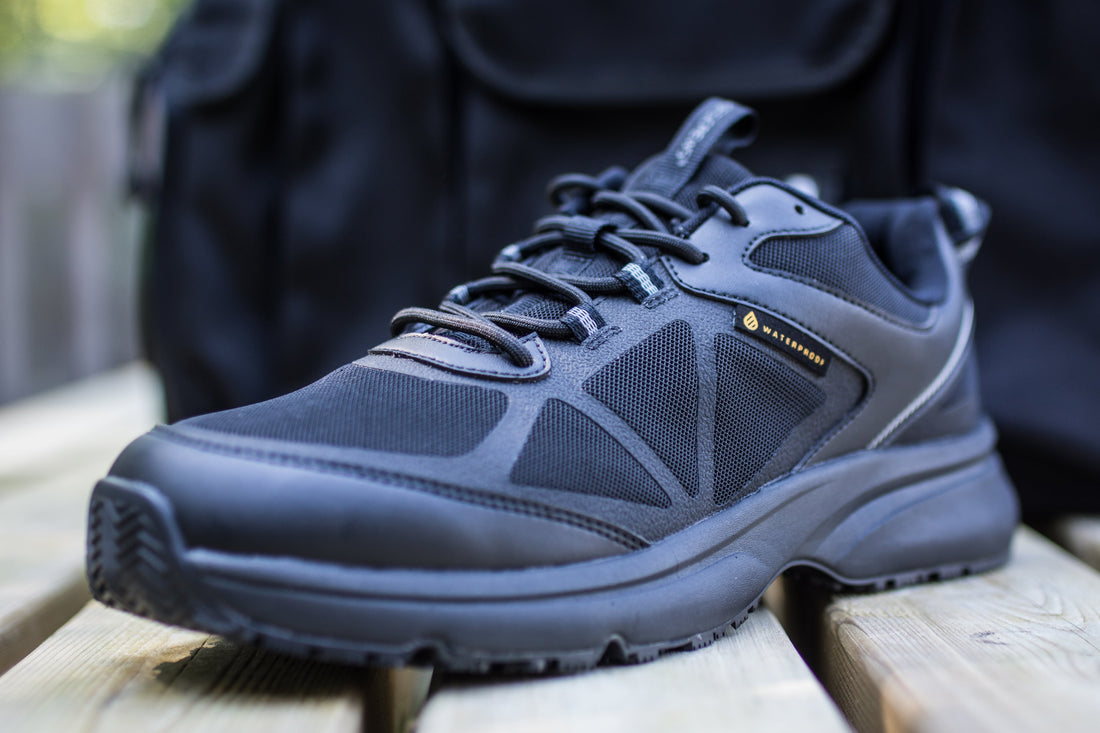
Water-resistant shoes keep your feet dry in wet conditions. Breathable materials allow air to flow and reduce sweat.
Choose footwear that balances water protection and breathability to stay comfortable all day.
- Waterproof membranes block water from entering
- Mesh panels improve airflow
- Leather offers natural water resistance
- Look for moisture-wicking linings
Comfort And Fit
Comfort is key when wearing safety footwear for long hours. Shoes should fit well and support your feet.
Try shoes on with work socks to check fit. Look for padding and arch support inside.
- Proper length and width prevent pinching
- Cushioned insoles reduce foot fatigue
- Adjustable laces or straps improve fit
- Lightweight designs ease movement
Durability And Maintenance
Durable footwear withstands tough work conditions. Check materials and construction for long-lasting use.
Easy maintenance helps keep shoes in good shape and extends their life.
- Leather uppers resist cuts and abrasions
- Double stitching adds strength
- Replaceable insoles allow fresh comfort
- Clean and dry shoes regularly to avoid damage
Credit: www.shoesforcrewseurope.co.uk
Selecting Footwear For Specific Conditions
Choosing the right safety footwear is important for construction workers. Different job sites have unique challenges. The footwear must fit the conditions to keep workers safe and comfortable.
This guide helps you pick safety shoes for wet, hot, and rough environments. Proper footwear reduces the risk of injuries and improves work performance.
Wet And Muddy Environments
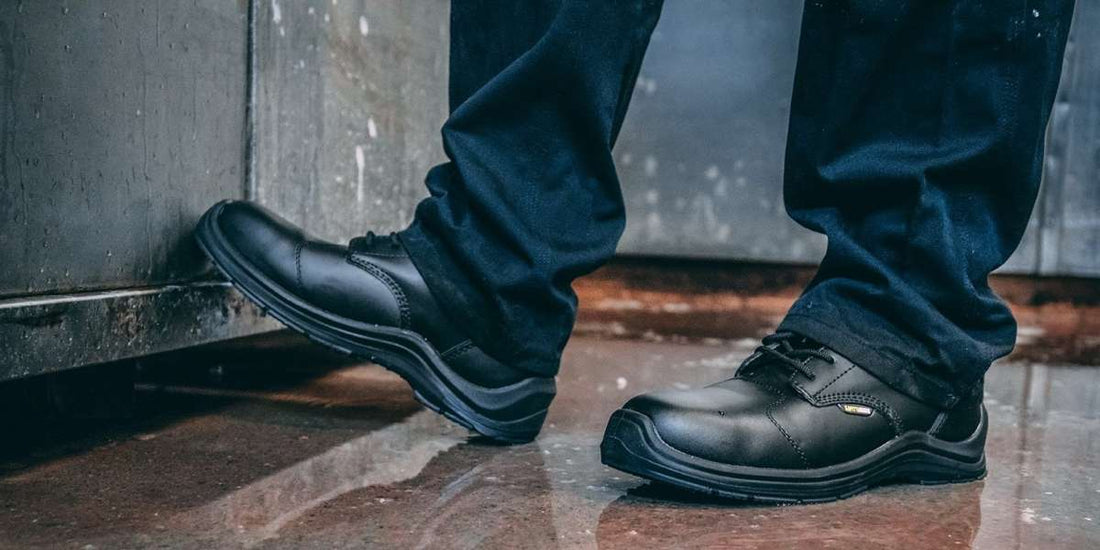
Wet and muddy areas are slippery and can cause falls. Safety boots for these places need good grip and water resistance. Waterproof materials keep feet dry all day.
Look for boots with deep treads. They help prevent slipping on mud or wet surfaces. Also, boots with sealed seams stop water from getting inside.
- Waterproof leather or rubber boots
- Slip-resistant outsoles with deep treads
- Sealed seams to block water
- Quick-dry lining for comfort
High Heat Areas
Construction sites with high heat need footwear that protects against burns. Shoes should have heat-resistant soles. This prevents damage from hot surfaces.
Breathable materials help keep feet cool. Heat can cause sweating and discomfort. Proper ventilation lowers the risk of heat-related problems.
- Heat-resistant soles and toe caps
- Breathable leather or mesh uppers
- Insulation to block heat
- Lightweight design for comfort
Uneven And Rough Terrain
Uneven ground and rough terrain need tough and stable footwear. Boots with strong ankle support reduce the chance of twists and sprains. Thick soles protect feet from sharp objects.
Good shock absorption helps with long hours of walking or standing. Durable materials resist tears and wear on harsh surfaces.
- High ankle support for stability
- Thick, puncture-resistant soles
- Shock-absorbing midsoles
- Durable leather or synthetic uppers
Common Mistakes To Avoid
Choosing the right safety footwear is key for construction workers. Many make errors that reduce protection and comfort.
This guide points out common mistakes to help you pick the best shoes for your work.
Ignoring Proper Fit
Wearing shoes that do not fit well can cause pain and injuries. Shoes that are too tight hurt your toes. Loose shoes can cause slips and trips.
- Measure your feet before buying
- Try shoes on with work socks
- Check for enough toe room
- Walk around to test comfort
- Avoid shoes that pinch or slip
Overlooking Safety Standards
Not all safety shoes meet the rules for construction sites. Ignoring safety standards can leave your feet unprotected from hazards.
| Safety Standard | What It Means | Why It Matters |
| ASTM F2413 | Impact and compression resistance | Protects toes from heavy objects |
| EN ISO 20345 | Basic safety requirements | Ensures slip resistance and durability |
| CSA Z195 | Canadian safety footwear standard | Meets local job site rules |
Neglecting Footwear Maintenance
Dirty and worn-out shoes lose their safety features. Bad maintenance can cause accidents and foot problems.
- Clean shoes after each use
- Check soles for wear and tear
- Replace damaged insoles
- Store shoes in a dry place
- Avoid exposure to extreme heat
Credit: www.shoesforcrewseurope.co.uk
Tips For Buying And Caring
Choosing the right safety footwear for construction keeps your feet safe and comfortable. Proper care can extend the life of your boots. Follow these tips to buy and care for your footwear well.
Good safety boots fit well and protect against hazards. Trying them at different times and caring for them helps ensure they serve you better.
Trying Footwear At Different Times
Feet change size during the day. Try on boots in the afternoon or evening when feet are largest. This helps find a comfortable fit that won’t feel tight later.
- Wear the socks you plan to use on site.
- Walk around to check comfort and support.
- Make sure toes have enough space to move.
- Check heel fit to avoid slipping.
Breaking In New Boots
New boots can feel stiff at first. Break them in slowly to avoid blisters and discomfort. Wear them for short periods at first and increase time daily.
- Wear boots at home for an hour or two.
- Walk on different surfaces to soften materials.
- Use boot stretchers if needed for tight spots.
- Stop if you feel pain or rubbing and adjust.
Cleaning And Storage Advice
Clean your boots after every use to keep them in good shape. Proper storage stops damage from moisture and dirt.
| Cleaning Step | Details |
| Remove dirt | Use a soft brush or cloth to wipe mud and dust |
| Wash gently | Use mild soap with water, avoid soaking the boots |
| Dry naturally | Air dry at room temperature, avoid direct heat |
| Store properly | Keep in a cool, dry place away from sunlight |
Frequently Asked Questions
What Are The Key Features Of Construction Safety Footwear?
Construction safety footwear must have steel toe caps, slip-resistant soles, and puncture-resistant midsoles. They protect feet from heavy objects, sharp debris, and slippery surfaces common on sites.
How To Choose The Right Safety Footwear Size?
Always measure your feet at the end of the day. Choose footwear with enough room for socks and comfort. Proper fit prevents blisters and foot fatigue during long work hours.
Why Is Slip Resistance Important In Construction Boots?
Slip resistance prevents falls on wet or oily surfaces. Construction sites often have slippery areas, making this feature vital for worker safety and accident prevention.
Can Safety Footwear Protect Against Electrical Hazards?
Yes, some safety boots have electrical hazard (EH) protection. They insulate against electric shocks, making them essential for workers near live wires or electrical equipment.
Conclusion
Choosing the right safety footwear protects your feet and boosts comfort. Good shoes reduce risks and help you work better. Always check for strong soles and good fit. Pick boots that match your job’s needs and weather conditions. Take care of your footwear to make them last longer.
Safety comes first on construction sites. Your feet deserve the best protection every day. Stay safe, stay comfortable, and keep moving forward.