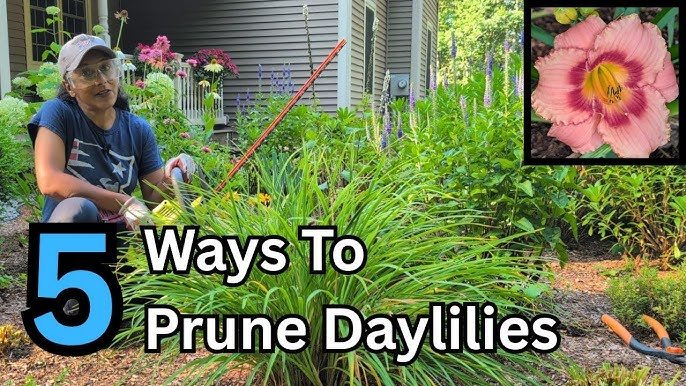
Are your perennials looking a bit untamed after their beautiful bloom? You’re not alone.
Many gardeners, both new and experienced, face the challenge of maintaining their perennial plants once the vibrant flowers have faded. Knowing how to cut back perennials after they bloom can make a significant difference in the health and appearance of your garden.
Imagine transforming your garden into a masterpiece of tidy and thriving perennials, ready to bloom even more brilliantly in the next season. In this guide, you’ll discover straightforward techniques to keep your garden in top shape, ensuring your perennials remain healthy and stunning. Let’s dive in and explore how a little trimming can lead to a garden that’s not just alive, but truly thriving.
Timing For Cutting Back Perennials
Cutting back perennials at the right time helps plants stay healthy. It also prepares them for new growth next season.
Knowing when to cut back depends on the plant type and bloom time. This guide helps you find the best timing.
Best Time After Bloom
Cut back perennials soon after they finish blooming. This stops them from wasting energy on old flowers.
Most perennials need trimming in late summer or early fall. Some should be cut back in early spring instead.
- Cut after flowers wilt and dry
- Wait until leaves start yellowing for some types
- Spring cut back suits plants that bloom on new growth
Signs To Look For
Look for clear signs that show when perennials need cutting. These signs tell you the plant is done blooming.
Some common signs include faded flowers and browning leaves. These mean it is time to trim the plant.
- Flowers lose color and petals fall off
- Leaves turn yellow or brown
- Stems start to dry and look weak
- Plant stops making new flowers

Credit: bbbarns.com
Tools Needed For Pruning
Cutting back perennials after they bloom helps plants stay healthy. Using the right tools makes pruning easier and safer. Preparing your tools before you start saves time and effort.
Good tools help you cut cleanly and protect the plant. Keep tools sharp and clean to avoid spreading diseases.
Essential Cutting Tools
You need sharp, sturdy tools for cutting back perennials. Each tool works best for certain types of stems or branches. Here are the most common ones:
- Pruning shears:Best for small stems up to ¾ inch thick.
- Loppers:Used for thicker branches up to 2 inches wide.
- Garden scissors:Good for delicate or soft stems.
- Hand saw:Needed for very thick or woody stems.
Cleaning And Maintenance
Keeping your tools clean and sharp helps plants heal faster. Dirty tools can spread harmful germs.
| Task | How to Do It | Frequency |
| Cleaning | Wipe blades with rubbing alcohol or soapy water. | After each use |
| Sharpening | Use a sharpening stone or file to keep blades sharp. | Monthly or when blades dull |
| Oiling | Apply light oil to moving parts to prevent rust. | After cleaning |
| Storage | Store in a dry place to avoid moisture damage. | Always |
Step-by-step Cutting Process
Cutting back perennials after they bloom helps keep plants healthy and tidy. This process encourages new growth for next season. Follow these simple steps to care for your perennials.
Use clean, sharp tools to make smooth cuts. Always cut at a slight angle to prevent water from sitting on the stem. Let’s look at the key steps to cut back your perennials correctly.
Trimming Dead Blooms
Remove dead blooms to keep plants looking fresh. This helps the plant save energy and may promote more flowers. Cut just below the spent flower head.
Look for flower stems that have turned brown or dry. Snip these off cleanly, leaving healthy green growth intact. This step is called deadheading.
- Identify faded or dried flowers
- Cut stem just below the dead bloom
- Dispose of trimmed parts to prevent disease
Shaping The Plant
Shaping helps maintain a nice form and prevents plants from becoming too large. Trim stems to keep the plant balanced and neat. This also improves air circulation.
Cut back long or straggly stems to a natural growth point. Avoid cutting more than one-third of the plant at once. This protects the plant’s health and encourages strong regrowth.
- Look for uneven or long stems
- Cut stems to shape the plant evenly
- Do not remove more than one-third of total growth
Removing Diseased Foliage
Check leaves and stems for spots, discoloration, or damage. Remove any diseased parts to stop the problem from spreading. Cut well below the affected area.
Dispose of diseased foliage away from your garden. Clean your cutting tools after use to avoid infecting other plants. Healthy plants grow better and resist pests.
- Inspect foliage for signs of disease
- Cut below the damaged or spotted area
- Throw away infected plant parts
- Sanitize tools after cutting
Perennials That Benefit Most
Cutting back perennials after they bloom helps keep plants healthy. It encourages new growth and can improve next season’s flowers.
Some perennials respond better to cutting back than others. Knowing which types benefit most can save time and effort.
Fast-growing Varieties
Fast-growing perennials quickly fill garden spaces. Cutting them back after blooming stops them from looking messy.
Trimming fast growers also helps redirect energy to roots. This supports stronger growth for the next bloom cycle.
- Bee balm (Monarda)
- Phlox
- Coreopsis
- Shasta daisy (Leucanthemum)
- Black-eyed Susan (Rudbeckia)
Long-blooming Types
Long-blooming perennials produce flowers for many weeks. Cutting back spent flowers can extend their blooming period.
Removing old blooms encourages the plant to produce more flowers. It also keeps the plant tidy and healthy.
- Salvia
- Catmint (Nepeta)
- Lavender
- Daylilies (Hemerocallis)
- Gaillardia
Common Mistakes To Avoid
Cutting back perennials after they bloom helps keep plants healthy. Doing it the right way is important. Avoid mistakes that can hurt your plants.
This guide explains two common errors gardeners make. Learn how to avoid cutting too early and over-pruning your perennials.
Cutting Too Early
Cutting back perennials before they finish blooming stops new flowers from growing. It also wastes the plant’s energy.
Wait until the flowers have fully faded before trimming. This lets the plant store food for next year.
- Do not cut when buds are still forming
- Allow seed heads to develop if you want more blooms
- Check your plant’s bloom cycle before cutting
Over-pruning
Cutting too much of the plant can weaken it. Leaves help plants make food, so removing too many hurts growth.
Only remove dead or faded flowers. Leave enough healthy stems and leaves to keep the plant strong.
- Avoid cutting stems down to the ground unless instructed
- Keep at least one-third of the plant’s foliage
- Use clean, sharp tools to make neat cuts
Aftercare For Cut Perennials
Cutting back perennials after they bloom helps keep plants healthy. Proper aftercare helps them grow strong again.
Giving the right care after cutting supports new growth and prepares plants for the next season.
Watering Tips
Water perennials deeply after cutting to help roots recover. Keep soil moist but not soggy.
Water in the morning to reduce disease risk. Avoid watering leaves to prevent mold.
- Water deeply once or twice a week
- Check soil moisture before watering again
- Use drip irrigation or soaker hoses if possible
Fertilizing Approaches
Feed perennials with a balanced fertilizer after cutting back. This supports new growth and flower production.
Use slow-release fertilizer or organic compost for steady nutrition. Avoid too much nitrogen to prevent weak stems.
- Apply fertilizer once after cutting
- Choose formulas like 10-10-10 or 14-14-14
- Add compost around the base for extra nutrients
Mulching Benefits
Mulch keeps soil cool and moist. It also reduces weeds that compete for nutrients.
Apply a 2-3 inch layer of organic mulch after cutting perennials. Keep mulch a few inches away from plant stems.
- Use bark chips, straw, or shredded leaves
- Renew mulch each spring and fall
- Mulch helps protect roots during temperature changes
Encouraging Healthy Growth
Cutting back perennials after they bloom helps plants stay healthy and grow strong. Removing old flowers and stems allows energy to go into new growth.
Knowing how and when to cut perennials supports their long life and blooms next season. Use the right methods to help your garden thrive.
Promoting Strong Roots
Cutting back perennials encourages roots to grow deeper and stronger. Strong roots help plants survive dry spells and resist disease better.
- Cut stems about 2 to 3 inches above the ground.
- Remove dead or weak stems to reduce disease risk.
- Do not cut too early, wait until most flowers fade.
- Use clean, sharp tools to avoid damaging plants.
Supporting New Shoots
Cutting back old growth gives space for new shoots to grow healthy. New shoots bring fresh leaves and flowers next season.
| Benefit | Details |
| Better Airflow | Reduces crowding and fungus risk |
| More Light | Helps new shoots get sunlight |
| Energy Focus | Directs nutrients to new growth |
| Cleaner Appearance | Makes the garden look neat |

Credit: www.reddit.com
:max_bytes(150000):strip_icc()/SPR-when-is-it-too-late-to-cut-back-hydrangeas-11784347-eb33c975ea6d4781bef2f1e4669883b2.jpg)
Credit: www.thespruce.com
Frequently Asked Questions
When Is The Best Time To Cut Back Perennials After Bloom?
Cut back perennials once their flowers fade and start to wilt. This timing boosts plant health and encourages fresh growth. Early cutting also prevents disease and promotes a tidier garden appearance throughout the growing season.
How Should I Cut Back Perennials After Flowering?
Use clean, sharp pruning shears to cut stems down to 4-6 inches above the ground. Avoid cutting too low to protect new growth. Remove dead or diseased foliage to improve air circulation and plant vigor.
Which Perennials Need Cutting Back After Blooming?
Most herbaceous perennials like coneflowers, daylilies, and salvia benefit from cutting back. Some, like peonies, require minimal trimming. Always check specific care for each plant to ensure proper maintenance and best bloom next season.
Does Cutting Back Perennials Affect Next Season’s Blooms?
Proper cutting encourages stronger growth and more blooms next season. Removing spent flowers redirects energy to root and stem development. However, cutting too early or too late can reduce flowering potential, so timing is key.
Conclusion
Cutting back perennials after they bloom helps plants stay healthy. It encourages new growth and keeps your garden neat. Trim dead flowers and stems carefully to avoid damage. Regular cutting can lead to more blooms next season. Remember to use clean tools for better results.
Taking time to prune supports the plant’s energy. Your garden will look fresh and vibrant longer. Simple steps like these make gardening easier and more rewarding. Keep practicing and watch your perennials thrive year after year.