Drilling can be incredibly noisy, and protecting your ears is crucial. Have you ever finished a project only to be left with ringing ears?
If you have, you’re not alone. The good news is that ear muffs can be your best friend in these situations. But, are you using them the right way? Ensuring you get the most out of your ear muffs not only keeps your hearing safe but also makes the drilling process more comfortable and efficient.
In this post, you’ll discover practical tips that will transform how you use ear muffs. Imagine completing your tasks with peace of mind, knowing your hearing is shielded. Stay with us, and let’s unlock the secrets to optimal ear protection while drilling.
Credit: www.gosupps.com
Choosing The Right Ear Muffs
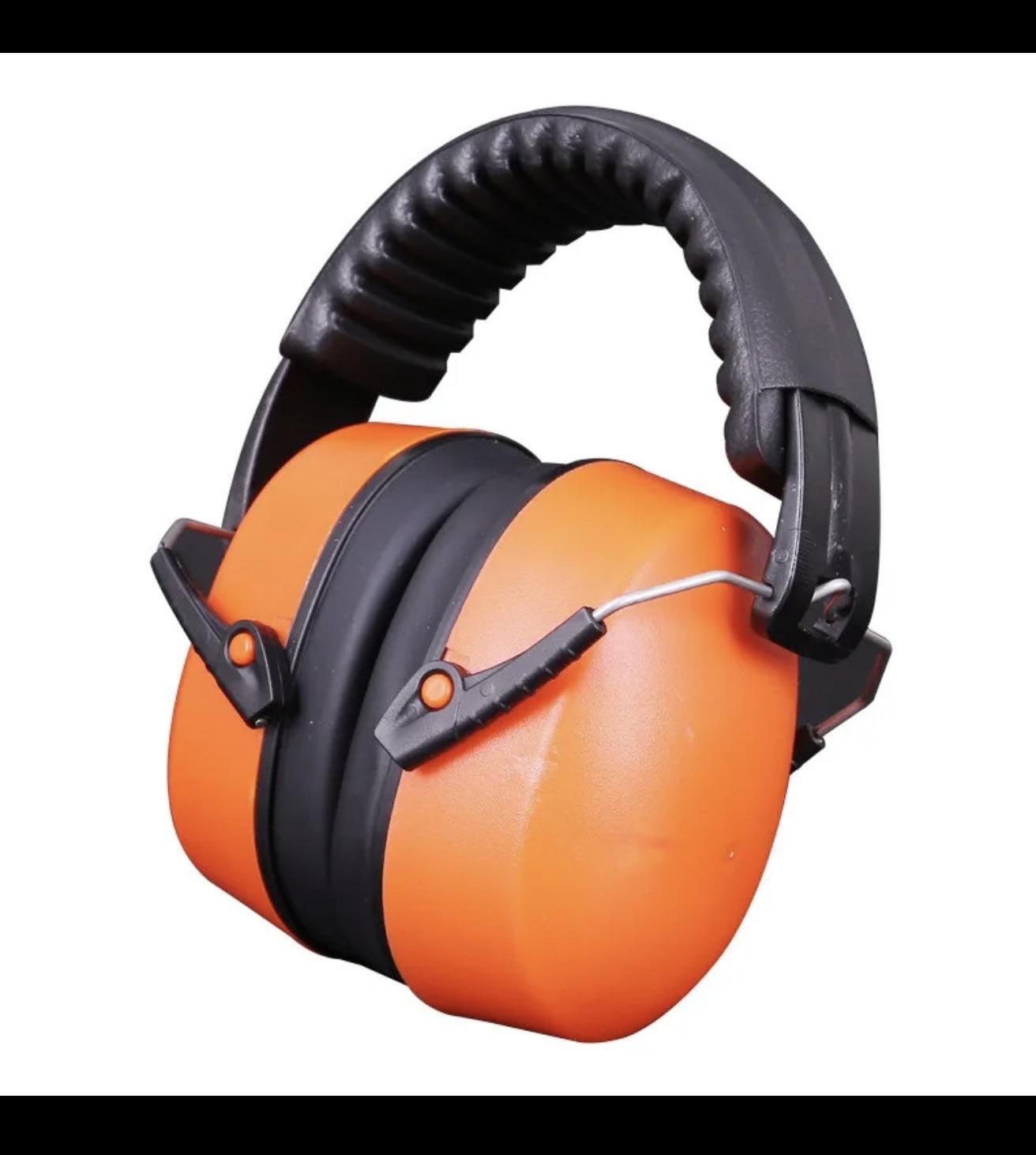
Ear muffs protect your ears from loud noises during drilling. Picking the right pair helps keep your hearing safe and comfortable.
Consider noise reduction, comfort, and durability to find ear muffs that fit your needs well.
Noise Reduction Ratings
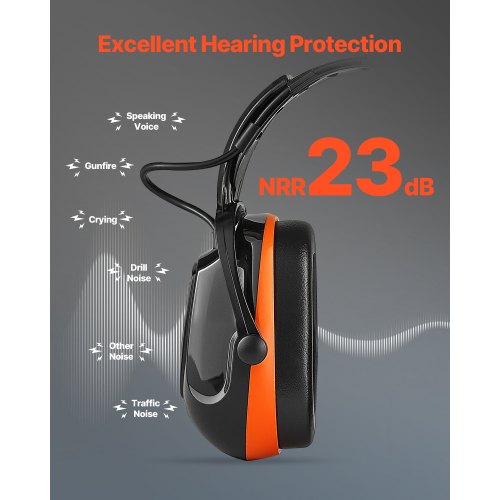
Noise Reduction Rating (NRR) shows how much sound the ear muffs block. Higher numbers mean better protection.
- Look for NRR of at least 25 decibels for drilling tasks.
- Choose ear muffs with higher NRR for louder drills.
- Check the label or product details for NRR information.
Comfort And Fit
Comfort is key for long use. Ear muffs should fit snugly without pressing too hard.
| Feature | What to Look For |
| Padding | Soft and thick cushions reduce pressure |
| Adjustability | Headbands that can change size fit better |
| Weight | Light ear muffs cause less fatigue |
Durability And Materials
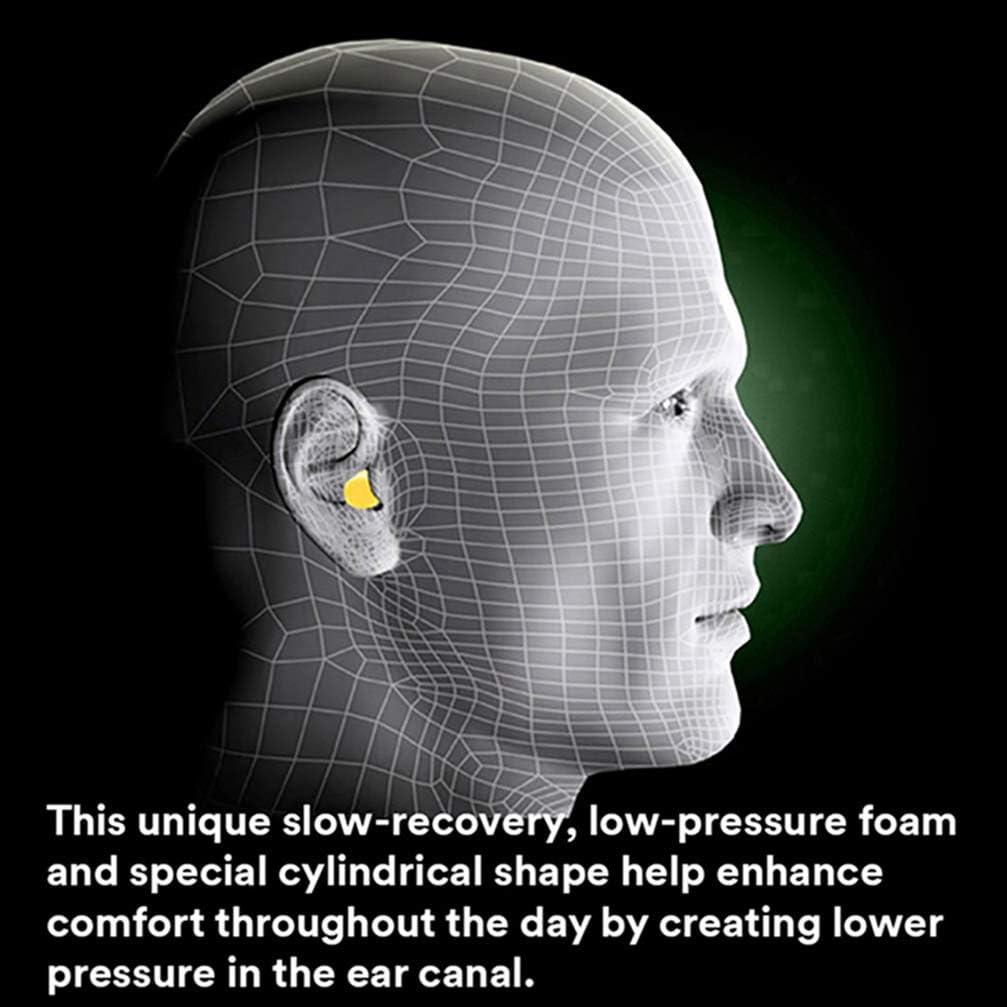
Strong materials last longer and protect better. Look for ear muffs made of sturdy plastic and quality foam.
- Plastic shells resist cracks and damage.
- Foam inserts should keep shape after many uses.
- Metal parts add strength to adjustable areas.
Credit: www.vevor.com
Proper Wearing Techniques
Using ear muffs correctly can protect your hearing during drilling tasks. Wearing them properly ensures maximum noise reduction.
Follow these tips to wear ear muffs the right way for safety and comfort.
Positioning Over Ears
Place the ear cups directly over your ears. The cushions should fully cover the ear canal to block noise effectively.
Avoid placing the cups too high or low, as this reduces protection and may cause discomfort.
Adjusting The Headband
Adjust the headband so it fits snugly but not too tight. A good fit keeps the ear cups in place without causing pressure.
- Lift the headband to widen the gap.
- Place the ear muffs over your ears.
- Slide the headband down to fit your head size.
- Check that the ear cups sit evenly on both ears.
Checking For Gaps
| Common Gap Areas | How to Fix |
|---|---|
| Between cushions and head | Adjust headband tighter |
| Hair under cushions | Move hair away or adjust ear muffs |
| Worn out cushions | Replace cushions promptly |
Check for any gaps where sound can enter. Make sure cushions seal well around your ears for full noise protection.
Maintenance And Cleaning
Proper care extends the life of your ear muffs used for drilling. Regular maintenance keeps them effective and safe.
Cleaning and storing them correctly prevents damage and ensures comfort during use.
Regular Inspection
Check your ear muffs before each use. Look for cracks, worn parts, or loose fittings. Replace damaged cushions or headbands right away. Make sure the seals fit tightly around your ears to block noise properly.
Cleaning Tips
Clean ear muffs regularly to remove dirt and sweat. Use a soft cloth with mild soap and warm water. Avoid harsh chemicals that can damage the materials. Dry them fully before storage to prevent mold growth.
- Remove cushions if possible for better cleaning
- Wipe headband and outer shell gently
- Do not soak electrical parts if present
- Let all parts air dry completely
Storage Practices
Store your ear muffs in a cool, dry place away from direct sunlight. Avoid placing heavy objects on them to keep their shape. Using a dedicated case can protect them from dust and damage.
| Storage Tip | Reason |
| Keep in a sealed container | Keeps dust and moisture away |
| Store at room temperature | Prevents material warping |
| Avoid stacking heavy items | Maintains cushion shape |
| Place away from chemicals | Protects material integrity |
Enhancing Safety While Drilling
Using ear muffs during drilling protects your hearing from loud noise. Safety improves when you follow good practices with your ear protection.
This guide covers how to combine ear muffs with other safety gear, check noise levels, and rest properly to avoid fatigue.
Combining Ear Muffs With Other Ppe
Wear ear muffs along with other personal protective equipment (PPE) for full protection. This helps reduce risks from noise, dust, and debris.
- Use safety goggles to protect your eyes from flying particles.
- Wear a dust mask if drilling creates dust or fumes.
- Put on gloves to protect your hands from vibration and sharp edges.
- Wear a hard hat if working in areas with falling object hazards.
- Choose ear muffs that fit well and seal around your ears.
Monitoring Noise Levels
Keep track of noise levels while drilling. High noise can cause hearing loss even with ear muffs.
| Noise Level (dB) | Recommended Action |
| Below 85 | Ear muffs optional, but recommended |
| 85 to 100 | Use ear muffs continuously |
| Above 100 | Use ear muffs and take breaks often |
Taking Breaks To Prevent Fatigue
Drilling for long periods can cause tiredness and reduce focus. Take breaks to stay alert and protect your hearing.
- Stop drilling every hour for at least 10 minutes.
- Remove ear muffs during breaks to let your ears rest.
- Move to a quieter area away from noise sources.
- Drink water and stretch to reduce fatigue.
- Resume work only when you feel refreshed and alert.
Improving Comfort For Long Use
Wearing ear muffs for drilling can be uncomfortable over time. This guide helps you improve comfort for long use. Follow simple tips to keep ear muffs cozy and effective.
Comfort matters to protect your ears without causing pain or irritation. Adjustments and care make a big difference.
Using Cushioned Ear Pads
Cushioned ear pads reduce pressure on your ears. Soft padding helps prevent soreness during long drilling sessions.
- Choose ear muffs with thick, soft cushions.
- Replace worn-out padding regularly.
- Clean ear pads to keep skin healthy.
- Adjust the headband for a snug but gentle fit.
- Use memory foam pads for better comfort.
Adjusting For Temperature
Temperature affects comfort when wearing ear muffs. Warm weather can make them hot, while cold weather can cause stiffness.
| Condition | Tip |
| Hot Weather | Remove ear muffs during breaks to cool down. |
| Cold Weather | Wear a thin hat under the muffs for warmth. |
| Indoor Drilling | Use ear muffs with breathable materials. |
Managing Sweat And Moisture
Sweat and moisture cause discomfort and can damage ear muffs. Keep them dry to stay comfortable.
Follow these tips to manage sweat:
- Use absorbent covers on ear pads.
- Take breaks to wipe your skin and ear muffs.
- Store ear muffs in a dry place after use.
- Allow padding to air dry if wet.

Credit: www.reddit.com
Frequently Asked Questions
How Do Ear Muffs Protect Hearing During Drilling?
Ear muffs block harmful noise by covering ears completely. They reduce sound levels, preventing hearing damage from loud drilling sounds. Proper fit ensures maximum noise reduction and comfort during extended drilling sessions.
What Is The Best Way To Wear Ear Muffs For Drilling?
Wear ear muffs so they fully cover your ears without gaps. Adjust the headband for a snug but comfortable fit. Ensure hair or accessories don’t interfere with the seal for effective noise protection.
Can Ear Muffs Be Used With Other Safety Gear?
Yes, ear muffs can be worn alongside safety glasses and helmets. Choose models designed for compatibility to avoid discomfort. Proper combination enhances overall protection without compromising safety or comfort.
How Often Should Ear Muffs Be Cleaned During Use?
Clean ear muffs regularly to maintain hygiene and performance. Wipe ear cushions with a damp cloth after each use. Replace cushions if damaged to ensure optimal noise reduction and comfort.
Conclusion
Using ear muffs protects your ears from loud drilling noise. It helps prevent hearing damage over time. Choose a comfortable pair that fits well. Wear them every time you drill to stay safe. Clean your ear muffs regularly for better use.
Remember, safety is simple with the right gear. Keep your hearing healthy and enjoy your work. Small steps make a big difference. Stay safe and drill with care.