Are your hand planes cluttering up your workspace? If you’re nodding your head, you’re not alone.
Many woodworkers struggle with organizing their tools, especially when it comes to these essential, yet space-consuming items. Imagine the relief of opening your workshop and instantly spotting the hand plane you need, without rummaging through piles of tools. It sounds like a dream, right?
You’ll discover practical and efficient tips for storing hand planes, designed to save you time and energy. Say goodbye to the chaos and hello to a more organized and productive workspace. Read on to learn how you can transform your tool storage today!
Choosing The Right Storage Spot
Storing hand planes properly keeps them sharp and ready to use. Picking the right spot for storage helps protect these tools.
Think about where you keep your hand planes to keep them safe and easy to find.
Consider Accessibility
Choose a storage spot that is easy to reach while working. This saves time and effort during your projects.
Keep your hand planes near your workbench or tool rack for quick access.
- Store at eye level or lower for easy grabbing
- Use shelves or drawers with dividers to organize
- Avoid cluttered areas to prevent damage
Protect From Moisture
Moisture can cause rust on metal parts of hand planes. Keep them in a dry place to prevent damage.
Avoid storing hand planes in basements or garages that get damp or wet.
- Use silica gel packs or moisture absorbers nearby
- Store in airtight containers if possible
- Wipe tools dry before storing after use
Temperature Control
Extreme temperatures can harm your hand planes. Keep them in a spot with stable, moderate temperature.
Avoid places that get very hot or cold, like near heaters or windows.
- Choose indoor storage away from direct sunlight
- Maintain room temperature between 50°F and 80°F (10°C to 27°C)
- Keep tools away from heating vents or cold drafts
Organizing By Size And Type
Storing hand planes properly keeps your workspace neat. It also protects your tools from damage.
Organizing by size and type helps you find the right plane quickly. It saves time and prevents clutter.
Group Similar Planes
Keep planes of the same type together. Grouping by size also makes sense.
This way, you can grab the right plane for each job. It keeps your storage tidy and efficient.
- Block planes in one section
- Jack planes in another area
- Specialty planes grouped separately
Use Adjustable Dividers
Adjustable dividers help create custom spaces in your storage. You can fit different plane sizes easily.
They prevent planes from touching and scratching each other. You can change the layout as your collection grows.
- Use wood or plastic dividers
- Make sections wide enough for each plane
- Label sections by plane type or size
Maximizing Vertical Space
Storing hand planes properly keeps your workshop neat and tools safe. Using vertical space helps you save room and find tools fast.
Vertical storage makes use of walls and frees up bench and drawer space. It also protects your hand planes from damage.
Wall-mounted Racks
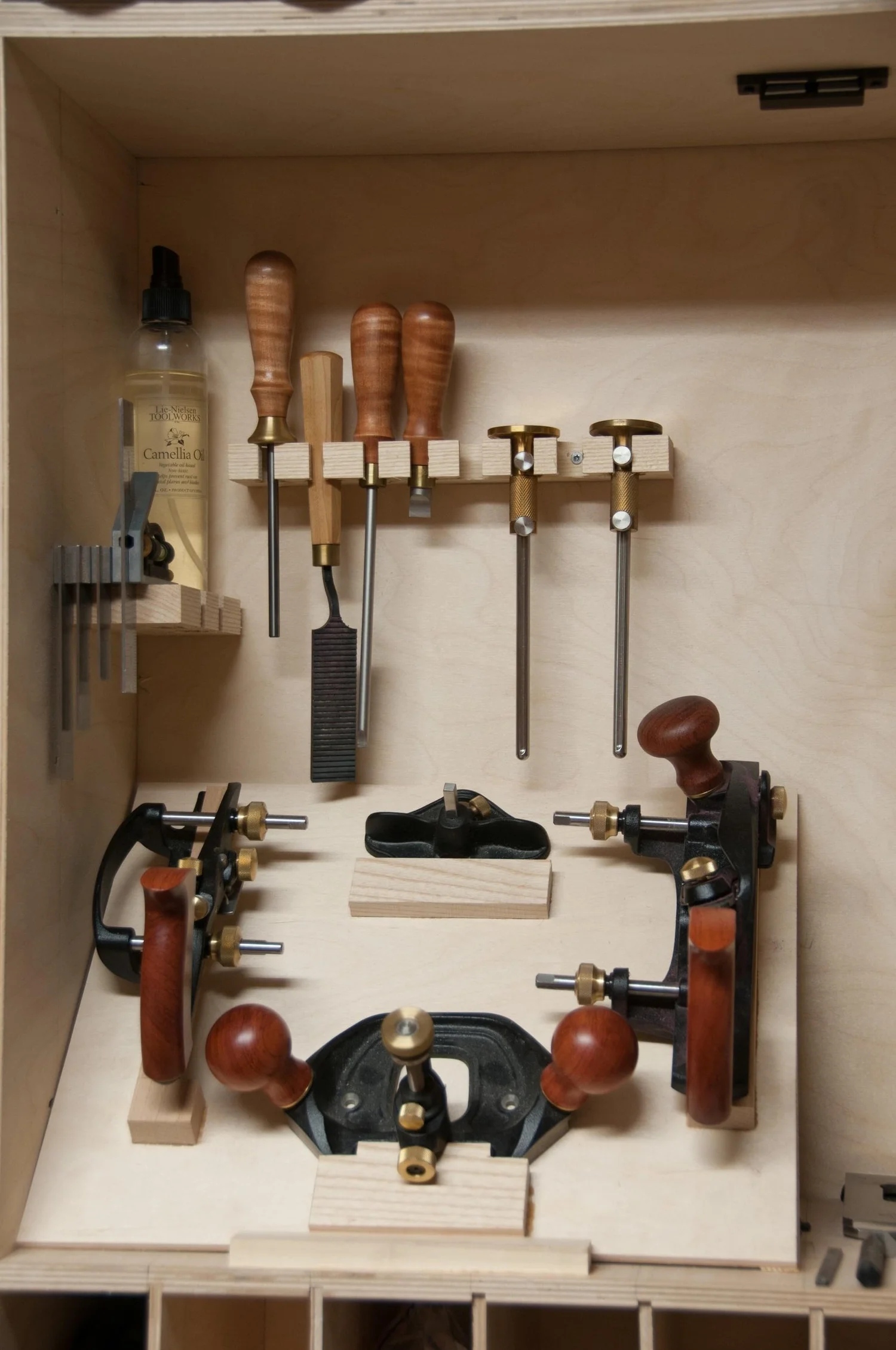
Wall-mounted racks hold hand planes securely off surfaces. They keep tools visible and easy to grab when needed.
- Choose racks with padded supports to avoid scratches.
- Install racks at a height that fits your reach comfortably.
- Group similar planes together for quick access.
- Use sturdy materials like wood or metal for durability.
- Label rack sections to keep organization clear.
Pegboards And Hooks
Pegboards with hooks offer flexible vertical storage for hand planes. You can rearrange hooks to fit different sizes and shapes.
| Tip | Benefit |
| Use strong hooks | Supports heavy hand planes safely |
| Arrange by size | Makes locating tools faster |
| Keep pegboard clean | Prevents damage and clutter |
| Place near workbench | Improves workflow and convenience |

Credit: www.pantorouter.com
Custom Storage Solutions
Storing hand planes properly keeps them safe and easy to find. Custom storage solutions fit your space and tools perfectly.
Building your own storage helps protect planes from damage. It also keeps your workspace tidy and organized.
Diy Wooden Racks
Wooden racks made at home hold hand planes securely. You can customize the size and shape to fit your tools.
Use scrap wood or new boards to build shelves or slots. Sand the wood smooth to avoid scratching the planes.
- Cut wood to fit each plane’s size
- Create slots or shelves for easy access
- Use wood glue and nails for strong joints
- Finish with paint or varnish to protect wood
Repurposed Containers
Old boxes and containers can store hand planes neatly. Choose containers with sturdy sides and lids.
Line the containers with soft material to protect the metal parts. Label each box for quick identification.
- Use wooden crates or plastic bins
- Place foam or cloth inside to prevent scratches
- Stack containers to save space
- Label containers with plane types or sizes
Protecting Blades And Surfaces
Hand planes need careful storage to keep blades sharp and surfaces smooth. Proper protection prevents damage and extends tool life.
Use simple methods to guard blades and cushion your tools. This keeps everything safe during storage and transport.
Use Blade Guards
Blade guards cover the sharp edges of hand plane blades. They stop the blades from getting dull or nicked. Guards also protect your hands from cuts.
- Choose guards made from plastic or leather for good protection.
- Make sure the guard fits snugly on the blade.
- Check guards regularly for wear or damage.
- Replace guards if they no longer fit well.
Soft Liners And Padding
Soft liners and padding inside storage boxes or drawers protect the plane’s body and blade. They prevent scratches and dents.
| Material | Benefit | Care Tip |
| Felt | Soft and gentle on surfaces | Keep dry to avoid mold |
| Cork | Cushions and resists moisture | Replace if crumbled |
| Foam | Good shock absorption | Use closed-cell foam for durability |
Labeling And Inventory Tips
Storing hand planes properly keeps your tools safe and easy to find. Clear labeling and good records help you work faster.
Simple tags and lists stop confusion. They save time when you need a specific plane for a project.
Clear Labels For Easy Id
Labels show the name and type of each hand plane. Use big, clear fonts for quick reading. Put labels where you can see them without moving the tool.
- Use waterproof labels or tags for durability
- Write model and size details on each label
- Color code labels by plane type or use
- Attach labels with string or adhesive that won’t damage tools
Keep A Storage Log
A storage log tracks all your hand planes in one place. It helps you know what you own and where each plane is stored.
Keep the log updated when you add or remove tools. This saves time and avoids losing planes.
- Record plane type, size, and condition
- Note the exact storage location for each plane
- Update the log after every use or move
- Use a notebook, spreadsheet, or app for easy access
Maintaining Your Storage Area
Keeping your storage area clean and organized helps protect your hand planes. A tidy space prevents damage and makes tools easy to find.
Regular upkeep of the storage spot improves the life of your tools. It also keeps your workspace safe and efficient.
Regular Cleaning
Dust and dirt can harm hand planes over time. Clean your storage area often to stop buildup.
Use a soft cloth or brush to remove dust. Avoid harsh chemicals that can damage surfaces.
- Wipe shelves and drawers weekly
- Vacuum corners to remove fine dust
- Keep the floor clear of debris
- Use a dehumidifier in damp areas
Inspect For Damage
Check your storage space for signs of wear or damage. Fix problems early to protect your hand planes.
Look for cracks, rust, or moisture in the storage area. These can cause harm to your tools.
- Inspect shelves for cracks or loose parts
- Check for rust or corrosion spots
- Look for water leaks or dampness
- Repair or replace damaged parts quickly

Credit: www.finewoodworking.com

Credit: www.youtube.com
Frequently Asked Questions
How Should I Clean Hand Planes Before Storage?
Always wipe your hand planes with a dry cloth to remove dust. Apply a light coat of oil on metal parts to prevent rust. Clean the blade and wooden parts gently to maintain their condition.
What Is The Best Way To Organize Hand Planes?
Store hand planes horizontally on a padded shelf or in custom slots. Avoid stacking to prevent blade damage. Label each plane for quick identification and maintain order in your workshop.
How Can I Prevent Rust On Stored Hand Planes?
Keep hand planes in a dry, well-ventilated area. Use silica gel packs or moisture absorbers nearby. Regularly oil metal surfaces and check for any signs of rust to ensure longevity.
Should Blades Be Removed Before Storing Hand Planes?
It’s best to remove blades if storing for long periods. Clean and oil them separately to avoid corrosion. This practice also protects the blade edges from damage.
Conclusion
Storing hand planes well keeps them sharp and ready to use. Clean each tool before putting it away. Use racks, drawers, or cases for safe storage. Keep them dry to stop rust from forming. Organize tools by size or type for quick access.
Regular care helps your hand planes last longer. Simple steps make your workspace neat and safe. Good storage saves time and protects your tools. Try these tips to keep your hand planes in top shape.