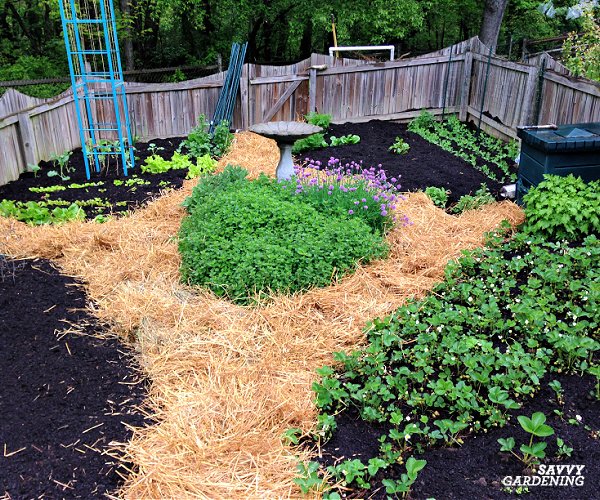
Are you tired of watching your flower beds dry out despite your best efforts? You’re not alone.
Keeping your garden healthy and vibrant can feel like an uphill battle, especially when moisture seems to vanish faster than you can water. But what if there was a simple, effective way to help your plants thrive and retain the moisture they need?
Mulching might be your answer. Imagine your garden flourishing with less effort, saving you both time and water. The secret lies in understanding how to mulch your flower beds properly. In this guide, you’ll discover the benefits of mulching, the best materials to use, and step-by-step instructions to transform your garden into a lush oasis. Stick around, and you’ll learn how to create a low-maintenance, moisture-rich environment that keeps your flowers blooming beautifully.
Credit: www.lawnstarter.com
Benefits Of Mulching Flower Beds
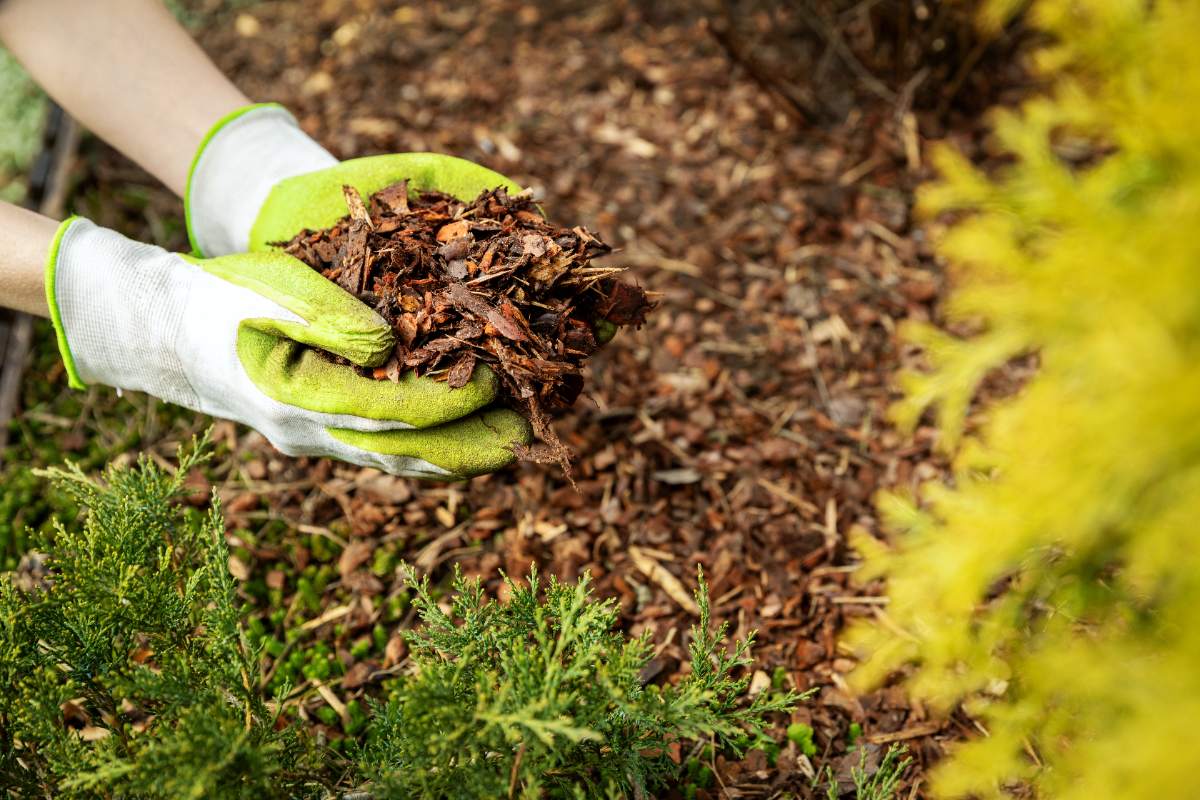
Mulching flower beds is a simple way to help plants grow well. It adds a layer of material over the soil. This layer gives many benefits to the garden.
Using mulch can save water, stop weeds, and keep soil healthy. It also helps keep the right soil temperature for flowers.
Moisture Retention
Mulch holds water in the soil by slowing evaporation. This means plants get water for longer times. It reduces the need to water the garden often.
Keeping soil moist helps flowers grow strong and healthy. Mulching saves water and helps during dry weather.
Weed Suppression
Mulch blocks sunlight from reaching weed seeds. This stops many weeds from growing in flower beds. Fewer weeds mean less work for gardeners.
With mulch covering the soil, flowers have more space and nutrients. This helps them grow better without competition.
Soil Temperature Regulation
Mulch keeps soil cooler in summer and warmer in winter. This helps protect flower roots from extreme temperatures. Plants stay healthier with steady soil conditions.
Temperature regulation by mulch also helps soil microbes stay active. These microbes support plant growth and soil health.
Improved Soil Health
Organic mulch breaks down over time and adds nutrients to the soil. This improves soil structure and fertility. Healthy soil grows strong flowers.
- Increases beneficial soil organisms
- Improves soil texture and drainage
- Reduces soil erosion
- Supports long-term plant growth
Credit: crystelmontenegrohome.com
Choosing The Right Mulch
Mulching flower beds helps keep soil moist and plants healthy. Picking the right mulch is important to get the best results.
This guide explains types of mulch and what to consider before choosing one for your garden.
Organic Vs Inorganic Mulch
Organic mulches come from natural materials like plants. They break down and add nutrients to the soil. Inorganic mulches do not decompose and last longer.
- Organic mulch: leaves, bark, straw, compost
- Inorganic mulch: rubber, stones, plastic
- Organic mulch improves soil health over time
- Inorganic mulch reduces weeds but does not feed plants
- Organic mulch needs to be replaced more often
Popular Mulch Types For Flowers
| Mulch Type | Benefits | Best Use |
|---|---|---|
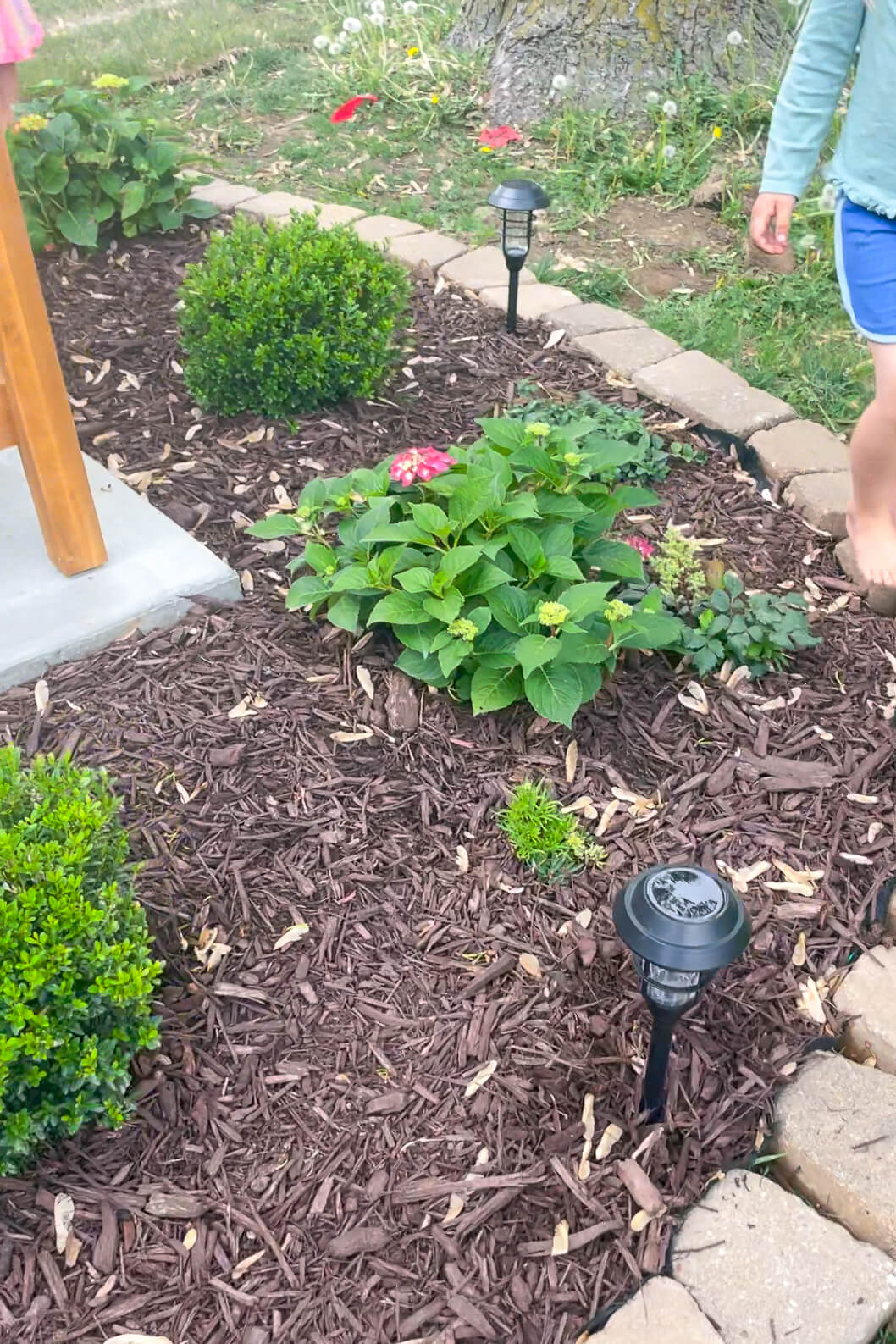
| Wood chips | Retains moisture, looks natural | Around shrubs and flower beds |
| Straw | Lightweight, breaks down fast | Vegetable and flower gardens |
| Peat moss | Improves soil acidity | Acid-loving plants like azaleas |
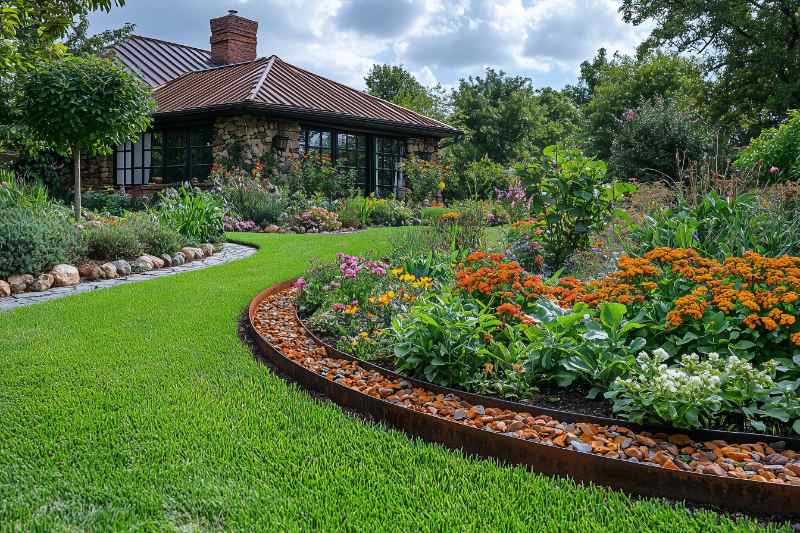
| Gravel | Good drainage, long-lasting | Rock gardens, dry areas |
| Rubber mulch | Weed control, does not decompose | Paths and playgrounds |
Considerations For Climate And Soil
Choose mulch based on your climate and soil type. Some mulches keep soil cooler in hot weather. Others help warm the soil in cold areas.
- In hot climates, use light-colored or reflective mulch to lower soil temperature.
- In cold climates, thick organic mulch protects roots from freezing.
- For sandy soil, organic mulch helps keep moisture longer.
- Clay soil benefits from mulch that improves drainage, like wood chips.
Preparing Flower Beds For Mulching
Mulching flower beds helps keep soil moist and plants healthy. Preparing the beds properly makes mulching effective. Follow simple steps to get your flower beds ready.
Good preparation involves clearing the area, checking soil moisture, and conditioning the soil. Each step supports better mulch performance and plant growth.
Clearing Weeds And Debris
Remove all weeds and debris from the flower bed before mulching. This prevents competition for water and nutrients. Clear leaves, sticks, and old mulch too.
- Pull out weeds by hand or use a hoe
- Rake up dead leaves and plant debris
- Dispose of all waste away from the bed
- Check for any remaining roots or seeds
- Ensure the soil surface is clean and smooth
Soil Moisture Check
Check the soil moisture before adding mulch. Mulch works best when soil is damp but not soggy. Dry soil may need watering first.
| Soil Condition | Action Needed |
| Dry | Water the soil lightly before mulching |
| Moist | Mulch can be applied directly |
| Wet | Wait for soil to dry slightly |
Soil Conditioning Tips
Condition the soil to improve plant health and mulch effectiveness. Loosen compacted soil and add nutrients if needed.
Follow these tips to prepare soil:
- Use a garden fork or tiller to loosen soil to 6 inches deep
- Mix in compost or organic matter for better nutrients
- Check soil pH and adjust if plants need it
- Remove any large rocks or roots
- Level the soil surface for even mulch spread
Proper Mulching Techniques
Mulching flower beds helps keep soil moist and plants healthy. It reduces water loss by slowing evaporation from the soil surface.
Using the right mulching methods makes a big difference. Follow simple tips to mulch your flower beds well.
Layer Thickness Guidelines
Apply mulch in the right thickness to retain moisture without causing problems. Too thin layers dry out fast, and thick layers can block water.
| Mulch Type | Recommended Thickness |
| Wood chips or bark | 2 to 4 inches |
| Straw or hay | 3 to 4 inches |
| Leaves or grass clippings | 1 to 2 inches |
Application Around Plants
Keep mulch a few inches away from plant stems and trunks. This prevents rot and pests that damage plants.
- Clear weeds and debris before mulching.
- Spread mulch evenly around plants but not touching stems.
- Leave 2 to 3 inches of space around tree trunks.
- Fill in bare spots with more mulch as needed.
Avoiding Common Mistakes
Some mistakes reduce mulch benefits or harm plants. Avoid these common errors to keep your flower beds healthy.
- Do not pile mulch too thickly; it can suffocate roots.
- Avoid placing mulch directly against plant stems or tree trunks.
- Do not use mulch with weeds or weed seeds mixed in.
- Replace mulch regularly to prevent mold or decay.
- Water the mulch after applying to help it settle.
Maintaining Mulched Flower Beds
Mulching flower beds helps keep soil moist and plants healthy. To get the best results, you must maintain the mulch properly over time.
Good maintenance stops weeds, prevents soil erosion, and keeps moisture in the soil longer. Let’s look at key steps for keeping mulched flower beds in top shape.
Replenishing Mulch
Mulch breaks down over time and gets thinner. You need to add new mulch to keep a good layer on your flower beds.
Check your mulch every few months. Add about 2 to 3 inches of fresh mulch each time to keep the soil covered.
- Remove old mulch if it is slimy or moldy
- Spread mulch evenly around plants
- Keep mulch away from plant stems to stop rot
Monitoring Moisture Levels
Mulch helps keep moisture, but you still need to check the soil. Make sure the soil is not too dry or too wet.
Stick your finger about two inches into the soil. If it feels dry, water your plants. If it feels wet, wait before watering again.
- Check soil moisture once a week in hot weather
- Watch for wilting leaves as a sign of dryness
- Adjust watering based on weather and soil feel
Seasonal Adjustments
Change your mulch care as the seasons change. Different weather affects how mulch works and how much water your plants need.
In spring and summer, add mulch to keep soil cool and moist. In fall, clear old leaves and check mulch thickness before winter.
- Apply fresh mulch in spring to protect new growth
- Reduce watering in fall as plants slow down
- Remove excess mulch in winter to avoid mold
Credit: www.lawnstarter.com
Troubleshooting Mulch Issues
Mulching flower beds helps keep soil moist and plants healthy. Sometimes problems like pests, mold, or drainage can occur. Fixing these issues keeps your flower beds looking great.
This guide covers how to handle common mulch problems. You will learn tips on dealing with pests, preventing mold and fungus, and fixing drainage problems.
Dealing With Pests
Pests such as insects and rodents can hide in mulch. They may damage your plants or spread disease. Watch for signs like holes or chewed leaves.
- Use mulch made from cedar or cypress to repel insects.
- Avoid piling mulch too thick; keep it about 2 to 3 inches deep.
- Remove mulch near plant stems to stop rodents from nesting.
- Regularly check for pest damage and remove affected mulch.
- Consider natural pest repellents like neem oil if needed.
Preventing Mold And Fungus
Mold and fungus grow in mulch that stays too wet. This can harm plant roots and slow growth. Good airflow and proper mulch care reduce mold problems.
| Cause | Solution |
| Mulch too thick | Spread mulch evenly, 2–3 inches thick |
| Poor air circulation | Leave space around plants and avoid compacting mulch |
| Excess watering | Water plants early in the day to let mulch dry |
| Old or damp mulch | Replace mulch every year or when mold appears |
Addressing Drainage Problems
Drainage issues cause water to pool under mulch. This can drown plant roots and cause rot. Fix drainage to keep mulch dry and healthy.
Try these tips to improve drainage:
- Check soil slope and adjust to move water away from beds.
- Mix organic matter into soil to improve water flow.
- Avoid compacting soil before applying mulch.
- Use coarse mulch like wood chips for better drainage.
- Install drainage pipes if water pools persistently.
Frequently Asked Questions
What Is The Best Mulch For Flower Beds To Retain Moisture?
Organic mulches like shredded bark, compost, or straw are best. They improve soil moisture and enrich nutrients naturally.
How Thick Should Mulch Be Applied In Flower Beds?
Apply mulch 2 to 4 inches thick to retain moisture. Avoid piling too thick to prevent root suffocation.
When Is The Ideal Time To Mulch Flower Beds?
Mulch flower beds in spring after soil warms up. This helps conserve moisture throughout hot, dry months.
Can Mulching Prevent Weeds In Flower Beds?
Yes, mulch blocks sunlight, reducing weed growth. It also maintains soil moisture for healthy flowers.
Conclusion
Mulching flower beds helps keep soil moist and plants healthy. It stops water from evaporating too fast. Mulch also blocks weeds that steal water and nutrients. Spread mulch evenly around plants, but don’t pile it on stems. Choose natural mulch like wood chips or straw for best results.
Water the mulch after spreading to lock in moisture. Regular mulching saves water and keeps flowers blooming longer. Try these easy steps to protect your garden and enjoy vibrant flowers all season.