Are you tired of struggling to dig planting holes in your garden? You’re not alone.
Many gardeners find themselves frustrated with the task, often ending up with sore backs and uneven holes that can hinder plant growth. But what if there was a way to make this process easier, faster, and more effective? Imagine having perfectly dug holes that set the stage for your plants to thrive.
In this blog post, we’ll uncover the best ways to dig planting holes, transforming a daunting chore into a simple and satisfying part of your gardening routine. Stick with us, and by the end, you’ll be equipped with the knowledge to dig like a pro, ensuring your garden flourishes like never before.
Tools For Digging
Digging planting holes needs the right tools to work well. Using proper tools saves time and effort. It also helps plants grow better by making good holes.
Different tools fit different types of soil and hole sizes. Learn about shovels, post hole diggers, and trowels to pick the best one for your garden.
Choosing The Right Shovel
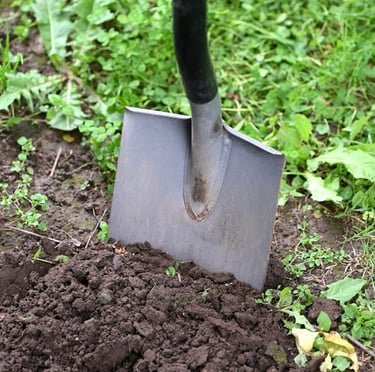
Shovels come in many shapes and sizes. A pointed shovel is good for breaking hard soil. A flat shovel helps move loose dirt. Choose one with a comfortable handle to dig easily.
- Pointed shovel for tough soil
- Flat shovel for moving soil
- Long handle for deep holes
- Short handle for small spaces
Using A Post Hole Digger
A post hole digger makes round holes fast. It works well for bigger plants or fence posts. The two handles open and close to remove soil quickly. Use it in soft or medium soil.
| Soil Type | Best Use |
| Soft Soil | Easy digging |
| Clay Soil | Needs extra effort |
| Rocky Soil | Not recommended |
When To Use A Trowel
A trowel is a small hand tool for tiny holes. It is perfect for planting seeds, bulbs, or small plants. Use it in tight spots or pots where bigger tools cannot fit.
Benefits of a trowel:
- Easy to carry
- Good for detailed work
- Works well in pots or containers
- Helps avoid damage to nearby plants
Credit: www.crosscreeknursery.com
Preparing The Soil
Good soil preparation helps plants grow strong roots. Digging planting holes starts with checking and fixing the soil.
Soil needs to be loose, clean, and healthy. This makes it easier for roots to spread and absorb water.
Testing Soil Composition
Test soil to see what it contains. You want a balance of sand, clay, and organic matter.
Use a simple soil test kit or send a sample to a lab. This tells you what nutrients your soil needs.
- Take soil from several spots
- Mix soil well before testing
- Follow kit instructions carefully
- Note pH and nutrient levels
Removing Rocks And Debris
Clear the planting hole area of rocks and debris. These can block roots and stop plant growth.
Pick out large stones and old roots by hand. Use a rake or hoe to remove smaller bits.
- Wear gloves for safety
- Check the hole bottom and sides
- Remove any trash or dead plants
- Dispose of debris properly
Loosening Compact Soil
Hard soil stops roots from growing deep. Use a shovel or garden fork to break up compact soil.
Loosen soil at least twice as wide and deep as the plant’s root ball. This helps roots spread easily.
- Insert tool around the hole edges
- Lift and turn soil to break clumps
- Mix in compost or sand if soil is clay
- Remove any new debris uncovered
Measuring Hole Size
Digging the right size hole is key for healthy plants. The hole must fit the plant’s roots well.
Too small holes can crowd roots. Too big holes may cause soil problems. Measure carefully before digging.
Depth For Different Plants
Plant depth depends on plant type. Some need deep holes, others need shallow holes.
Root vegetables need deeper holes than flowers. Trees need the deepest holes to hold roots safely.
- Flowers: 6 to 12 inches deep
- Shrubs: 12 to 18 inches deep
- Small trees: 18 to 24 inches deep
- Large trees: 24 to 36 inches deep
Width Considerations
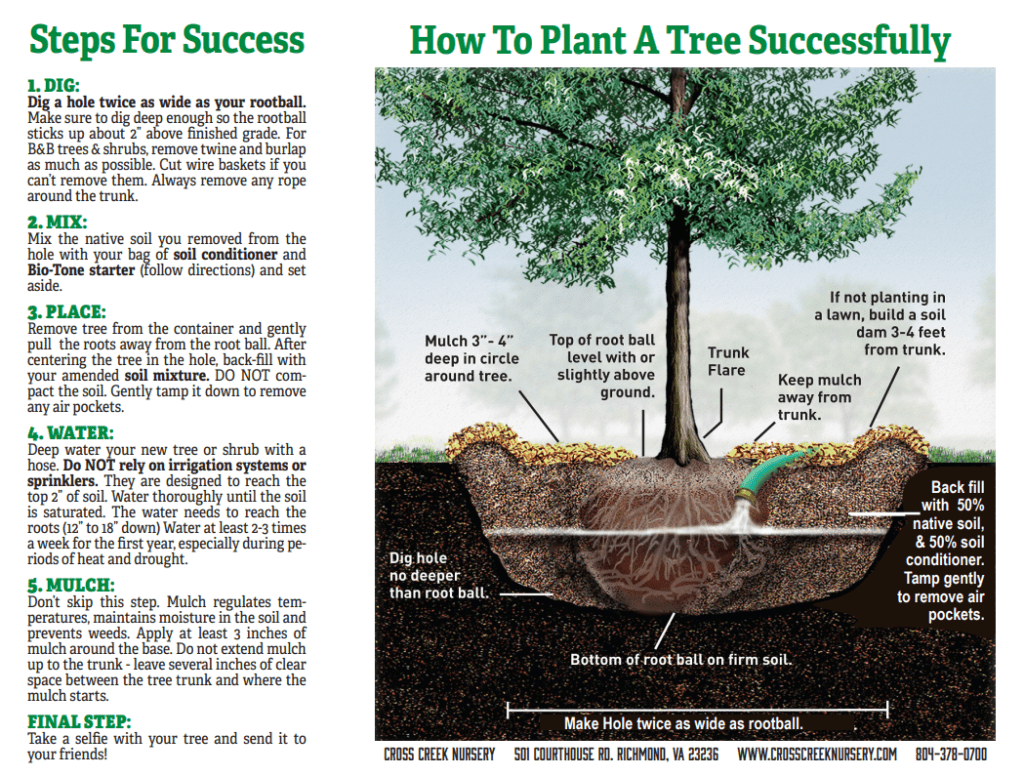
Width is as important as depth. The hole should be wider than the root ball.
A wider hole lets roots spread easily. It also helps soil mix well around roots for water and air.
- Make the hole twice as wide as the root ball
- Loosen soil around the hole edges for better root growth
- Avoid narrow holes that restrict root spread
Adjusting For Root Systems
Different plants have different root shapes. Adjust hole size to fit root systems well.
Shallow roots need wide but shallow holes. Deep roots need narrower, deeper holes to fit roots.
- Fibrous roots: wide and shallow holes
- Taproots: deeper holes to fit straight roots
- Root balls: match hole size to avoid root bending
Digging Techniques
Digging the right planting hole helps your plants grow strong roots. It also makes sure the soil holds water and nutrients well.
Use careful digging methods to create the best environment for your plants. This guide covers easy ways to dig planting holes properly.
Marking The Spot
Find the exact place for your plant before you start digging. Marking helps you dig in the right spot and avoid mistakes.
- Clear away any grass or debris.
- Use a stick, stone, or small flag to mark the spot.
- Double-check the spacing between plants.
- Make sure the area gets enough sunlight.
Digging Straight Down
Dig straight down to create a hole with the right depth. This helps roots grow deep and steady in the soil.
| Tool | Use |
| Shovel | Dig deep, straight holes |
| Spade | Cut through tough soil |
| Hand trowel | Dig smaller holes for seedlings |
Creating Tapered Sides
Make the sides of the hole wider at the top and narrower at the bottom. Tapered sides help roots spread easily and keep soil in place.
Follow this tip for tapered sides:
- After digging down, angle your shovel to widen the top edges.
- Remove loose soil from the bottom to create a firm base.
- Check that the hole size is about twice the root ball width.
Improving Drainage
Good drainage helps plants grow strong and healthy. Water should flow away from roots to stop rot.
Digging planting holes with proper drainage prevents water from staying too long. This keeps soil loose and fresh.
Adding Gravel Layers
Add a layer of gravel at the bottom of planting holes. This lets water drain quickly and stops roots from sitting in water.
- Dig the hole deeper than the plant’s root ball.
- Place 2 to 3 inches of gravel at the bottom.
- Cover gravel with some soil before planting.
- Plant the root ball above the gravel layer.
Using Raised Beds
Raised beds lift plants above ground level. This helps water drain away faster and warms soil for roots.
| Raised Bed Height | Drainage Benefit |
| 6 inches | Improves surface drainage |
| 12 inches | Better root zone drainage |
| 18 inches or more | Ideal for heavy clay soils |
Avoiding Waterlogging
Waterlogging damages roots and stops plants from growing. Avoid it by choosing proper planting spots and soil care.
- Pick higher ground or slopes for planting.
- Mix organic matter to improve soil texture.
- Do not plant too deep to allow air flow.
- Check soil moisture regularly and adjust watering.
Credit: www.abc.net.au
Handling Difficult Soil Types
Digging planting holes can be tough with hard soil types. Different soils need different care to plant well.
Knowing how to handle clay, sandy, or rocky soil helps your plants grow strong. Use the right tools and methods.
Clay Soil Tips
Clay soil is heavy and sticky. It holds water but can stop air from reaching roots. Dig slowly to avoid compacting it more.
- Use a sharp spade or digging fork to break up the soil.
- Add organic matter like compost to improve drainage.
- Dig holes wider than usual to loosen the soil around roots.
- Work the soil when it is moist, not wet or dry.
Sandy Soil Adjustments
Sandy soil drains quickly and does not hold nutrients well. You must prepare holes differently to keep plants healthy.
| Tip | Reason |
| Dig deeper holes | To hold more water and nutrients |
| Mix soil with compost | Improves nutrient content and moisture retention |
| Add mulch after planting | Reduces water evaporation from soil |
| Water plants regularly | Prevents roots from drying out |
Rocky Ground Solutions
Rocks make digging hard and can damage tools. Use special methods to prepare planting holes safely.
- Use a pickaxe or mattock to break up rocky soil.
- Remove large stones by hand to clear the hole area.
- Fill gaps with good soil or compost for better root growth.
- Wear gloves and sturdy boots to protect yourself while digging.
Planting Hole Maintenance
Planting holes need care to help plants grow strong. Proper maintenance keeps soil healthy and plants safe.
Good habits like watering, protecting, and refilling the hole help plants thrive in any garden.
Keeping Holes Moist
Moist soil helps roots grow and absorb nutrients. Dry soil can harm young plants.
- Water the hole right after planting.
- Check moisture daily during dry weather.
- Add mulch around the hole to keep water in.
- Use drip irrigation for steady moisture.
Protecting From Pests
Pests can damage new plants quickly. Protecting the hole stops insects and animals from harming roots.
- Cover holes with fine mesh or netting.
- Use natural pest repellents like neem oil.
- Place barriers like collars around plants.
- Keep the area clean of debris and weeds.
Refilling And Firming Soil
Refilling soil fills gaps and supports roots. Firm soil ensures good contact with roots for water and air.
| Action | Purpose |
| Fill hole with soil after planting | Secure roots and remove air pockets |
| Firm soil gently with hands | Support plant stability without crushing roots |
| Do not pack soil too hard | Allow water and air to reach roots |

Credit: www.familyhandyman.com
Frequently Asked Questions
What Tools Are Best For Digging Planting Holes?
Shovels and trowels are the most common tools for digging planting holes. A digging bar helps with hard soil. For small plants, hand trowels provide precision. Choose tools based on soil type and hole size for best results.
How Deep Should Planting Holes Be Dug?
Planting holes should be twice as wide and the same depth as the root ball. This allows roots to spread easily. Avoid digging holes too deep to prevent root rot. Proper depth ensures healthy plant growth and stability.
Can I Dig Planting Holes In Rocky Soil?
Yes, but it requires extra effort. Use a digging bar or pickaxe to break rocks. Remove large stones to avoid root damage. Adding organic matter can improve soil texture and make digging easier.
When Is The Best Time To Dig Planting Holes?
The best time is during early spring or fall. Soil is moist and easier to dig. Avoid planting in frozen or overly dry soil. Proper timing helps plants establish roots quickly and thrive.
Conclusion
Digging planting holes the right way helps your plants grow strong. Use the right tools and dig holes wide and deep enough. Remove rocks and break up hard soil for better roots. Take your time to prepare each hole carefully.
Healthy roots mean healthier plants and better blooms. Small efforts make a big difference in your garden’s success. Keep these tips in mind for easier planting next time. Happy gardening!