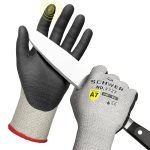
Imagine diving into your woodworking project, the familiar scent of fresh-cut wood filling the air, your tools laid out and ready to bring your vision to life. But there’s one thing that can turn this satisfying task into a source of anxiety — the risk of injury.
That’s where cut-resistant gloves come in, offering a reassuring layer of protection between your hands and the sharp edges of your tools. Are you using them to their full potential? You’ll discover how to effectively use cut-resistant gloves to keep your hands safe without sacrificing comfort or dexterity.
Protect your hands, boost your confidence, and elevate your woodworking experience. Read on to find out how these gloves can become an essential part of your toolkit, transforming the way you work with wood.
Credit: workglovesdepot.com
Benefits Of Cut-resistant Gloves
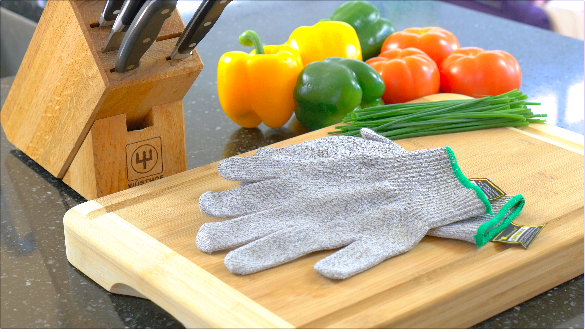
Cut-resistant gloves are important for woodworking safety. They protect your hands from sharp tools and splinters.
Using these gloves helps you work more comfortably and with better control. They are a simple way to reduce injuries.
Protection Against Sharp Tools
Woodworking uses many sharp tools like saws and knives. Cut-resistant gloves shield your hands from cuts and wounds.
They are made from strong materials that stop blades from cutting through. This lowers the chance of serious accidents.
Enhanced Grip And Dexterity
Cut-resistant gloves often have textured surfaces. This improves your grip on tools and wood pieces.
They allow you to move your fingers freely. This helps you handle small parts and detailed work with ease.
- Better hold on slippery wood
- More precise tool control
- Easier handling of fasteners
Reducing Hand Fatigue
Some cut-resistant gloves have padding to reduce pressure on hands. This lowers hand fatigue during long work sessions.
Less strain means you can work longer without discomfort. It also helps keep your hands steady and safe.

Credit: www.amazon.ca
Choosing The Right Gloves
Cut-resistant gloves protect your hands during woodworking. Picking the right gloves improves safety and comfort.
Different gloves suit different tasks. Focus on material, thickness, and size for the best fit.
Material Types
Gloves come in many materials. Each material offers different levels of cut resistance and comfort.
Common materials include Kevlar, HPPE, and metal mesh. Some are better for sharp tools, others for rough surfaces.
- Kevlar:Lightweight and flexible, good for light cuts
- HPPE:Strong synthetic fiber, very cut-resistant
- Metal mesh:Heavy but offers high protection
- Nitrile coating:Adds grip and some cut resistance
Glove Thickness And Flexibility
Thick gloves protect better but can reduce hand movement. Thin gloves offer more flexibility but less protection.
Choose gloves that balance safety and ease of use. You need to handle tools safely and comfortably.
- Thick gloves suit heavy cutting and rough work
- Thin gloves work well for precise tasks
- Flexible gloves reduce hand fatigue
- Test gloves to find your comfort level
Sizing And Fit
Proper fit is key for safety and comfort. Gloves that are too loose or tight can cause accidents.
Measure your hand width and length. Check sizing charts from glove makers before buying.
- Snug fit improves grip and control
- Loose gloves can catch on tools
- Fingers should move easily without extra space
- Try gloves on if possible before buying
Proper Glove Usage
Cut-resistant gloves help protect your hands during woodworking. Using them properly keeps you safe and comfortable. This guide explains how to use these gloves right.
Learn when to wear gloves, how to put them on and take them off, and how to keep your sense of touch sharp.
When To Wear Gloves
Wear cut-resistant gloves whenever you handle sharp tools or rough wood. Gloves reduce cuts and splinters. Avoid wearing them near machines with moving parts that can catch gloves.
- Use gloves when cutting or sanding wood
- Wear gloves while handling sharp blades or nails
- Do not wear gloves when using power tools with rotating parts
- Change gloves if they get wet or damaged
How To Put On And Remove Gloves
Putting gloves on and taking them off correctly keeps them clean and effective. Avoid touching the outside of the gloves with bare hands.
- Wash your hands and dry them well.
- Hold the glove by the cuff and slide your hand in.
- Adjust fingers to fit comfortably without stretching.
- To remove, pinch the cuff and pull the glove inside out.
- Dispose or clean gloves as recommended.
Maintaining Tactile Sensitivity
Good touch feeling helps you work better. Thick gloves can reduce your sense of touch. Choose gloves that balance protection and sensitivity.
| Glove Feature | Effect on Sensitivity |
| Thin cut-resistant layers | High tactile feedback |
| Thick padding | Lower tactile feedback |
| Snug fit | Better touch control |
| Loose fit | Reduced dexterity |

Credit: nocry.com
Safety Precautions While Woodworking
Woodworking can be dangerous without the right safety steps. Using cut-resistant gloves helps protect your hands from sharp tools.
Always follow safety rules to avoid injuries and work more efficiently. Proper use of gloves is part of good safety habits.
Tool Handling Techniques
Hold tools firmly and use the right tool for each job. Cut-resistant gloves give better grip and protect your hands from cuts.
Always cut away from your body and keep your fingers clear of blades. Take your time to avoid mistakes.
- Use sharp tools to reduce force needed
- Maintain a steady grip on tools
- Never rush when cutting or shaping wood
Work Area Setup
Keep your work area clean and organized. Remove clutter to avoid accidents and tripping hazards.
Good lighting helps you see your work clearly. A stable workbench prevents slips and keeps tools steady.
- Clear the floor of scraps and tools
- Ensure good lighting over your workspace
- Use clamps to hold wood steady
Regular Equipment Checks
Check your tools and gloves before each use. Look for damage or wear that could cause injury.
Replace gloves if they have holes or cuts. Keep blades sharp and equipment clean to work safely.
- Inspect gloves for tears or worn areas
- Sharpen blades regularly
- Clean tools after use to prevent rust
Caring For Cut-resistant Gloves
Cut-resistant gloves protect your hands during woodworking. Taking care of them keeps them effective and safe. Proper cleaning, storage, and timely replacement help your gloves last longer.
Follow simple care steps to maintain your gloves’ strength. This guide explains how to clean, store, and know when to replace your gloves.
Cleaning Guidelines
Keep your gloves clean to avoid dirt and grime buildup. Use mild soap and cold water to wash them gently. Avoid bleach or harsh chemicals as they can damage the gloves.
- Hand wash gloves with mild detergent
- Rinse thoroughly to remove all soap
- Air dry gloves flat away from direct heat
- Do not machine wash or dry
- Clean gloves after each use to keep fibers strong
Storage Tips
Store gloves in a dry, cool place to prevent damage. Keep them away from sunlight and sharp objects. Proper storage maintains glove shape and protection.
| Storage Condition | Why It Matters |
| Dry place | Prevents mold and fiber weakening |
| Cool temperature | Avoids material breakdown |
| Away from sunlight | Stops UV damage |
| Separate from sharp tools | Prevents accidental cuts |
When To Replace Gloves
Replace gloves when they lose protection or show signs of wear. Using damaged gloves can cause injury during woodworking.
- Check gloves for holes or tears before each use
- Replace if the gloves feel thinner or weaker
- Change gloves after heavy or long use
- Do not use gloves that smell bad or show stains that won’t wash out
Frequently Asked Questions
What Are Cut-resistant Gloves For Woodworking?
Cut-resistant gloves protect hands from sharp tools and splinters. They reduce injury risks during cutting, sanding, and handling wood.
How To Choose The Right Cut-resistant Gloves?
Select gloves with high cut resistance rating, comfort, and good grip. Consider material thickness and flexibility for precise woodworking tasks.
Can Cut-resistant Gloves Improve Woodworking Safety?
Yes, they significantly reduce hand injuries. Wearing gloves enhances grip and control, leading to safer, more efficient woodworking.
How To Maintain Cut-resistant Gloves Properly?
Clean gloves according to manufacturer instructions, usually hand wash or gentle machine wash. Store them dry and away from direct sunlight.
Conclusion
Cut-resistant gloves help keep your hands safe while woodworking. They reduce the risk of cuts and injuries from sharp tools. Always choose the right gloves for your specific tasks. Make sure the gloves fit well and feel comfortable. Regularly check gloves for any damage or wear.
Protecting your hands allows you to work with more confidence. Safety is key for every woodworking project. Remember, good gloves are a simple step for big safety. Stay safe and enjoy your woodworking!