Imagine transforming your cluttered workspace into an organized haven. If you’re tired of searching for the right jigsaw pieces amidst chaos, pegboards might be your perfect solution.
These versatile tools can revolutionize the way you store and access your jigsaws, making your crafting time more enjoyable and efficient. By the end of this guide, you’ll discover how to strategically utilize pegboards to keep your jigsaws neatly arranged and easily accessible.
Say goodbye to frustration and hello to a seamless crafting experience. Ready to reclaim your space and sanity? Let’s dive in.

Credit: infectiousstitches.com
Choosing The Right Pegboard
Using pegboards helps keep your jigsaw tools organized and easy to reach. Picking the right pegboard is important for a neat workspace.
Consider the material, size, and how you will mount the pegboard. These details affect how well it fits your needs.
Materials And Sizes
Pegboards come in different materials. Choose one that fits your workspace and tool weight.
Common materials include wood, metal, and hardboard. Each has its benefits and limits.
- Wood:Strong and looks nice but can be heavy.
- Metal:Very durable and holds heavy tools well.
- Hardboard:Lightweight and easy to cut, but less strong.
Size matters to fit your wall space and hold all jigsaw parts. Measure your tools before buying.
- Small pegboards are good for limited space.
- Large pegboards offer more room for tools.
- Choose a size that matches your storage needs.
Mounting Options
How you mount the pegboard affects its strength and ease of use. Choose a method that fits your wall type.
Some mounting options include hanging, screwing, or using brackets. Each offers different stability levels.
- Hanging:Easy to move but may hold less weight.
- Screwing:Very strong and permanent.
- Brackets:Good for heavier pegboards and tools.
Preparing Your Workspace
Setting up a good workspace is key to using pegboards for storing jigsaws. A neat area helps keep tools safe and easy to find.
Clear space and plan where you will place the pegboard. This makes your work smooth and efficient.
Selecting The Location
Pick a spot that is dry and has enough light. The area should allow you to reach all your jigsaw tools easily.
- Choose a wall near your workbench or where you use the jigsaws most.
- Make sure the spot is free from dust and moisture.
- Check if the wall can hold the weight of the pegboard and jigsaws.
- Keep the location at a comfortable height to avoid strain.
Gathering Necessary Tools
| Tool | Purpose |
| Drill | To fix the pegboard to the wall |
| Screws and Wall Anchors | To secure the pegboard firmly |
| Measuring Tape | To measure wall space and pegboard size |
| Level | To keep the pegboard straight |
| Pencil | To mark drill points |
Having these tools ready before starting saves time. It also helps avoid mistakes during installation.
Installing The Pegboard
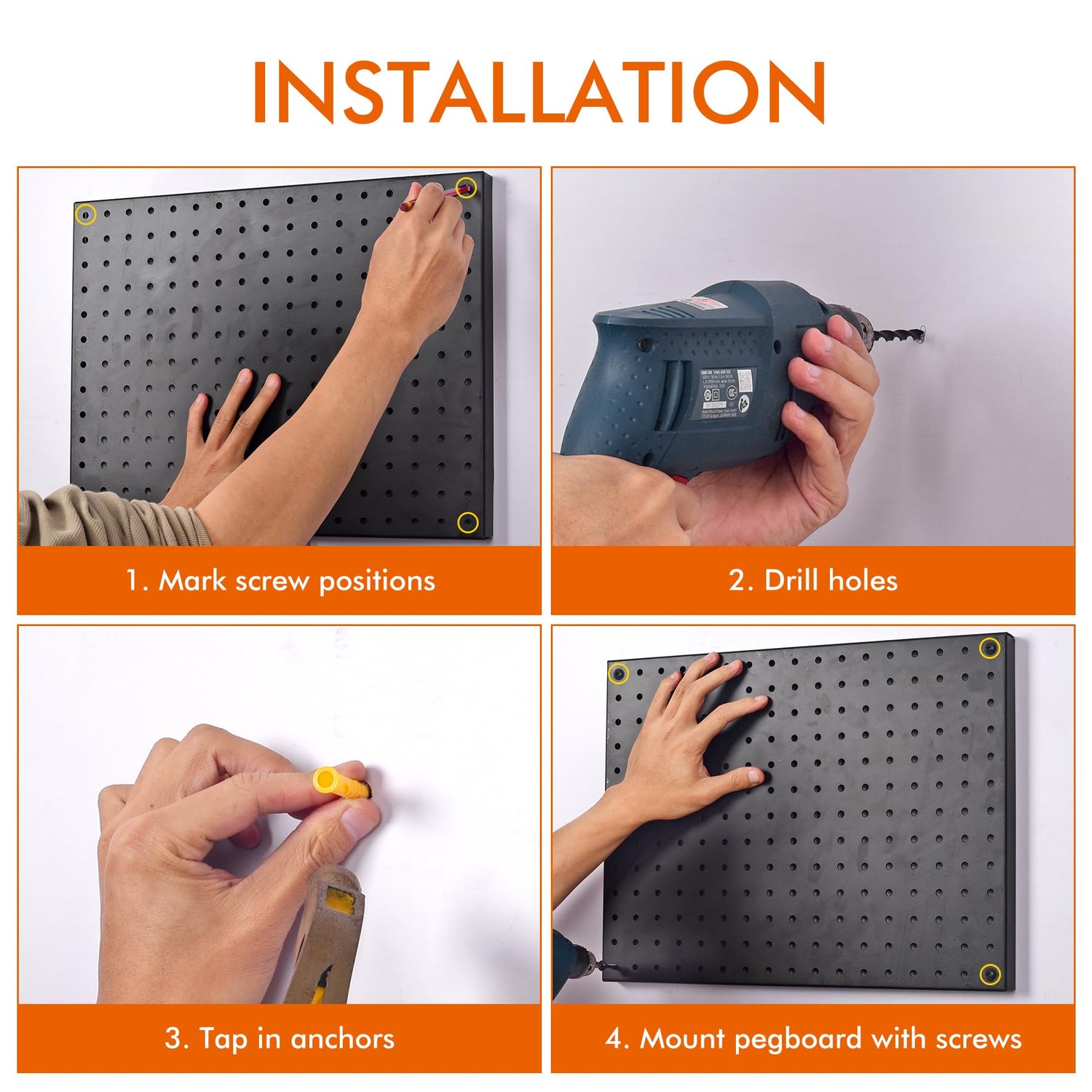
Using a pegboard is a great way to store your jigsaws neatly. Installing it properly helps keep your tools safe and easy to reach. This guide explains how to install the pegboard step by step.
Focus on measuring the space carefully and securing the pegboard firmly. These steps ensure your pegboard holds your jigsaws well and lasts long.
Measuring And Marking
First, measure the wall space where you want to install the pegboard. Use a tape measure and mark the spots for the pegboard corners with a pencil. Make sure the marks are level and even.
- Measure the height and width of the area.
- Mark the top and bottom edges on the wall.
- Check the marks with a level tool.
- Adjust if the marks are not straight.
- Mark the drill holes for screws or anchors.
Securing The Pegboard
After marking, attach the pegboard to the wall. Use the right screws and anchors for your wall type. Make sure the pegboard is tight and does not wobble.
| Wall Type | Recommended Anchor | Screw Size |
| Drywall | Toggle bolt | 8 x 1.5 inches |
| Wood | Wood screw | 8 x 1.25 inches |
| Concrete | Masonry anchor | 8 x 2 inches |
Credit: woodartsupply.com
Selecting Pegboard Accessories
Choosing the right accessories helps organize your jigsaw tools better. Pegboard accessories come in many shapes and sizes.
Pick accessories that fit your jigsaw parts and keep your workspace neat and safe.
Hooks And Holders
Hooks and holders are the most common pegboard accessories. They hold jigsaw blades, cords, and small parts securely.
Choose hooks and holders that match the size and weight of your jigsaw tools. Sturdy metal hooks last longer.
- Single hooks for hanging cords and handles
- Double hooks for heavier parts
- Special holders for blades and batteries
Custom Inserts
Custom inserts fit into pegboard holes to hold tools snugly. They keep jigsaw parts from moving or falling.
These inserts can be foam or plastic shapes made to fit your jigsaw blades or accessories exactly.
- Foam inserts protect blades from damage
- Plastic inserts keep small parts organized
- Custom shapes fit unique jigsaw tools
Organizing Jigsaws On Pegboards
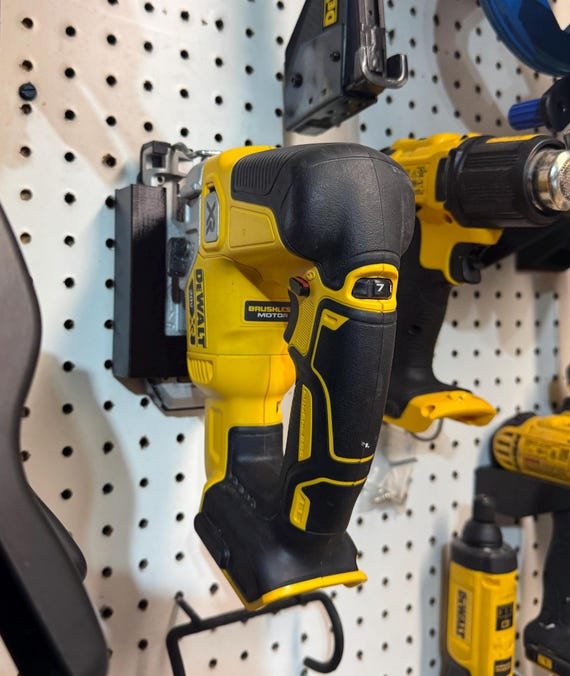
Pegboards are great for storing jigsaws neatly. They keep your tools easy to find and save space.
Using pegboards helps you arrange jigsaws so your workspace stays tidy and efficient.
Arranging By Size And Type
Sort jigsaws by their size to make storage simple. Place larger jigsaws where they fit best.
Group jigsaws by type, like corded or cordless, to find them quickly when needed.
- Keep similar sizes together for easy access
- Separate corded and cordless jigsaws
- Arrange frequently used jigsaws at eye level
- Label each section to avoid confusion
Maximizing Vertical Space
Use the full height of your pegboard to store jigsaws. Hang tools vertically to save room.
Place hooks and holders close together but not crowded. This keeps jigsaws safe and easy to grab.
- Install multiple rows of hooks for different jigsaws
- Use adjustable holders to fit various sizes
- Store accessories like blades on small hooks
- Keep floor space clear by using wall space
Adding Safety And Protection
Using pegboards to store jigsaws keeps your workspace tidy. Safety and protection are key to avoid damage and accidents.
Proper padding and securing loose parts help protect your tools and keep the area safe.
Padding And Covers
Padding helps prevent scratches and absorbs shocks. Covers protect blades and sharp edges from damage and injury.
- Use foam strips on the pegboard hooks to cushion the jigsaw handles.
- Apply rubber or silicone covers on blade ends for extra safety.
- Wrap delicate parts with soft cloth before hanging.
- Choose pegboard hooks with smooth finishes to avoid cuts.
Securing Loose Parts
Loose parts like blades and screws can fall and cause harm. Secure them firmly on the pegboard.
| Loose Part | Storage Method | Safety Benefit |
| Blades | Blade holders or small containers hung on hooks | Prevents cuts and keeps blades organized |
| Screws and Fasteners | Clear jars or magnetic tins attached to pegboard | Stops spills and loss of small parts |
| Wires and Cords | Coiled and hung with cable ties on hooks | Reduces tripping hazards and tangles |
Maintaining Your Pegboard Storage
Keeping your pegboard storage clean and organized helps you find jigsaws fast. Regular care keeps the board strong and useful.
Simple maintenance steps make your workspace safe and neat. This guide covers cleaning and adjusting your pegboard setup.
Regular Cleaning
Dust and dirt can build up on your pegboard and tools. Clean it often to keep everything in good shape.
Wipe the pegboard with a dry or slightly damp cloth. Avoid using harsh chemicals that may damage the board.
- Remove all hooks and tools before cleaning
- Use a soft brush for small holes
- Dry the board completely to stop rust
- Clean tools and jigsaws regularly too
Adjusting Layouts
Change your pegboard layout to fit new tools or improve space. Move hooks and holders as needed.
Plan your layout so jigsaws are easy to reach. Group similar items together for quick access.
- Use different hook sizes for various jigsaw shapes
- Place heavy tools lower for safety
- Label sections for easy identification
- Test new setups before fixing hooks in place
Creative Space-saving Tips
Pegboards are a smart way to store jigsaws. They help keep tools neat and easy to find.
Using space well lets you work better. You can fit more tools in smaller areas.
Using Magnetic Strips
Magnetic strips hold metal parts of jigsaws on the pegboard. This saves shelf space.
Mount strips along the pegboard to keep blades and small parts visible and tidy.
- Attach strips horizontally or vertically
- Place near your work area for quick access
- Use different strips for different jigsaw parts
Incorporating Tool Labels
Labels on your pegboard show where each jigsaw or part belongs. This keeps order.
Use clear labels to save time searching and to put tools back correctly.
- Write tool names on tags or stickers
- Place labels below or above each hook or holder
- Use color codes for different tool types

Credit: thangs.com
Frequently Asked Questions
How Do Pegboards Organize Jigsaw Storage Effectively?
Pegboards keep jigsaws visible and accessible. Hooks and holders secure tools, saving space. This setup prevents clutter and damage. It also speeds up finding the right jigsaw for your project.
What Materials Are Best For Pegboards Storing Jigsaws?
Wood and metal pegboards are durable and sturdy. Metal resists moisture, ideal for humid areas. Wood offers a classic look and strong support. Both allow easy customization with hooks and shelves.
Can Pegboards Hold Heavy Jigsaw Models Safely?
Yes, with proper anchors and strong hooks, pegboards support heavy jigsaws. Ensure the board is securely mounted on studs. Use weight-rated hooks to prevent accidents and damage.
How To Customize Pegboards For Different Jigsaw Sizes?
Use adjustable hooks and shelves for various sizes. Group similar jigsaws together for easy access. Label sections to quickly identify each tool. Custom layouts improve efficiency and workspace organization.
Conclusion
Using pegboards for jigsaw storage keeps your workspace neat and tidy. Tools stay visible and easy to reach. This saves time and reduces frustration during projects. Pegboards also allow flexible arrangement to fit your needs. You can add hooks or shelves as needed.
Organizing tools this way makes your work more enjoyable. Start with simple setups and adjust over time. Keep your jigsaws safe and ready for use. A clean workspace helps you focus better. Try pegboards to keep your tools in order.