Imagine effortlessly cutting through wood with your table saw, achieving perfect, consistent results every time. That’s not just a dream—it can be your reality with the right maintenance routine.
Whether you’re a seasoned carpenter or a DIY enthusiast, keeping your table saw in top shape is crucial for its performance and your safety. You might not realize it, but neglecting maintenance can lead to costly repairs, inconsistent cuts, and even dangerous accidents.
But don’t worry; we’re here to guide you through simple, effective steps to keep your table saw running smoothly. Ready to unlock the secret to consistent and reliable cuts? Let’s dive into the essential maintenance tips that will transform the way you work.

Credit: www.popularmechanics.com
Choosing The Right Table Saw
Picking the right table saw is key for good work and safety. A good saw helps keep cuts straight and clean.
Knowing the types and features helps you make a smart choice. This guide explains what to look for.
Types Of Table Saws
Table saws come in several styles. Each type fits different jobs and spaces.
Choose the type that matches your work and workshop size.
- Benchtop Saws:Small and light. Easy to move but less powerful.
- Contractor Saws:Medium size. Good for job sites and home workshops.
- Cabinet Saws:Large and heavy. Very powerful and precise. Best for serious woodworkers.
- Hybrid Saws:Mix of contractor and cabinet. Good power and easier to move.
Features To Consider
Look at features that affect safety, accuracy, and ease of use. These help keep your saw working well.
- Blade Size:Commonly 10 inches. Bigger blades cut thicker wood.
- Motor Power:More power cuts faster and handles tough wood.
- Fence System:A good fence guides wood for straight cuts.
- Dust Collection:Keeps your workspace clean and safe.
- Safety Features:Look for blade guards and emergency stops.
- Adjustability:Easy blade height and angle changes improve accuracy.
Regular Cleaning Practices
Keeping your table saw clean helps it work well every time. Dirt and dust can cause problems if not removed.
Regular cleaning keeps parts moving smoothly and stops damage. You should clean your saw often.
Removing Dust And Debris
Dust and debris build up during cutting. They can block parts and cause the saw to run poorly.
Use a brush or air compressor to clear dust from all areas. Clean the table surface, motor vents, and moving parts.
- Turn off and unplug the saw before cleaning.
- Brush dust from the table and around the blade.
- Blow out dust from vents and motor housing.
- Check the throat plate and remove any stuck debris.
Cleaning The Blade And Fence
A clean blade cuts better and lasts longer. Resin and pitch can build up on the blade and fence.
Use a blade cleaner or mild solvent to remove sticky residue. Wipe the fence with a cloth and light cleaner to keep it smooth.
- Remove the blade carefully before cleaning.
- Soak the blade in blade cleaner for a few minutes.
- Use a soft brush to scrub off resin and pitch.
- Dry the blade completely before reinstalling.
- Wipe the fence with a clean cloth and mild cleaner.
- Make sure the fence moves smoothly after cleaning.
Blade Maintenance
Keeping your table saw blade in good condition helps you cut wood smoothly and safely.
Regular care of the blade also extends its life and ensures better results every time.
Sharpening Techniques
Sharp blades make cleaner cuts and reduce strain on the saw motor. You can sharpen the blade yourself or use a professional service.
- Remove the blade carefully from the saw following safety steps.
- Use a diamond blade sharpener or a sharpening stone for hand sharpening.
- Keep the blade steady and sharpen each tooth evenly.
- Check the blade for any damage before reinstalling.
- Balance the blade after sharpening to avoid wobbling during cuts.
When To Replace The Blade
Replacing the blade is necessary when sharpening no longer improves cutting or when damage is visible.
| Sign | What It Means | Action |
|---|---|---|
| Dull Teeth | Blade cuts slowly and burns wood | Try sharpening first |
| Missing or Broken Teeth | Blade is unsafe and cuts poorly | Replace the blade immediately |
| Blade Warping | Cuts are uneven and blade vibrates | Replace the blade |
| Excessive Rust | Blade strength is weakened | Replace the blade |
Aligning The Saw Components
Keeping your table saw aligned helps it cut accurately. Misalignment can cause rough cuts or safety issues.
Regular checks and adjustments keep the saw running smoothly and extend its life.
Checking Blade Alignment
Blade alignment means making sure the blade is parallel to the miter slot. This ensures clean and straight cuts.
Use a combination square or dial indicator to check the blade position. Measure from the blade to the miter slot at the front and back of the blade.
- Turn off and unplug the saw before checking.
- Raise the blade to full height.
- Measure the distance from blade teeth to miter slot at front and back.
- If distances differ, the blade needs adjustment.
Adjusting The Fence And Miter Gauge
The fence guides the wood along the blade. It must be parallel to the blade for accurate cuts.
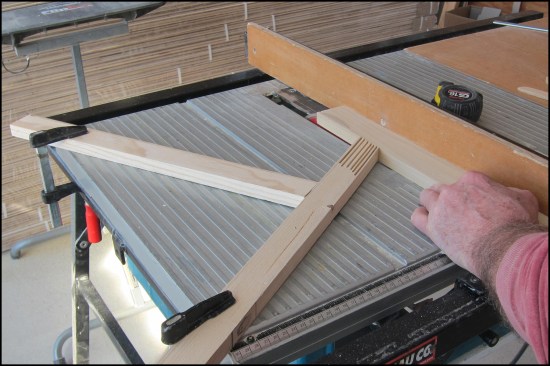
The miter gauge holds the wood at an angle. It should be square to the blade for precise crosscuts.
- Check the fence by measuring the distance to the blade at front and back.
- Adjust the fence until it is parallel to the blade.
- Use a carpenter’s square to check if the miter gauge is at 90 degrees to the blade.
- Tighten any loose parts after adjustment.
Lubrication And Rust Prevention
Keeping your table saw in good shape helps it work well every time. Lubrication and rust prevention are key parts of care. They stop parts from wearing out and keep metal clean.
Regular attention to moving parts and metal surfaces makes your saw last longer. It also keeps cutting smooth and safe.
Lubricating Moving Parts
Lubricate parts that move or spin to reduce friction. This helps the saw run quietly and smoothly. Use the right oil or grease for each part.
- Clean parts before applying lubricant to remove dust and debris.
- Apply a thin layer of lubricant to the gears, bearings, and blade arbor.
- Wipe off extra oil to avoid attracting dirt.
- Lubricate the fence rails and adjustment mechanisms for easy movement.
- Repeat lubrication every few months or after heavy use.
Protecting Metal Surfaces
Rust can damage your table saw’s metal parts. Protect surfaces by keeping them dry and applying a rust inhibitor. Store the saw in a dry place.
| Rust Prevention Tips | Tools or Products |
|---|---|
| Wipe metal surfaces after use | Clean cloth |
| Apply a thin coat of paste wax | Paste wax or furniture wax |
| Use silicone spray on rails and metal parts | Silicone lubricant spray |
| Keep saw covered when not in use | Protective cover or tarp |
| Store in a low-humidity area | Dehumidifier or dry storage room |

Credit: www.thisoldhouse.com
Motor Care And Electrical Safety
Keeping your table saw’s motor in good condition ensures it runs smoothly. Electrical safety protects you from hazards while using the saw.
Regular checks and simple care steps help maintain consistent performance and extend your tool’s life.
Inspecting The Motor
Check the motor often for dirt, dust, and damage. Clean the motor vents to avoid overheating. Listen for strange sounds during operation.
- Unplug the saw before inspection
- Use a soft brush to remove dust
- Look for loose or worn parts
- Check if the motor shaft spins freely
- Test the motor by running it briefly
Ensuring Proper Wiring
Proper wiring prevents electrical shocks and power loss. Inspect wires and plugs for cracks or frays. Replace damaged parts immediately.
| Wiring Check | What to Look For | Action Needed |
|---|---|---|
| Power Cord | Cuts, cracks, or exposed wires | Replace if damaged |
| Plug | Loose prongs or burn marks | Repair or replace |
| Internal Wiring | Frayed or disconnected wires | Secure or replace |
| Grounding | Proper ground connection | Ensure correct wiring |
Safety Checks Before Use
Before using a table saw, check all safety features. This helps prevent accidents and keeps you safe.
Regular checks keep the saw in good condition. It also ensures the saw works properly every time.
Blade Guard And Safety Features
Make sure the blade guard is in place and works well. It protects you from the spinning blade.
- Check the blade guard for cracks or damage
- Ensure the guard moves freely and covers the blade
- Verify that safety switches and emergency stops work
- Look for any loose bolts or parts around the blade area
- Confirm the riving knife is aligned correctly behind the blade
Testing The Saw’s Functionality
Test the saw’s controls before cutting wood. This helps catch any problems early.
| Test | What to Check | Expected Result |
|---|---|---|
| Power Switch | Turn on and off | Saw starts and stops smoothly |
| Blade Movement | Raise, lower, and tilt blade | Blade moves easily and stays in place |
| Motor Sound | Listen for unusual noises | Motor runs quietly without strange sounds |
| Fence and Miter Gauge | Lock and unlock | Fence and gauge hold firmly during use |
Credit: www.jlconline.com
Storage And Environment Tips
Keeping your table saw in a good place helps it work well for a long time. The right storage and environment stop problems that can hurt your saw.
Learn how to store your table saw properly. This will keep it safe from damage and make it last longer.
Ideal Storage Conditions
Store your table saw in a clean, dry place with steady temperature. Avoid places that get very hot or cold. This helps parts stay stable and not wear out fast.
Keep the saw off the floor if you can. Use a sturdy shelf or stand to stop dust and dirt from building up. Cover the saw with a cloth or plastic cover to protect it from dust.
- Choose a dry, dust-free room
- Keep temperature steady, avoid extremes
- Use a stand or shelf, not the floor
- Cover the saw with a cloth or plastic
Preventing Moisture Damage
Moisture can cause rust and damage the saw’s metal parts. Keep the saw away from damp places like basements or garages that leak.
Use moisture absorbers or a dehumidifier in the storage area to reduce humidity. Wipe the saw dry if it gets wet and oil metal parts to stop rust.
- Store saw in a dry place, away from leaks
- Use moisture absorbers or dehumidifiers
- Dry saw quickly if it gets wet
- Apply oil on metal parts to prevent rust
Frequently Asked Questions
How Often Should I Clean My Table Saw?
Clean your table saw after every use. Remove sawdust and debris to ensure smooth operation and prevent buildup. Regular cleaning extends the saw’s lifespan and maintains cutting accuracy. Use a brush or compressed air for thorough cleaning.
What Is The Best Way To Lubricate A Table Saw?
Use a dry lubricant or specialized saw blade lubricant. Avoid oil-based lubricants as they attract dust. Apply lubricant to moving parts like the arbor, gears, and hinges. Lubrication reduces friction and improves saw performance.
How Do I Check Table Saw Blade Alignment?
Use a combination square or alignment tool to check blade parallelism with the miter slot. Adjust the blade until it runs perfectly parallel. Proper alignment ensures accurate cuts and reduces blade wear.
When Should I Replace My Table Saw Blade?
Replace the blade when cuts become rough or the saw struggles to cut. Dull blades increase motor strain and reduce precision. Frequent use may require blade replacement every few months depending on material and usage.
Conclusion
Regular care keeps your table saw working well and safe. Clean the blade and check for damage often. Tighten loose parts to avoid accidents. Sharpen blades to cut smoothly and save effort. Store your saw in a dry, clean place.
Small actions help your saw last longer. Keep your workspace tidy and focused. This way, your saw stays ready for every project. Consistent maintenance means better results and safer work. Simple steps, big benefits.