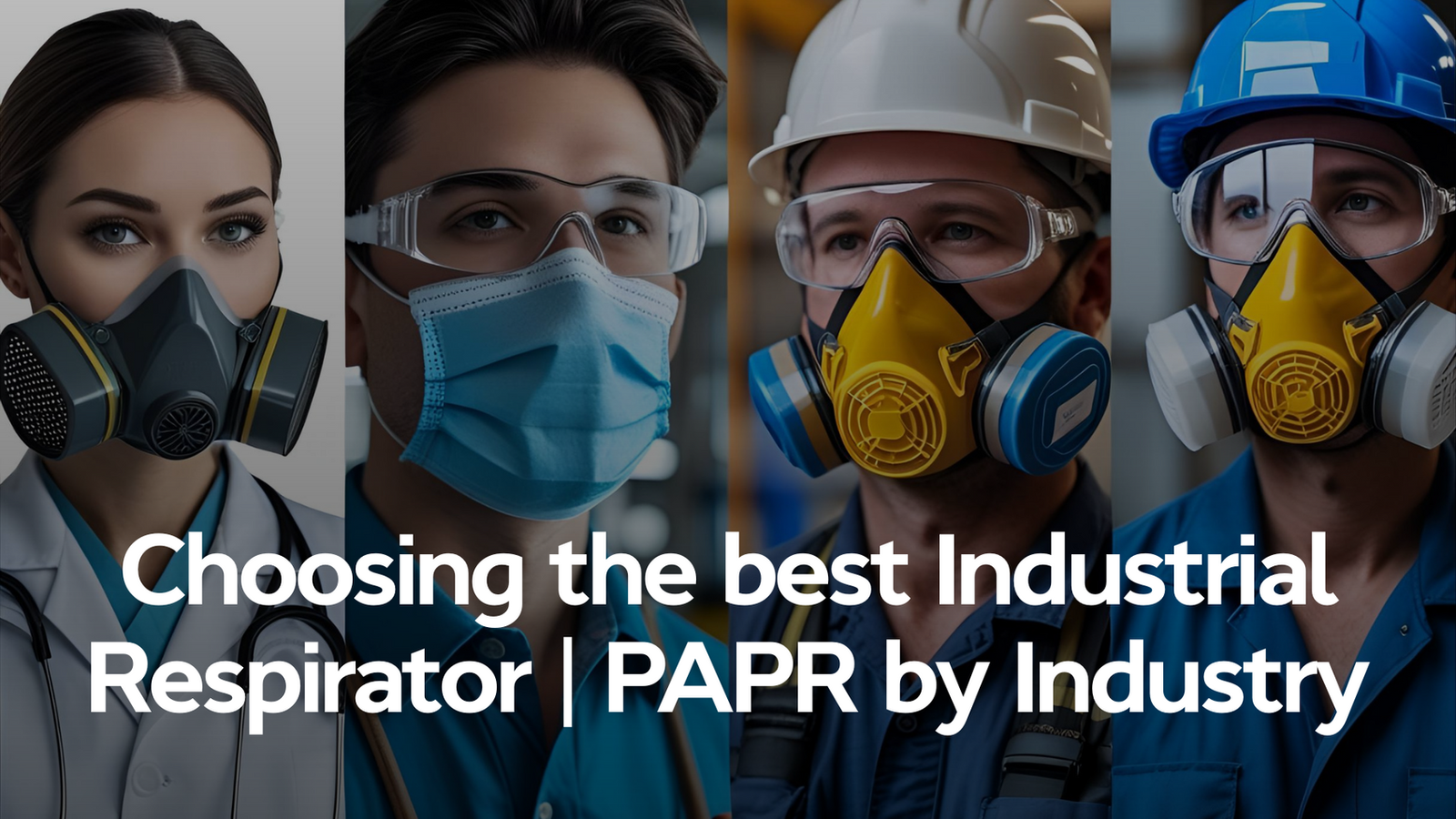
When you’re working with metal, safety should be your top priority. Metalworking can expose you to harmful dust, fumes, and particles that can affect your health over time.
That’s where respirators come in. They are essential tools that protect your lungs and keep you safe on the job. But choosing the right respirator and using it correctly can be a bit confusing. This guide is here to clear up any confusion and help you make informed decisions.
Imagine working in your shop, knowing that you’re fully protected, allowing you to focus on what you do best. By the end of this guide, you’ll feel confident in selecting and using the right respirator for your metalworking needs. Let’s dive in and ensure you’re breathing easy.

Credit: www.ishn.com
Types Of Respirators For Metalworking
Metalworking creates dust, fumes, and particles that can harm your lungs. Using the right respirator protects your health. Different types suit different work needs.
Here are common respirators used in metalworking. Each type has features that fit specific tasks and exposure levels.
Disposable Respirators
Disposable respirators are light and easy to use. They cover your nose and mouth and filter out dust and some fumes. You throw them away after use.
- Best for short jobs with low dust levels
- Do not protect against gases or vapors
- Cost-effective and simple
- Must fit well to work properly
Half-mask Respirators
Half-mask respirators cover your nose and mouth. They use replaceable filters to protect against dust, fumes, and some gases.
| Feature | Details |
| Coverage | Nose and mouth |
| Filter type | Replaceable cartridges or filters |
| Protection | Dust, fumes, some gases |
| Use | Longer tasks and higher exposure |
| Fit | Must seal tightly on the face |
Full-face Respirators
Full-face respirators cover your whole face. They protect your eyes, nose, and mouth. Use them when exposure is high or when eye protection is needed.
- Protect against dust, fumes, gases, and vapors
- Provide a clear view with a face shield
- Use replaceable filters and cartridges
- Require good fit and regular cleaning
Powered Air-purifying Respirators
Powered air-purifying respirators (PAPRs) use a battery to push air through filters. They supply clean air to a hood or full facepiece.
PAPRs reduce breathing effort and give high protection. They are good for long work hours or strong fumes.
- Powered airflow for comfort
- High level of protection
- Protects eyes and face
- Good for long use
- Can be used with other safety gear
Credit: trdsf.com
Hazards In Metalworking
Metalworking exposes workers to many dangers. Breathing harmful substances can cause serious health problems. Wearing the right respirator helps protect the lungs.
This guide explains common hazards in metalworking. It covers metal fumes and dust, chemical vapors, and particulate matter.
Metal Fumes And Dust
Metal fumes form when metals melt or burn. Dust appears during grinding or cutting. Both can irritate the lungs and cause long-term damage.
- Fumes from welding and soldering contain zinc, copper, and lead.
- Dust from metal grinding contains tiny particles that enter the lungs.
- Exposure can cause metal fume fever and chronic lung disease.
- Proper ventilation and respirators reduce risks.
Chemical Vapors
Chemical vapors come from solvents, paints, and cleaning agents. Breathing these vapors can harm the brain, liver, and lungs.
| Chemical | Source | Health Effect |
| Solvents | Cleaning and degreasing | Headaches, dizziness |
| Paints | Coating metal parts | Skin and lung irritation |
| Acids | Etching and cleaning | Burns, respiratory damage |
Particulate Matter
Particulate matter includes tiny solid or liquid particles in the air. These come from cutting, sanding, or blasting metal surfaces.
Key points about particulate matter:
- Particles can be smaller than 2.5 micrometers (PM2.5).
- They penetrate deep into the lungs and bloodstream.
- Exposure increases risk of heart and lung diseases.
- Use respirators rated for fine particles.
Choosing The Right Respirator
Using the correct respirator is vital for safety in metalworking. Respirators protect you from harmful dust, fumes, and gases.
Choosing the right one depends on your work environment and the type of hazards present.
Assessing Workplace Risks
First, identify the types of particles and gases in your workplace. Check for dust, welding fumes, or chemical vapors. Know the concentration levels of these hazards.
- Inspect the air quality regularly
- Note the presence of harmful metals or chemicals
- Understand the exposure duration for workers
- Consult safety data sheets for materials used
Filter Selection And Ratings
Filters protect against different contaminants. Choose filters based on the hazard type and level.
| Filter Type | Protection | Common Use |
| N95 | Particulate matter | Dust and non-oil based particles |
| R95 | Particulate + oil aerosols | Some metalworking fumes |
| P100 | 99.97% filtration of particles | Hazardous dust and fumes |
| Gas/Vapor Cartridges | Specific gases and vapors | Welding fumes, solvents |
Comfort And Fit Considerations
Comfort and fit affect how well a respirator works. A poor fit lets harmful particles in. Choose one that seals well and feels comfortable.
- Check for a tight seal around the nose and mouth
- Adjust straps for a secure fit
- Try different sizes to find the best fit
- Consider respirators with soft, breathable materials
- Make sure it does not restrict your movement
Proper Fit And Seal
Wearing a respirator correctly is important for safety in metalworking. A proper fit and seal keep harmful dust and fumes out. Without a good seal, the respirator cannot protect you well.
Check the fit and seal every time you wear the respirator. Small changes in fit can reduce protection. Knowing how to test and fix the fit helps keep you safe.
Fit Testing Methods
Fit testing ensures the respirator fits your face properly. There are two main types of fit tests. Both check if the respirator seals well around your face.
- Qualitative Fit Test: This test uses a special smell or taste. If you can smell or taste it, the seal is not good.
- Quantitative Fit Test: This test uses machines to measure air leaks. It gives a numeric score for the fit quality.
Common Fit Issues
Sometimes respirators do not fit well because of common problems. Knowing these issues helps you fix the fit quickly.
| Issue | Cause | Effect |
| Loose straps | Worn or improperly adjusted | Poor seal, air leaks |
| Wrong size | Respirator too big or small | Discomfort, gaps |
| Damaged facepiece | Cracks or tears | Seal breaks, unsafe |
| Facial movements | Talking, moving jaw | Seal loss during use |
Facial Hair And Seal Integrity
Facial hair can stop a tight seal. Hair like beards, mustaches, or stubble makes leaks more likely. The respirator must touch the skin directly.
- Shave areas where the respirator seals against the face.
- Use clean-shaven skin for best protection.
- For those who cannot shave, use powered air-purifying respirators with loose-fitting hoods.
Using Respirators Safely
Using respirators correctly protects you from harmful dust and fumes in metalworking. It is important to follow safety steps to avoid breathing problems.
We will explain how to wear, clean, and store your respirator to keep it working well and safe to use.
Donning And Doffing Procedures
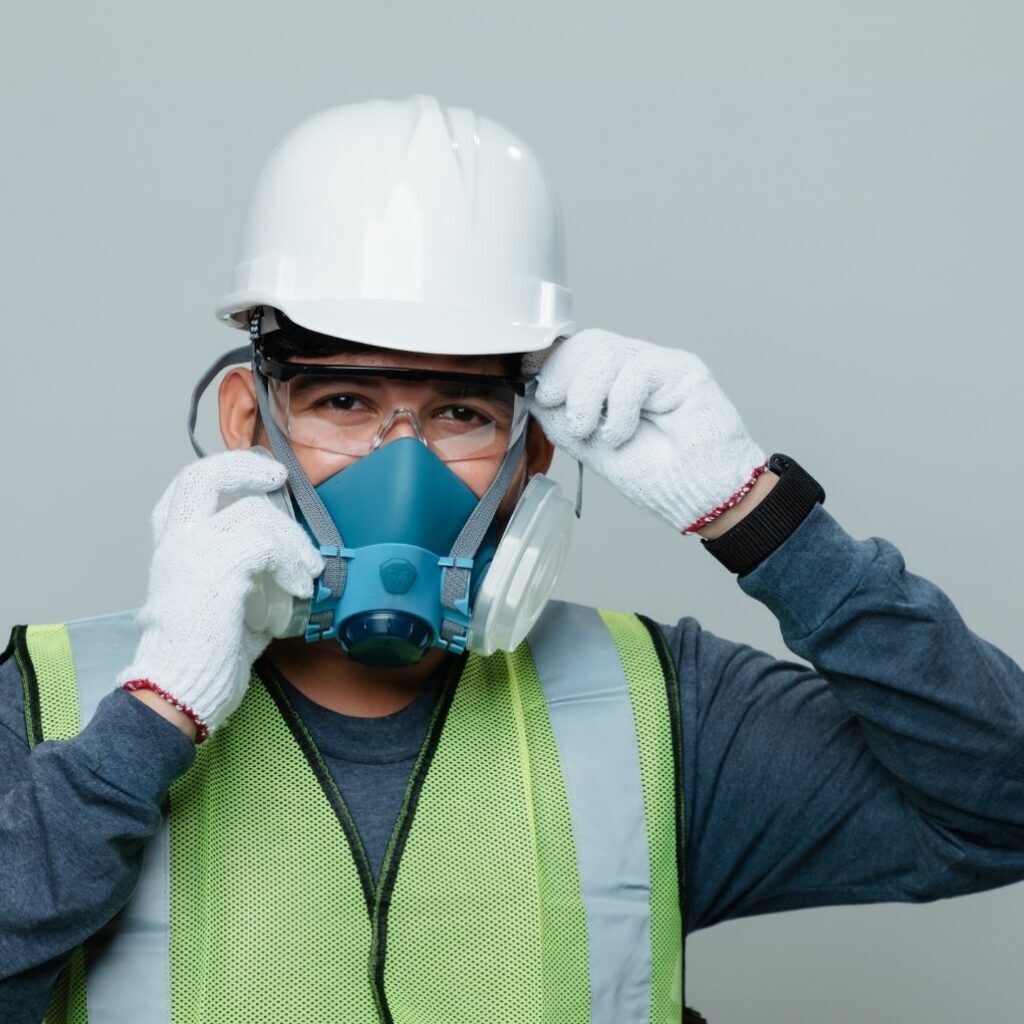
Put on and take off your respirator carefully. This stops dirt and germs from getting inside.
- Wash your hands before touching the respirator.
- Hold the respirator and place it over your nose and mouth.
- Pull the straps over your head and adjust for a snug fit.
- Make sure there are no gaps between your face and the mask.
- To remove, do not touch the front of the mask.
- Remove straps from the back of your head and take off the respirator.
- Wash your hands after removal.
Maintenance And Cleaning
Keep your respirator clean to stop germs and dust from building up. Clean it after every use or daily if you wear it often.
- Remove filters or cartridges before cleaning.
- Use warm water and mild soap to wash the mask parts.
- Rinse well to remove all soap.
- Air dry in a clean place away from direct sunlight.
- Check for cracks or damage before reusing.
Storage Guidelines
Store your respirator correctly to keep it ready and safe for the next use.
| Storage Tip | Reason |
| Keep in a clean, dry container | Prevents dust and moisture |
| Avoid direct sunlight | Protects materials from damage |
| Store away from chemicals | Stops mask from absorbing harmful vapors |
| Do not crush or bend respirator | Keeps shape and fit intact |
Credit: harmonycr.com
Respirator Limitations
Respirators help protect workers from harmful dust and fumes in metalworking. They are important but have limits.
Knowing when a respirator may not work well keeps you safer on the job.
When Respirators Are Not Enough
Some metalworking tasks produce very high levels of toxic dust and gases. Respirators alone cannot protect you in these cases.
Also, respirators do not protect against oxygen deficiency. You need special equipment for this hazard.
- Use ventilated systems for heavy fumes
- Avoid enclosed spaces without air supply
- Choose the right respirator type for the hazard
- Follow safety rules for work areas
Signs Of Respirator Failure
A respirator may fail if it does not fit well or if filters are clogged. Watch for signs to stay safe.
Bad fit, damage, or clogged filters reduce protection and can expose you to hazards.
- Difficulty breathing through the mask
- Unpleasant odors or tastes inside the mask
- Visible damage to the mask or straps
- Leaks around the edges of the mask
- Increased coughing or irritation during use
Training And Compliance
Using respirators in metalworking is important for safety. Proper training helps workers use them right.
Following rules keeps the workplace safe and avoids fines. Training and compliance go hand in hand.
Workplace Training Programs
Training programs teach workers how to wear and care for respirators. They learn to check for damage and fit.
Regular practice and updates keep skills fresh. Training should cover when and why to use respirators.
- How to put on and take off respirators
- How to inspect respirators for damage
- Cleaning and storage procedures
- Signs of respirator failure
Regulatory Standards
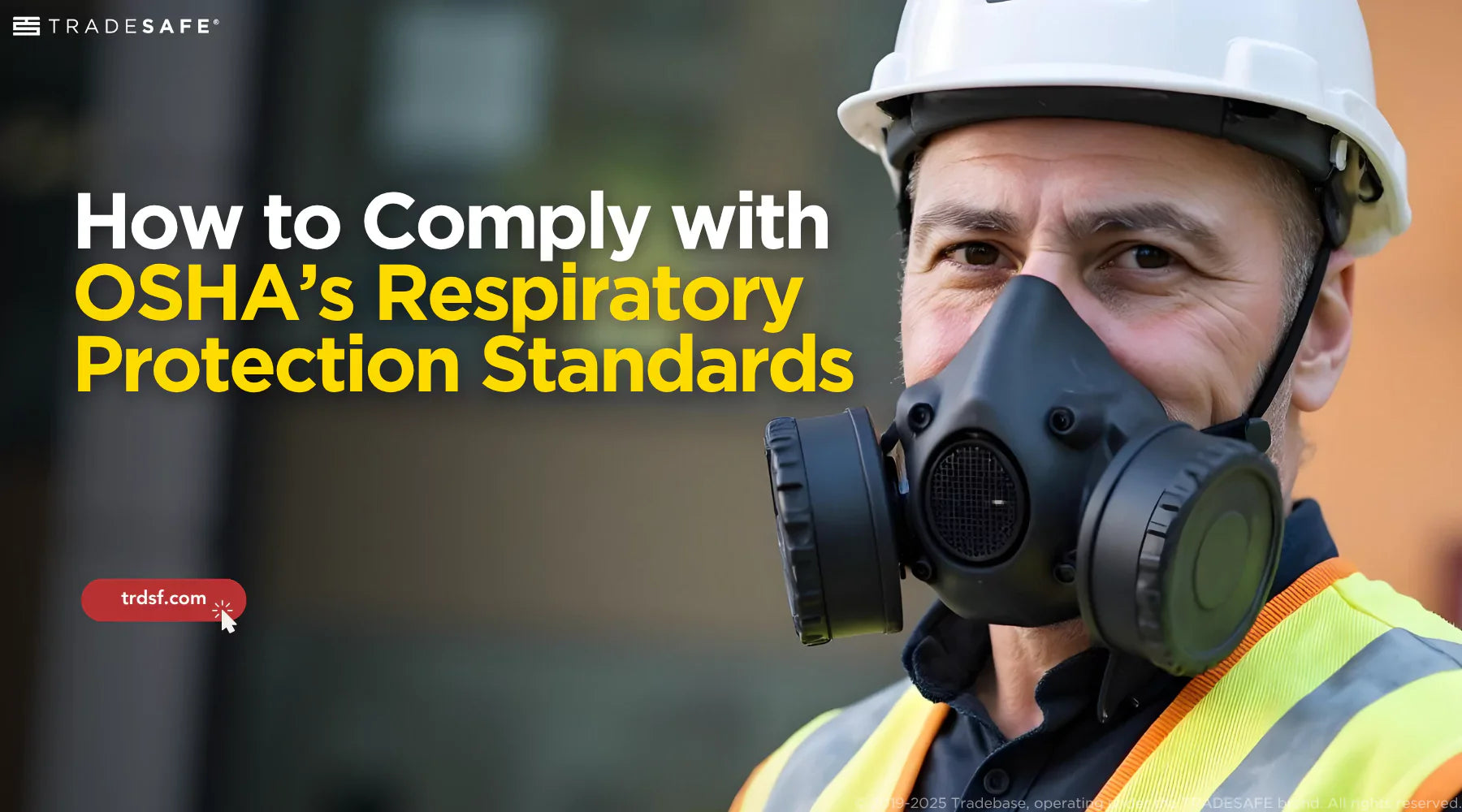
OSHA and other agencies set rules for respirator use. These rules protect workers from harmful dust and fumes.
Employers must follow these standards to keep workers safe. This includes providing proper respirators and training.
- OSHA Respiratory Protection Standard 29 CFR 1910.134
- NIOSH approval for respirator filters
- Regular fit testing requirements
- Medical evaluations before use
Record Keeping
Keeping records helps track training and respirator use. It shows compliance with safety rules.
Records include training dates, fit tests, and medical checks. This information helps improve safety programs.
- Dates of training sessions
- Fit test results and dates
- Medical evaluation records
- Maintenance and inspection logs
Emergency Situations
Metalworking can cause sudden dangers like fires or chemical spills. Using a respirator helps protect your lungs in these emergencies.
Knowing how to use a respirator quickly and safely is important. This guide covers key points for emergency use.
Respirator Use In Accidents
If an accident releases harmful dust or fumes, put on your respirator right away. Do not wait to start breathing clean air.
Check the seal of your respirator to make sure no air leaks in. Replace filters if they are damaged or clogged.
- Stop work immediately and move to fresh air if you feel dizzy or short of breath.
- Use respirators with appropriate filters for the chemical or dust type.
- Keep respirator straps tight for a proper fit.
- Do not remove the respirator until you are in a safe area.
Backup Equipment
Always have backup respirators and extra filters ready. Emergencies can happen without warning.
Store backup equipment in easy-to-find places near your work area. Check them often to make sure they work well.
- Keep extra respirators for all workers on site.
- Replace filters regularly and after exposure to hazardous materials.
- Inspect backup equipment for damage before each use.
- Train workers to use backup gear quickly and correctly.
Frequently Asked Questions
What Type Of Respirator Is Best For Metalworking?
The best respirator for metalworking is a NIOSH-approved respirator. Choose one with P100 filters to block metal fumes and dust. Ensure it fits well to provide effective protection against harmful particles during metalworking tasks.
How Often Should Respirator Filters Be Replaced?
Replace respirator filters after 40 hours of use or when breathing becomes difficult. Regular replacement ensures optimal filtration and protection. Always follow the manufacturer’s guidelines for filter replacement to maintain safety during metalworking operations.
Can Respirators Protect Against Welding Fumes?
Yes, respirators with appropriate filters protect against welding fumes. Use a respirator rated for metal fumes, like a P100 or N95, to reduce inhalation of hazardous particles. Proper fit and filter choice are essential for effective protection.
How Do I Ensure A Proper Respirator Fit?
Conduct a fit test before each use to ensure a tight seal. Adjust straps and check for air leaks. A proper fit prevents contaminated air from entering and maximizes the respirator’s protective performance.
Conclusion
Using the right respirator protects your lungs during metalwork. Choose a respirator that fits well and suits your job. Always check the mask before use for any damage. Replace filters regularly to keep breathing safe and clean. Clean your respirator after each use to avoid germs.
Safe breathing helps you work longer and stay healthy. Remember, protecting yourself is part of good metalworking practice. Stay safe and breathe easy every time you weld or grind.