Are you tired of aching knees after a long day of work or play? Knee pads could be your best friend.
Whether you’re gardening, cycling, or working on home projects, they can make a world of difference. But here’s the catch: wearing them the right way is crucial for your comfort and protection. If you’ve ever felt unsure about adjusting them properly or wondered why they sometimes slip, you’re not alone.
This guide will walk you through the steps on how to wear knee pads for prolonged tasks, ensuring you can focus on what you love without the distraction of discomfort. Ready to give your knees the support they deserve? Let’s dive in and discover the secrets to keeping your knees happy and healthy.
Choosing The Right Knee Pads
Knee pads protect your knees during long tasks. Wearing the right ones keeps you comfortable and safe.
Picking the right knee pads depends on your work type and how long you will wear them. Let’s explore key points.
Types Of Knee Pads
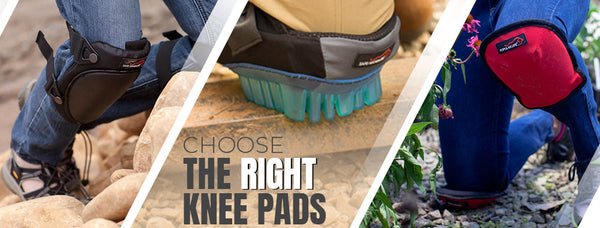
Knee pads come in different styles. Some fit inside pants, others strap outside. Choose one based on your task.
- Slip-on Knee Pads:Easy to wear and remove, good for light jobs.
- Strap-on Knee Pads:Adjustable straps keep them secure for heavy work.
- Hard Cap Knee Pads:Have a hard shell for rough surfaces and extra protection.
- Soft Cap Knee Pads:Use soft foam for comfort on smooth floors.
Material Considerations
Materials affect comfort and durability. Some materials work better for certain jobs and weather.
- Foam:Lightweight and soft, good for short use.
- Gel:Absorbs shock well and stays comfortable longer.
- Neoprene:Durable and water-resistant, ideal for wet areas.
- Plastic or Rubber Caps:Protect from sharp objects and rough ground.
Size And Fit
Knee pads must fit snugly. Too loose, they slip; too tight, they hurt your knees.
Measure your knee size and check the product’s size chart. Try them on if possible before buying.
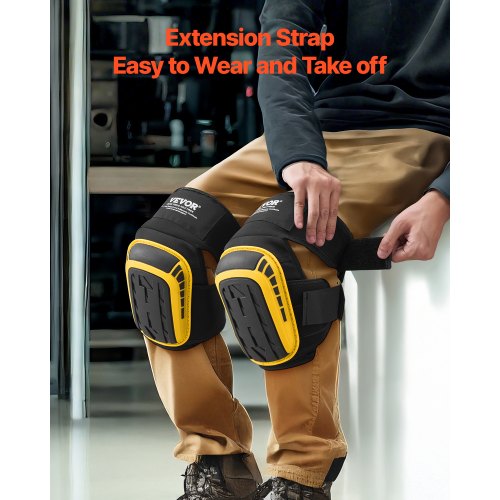
- Choose adjustable straps for a better fit.
- Look for pads with extra padding for comfort.
- Make sure pads do not block movement.
Credit: www.vevor.com
Preparing Your Skin
Wearing knee pads for long tasks can cause skin problems. Preparing your skin helps prevent discomfort and injury.
Taking care of your skin before using knee pads keeps your knees healthy and pain-free.
Cleaning And Drying
Clean your knees well before putting on knee pads. Dirt and sweat can cause rashes or infections.
Dry your skin completely. Moist skin makes irritation more likely under the knee pads.
- Use mild soap and warm water to clean your knees
- Rinse thoroughly to remove all soap
- Pat dry with a soft towel
- Wait a few minutes to ensure skin is fully dry
Using Protective Barriers
Protective barriers create a shield between your skin and the knee pads. This reduces rubbing and pressure.
Use soft cloth or foam sleeves under the knee pads. They help absorb sweat and lower friction.
- Wear knee pad liners made of breathable material
- Use thin cotton or moisture-wicking sleeves
- Change barriers regularly to keep skin fresh
Avoiding Irritation
Check your skin often for redness or soreness. Early care stops irritation from getting worse.
Take breaks from knee pads when possible. Let your skin breathe and recover during long tasks.
- Adjust knee pads for a comfortable fit, not too tight
- Use skin creams or powders to reduce friction
- Replace worn or damaged knee pads immediately
Proper Knee Pad Placement
Wearing knee pads correctly helps protect your knees during long tasks. Proper placement keeps you comfortable and safe.
This guide explains how to place knee pads for the best fit and support.
Aligning With The Knee Cap
Place the knee pad so the center rests right over your knee cap. This alignment protects the joint and absorbs pressure evenly.
- Check that the pad covers your entire knee cap
- Make sure it does not slide too far above or below
- Adjust while kneeling to find the best position
Securing Straps Correctly
Fasten the straps so the knee pads stay tight but not too tight. Properly secured straps stop the pads from moving during work.
| Strap Position | How Tight | Effect |
| Above the knee | Firm | Keeps pad from slipping down |
| Below the knee | Secure but comfortable | Prevents sliding up |
| Both straps | Evenly tightened | Balanced hold and comfort |
Adjusting For Movement
Test your knee pads by moving in different positions. Adjust straps and pad placement to allow easy bending and kneeling.
- Bend your knees fully to check for slipping
- Walk around to ensure pads stay in place
- Re-tighten straps if pads shift during movement
- Make small shifts until comfort and stability feel right
Enhancing Comfort During Use
Wearing knee pads for long tasks can cause discomfort. Proper use helps keep knees safe and comfortable.
Using simple tips can reduce pain and skin irritation while working. Comfort lets you focus on your job.
Layering With Socks Or Sleeves
Wearing a thin sock or sleeve under knee pads adds cushioning. This extra layer stops rubbing and chafing.
Choose soft, breathable materials like cotton or moisture-wicking fabrics. They keep skin dry and prevent irritation.
- Use knee sleeves for added support and padding
- Select socks that fit well without tightness
- Replace layers often to stay clean and fresh
Taking Breaks And Shifting Positions
Stop and rest regularly to ease pressure on your knees. Moving helps blood flow and reduces soreness.
Change your kneeling position often. Shift your weight between legs or sit on your heels to relax muscles.
- Take short breaks every 30 to 60 minutes
- Stand up and stretch during breaks
- Switch knees or positions frequently
Managing Sweat And Moisture
Sweat builds up inside knee pads and causes discomfort. Keep knees dry to avoid skin problems.
Wear moisture-wicking liners and change them when wet. Let knee pads air out after use to prevent odor.
- Use breathable knee pad materials
- Wash liners and socks regularly
- Store knee pads in a dry place
Maintaining And Caring For Knee Pads
Proper care of knee pads helps them last longer and stay comfortable. Clean and inspect them regularly to keep good protection.
Good storage also prevents damage. Follow simple steps to maintain your knee pads for prolonged tasks.
Cleaning Techniques
Remove dirt and sweat after each use. Hand wash knee pads with mild soap and warm water. Avoid harsh chemicals that can break down materials.
- Use a soft brush or cloth to scrub gently.
- Rinse thoroughly to remove soap residue.
- Air dry completely before storing.
- Do not use a dryer or direct heat.
Inspecting For Wear And Tear
Check knee pads often for damage. Look for cracks, worn straps, or thin padding. These issues reduce protection and comfort.
| Part | What to Check | Action |
| Outer Shell | Cracks or holes | Replace if damaged |
| Straps | Fraying or loss of elasticity | Tighten or replace |
| Padding | Compression or tears | Replace if worn out |
Storage Tips
Store knee pads in a dry, cool place. Avoid folding or crushing them to keep shape and padding intact.
- Do keep knee pads in a breathable bag or container.
- Do dry completely before storing to prevent mold.
- Don’t store near heat sources or direct sunlight.
- Don’t pile heavy objects on top of knee pads.

Credit: www.amazon.com

Credit: www.tatianaactive.com.au
Frequently Asked Questions
How Do I Properly Fit Knee Pads For Long Tasks?
Ensure knee pads fit snugly without cutting off circulation. Adjust straps evenly for comfort and stability during prolonged use.
Can I Wear Knee Pads Under Pants Comfortably?
Yes, choose slim-profile knee pads that fit well under pants. This allows comfort and protection without restricting movement.
How To Prevent Knee Pad Discomfort Over Time?
Use knee pads with adequate padding and breathable materials. Take breaks to adjust straps and relieve pressure regularly.
What Materials Are Best For Knee Pads In Long Tasks?
Opt for knee pads with gel or foam cushioning and durable outer shells. Breathable fabrics help reduce sweat and irritation.
Conclusion
Wearing knee pads correctly helps protect your knees during long tasks. Choose the right size for comfort and fit. Adjust straps so pads stay in place without feeling tight. Keep your knees safe by checking pads often and cleaning them well.
Taking these steps prevents pain and injury. Stay comfortable and work longer with proper knee pad use. It makes a big difference in your daily tasks. Simple care and fit keep you moving without worry.