Are you tired of watching your vegetable garden struggle in the heat, despite your best efforts to keep it hydrated? You are not alone.
Many gardeners pour their time and energy into watering their gardens, only to see their plants wilt and their water bills rise. Imagine transforming your garden into a lush, thriving oasis with just a few simple changes to your watering routine.
By learning a few efficient watering techniques, you can save time, conserve water, and enjoy the bountiful harvest you’ve always dreamed of. Stick with us, and we’ll share practical tips that can turn your gardening frustration into satisfaction. Your plants will thank you, and your success will inspire your neighbors. Ready to dig in? Let’s make your vegetable garden the envy of the block!
Credit: www.thecelticfarm.com
Choosing The Right Time
Watering your vegetable garden at the right time helps plants grow strong. It saves water and stops disease.
Picking the best time to water gives plants the moisture they need. It also helps the soil stay healthy.
Morning Vs Evening Watering
Watering in the morning lets plants soak up water before the heat. The sun dries leaves fast, lowering disease risk.
- Morning watering cools plants for the day.
- It reduces water loss from evaporation.
- Plants dry faster, stopping fungus growth.
- Morning dew helps roots absorb water better.
Avoiding Midday Heat
| Time of Day | Effect on Watering |
| Midday | Water evaporates quickly from soil and leaves |
| Afternoon | Plants may get sunburn if wet |
| Early Morning | Water reaches roots with less evaporation |
| Evening | Water stays longer but leaves may stay wet overnight |
Avoid watering during the hottest hours. Watering then wastes water and can harm plants.
Credit: www.homedepot.com
Watering Techniques
Watering your vegetable garden is key for healthy plants. Using the right technique saves water and helps plants grow strong.
Different methods suit different garden sizes and plant needs. Choose the best way to keep your vegetables hydrated.
Drip Irrigation Benefits
Drip irrigation delivers water directly to the plant roots. It reduces water waste and keeps leaves dry.
This system saves time and water by releasing small amounts slowly. It helps prevent diseases caused by wet leaves.
- Uses less water than sprinklers
- Reduces weed growth by watering only plants
- Keeps soil moist without flooding
- Easy to automate with timers
Soaker Hoses Usage
Soaker hoses release water slowly through tiny holes. Lay them near vegetable roots to keep soil evenly moist.
They work well for long garden rows and save water by soaking soil directly. Use mulch to keep water from evaporating.
- Place hose along plant bases
- Cover with mulch to hold moisture
- Water in the early morning or evening
- Check hoses for clogs regularly
Hand Watering Tips
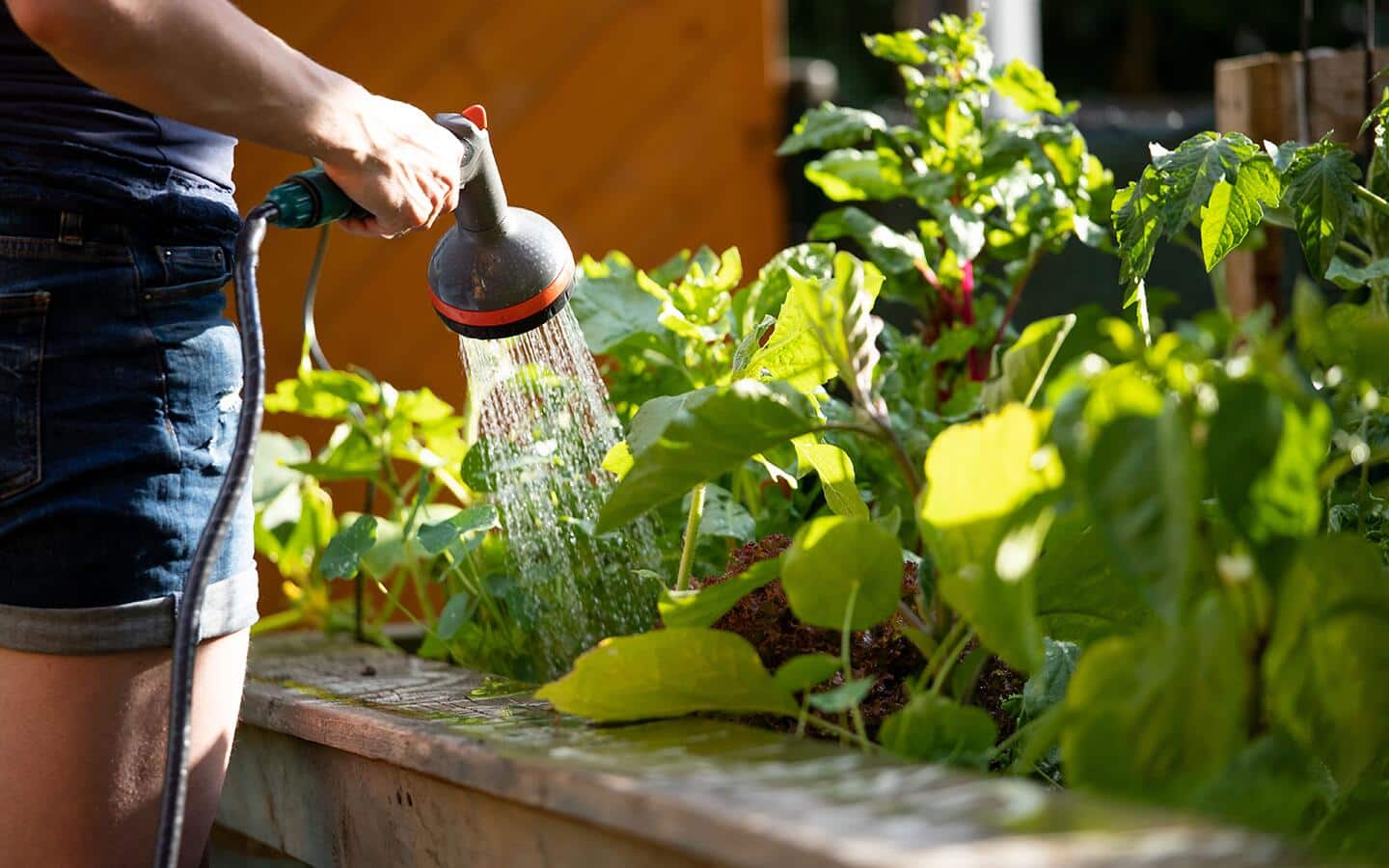
Hand watering lets you give plants the right amount of water. Use a watering can or hose with a gentle spray nozzle.
Water at the base of plants to avoid wetting leaves. Water deeply to encourage strong roots, but avoid overwatering.
- Water early in the day to reduce evaporation
- Check soil moisture before watering
- Use a watering can with a rose head for gentle flow
- Focus on plant roots, not leaves
Soil And Moisture Management
Watering vegetable gardens correctly helps plants grow healthy. Good soil and moisture management saves water and improves plant health.
Understanding how to keep soil moist and knowing your soil type can make watering easier and more effective.
Mulching For Moisture Retention
Mulch protects the soil surface and reduces water loss. It keeps the soil cool and prevents evaporation.
- Use organic mulches like straw, leaves, or grass clippings.
- Spread mulch in a 2 to 3 inch layer around plants.
- Keep mulch a few inches away from plant stems to avoid rot.
- Renew mulch as it breaks down over time.
Soil Types And Water Needs
Different soils hold water in different ways. Knowing your soil type helps you water the right amount.
| Soil Type | Water Holding Capacity | Watering Tips |
| Sandy Soil | Low | Water more often but less each time. |
| Loamy Soil | Medium | Water deeply and less often. |
| Clay Soil | High | Water less often but slowly to avoid runoff. |
Testing Soil Moisture
Check soil moisture before watering to avoid overwatering. You can test soil moisture easily at home.
- Stick your finger about 2 inches into the soil.
- If it feels dry, it is time to water.
- If it feels moist, wait before watering again.
- Use a soil moisture meter for more accurate readings.
Plant-specific Needs
Watering vegetable gardens properly saves water and helps plants grow strong.
Different vegetables need different amounts of water. Knowing their needs improves your watering plan.
Deep Vs Shallow Rooted Vegetables
Vegetables have different root depths. Deep-rooted plants need water deep in the soil. Shallow-rooted plants need water near the surface.
- Deep-rooted vegetables: carrots, tomatoes, and beans
- Shallow-rooted vegetables: lettuce, spinach, and radishes
- Deep-rooted plants need less frequent but deeper watering
- Shallow-rooted plants need more frequent and lighter watering
Adjusting Water For Growth Stages
Vegetables need different water amounts during seedling, growth, and harvest stages.
| Growth Stage | Watering Frequency | Water Amount |
| Seedling | Daily | Light |
| Vegetative Growth | Every 2-3 days | Moderate |
| Flowering and Fruiting | Every 3-4 days | Deep |
| Harvest | Reduce | Light to Moderate |
Water Conservation Strategies
Watering vegetable gardens uses a lot of water. Using water wisely helps save this vital resource. Gardens can stay healthy with less water.
There are simple ways to reduce water use. These methods also keep your plants strong. Learn about rainwater harvesting, reusing greywater, and smart irrigation.
Rainwater Harvesting
Rainwater harvesting collects rain for garden use. It lowers water bills and reduces waste. You can collect rain from roofs into barrels or tanks.
- Place barrels under downspouts to catch water
- Use a fine mesh to keep debris out
- Store water in shaded areas to prevent algae
- Use harvested rainwater to water plants directly
Reusing Greywater
Greywater is used water from sinks or showers. It can water gardens safely if used properly. Avoid using water with harsh chemicals.
| Source | Safe for Garden Use? |
| Bathroom sink | Yes |
| Shower | Yes |
| Kitchen sink | No |
| Washing machine | Depends on detergent |
Smart Irrigation Controllers
Smart controllers adjust watering based on weather and soil. They prevent overwatering and save water. These systems work with drip or sprinkler setups.
Benefits of Smart Irrigation Controllers:
- Automatic watering schedules
- Adjusts for rain and temperature
- Reduces water waste
- Improves plant health

Credit: www.express.co.uk
Common Watering Mistakes
Watering vegetable gardens is important for healthy plants. Many gardeners make simple mistakes that waste water and harm plants.
Learning to water correctly helps plants grow strong and saves water. Avoiding common errors improves your garden’s success.
Overwatering Signs
Too much water causes roots to drown and rot. Look for yellow leaves that feel soft or limp. Soil that stays wet for days can also hurt plants.
Overwatered plants may stop growing well. They can get mold or fungus on leaves and stems.
- Yellow, limp leaves
- Soil that is always wet
- Foul smell from soil
- Slow plant growth
- White mold on leaves or stems
Underwatering Effects
Not enough water makes plants dry and weak. Leaves turn brown and crispy at the edges. Plants may wilt during hot days.
Underwatered vegetables often produce less fruit. They become stressed and more likely to get pests or diseases.
- Dry, brown leaf edges
- Wilting during the day
- Slow or no new growth
- Smaller or fewer vegetables
- More pest problems
Avoiding Leaf Wetting
Water on leaves can cause diseases. It also wastes water that should reach roots. Use watering methods that keep leaves dry.
Water early in the morning so leaves dry quickly. Use drip irrigation or water at the base of plants.
- Use drip irrigation or soaker hoses
- Water at plant base, not on leaves
- Water in early morning hours
- Avoid overhead sprinklers
- Check plants for wet leaves after watering
Frequently Asked Questions
How Often Should I Water My Vegetable Garden?
Water your vegetable garden 2-3 times weekly, depending on weather and soil type. Early morning watering reduces evaporation and fungal risks.
What Is The Best Time To Water Vegetables?
Water vegetables early morning for deep soil absorption and less water loss. Avoid evening watering to prevent mold and mildew growth.
How Much Water Do Vegetable Plants Need Daily?
Vegetables typically need about 1-2 inches of water weekly. Adjust based on plant type, soil, and climate conditions for optimal growth.
Can Drip Irrigation Improve Vegetable Garden Watering?
Yes, drip irrigation delivers water directly to roots, reducing waste and promoting efficient moisture use. It helps maintain consistent soil hydration.
Conclusion
Water your vegetable garden early in the morning. This helps plants absorb water better. Use drip irrigation or soaker hoses to save water. Check soil moisture before watering to avoid waste. Mulch around plants to keep soil damp longer. Water slowly and deeply, reaching the roots well.
Watch your plants for signs of over or under watering. These simple steps help your garden grow strong and healthy. Efficient watering saves time, water, and energy. Try these tips and enjoy a thriving vegetable garden.