
Have you ever struggled with getting those perfect wood edges on your DIY projects? Maybe you’ve spent hours with sandpaper, only to end up with uneven or splintered results.
If this sounds familiar, you’re not alone. The good news is there’s a tool that can transform your sanding experience: the belt sander. This powerful tool can turn a tedious task into a quick and satisfying process, leaving you with smooth, flawless edges every time.
Imagine the satisfaction of effortlessly achieving that professional finish on your woodwork. In this guide, you’ll discover how to use a belt sander effectively, ensuring your projects not only meet but exceed your expectations. Ready to take your woodworking skills to the next level? Let’s dive in and unlock the potential of your projects!
Choosing The Right Belt Sander
Using a belt sander for sanding wood edges makes the work faster and smoother. Picking the right sander helps you get better results and stay safe.
This guide covers types of belt sanders, choosing the right grit, and safety features to check before buying.
Types Of Belt Sanders
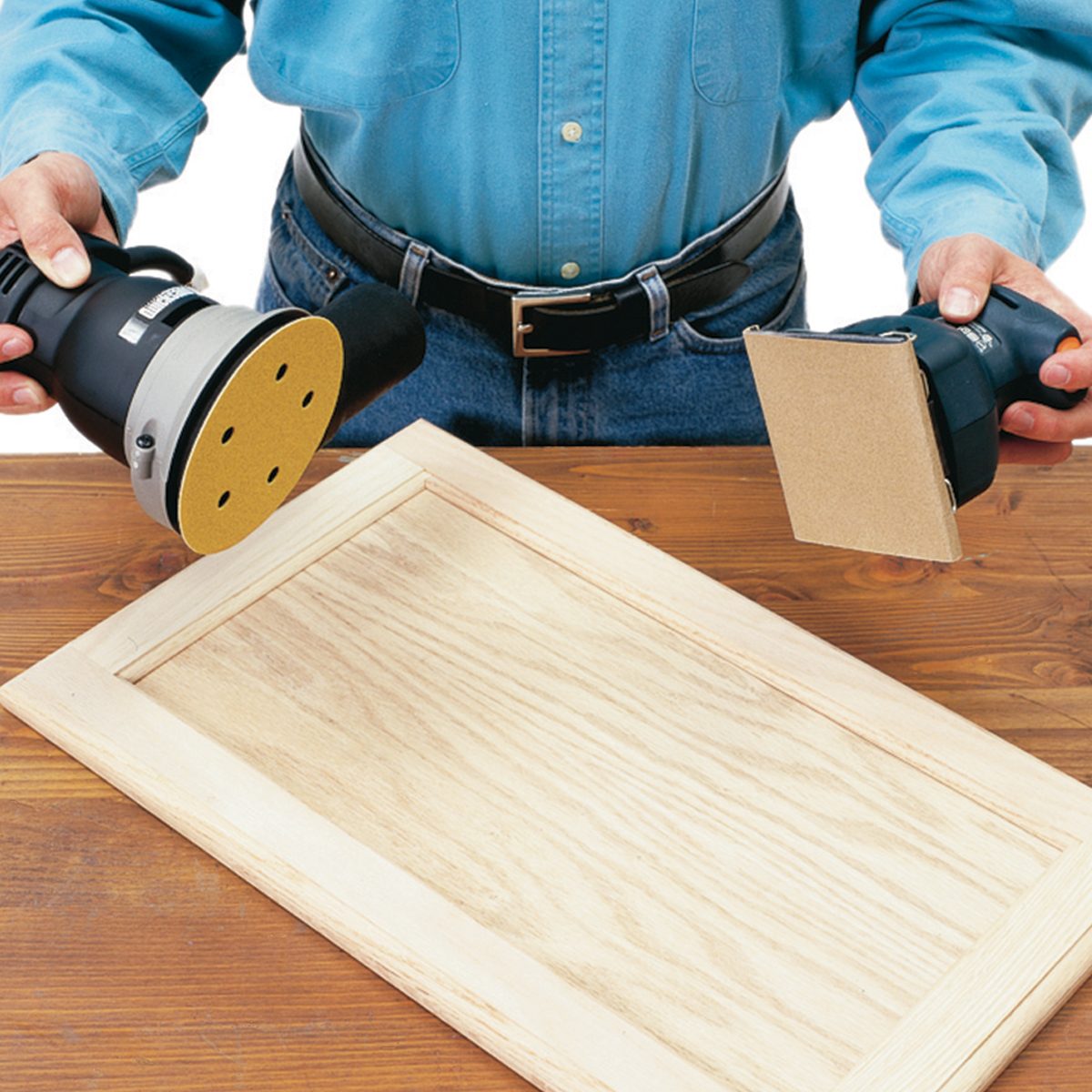
Belt sanders come in different sizes and power levels. You can find handheld models and stationary ones for workshops. Each type suits different sanding tasks and wood sizes.
- Handheld Belt Sanders:Portable and easy to control, good for edges and small pieces.
- Stationary Belt Sanders:Fixed on a table, used for larger wood pieces and heavy sanding.
- Corded Belt Sanders:Provide constant power, best for long projects.
- Cordless Belt Sanders:Offer mobility but need battery charging.
Selecting The Correct Grit
The belt grit affects how smooth the wood edges will be. Lower grits remove more wood fast but leave rough surfaces. Higher grits sand slowly but give smooth finishes.
| Grit Size | Use |
| 40-60 | Heavy material removal and shaping edges |
| 80-100 | Sanding edges to smooth rough surfaces |
| 120-150 | Final smoothing before finishing |
Safety Features To Look For
Choose a belt sander with safety features to protect yourself and work better. Look for these key safety parts.
- Automatic Belt Tracking:Keeps the sanding belt centered and prevents it from slipping off.
- Dust Collection Port:Connects to a vacuum to reduce dust and keep your workspace clean.
- Ergonomic Handles:Provide a firm grip and reduce hand fatigue during long sanding sessions.
- Lock-On Switch:Keeps the sander running without holding the trigger, reducing hand strain.
Credit: www.familyhandyman.com
Preparing Your Workspace
Before using a belt sander, set up your workspace carefully. A good setup helps you work safely and finish your project well.
Clear the area around you and make sure everything is ready. This prevents accidents and keeps your wood steady.
Clearing The Area
Remove any objects that can get in your way. Keep the floor clean and free of clutter. This gives you room to move and stops tripping risks.
- Clear all tools not in use from the workspace
- Sweep or vacuum dust and debris
- Ensure good lighting for better visibility
- Keep cords and cables organized and away from the sander
Securing The Wood
Hold the wood firmly before sanding. This prevents slips and gives you better control over the belt sander.
| Method | Description |
| Clamps | Use clamps to fix the wood to your workbench securely. |
| Workbench Vise | Place the wood in a vise for strong grip during sanding. |
| Non-slip Mat | Put a rubber mat under the wood to reduce movement. |
Wearing Protective Gear
Wear safety gear to protect yourself from dust and flying particles. This keeps you safe while using the belt sander.
- Safety goggles to protect your eyes
- Dust mask or respirator to avoid breathing dust
- Ear protection to reduce noise
- Work gloves to protect your hands
Setting Up The Belt Sander
Using a belt sander correctly starts with proper setup. Setting up the sander ensures safe and smooth sanding.
Follow these steps to prepare your belt sander for sanding wood edges.
Installing The Sandpaper Belt
Choose the right sandpaper belt for your wood type. Turn off and unplug the sander before installing the belt.
Release the tension lever to remove the old belt. Slide the new belt onto the rollers, making sure the arrows on the belt match the sander’s direction.
Adjusting Belt Tension
Proper belt tension keeps the sandpaper tight and prevents slipping. After installing the belt, engage the tension lever.
Check that the belt stays centered on the rollers. If it moves sideways, adjust the tracking knob until the belt runs straight.
- Engage the tension lever firmly
- Turn the tracking knob slowly
- Watch the belt position during adjustments
Checking Speed Settings
Different woods need different sanding speeds. Check your sander’s speed control before starting.
Set the speed to a low or medium level for softwoods. Use higher speeds for hardwoods or tough sanding jobs.
- Low speed: gentle sanding
- Medium speed: general use
- High speed: heavy sanding
Techniques For Sanding Wood Edges
Sanding wood edges with a belt sander needs care and skill. Using the right methods helps you get smooth edges without damage.
This guide covers key techniques to keep control and get even sanding results on wood edges.
Maintaining Proper Angle
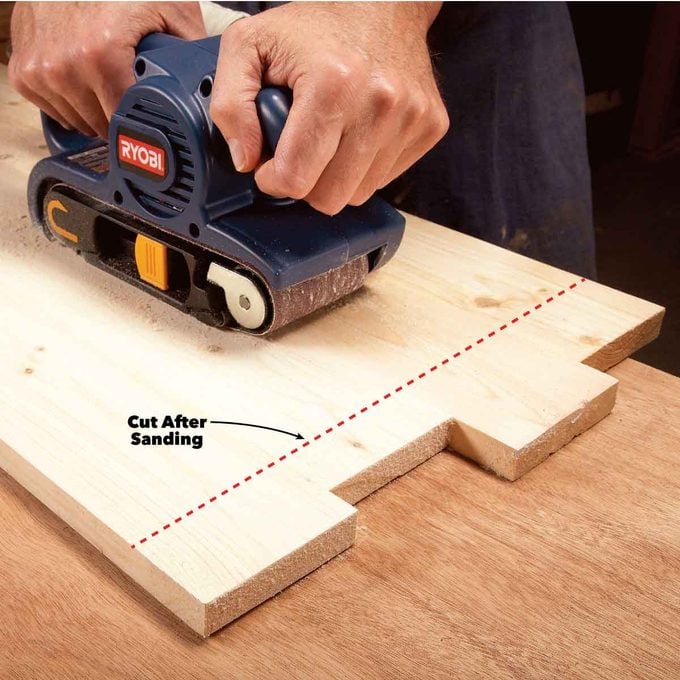
Hold the belt sander at the right angle to avoid gouges or uneven sanding. Keep the sander flat against the edge with a slight tilt.
- Keep the sander between 5 to 15 degrees from the edge surface.
- Avoid pressing the sander too steeply into the wood.
- Adjust the angle slowly to follow curves or corners.
Controlling Pressure
Apply even, gentle pressure to let the belt do the work. Too much pressure can cause deep marks or damage the wood.
| Pressure Level | Effect on Wood |
| Light | Smooth sanding, less risk of damage |
| Medium | Faster material removal, good for rough edges |
| Heavy | May cause gouges, uneven surfaces |
Moving The Sander Smoothly
Keep the sander moving evenly along the edge to avoid uneven spots or burns. Use steady, controlled motions.
Tips for smooth movement:
- Move the sander along the edge without stopping in one spot.
- Use long strokes that cover the entire edge length.
- Overlap strokes slightly to keep sanding consistent.
- Keep your hands steady and avoid jerky motions.
Avoiding Common Mistakes
Using a belt sander to sand wood edges needs care to avoid damage. Many users make common mistakes that can ruin the wood or the tool.
Learning how to prevent these issues saves time and gives better results. Focus on key areas like gouges, overheating, and dust control.
Preventing Gouges
Gouges happen when the sander digs too deep or stays too long in one spot. Keep the sander moving evenly along the edges to avoid this.
- Hold the sander firmly but do not press down hard
- Use smooth, steady movements along the wood edge
- Check the belt for wear and replace if needed
- Start with a coarse grit and finish with a finer grit
- Practice on scrap wood to gain control
Avoiding Overheating
Overheating can damage both the wood and the sander. Heat builds up if you keep the sander in one place or use the wrong grit.
| Cause | Effect | Prevention |
| Too much pressure | Wood burns or melts | Use light pressure |
| Slow movement | Heat buildup | Move sander steadily |
| Using coarse grit too long | Excess friction | Switch to finer grit quickly |
| Poor ventilation | Tool overheats | Work in a ventilated area |
Managing Dust And Debris
Dust blocks the sanding surface and can harm your health. Keep the workspace clean and use dust control methods.
Follow these tips to manage dust:
- Attach a dust bag or vacuum to the sander
- Wear a dust mask to protect your lungs
- Clean the sanding belt often to remove buildup
- Work in a well-ventilated area or use a fan
Credit: www.familyhandyman.com
Finishing Touches
Using a belt sander to smooth wood edges takes care and attention. Finishing touches make the wood ready for use or further treatment.
This section covers how to check smoothness, use fine grit sandpaper, and clean the wood surface properly.
Checking For Smoothness
Run your hand gently over the sanded edge to feel for rough spots or bumps. Look closely for uneven sanding marks or ridges that need more work.
- Look for any scratches or gouges left by the sander
- Check if the edge shape matches your desired profile
- Feel for splinters or rough patches with your fingers
- Use a bright light to spot uneven areas
Using Fine Grit For Final Pass
Switch to a finer grit belt or sandpaper to smooth out the last imperfections. This step helps achieve a polished and even finish on the wood edges.
| Grit Size | Purpose |
| 80-100 | Initial sanding to shape edges |
| 120-150 | Smooth rough surfaces |
| 180-220 | Final pass for a smooth finish |
Cleaning The Wood Surface
Remove dust and debris from sanding before applying any finish. Clean surfaces ensure better adhesion and a nicer look.
Follow these tips to clean your wood:
- Use a soft brush to sweep off loose dust
- Wipe with a tack cloth to pick up fine particles
- For heavy dust, use a vacuum with a brush attachment
- Let the wood dry if you use a damp cloth
Maintaining Your Belt Sander
Keeping your belt sander in good shape helps it last longer. Regular care improves its performance. It also makes sanding safer and easier.
Simple maintenance tasks can prevent big problems. Clean, replace, and store your sander properly after use.
Cleaning The Machine
Dust and debris build up inside the sander. This can block vents and damage parts. Clean your belt sander after each use to keep it working well.
Use a brush or compressed air to remove dust. Wipe the outside with a dry cloth. Avoid water or liquids near electrical parts.
- Unplug the sander before cleaning
- Remove dust from vents and belt area
- Use a soft brush for tight spots
- Wipe the body with a dry cloth
- Keep the sanding belt clean too
Replacing Worn Belts
A worn belt reduces sanding power and can ruin wood. Check the belt often for tears or smooth spots. Replace it if you see damage or wear.
Changing the belt keeps your sander strong. Follow the tool’s guide to remove the old belt. Fit the new one tightly and align it properly.
- Turn off and unplug the sander
- Release the belt tension lever
- Slide off the old belt carefully
- Place the new belt in the same direction
- Re-engage the tension lever
- Check belt alignment before use
Storing Properly
Store your belt sander in a clean, dry place. Avoid areas with moisture or dust. Good storage protects the machine from rust and damage.
Keep the sander off the floor if possible. Use a case or cover to shield it from dirt. Store with the belt loosened to avoid belt damage.
- Unplug and clean before storing
- Loosen the sanding belt
- Cover the sander with a cloth or case
- Keep in a dry, dust-free area
- Store on a shelf or workbench

Credit: www.homebuilding.co.uk
Frequently Asked Questions
What Safety Gear Is Needed For Belt Sanding Wood Edges?
Always wear safety goggles, a dust mask, and ear protection. Gloves can help prevent splinters but avoid loose-fitting ones near the sander. Proper safety gear protects you from dust, noise, and potential injuries during belt sanding.
How Do I Choose The Right Sandpaper Grit?
Start with a coarse grit (40-60) for rough edges, then progress to finer grits (120-220) for smooth finishes. Using the correct grit ensures efficient sanding and prevents damage to your wood edges.
Can I Use A Belt Sander On Delicate Wood Edges?
Yes, but use a light touch and finer grit sandpaper. Avoid pressing hard to prevent gouging or uneven sanding. Practice on scrap wood first to master control.
How To Maintain Even Sanding On Wood Edges?
Keep the sander moving steadily along the edge without staying in one spot. Use consistent pressure and maintain the sander flat against the wood for uniform results.
Conclusion
Using a belt sander on wood edges takes practice and care. Always keep the sander moving to avoid deep marks. Choose the right grit sandpaper for a smooth finish. Wear safety gear to protect your eyes and hands. Take your time and check your work often.
Clean the sander after use to keep it working well. With steady hands and patience, your wood edges will look great. Simple steps make sanding easier and safer every time. Keep practicing, and your skills will improve quickly.