Are you ready to transform your furniture projects from ordinary to extraordinary? A miter saw might just be your new best friend.
Whether you’re a seasoned woodworker or a DIY enthusiast, mastering this versatile tool can elevate your craft. But, like any powerful tool, the miter saw can be daunting without the right guidance. That’s where we come in. By the end of this article, you’ll discover simple yet effective tips to make the most out of your miter saw.
You’ll find yourself cutting with precision, creating stunning angles, and crafting furniture pieces that you can truly be proud of. So, are you ready to take your projects to the next level? Let’s dive in!

Credit: www.youtube.com
Choosing The Right Miter Saw
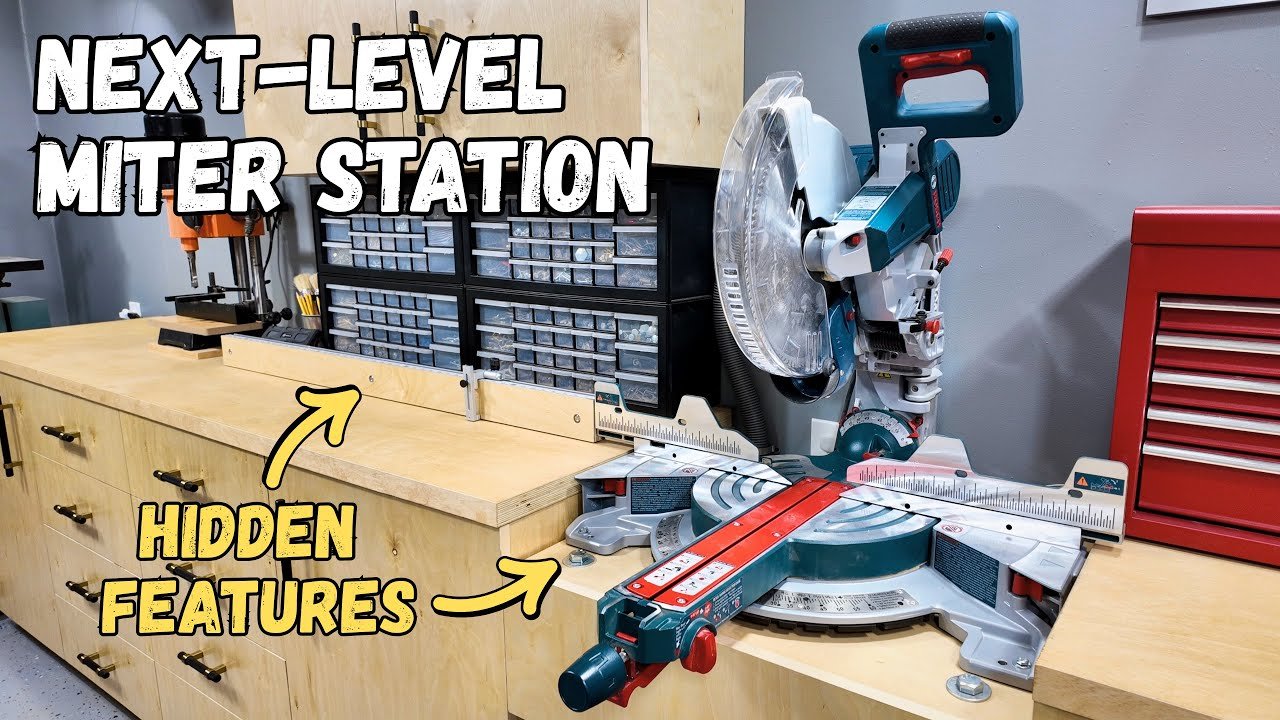
A miter saw is a helpful tool for furniture projects. Picking the right one makes your work easier and safer.
Different miter saws fit different tasks. Knowing which type and features to choose helps you get the best results.
Types Of Miter Saws
There are three main types of miter saws. Each one works best for certain cuts and projects.
- Standard Miter Saw:Cuts angles left and right. Good for simple angle cuts.
- Compound Miter Saw:Tilts to cut bevels and angles. Useful for furniture with angled joints.
- Sliding Compound Miter Saw:Has a sliding arm for wider cuts. Best for large wood pieces.
Blade Selection Tips
Choosing the right blade affects the smoothness and speed of your cuts. Use blades made for wood furniture.
- Pick blades with 60 to 80 teeth for clean cuts on furniture wood.
- Use carbide-tipped blades for longer life and sharper edges.
- Match blade size to your miter saw’s specifications to avoid damage.
Safety Features To Look For
Safety is important when using a miter saw. Look for features that protect you during work.
- Blade guards cover the blade when not cutting.
- Electric brakes stop the blade quickly after release.
- Locking fences help hold wood steady and prevent kickback.
- Non-slip handles give better control over the saw.
Setting Up Your Workspace
Setting up a good workspace helps you use your miter saw safely and accurately. A clean and organized area makes your furniture projects easier to handle.
Before starting, prepare your workspace so you can work smoothly without interruptions or risks.
Stable Work Surface
Use a strong and level surface to place your miter saw. This keeps the saw steady and prevents mistakes during cuts.
- Choose a workbench or table that does not wobble.
- Make sure the surface is wide enough to support long wood pieces.
- Keep the area clear of clutter for easy movement.
Proper Lighting
Good lighting helps you see cutting lines clearly. It lowers the chance of errors and keeps you safe.
| Type of Light | Placement |
| Overhead Light | Directly above the saw |
| Task Light | Focused on the cutting area |
| Natural Light | Near windows if possible |
Organizing Tools And Materials
Keep all tools and materials close to your saw. This saves time and avoids accidents from reaching too far.
- Use hooks or pegboards to hang hand tools.
- Store wood pieces by size near the saw.
- Keep safety gear like goggles and ear protection within reach.
- Clear scraps and dust regularly to prevent slips.
Preparing Your Materials
Getting your materials ready is important for good results. Taking time to prepare helps you cut wood safely and accurately.
Check your tools and wood before you start. This saves time and reduces mistakes during your furniture project.
Measuring And Marking Accurately
Measure your wood pieces carefully to get the right size. Use a sharp pencil or marking tool for clear lines.
Double-check your measurements before cutting. Mark the cut line clearly to guide the saw blade precisely.
- Use a tape measure or ruler for accuracy
- Mark both sides of the wood if possible
- Draw thin, straight lines for precise cuts
Clamping For Stability
Clamp your wood securely to prevent movement while cutting. Stable wood reduces the risk of uneven cuts and injury.
Use clamps that fit your work surface and hold the wood tight. Check that clamps do not block the saw blade path.
- Place clamps near the cut line but clear of the blade
- Use enough clamps to stop wobbling
- Test stability by trying to move the wood before cutting
Checking Wood Grain Direction
Look at the wood grain before cutting. The grain direction affects how the wood cuts and the final look.
Cutting with the grain gives a cleaner edge. Cutting against the grain can cause splinters or rough edges.
- Identify the grain direction by looking at the lines on the wood surface
- Plan cuts to follow the grain whenever possible
- Sand edges after cutting to smooth any rough spots
Making Precise Cuts
Precise cuts are essential for good furniture projects. Using a miter saw correctly helps achieve clean and accurate cuts.
Focus on key techniques to improve your cutting accuracy and get better results with each cut.
Adjusting The Saw Angle
Set the saw angle carefully before cutting. Check the angle gauge and adjust it slowly to match your project needs.
- Loosen the angle lock knob.
- Move the saw to the desired angle.
- Tighten the knob to secure the saw.
- Double-check the angle with a protractor if needed.
Using Stop Blocks For Repeat Cuts
Stop blocks help you make the same cut size many times. This saves time and keeps your cuts consistent.
Controlling The Saw Speed
Control the speed of your cuts to avoid chipping and rough edges. Slow and steady cuts give the best results.
| Speed Setting | Best Use |
| Slow | Hardwoods and delicate trim |
| Medium | Softwoods and general cuts |
| Fast | Thick boards and rough cuts |
Improving Cut Quality
Using a miter saw for furniture projects requires clean and precise cuts. Good cut quality makes your furniture look professional and strong.
Small details like blade sharpness and saw maintenance can change your results a lot. Follow these tips to improve your cuts.
Using Sharp Blades
Sharp blades cut wood smoothly and reduce splintering. A dull blade makes rough cuts and burns the wood edges.
Change or sharpen your blade regularly. Choose blades made for fine woodworking for better finish.
- Check blade sharpness before each project
- Use blades with more teeth for cleaner cuts
- Replace blades if you see burn marks or rough edges
Minimizing Tear-out
Tear-out happens when wood fibers pull away during cutting. It makes edges rough and uneven.
Use masking tape on the cut line to hold wood fibers in place. Cut slowly and use a fine-tooth blade for less tear-out.
- Apply painter’s tape over the cutting line
- Cut with the blade teeth facing down on the good side
- Make a shallow scoring cut before the full cut
Cleaning The Saw Regularly
Dust and debris can build up in your miter saw. This can affect the blade and the cutting accuracy.
Clean the saw after every use. Remove sawdust from the blade, table, and moving parts to keep cuts precise.
- Use a brush or air compressor to clear sawdust
- Wipe the table surface to keep it smooth
- Check and clean the blade guard and fence

Credit: www.youtube.com
Maintaining Safety
Using a miter saw for furniture projects can be safe if you follow the right steps. Paying attention to safety helps prevent injuries and keeps your work smooth.
This guide covers key safety tips including wearing protective gear, safe handling, and avoiding common mistakes.
Wearing Protective Gear
Always wear the right protective gear when using a miter saw. This reduces risks from flying debris and loud noise.
- Wear safety goggles to protect your eyes
- Use ear plugs or earmuffs to protect your hearing
- Wear a dust mask to avoid inhaling sawdust
- Wear gloves to protect your hands from splinters
- Use sturdy shoes to protect your feet
Safe Handling Practices
Handle the miter saw carefully to avoid accidents. Follow these safe handling rules for every cut.
- Keep both hands on the saw handles while cutting
- Make sure the workpiece is clamped securely
- Check the blade guard is working before each use
- Wait for the blade to stop completely before removing cut pieces
- Do not reach over the blade when it is spinning
Avoiding Common Mistakes
| Common Mistake | How to Avoid |
|---|---|
| Cutting without securing wood | Always clamp your wood firmly before cutting |
| Using a dull blade | Replace or sharpen the blade regularly |
| Ignoring blade guard | Check and never remove the blade guard |
| Wearing loose clothing | Wear fitted clothes to prevent getting caught |
| Rushing cuts | Cut slowly and steadily for control |
Advanced Techniques
Using a miter saw for furniture projects can be more than just simple cuts. Advanced techniques help you create precise and strong joints. These skills improve your woodworking quality and allow more design options.
Learn how to make compound miter cuts, adjust bevels correctly, and combine cuts for complex joints. These techniques take your furniture projects to the next level.
Compound Miter Cuts
Compound miter cuts combine two angles in one cut. This means the saw blade tilts and rotates to cut both bevel and miter angles. These cuts are useful for crown molding and angled corners on furniture.
To make a compound miter cut, set the saw to the correct miter angle first. Then tilt the blade to the required bevel angle. Always test on scrap wood to check the fit before cutting your project pieces.
Bevel Adjustments
Bevel adjustments tilt the saw blade to cut angled edges. This is important for joints that need a sloped edge instead of a straight cut. Adjusting the bevel angle helps furniture pieces fit together tightly.
- Loosen the bevel lock lever on your saw
- Tilt the blade to the desired angle using the bevel scale
- Tighten the lock lever to secure the blade
- Test the angle on scrap wood before cutting
Proper bevel adjustments reduce gaps in joints and improve the strength of your furniture.
Combining Cuts For Complex Joints
Complex joints often need more than one type of cut. Combining miter, bevel, and straight cuts creates strong and neat connections in furniture. Plan your cuts carefully before starting.
- Mark all angles and lengths on the wood clearly
- Make straight cuts first for clean edges
- Use miter and bevel settings for angled cuts
- Check the fit of each piece before final assembly
Combining cuts well reduces sanding and filling later. It also makes your furniture look professional and last longer.
Troubleshooting Common Issues
Using a miter saw for furniture projects can be easy with the right tools. Sometimes, problems happen. These issues can stop your work or cause mistakes.
Knowing how to fix common miter saw problems helps you save time. It also keeps your cuts clean and safe.
Dealing With Inaccurate Cuts
Inaccurate cuts happen when the saw is not set right. This makes your furniture pieces not fit well. Check the saw’s angle and fence to fix this.
Make sure the miter and bevel scales are correctly aligned. Tighten any loose parts that move during cutting.
- Check the blade alignment before starting
- Use a square to test the cut angle
- Tighten the fence and adjust if needed
- Replace the blade if it is dull or bent
Fixing Blade Drift
Blade drift is when the cut does not follow the line. It usually happens with thin wood or bad blade tension. This causes parts to be off-size.
Check the blade for damage and clean it. Use the right blade for your wood type. Keep steady pressure while cutting to avoid drift.
- Inspect the blade for warping or dullness
- Clean pitch and resin from the blade
- Use a blade designed for fine cuts
- Hold the wood firmly against the fence
Addressing Motor Problems
If the motor stalls or runs slowly, the saw will not cut well. Motor problems can cause delays or damage to your project.
Check the power source and cords first. Make sure the motor vents are clean and clear. Overheating can cause the motor to stop working.
- Inspect power cords for damage
- Clean dust from motor vents regularly
- Let the motor cool down if it overheats
- Replace brushes if the motor runs unevenly

Credit: infinitytools.com
Frequently Asked Questions
What Safety Gear Is Essential When Using A Miter Saw?
Always wear safety goggles, ear protection, and a dust mask. Gloves and sturdy footwear also help protect against debris and accidents during furniture projects.
How Do I Achieve Accurate Cuts With A Miter Saw?
Ensure the saw blade is sharp and the fence is aligned. Secure your workpiece firmly and double-check measurements before cutting for precise results.
Can A Miter Saw Handle Thick Wood For Furniture?
Yes, most miter saws can cut wood up to 6 inches thick. Check your saw’s specifications to ensure it matches your material’s thickness.
How To Maintain My Miter Saw For Long-term Use?
Regularly clean sawdust from the blade and mechanism. Lubricate moving parts and check blade sharpness often to keep your saw running smoothly.
Conclusion
Using a miter saw can make furniture projects easier and cleaner. Always measure twice to cut once. Keep your saw blade sharp and clean for better results. Take your time and focus on safety. Practice on scrap wood before cutting important pieces.
With patience and care, your furniture will look neat and strong. Enjoy the process and watch your skills grow. A good miter saw helps create precise cuts every time. Keep these tips in mind for your next project.