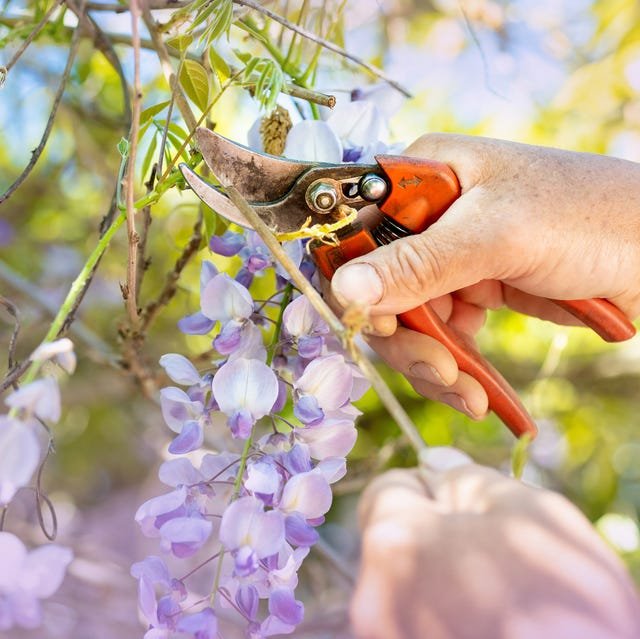
Are your perennials looking a bit unruly in your garden? Learning how to cut back perennials correctly can transform your garden from wild chaos to a serene oasis.
Whether you’re a seasoned gardener or just starting out, knowing the right techniques can make all the difference in your garden’s health and beauty. Imagine the satisfaction of seeing your plants flourish with vibrant blooms and lush foliage just because you took a few simple steps.
By the end of this article, you’ll have the confidence and know-how to give your perennials the perfect trim, ensuring they return stronger and more beautiful each season. Curious to find out how? Let’s dive into the details that will make your garden thrive.
Choosing The Right Time
Cutting back perennials at the right time helps plants grow healthy and strong. It also keeps your garden looking neat and tidy.
Different perennials need cutting at different times. Knowing when to cut them back can save you effort and improve plant health.
Seasonal Cutting Windows
Most perennials have specific seasons when cutting back is best. This depends on their blooming cycle and growth habits.
- Early spring cutting helps new growth start strong
- Late fall cutting prepares plants for winter rest
- After blooming, cutting can encourage a second bloom
- Some perennials need cutting only every few years
Check each plant’s needs before cutting to avoid harming it. Timing matters for good results.
Signs Your Perennials Need Cutting
Look for these signs to know when your perennials need cutting back. This keeps plants healthy and vibrant.
- Dead or brown leaves on the plant
- Leggy or overgrown stems
- Faded flowers that no longer bloom
- Plants spreading too much or looking messy
Cutting back at the right signs helps perennials grow fresh leaves and flowers. Watch your plants closely for these clues.
Essential Tools For Cutting
Cutting back perennials helps keep plants healthy and encourages growth. Using the right tools makes this task easier and safer.
Choosing proper tools and keeping them in good shape is important for clean cuts. Clean cuts prevent damage and disease in plants.
Types Of Cutting Tools
Different tools work best for different types of perennials and cutting jobs. Some tools cut small stems, while others handle thick branches.
- Pruning shears: Ideal for small stems and delicate cuts.
- Loppers: Used for thicker branches up to 2 inches wide.
- Garden scissors: Good for trimming soft stems and flowers.
- Hedge trimmers: Best for shaping large clumps of perennials.
Maintaining Sharpness And Cleanliness
Sharp tools make clean cuts that heal quickly. Dull tools crush stems and can harm plants.
| Maintenance Task | Purpose | Frequency |
|---|---|---|
| Sharpen blades | Keep cuts clean and precise | After every few uses |
| Clean blades | Remove sap and dirt to prevent disease | After each use |
| Oil moving parts | Prevent rust and keep tools working smoothly | Monthly or after wet use |
| Disinfect tools | Stop spread of plant diseases | Before cutting different plants |
Cutting Techniques
Cutting back perennials helps plants stay healthy and bloom well. Using the right cutting techniques encourages new growth and keeps your garden neat.
Knowing how to cut perennials correctly saves your plants from damage. It also helps them recover faster after pruning.
Proper Cutting Height
Cutting perennials at the correct height is key. Cutting too low can harm the plant, while cutting too high may leave dead material.
- Cut about 2 to 6 inches above the ground, depending on the plant.
- Leave some green stems for plants that bloom late in the season.
- Remove any dead or damaged stems completely at ground level.
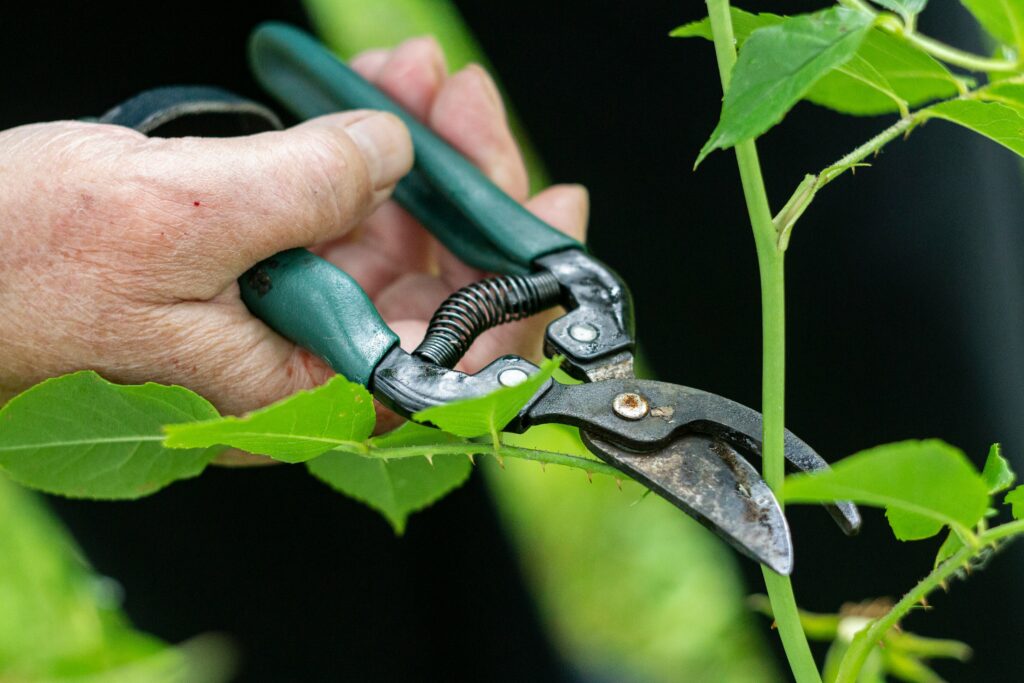
- Use clean, sharp tools to make smooth cuts.
How To Avoid Plant Damage
To protect your perennials, avoid cutting when plants are wet. Wet cuts can cause disease or rot.
| Common Mistake | How to Avoid |
|---|---|
| Cutting too early in spring | Wait until new growth appears |
| Using dull or dirty tools | Sharpen and clean tools before cutting |
| Removing all old stems at once | Leave some stems to protect roots during cold |
| Cutting during wet weather | Choose dry days to cut back |
Credit: shegrowsveg.com
Specific Tips For Popular Perennials
Cutting back perennials helps plants stay healthy and bloom well next season. Different perennials need different care methods for cutting back.
Use the right timing and technique to keep your garden looking its best all year long.
Cutting Back Daylilies And Hostas
Daylilies and hostas do best when cut back after their leaves start to yellow. Remove dead foliage to prevent disease and pests.
- Wait until leaves turn yellow or brown in late fall.
- Cut stems close to the ground using clean shears.
- Clear away all debris to keep the area tidy.
- Mulch around plants to protect roots during winter.
Managing Lavender And Salvia
Lavender and salvia need light pruning to keep their shape and encourage new growth. Avoid cutting into old wood.
| Plant | Best Time to Cut Back | How to Cut |
|---|---|---|
| Lavender | Early spring | Trim soft green growth; avoid old woody stems |
| Salvia | Late winter or early spring | Cut back faded flowers; shape plant lightly |
Care For Coneflowers And Black-eyed Susans
Cut back coneflowers and black-eyed Susans after frost. Leaving some seed heads can feed birds during winter.
- Cut stems down to about 4-6 inches tall after first frost.
- Leave some seed heads for wildlife if desired.
- Remove dead leaves and stems to prevent mold.
- Use sharp pruners to avoid damaging plants.
Aftercare For Cut Perennials
Cutting back perennials helps keep plants healthy and tidy. Aftercare is key for strong regrowth. Proper care gives perennials the best chance to bloom again.
Focus on watering, feeding, and mulching after you cut back your plants. These steps support root growth and protect the soil.
Watering And Feeding
After cutting back perennials, keep the soil moist but not soggy. Water deeply to reach the roots. Feeding helps replace nutrients lost during pruning.
- Water the plants early in the morning or late in the evening.
- Use a balanced fertilizer to support new growth.
- Avoid overfeeding, which can harm roots.
- Check soil moisture regularly and adjust watering as needed.
- Apply fertilizer according to package instructions for best results.
Mulching Benefits
Mulching helps keep soil moist and reduces weeds. It also protects roots from temperature changes. Use organic mulch like bark or compost for best results.
| Mulch Type | Benefit |
| Bark | Keeps soil cool and moist |
| Compost | Adds nutrients to soil |
| Straw | Prevents weed growth |
| Leaves | Improves soil structure |

Credit: savvygardening.com
Common Mistakes To Avoid
Cutting back perennials helps plants stay healthy and bloom well. Doing it wrong can hurt your plants or slow growth.
Learn the common mistakes gardeners make when trimming perennials. Avoid these to keep your garden strong and beautiful.
Cutting Too Early Or Late
Cutting perennials too early can stop them from storing energy for winter. Cutting too late may reduce new growth in spring.
Watch the plant’s natural cycle. Most perennials should be cut after the first frost or when they are fully dormant.
Using Dull Tools
Dull tools crush stems instead of cutting cleanly. This can cause plant damage and invite diseases.
- Sharpen pruning shears before use
- Clean tools to remove dirt and sap
- Use the right tool size for the plant
- Replace old or broken blades promptly
Overcutting And Under-cutting
| Mistake | Effect on Plant | How to Fix |
|---|---|---|
| Overcutting | Removes too much growth, weakens plant | Leave some stems and leaves for energy |
| Under-cutting | Leaves dead parts, can cause disease | Cut back fully to healthy growth points |
Encouraging Growth And Bloom
Cutting back perennials helps plants stay healthy. It encourages new growth and more flowers.
Knowing the right way to cut perennials is key. It supports strong stems and vibrant blooms.
Fertilizing After Cutting
Fertilizing gives plants the nutrients they need. It helps them grow quickly after cutting back.
Choose a balanced fertilizer with equal parts nitrogen, phosphorus, and potassium. Apply it soon after pruning.
- Use slow-release fertilizer for steady feeding
- Water the plants well after applying fertilizer
- Avoid over-fertilizing to prevent weak growth
- Fertilize again during the growing season if needed
Pruning To Stimulate Flowering
Pruning helps plants focus energy on new flowers. Cut dead or weak stems first to improve air flow.
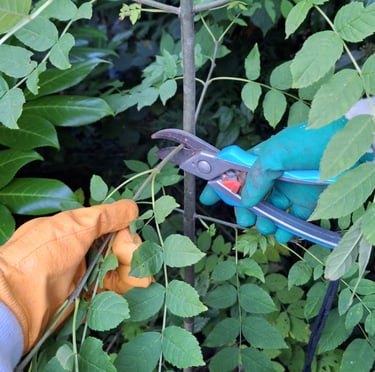
Trim just above a leaf node or bud to encourage new shoots. Regular pruning can lead to longer blooming seasons.
- Remove old flowers to promote fresh blooms
- Cut back tall stems to keep plants sturdy
- Prune at the right time for each plant type
- Use clean, sharp tools to avoid damage
Credit: natureandsustainability.com
Frequently Asked Questions
When Is The Best Time To Cut Back Perennials?
The best time to cut back perennials is in late fall or early spring. This timing removes dead growth and encourages healthy new shoots, improving plant health and appearance.
How Much Should I Cut Back Perennials?
Cut back perennials by about one-third to two-thirds of their height. Removing old stems helps rejuvenate plants and promotes vigorous growth during the growing season.
Can Cutting Back Perennials Too Early Harm Plants?
Yes, cutting back perennials too early can expose them to frost damage. Wait until after the last frost or when plants are fully dormant for safe trimming.
Should I Cut Back Flowering Perennials After Blooming?
Yes, deadheading spent flowers encourages more blooms and prevents seed formation. However, a major cut back is best done during dormancy for overall plant health.
Conclusion
Cutting back perennials helps plants stay healthy and grow strong. Trim old stems carefully to encourage new growth. Doing this at the right time improves flowering next season. Use clean tools to avoid plant damage. Keep watching your garden, and adjust your care as needed.
Simple steps lead to a beautiful, thriving garden. Try these tips and enjoy your colorful perennials year after year.