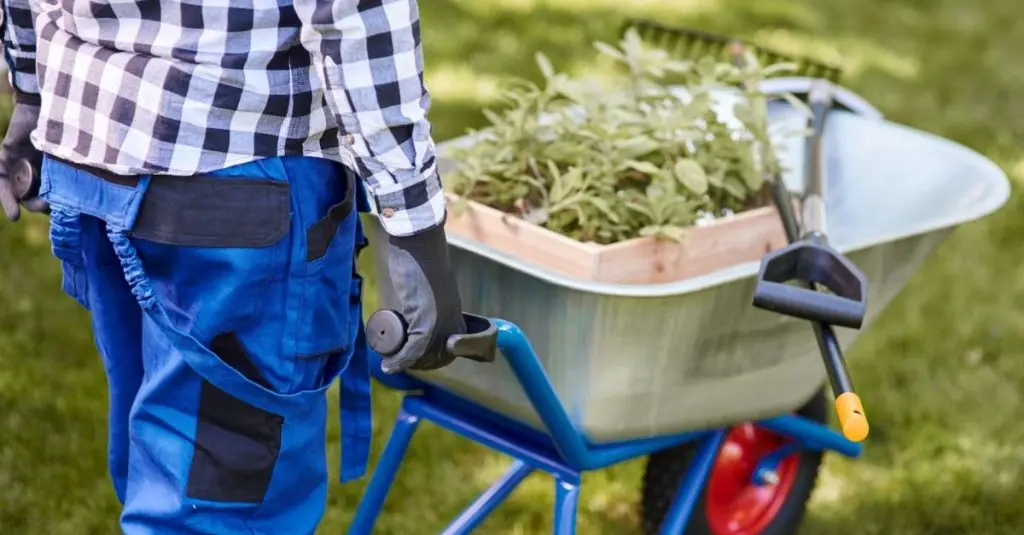
You rely on your wheelbarrow for countless tasks, from gardening to construction projects. But have you ever thought about how crucial it is to keep it in top shape?
A well-maintained wheelbarrow not only makes your work easier but also saves you time and money in the long run. Imagine effortlessly maneuvering a load of soil or building materials without the frustration of squeaky wheels or a rusty frame.
By following a few simple maintenance steps, you can ensure your wheelbarrow remains a reliable tool for years to come. Curious about how to achieve this? Let’s dive into the essential tips that will make your wheelbarrow last longer and work more efficiently for you.
Choosing The Right Wheelbarrow
Picking the right wheelbarrow makes your work easier. It helps you carry loads with less effort.
There are many types to choose from. Focus on materials, wheels, and handles to find the best one.
Materials And Build Quality
Wheelbarrows come in different materials like steel, plastic, and wood. Steel is strong but heavy.
Plastic is light and rust-resistant but may crack with heavy use. Wood offers a classic look but needs care.
- Steel: durable, good for heavy loads
- Plastic: lightweight, resists rust
- Wood: traditional, needs maintenance
Wheel Types And Sizes
Wheel size affects how easy it is to push the wheelbarrow. Larger wheels roll over bumps better.
There are pneumatic and solid wheels. Pneumatic wheels have air and absorb shocks. Solid wheels never go flat.
- Pneumatic wheels: smooth ride, need air checks
- Solid wheels: no flats, rougher ride
- Large wheels: easier over rough ground
- Small wheels: good for smooth surfaces
Handle Designs
Handle style changes how you lift and move the wheelbarrow. There are single and double handles.
Double handles give more control and balance. Single handles are lighter and easier to store.
- Double handles: better control, good for heavy loads
- Single handles: lighter, saves space
- Look for comfortable grips to reduce hand strain
Regular Cleaning Practices
Keeping your wheelbarrow clean helps it last longer. Dirt and grime can cause damage if left for too long.
Regular cleaning removes buildup and protects the wheelbarrow from wear. It also makes it safer to use.
Removing Dirt And Debris
Start by removing loose dirt and debris with a brush or broom. This prevents scratching the surface later.
Use water and mild soap to wash away stuck-on mud and grime. Avoid harsh chemicals that can damage the paint.
- Brush off loose dirt
- Rinse with water
- Use mild soap and a sponge
- Rinse soap off completely
- Dry with a clean cloth
Preventing Rust And Corrosion
Rust weakens the metal and reduces your wheelbarrow’s life. Dry your wheelbarrow after cleaning to stop rust.
Apply a light coat of oil or rust protectant on metal parts. This keeps moisture away and slows corrosion.
- Dry all metal parts thoroughly
- Apply oil or rust protectant
- Store wheelbarrow in a dry place
- Check regularly for rust spots
- Sand and repaint rusty areas if needed
Lubricating Moving Parts
Lubrication helps your wheelbarrow parts move smoothly. It stops rust and wear on metal parts.
Use the right oil or grease to keep your wheelbarrow working well. Check moving parts often.
Wheel Bearings And Axles
Wheel bearings and axles need regular lubrication. This keeps the wheel turning freely and stops squeaks.
Clean dirt from the bearings before adding grease. Use a grease gun or apply oil directly if needed.
- Remove the wheel to access the axle
- Wipe off old grease and dirt
- Apply fresh grease to bearings and axle
- Reattach the wheel securely
Hinges And Joints
Hinges and joints also need oil to avoid rust and stiffness. This helps the wheelbarrow parts move easily.
Use light machine oil or spray lubricant. Apply it to all moving joints and hinges for smooth action.
- Find all hinges and joints on the wheelbarrow
- Clean off dirt and old oil
- Apply a few drops of oil to each part
- Move the parts to spread the lubricant
Tire Care And Maintenance
Maintaining your wheelbarrow’s tires helps it work better and last longer. Good tires make pushing easier and safer.
This guide covers checking tire pressure and fixing or replacing tires. Follow these tips to keep your wheelbarrow ready.
Checking Tire Pressure
Check the tire pressure before each use. Proper pressure prevents flats and makes pushing easier.
- Use a tire pressure gauge for an accurate reading.
- Compare the reading to the recommended pressure found on the tire sidewall.
- Add air if the pressure is too low.
- Release air if the tire is overinflated.
- Inspect the tire for cracks or wear while checking pressure.
Repairing Or Replacing Tires
Fix small punctures quickly to avoid bigger problems. Replace tires if damage is severe or worn out.
| Damage Type | Action |
| Small puncture | Patch with tire repair kit |
| Large hole or tear | Replace the tire |
| Worn tread | Replace the tire |
| Cracks on sidewall | Replace the tire |
Storage Tips For Longevity
Keeping your wheelbarrow in good shape helps it last longer. Proper storage stops rust and damage.
Simple care steps protect your wheelbarrow from wear. Store it right to save time and money.
Protecting From Weather Elements
Rain, sun, and snow can harm your wheelbarrow. Water causes rust, and sun fades paint.
Cover your wheelbarrow with a tarp or store it inside. This keeps it dry and cool.
- Use waterproof covers to block rain
- Keep away from direct sunlight to avoid fading
- Store in a shed or garage if possible
- Check covers often for holes or tears
Proper Positioning And Support
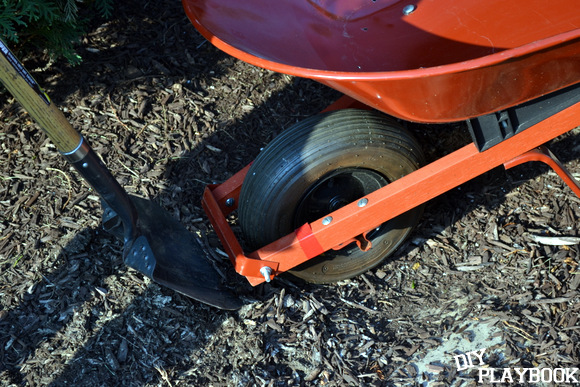
Place your wheelbarrow on a flat surface to stop it from tipping. Support the wheelbarrow frame.
Keep the wheel off the ground to avoid flat spots and rust on the tire.
- Store upside down to stop water from collecting
- Use blocks or stands to lift the wheelbarrow
- Keep away from heavy objects that can damage it
- Clean and dry before storing to prevent rust
Credit: thediyplaybook.com
Inspecting For Damage
Regularly checking your wheelbarrow helps it last longer. Look carefully for any damage before use.
Spotting problems early keeps your wheelbarrow safe and working well.
Identifying Cracks And Wear
Check the wheelbarrow tray and frame for cracks. Small cracks can grow and cause bigger problems.
Look for rust or worn spots, especially on metal parts. These signs mean the wheelbarrow needs care.
- Look under the tray and along the frame edges
- Inspect the handles for splits or splinters
- Check the wheel for worn or damaged rubber
- Feel for rough or weak spots on metal parts
Fixing Loose Or Broken Parts
Tighten all bolts and screws on the wheelbarrow. Loose parts can cause accidents or damage.
Replace broken handles or wheels quickly. Use tools like wrenches or screwdrivers to fix parts.
- Use a wrench to tighten nuts and bolts
- Replace missing screws with new ones
- Swap out cracked handles for new wood or metal ones
- Fix or replace flat or damaged wheels
Seasonal Maintenance Checklist
Keeping a wheelbarrow in good shape helps it last longer and work better. Seasonal maintenance is key to avoid damage and rust.
This checklist covers what to do before winter and after the busy season ends. Follow these steps to care for your wheelbarrow.
Preparing For Winter Storage
Clean your wheelbarrow well before storing it for winter. Remove dirt, mud, and plant material to stop rust.
Check the tire for air. If it uses a pneumatic tire, inflate it to the correct pressure. For solid tires, inspect for cracks.
- Wash the wheelbarrow with water and mild soap
- Dry it completely to prevent rust
- Apply a light coat of oil on metal parts
- Store in a dry, covered place off the ground
- Keep tires inflated or check for damage
Post-season Tune-up
After the busy season, inspect your wheelbarrow for wear and damage. Fix small problems before they get worse.
Lubricate moving parts like the wheel axle. Tighten loose bolts and replace worn parts to keep it working smoothly.
- Check wheel alignment and spin
- Grease the axle and handles if needed
- Tighten all nuts and bolts
- Replace any cracked or broken parts
- Store in a dry place until next use

Credit: www.wrshlaw.com
Credit: mynewhorse.equusmagazine.com
Frequently Asked Questions
How Often Should I Clean My Wheelbarrow?
Clean your wheelbarrow after each use to prevent rust and dirt buildup. Use water and a brush for best results. Dry it thoroughly to avoid moisture damage and ensure longer lifespan.
What Type Of Lubricant Is Best For Wheelbarrow Wheels?
Use a silicone-based or lithium grease lubricant for wheelbarrow wheels. These lubricants reduce friction, prevent rust, and ensure smooth wheel rotation. Apply regularly for optimal performance.
How Do I Check For Wheelbarrow Tire Pressure?
Check tire pressure using a tire gauge before each use. Inflate tires to the recommended PSI, usually printed on the tire sidewall. Proper pressure prevents damage and improves maneuverability.
What Maintenance Prevents Rust On A Wheelbarrow?
Apply a rust-resistant paint or spray after cleaning your wheelbarrow. Keep it stored in a dry, covered area to avoid moisture exposure. Regular inspections help catch early rust spots for prompt treatment.
Conclusion
Regular care keeps your wheelbarrow working well longer. Check the tire pressure and tighten loose bolts often. Clean off dirt and rust to avoid damage. Store it in a dry place to stop wear. Small fixes now save bigger problems later.
Simple steps make your work easier every day. Keep your wheelbarrow ready, and it will serve you well.