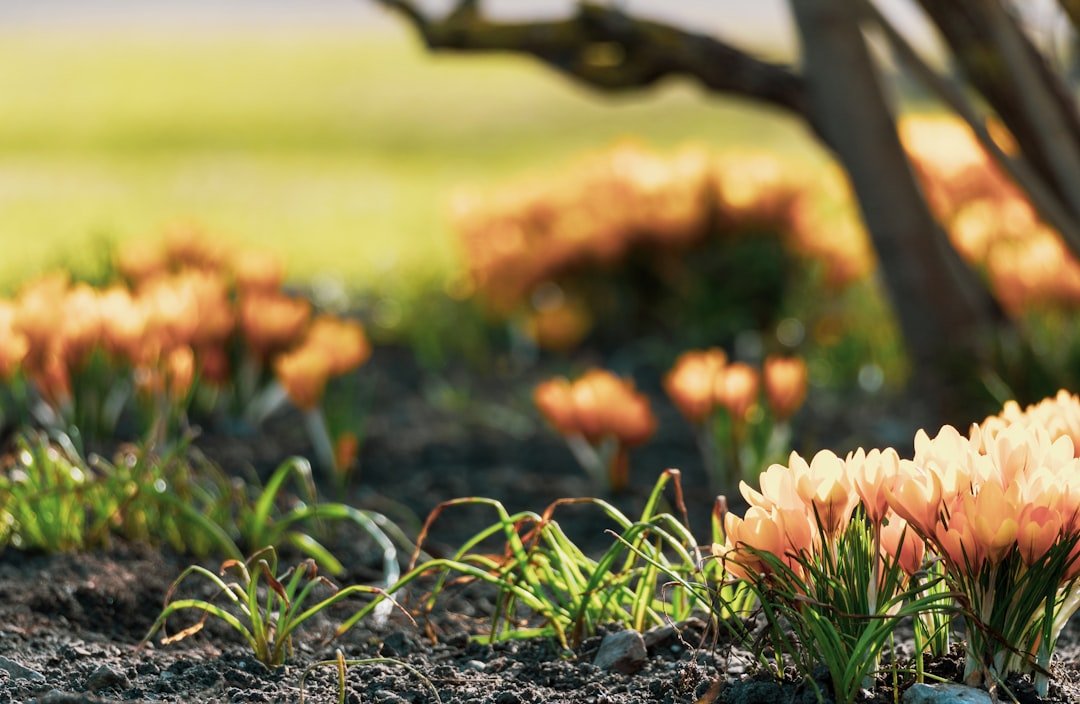
Are you ready to transform your garden into a vibrant oasis of colors and fragrances? Planting bulbs and tubers might just be your secret weapon.
Imagine stepping outside and being greeted by a burst of blooms, each one more stunning than the last. Whether you’re a seasoned gardener or just starting out, understanding how to effectively plant bulbs and tubers can make all the difference.
This guide is your ticket to mastering the art of bulb and tuber planting. You’ll discover simple techniques that guarantee success, and learn how to avoid common pitfalls. Why wait another season to achieve the garden of your dreams? Dive in and uncover how you can create a spectacular garden that will be the envy of your neighborhood. Your perfect garden is just a few bulbs away!

Credit: www.amazon.com
Choosing Bulbs And Tubers
Planting bulbs and tubers is a great way to add color to your garden. Choosing the right ones helps ensure healthy growth and beautiful flowers.
You should think about the type, season, and ease of care before buying bulbs or tubers. This guide will help you pick the best options for your garden.
Best Varieties For Beginners
Some bulbs and tubers are easier to grow than others. These plants need less care and are more forgiving for new gardeners.
Choosing easy varieties helps you learn gardening skills and enjoy quick results.
- Tulips – bright flowers and simple to plant
- Daffodils – hardy and bloom early in spring
- Crocus – small, colorful, and fast-growing
- Gladiolus – tall flowers that bloom in summer
- Begonias (tubers) – good for shady spots and easy to grow
Seasonal Selection Tips
Bulbs and tubers bloom at different times of the year. Choose plants that fit your climate and garden schedule.
Plant spring-blooming bulbs in fall. Summer bloomers go in the ground after the last frost. Fall bloomers need late summer planting.
- Spring bulbs: tulips, daffodils, crocus
- Summer bulbs: gladiolus, lilies, dahlias (tubers)
- Fall bulbs: colchicum, autumn crocus
- Check local frost dates before planting
Bulbs Vs Tubers
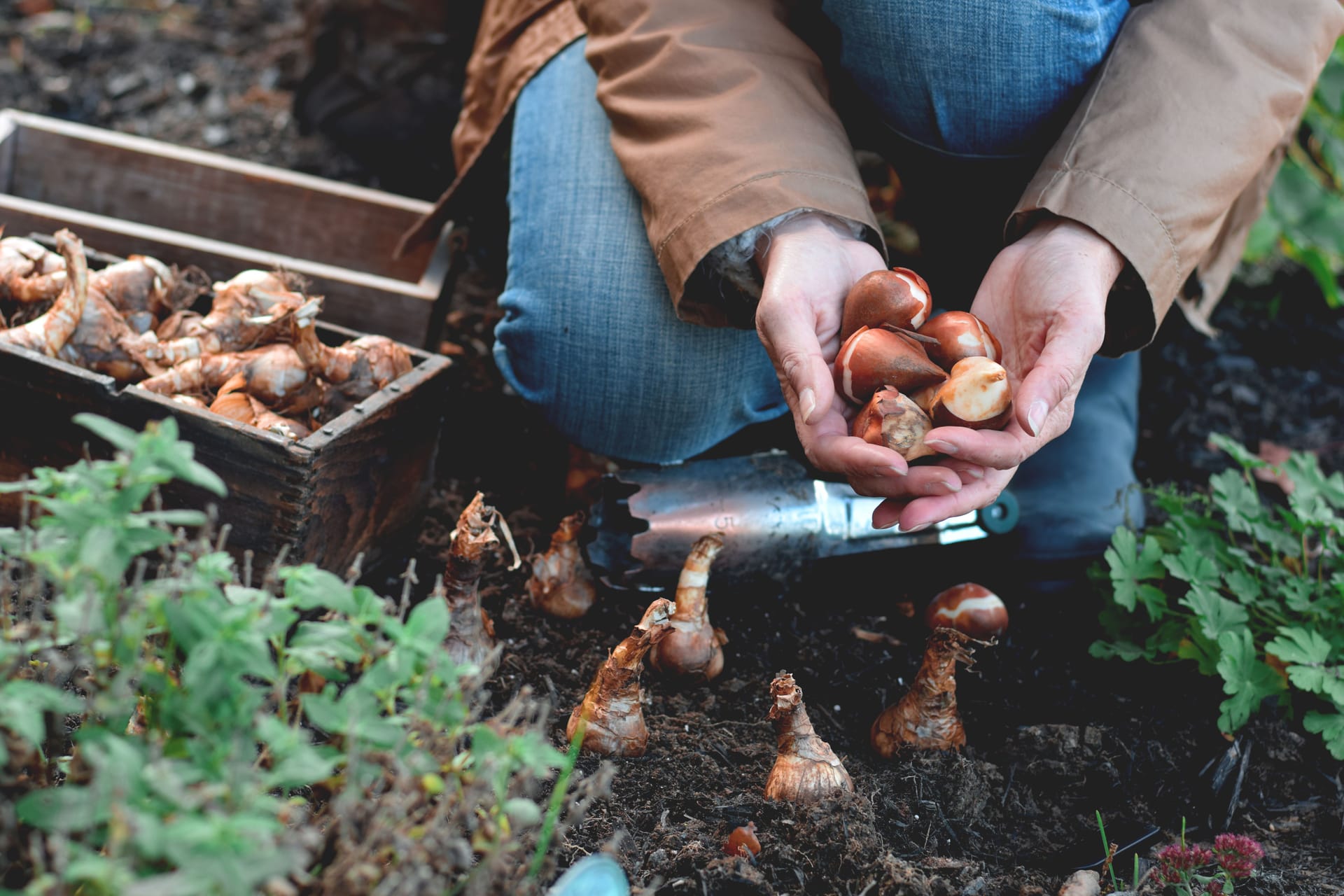
Bulbs and tubers store food underground but have different shapes and growth habits. Knowing the difference helps with planting and care.
Bulbs are round with layers, like an onion. Tubers are thick, irregular, and have buds called eyes.
| Feature | Bulbs | Tubers |
|---|---|---|
| Shape | Round with layers | Irregular, thick |
| Examples | Tulips, daffodils | Potatoes, dahlias |
| Planting Depth | Usually deeper | Varies, often shallower |
| Storage | Keep dry in cool place | Keep cool and moist |
| Growth | Has a basal plate for roots | Has eyes or buds for shoots |
Credit: plnts.com
Preparing The Soil
Good soil is the key to healthy bulbs and tubers. Preparing soil properly helps plants grow strong roots. It also improves water and air flow.
Before planting, take time to get the soil ready. This will give your bulbs and tubers the best start.
Soil Types And Drainage
Different soils hold water and air in different ways. Well-draining soil stops bulbs from rotting. Clay soil holds too much water and drains slowly. Sandy soil drains fast but dries out quickly. Loamy soil is best for most bulbs and tubers.
- Clay soil: heavy, holds water, drains poorly
- Sandy soil: light, drains quickly, dries fast
- Loamy soil: balanced, drains well, holds moisture
- Good drainage prevents root rot and disease
Amending Soil For Better Growth
Adding organic matter improves soil texture and nutrients. Compost, peat moss, or well-rotted manure help heavy or sandy soils. Mix amendments well into the top 6 to 8 inches of soil. This helps roots spread and absorb water.
- Use compost to add nutrients and improve soil
- Add peat moss to lighten heavy clay soil
- Mix manure for extra nutrients and moisture retention
- Turn soil with a garden fork or tiller
Testing Soil Ph
Soil pH affects how well plants take up nutrients. Most bulbs and tubers prefer slightly acidic to neutral soil. A pH between 6.0 and 7.0 works best. Use a soil test kit to check the pH level before planting.
If soil is too acidic, add lime to raise pH. To lower pH, add sulfur or peat moss. Adjust pH slowly and retest after a few weeks.
Planting Techniques
Planting bulbs and tubers is a simple task that brings beautiful flowers and plants. Using the right techniques helps your garden grow strong and healthy.
This guide explains the best ways to plant bulbs and tubers for good results.
Correct Depth And Spacing
Plant bulbs and tubers at the right depth to protect them from cold and pests. Planting too shallow or too deep can harm growth.
Space bulbs and tubers so they have room to grow. Crowding can stop roots from developing well.
- Plant bulbs about two to three times as deep as their height.
- Place tubers just below the soil surface, depending on type.
- Leave 3 to 6 inches between small bulbs.
- Give larger bulbs and tubers 6 to 12 inches of space.
Timing For Different Climates
Planting time changes based on climate. Plant bulbs and tubers when soil is cool but not frozen.
In cold areas, plant bulbs in fall before frost. In warm places, plant in late winter or early spring.
- Cold climates: Plant bulbs 2-4 weeks before the first hard frost.
- Mild climates: Plant bulbs in late fall or early winter.
- Warm climates: Plant tubers in late winter or early spring.
Handling Bulbs And Tubers Safely
Handle bulbs and tubers gently to avoid damage. Broken or bruised bulbs may not grow well.
Wear gloves if you are sensitive or working with bulbs that cause skin irritation. Keep bulbs dry before planting.
- Inspect bulbs and tubers for mold or damage before planting.
- Use clean tools to dig holes and avoid spreading diseases.
- Store bulbs in a cool, dry place until planting.
- Wash hands after handling bulbs that may irritate skin.
Watering And Fertilizing
Planting bulbs and tubers needs care with water and nutrients. Water and fertilizer help them grow strong roots and healthy shoots.
Good watering and fertilizing keep your plants healthy. You must know when and how much to give.
Watering Schedules
Water bulbs and tubers soon after planting. This helps the soil settle and starts root growth. Keep soil moist but not wet.
During growth, water deeply once or twice a week. Adjust watering if rain falls or soil feels dry.
- Water immediately after planting
- Water deeply weekly during growth
- Check soil moisture before watering
Choosing The Right Fertilizer
Bulbs and tubers need balanced fertilizer for good growth. Choose one with equal parts nitrogen, phosphorus, and potassium.
Apply fertilizer at planting and again when shoots appear. Follow the package instructions for amounts.
- Use balanced N-P-K fertilizer (e.g., 10-10-10)
- Fertilize at planting time
- Fertilize again when shoots grow
Avoiding Overwatering
Too much water can cause bulbs and tubers to rot. Water only when soil is dry a few inches down.
Good drainage helps prevent water buildup. Avoid watering if soil stays wet after rain.
- Check soil moisture before watering
- Ensure soil drains well
- Do not water if soil is still wet
Pest And Disease Control
Planting bulbs and tubers can bring beautiful flowers and tasty vegetables. Protecting them from pests and diseases is important. Healthy plants grow better and last longer.
Knowing common pests and how to stop diseases helps your garden thrive. Use safe and natural ways to care for your plants.
Common Pests To Watch
Some insects and animals like to eat bulbs and tubers. Watch for these pests early to stop damage.
- Aphids: small bugs that suck plant juices
- Slugs and snails: chew leaves and stems
- Wireworms: eat inside tubers and bulbs
- Bulb mites: tiny pests that cause rot
- Rodents: mice and voles dig and eat bulbs
Preventing Diseases
Diseases can stop bulbs and tubers from growing well. Keep soil clean and dry to prevent problems.
Plant bulbs in well-drained soil. Avoid overwatering to stop rotting. Remove dead leaves and old bulbs quickly.
- Use disease-free bulbs and tubers
- Plant in sunny spots with good airflow
- Rotate crops each year to reduce disease buildup
- Clean tools and gloves before use
- Remove infected plants right away
Natural Pest Control Methods
Use natural ways to keep pests away from bulbs and tubers. These methods protect plants without harming the environment.
- Handpick pests like slugs and beetles
- Encourage birds and ladybugs that eat harmful insects
- Use neem oil spray on affected plants
- Place barriers like copper tape to stop slugs
- Plant garlic or marigolds nearby to repel pests
Caring After Blooming
After your bulbs and tubers finish blooming, they still need care. Proper attention helps them grow healthy next year.
Take time to care for the plants and soil. This keeps your garden strong and colorful.
Deadheading And Pruning
Remove faded flowers by pinching or cutting them off. This stops the plant from using energy to make seeds.
Leave the leaves after blooming. They feed the bulb or tuber by making food through photosynthesis.
- Cut dead flower heads carefully
- Do not remove green leaves too soon
- Trim only when leaves turn yellow and dry
Lifting And Storing Bulbs
Some bulbs need to be dug up after the leaves die. This protects them from cold or wet soil.
Clean bulbs gently and let them dry in a cool, dry place. Store them in paper bags or mesh containers.
- Lift bulbs when leaves are fully yellow
- Brush off soil but do not wash bulbs
- Keep bulbs in a dark, ventilated area
- Check bulbs regularly for softness or mold
Preparing For Next Season
Prepare soil by adding compost or fertilizer. This gives nutrients for next year’s growth.
Plan where to plant bulbs and tubers again. Rotate locations to avoid pests and disease.
- Clear dead leaves and debris from garden beds
- Mix organic matter into the soil
- Choose sunny or partly shaded spots
- Space bulbs properly for better growth
Creative Garden Designs
Planting bulbs and tubers can add beauty and interest to your garden. Using creative designs helps your garden stand out.
You can mix colors, layers, and containers to make your garden lively and full of life.
Combining Colors And Textures
Mix bright and soft colors for a balanced look. Pair smooth leaves with fuzzy or spiky ones.
Use bulbs with different flower shapes to create contrast. This adds depth and keeps the garden interesting.
- Plant tulips with daffodils for color contrast
- Mix glossy leaves with matte foliage
- Combine round flowers with star-shaped blooms
Layering For Continuous Bloom
Plant bulbs that bloom at different times. This keeps flowers coming all season.
Put early bloomers on top and late bloomers deeper in the soil. This way, each layer flowers in turn.
- Early bloomers: crocus, snowdrops
- Mid-season: tulips, daffodils
- Late bloomers: lilies, gladiolus
Using Bulbs In Containers
Bulbs grow well in pots and containers. This lets you move them to sunny spots easily.
Use different container sizes and shapes. Add soil layers with bulbs planted at different depths.
- Choose containers with good drainage
- Plant bulbs in groups for a fuller look
- Water containers regularly but avoid overwatering

Credit: www.amazon.com
Frequently Asked Questions
How Do I Prepare Soil For Planting Bulbs And Tubers?
Prepare soil by loosening it to a depth of 8-12 inches. Add organic compost for nutrients and ensure good drainage to prevent rot. Avoid compacted or waterlogged soil to promote healthy bulb and tuber growth.
When Is The Best Time To Plant Bulbs And Tubers?
Plant bulbs in fall for spring blooms. Tubers can be planted in spring after frost. Timing varies by species, so check specific planting guides for optimal growth and flowering.
How Deep Should Bulbs And Tubers Be Planted?
Plant bulbs at a depth two to three times their height. Tubers should be covered with 2-3 inches of soil. Proper depth protects them from temperature changes and promotes strong root development.
How Often Should I Water Bulbs And Tubers?
Water bulbs and tubers immediately after planting. Keep soil moist but not soggy during growth. Reduce watering once foliage dies back to prevent rot and encourage dormancy.
Conclusion
Planting bulbs and tubers brings life to any garden space. Choose healthy bulbs and tubers for the best results. Plant them at the right depth and time. Water them well but avoid overwatering. Watch your garden grow with colorful flowers and lush plants.
Enjoy the simple joy of gardening every season. Start small, learn, and see your garden thrive. Happy planting!