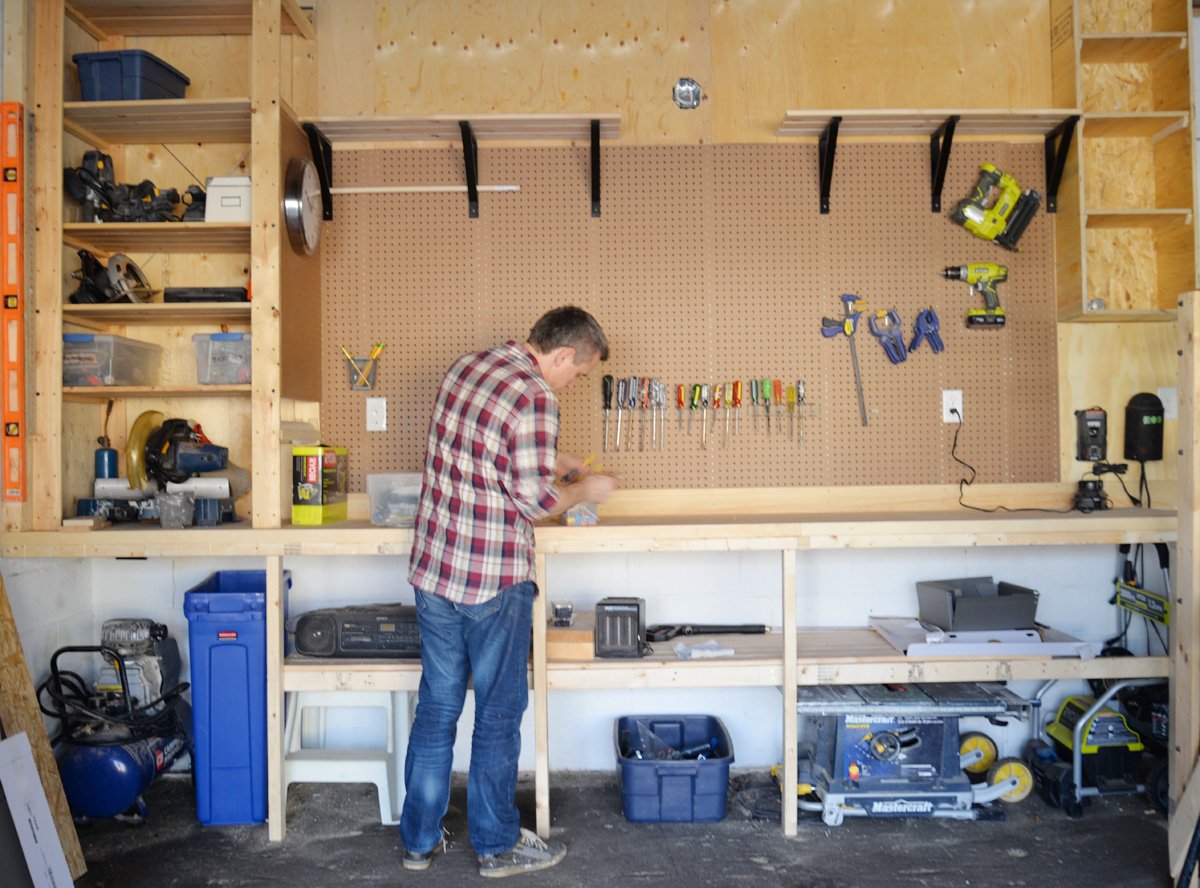
Are your hand saws cluttering your workspace, making it hard to find the right tool when you need it most? Imagine the satisfaction of reaching for your saw without rummaging through a pile of tools.
Storing your hand saws efficiently not only saves you time but also keeps them in top-notch condition, ready for your next project. You’ll discover simple yet effective tips to organize your saws, so they’re always within arm’s reach. Stay with us, and you’ll unlock the secrets to a more efficient, tidy, and productive workshop.

Credit: www.familyhandyman.com
Choosing The Right Storage Spot
Storing hand saws properly keeps them sharp and safe. Picking the right spot matters a lot for their care.
Good storage protects saws from damage and makes them easy to find. Think about space, access, and environment.
Assessing Available Space
Look around your workshop or garage to find space for saw storage. Use walls, shelves, or drawers.
Measure the area to see if it fits your saws. Consider how many saws you have and their sizes.
- Check wall space for hooks or racks
- Use vertical space to save floor room
- Clear clutter to create more storage
- Choose spots that keep saws organized
Considering Accessibility
Store saws where you can reach them easily. Avoid putting them in hard-to-get places.
Think about how often you use each saw. Keep the most used ones closer and at eye level.
- Place saws near your main workbench
- Use labeled holders for quick identification
- Keep heavy saws at waist height
- Avoid storing saws behind other tools
Protecting From Moisture And Dust
Moisture causes rust on saw blades. Dust can dull teeth and stick to handles.
Choose a dry, clean place for storage. Use covers or cases to shield saws from dust.
- Avoid damp basements or outdoors
- Use plastic sleeves or cloth covers
- Store saws in closed cabinets if possible
- Apply light oil to blades before storing
Diy Storage Solutions
Hand saws need proper storage to stay sharp and safe. Using simple DIY methods can save space and protect your tools.
Here are easy ideas to organize your hand saws at home without spending much money.
Using Wall-mounted Racks
Wall-mounted racks keep hand saws visible and off work surfaces. You can make one with wood and hooks or buy ready-made racks.
Place racks in your workshop or garage near your workbench for quick access.
Building Custom Holders
Custom holders fit your hand saws perfectly and keep them safe. Use scrap wood or plywood to build holders with slots or hooks.
- Measure your saws to size the slots correctly.
- Cut wood pieces to create a base and side supports.
- Attach hooks or nails for hanging smaller saws.
- Sand all edges to avoid splinters.
- Paint or finish the holder for durability.
Repurposing Household Items
Old items can be great saw storage solutions. Use what you already have to keep saws organized without extra cost.
| Item | How to Use |
|---|---|
| Wooden Pallets | Attach saws to slats or hang handles on nails |
| Plastic Baskets | Store saws vertically with handles up |
| Magazine Holders | Place saw blades inside to keep them separated |
| Metal Grids | Hang saws using S-hooks for easy access |
Organizing Multiple Saws
Keeping several hand saws neatly stored saves space. It also helps protect the blades from damage.
Good organization makes it easy to find the right saw quickly. This improves your work flow and keeps your tools safe.
Labeling For Easy Identification
Label each saw clearly to avoid confusion. Use tags or stickers on the handle or blade.
- Write the saw type on each label, such as “crosscut” or “rip saw”.
- Include the blade size for quick reference.
- Use waterproof markers or laminated labels to last longer.
Stacking Safely
Stack saws carefully to avoid blade damage and accidents. Keep blades separated with protective covers or cardboard.
| Stacking Tip | Reason |
|---|---|
| Place larger saws at the bottom | Prevents smaller saws from being crushed |
| Use blade guards or sheaths | Keeps blades sharp and safe to handle |
| Stack saws with handles facing opposite ways | Reduces handle damage and tangling |
Grouping By Size And Type
Organize saws by their size and cutting type. This helps you find the right tool faster.
- Small saws for fine detail work
- Medium saws for general tasks
- Large saws for heavy cutting
- Separate rip saws and crosscut saws

Credit: www.ramblingrenovators.ca
Maintaining Saw Condition
Proper storage keeps your hand saws in good shape. It helps avoid damage and rust. This extends the saw’s life and keeps it sharp.
Taking care of saws before storing them is important. Clean, protect, and check them regularly for best results.
Cleaning Before Storage
Remove dirt, sap, and sawdust from your saw after use. Use a brush or cloth to clean the blade and handle.
Cleaning stops buildup that can cause rust or dull the blade. Make sure the saw is dry before storing it.
Applying Rust Preventatives
Rust can ruin your saw blade. Apply a thin layer of oil or a rust inhibitor to protect the metal.
Use products made for tools, such as mineral oil or silicone spray. Cover the blade evenly for full protection.
- Wipe off old oil before applying new
- Use a clean cloth for application
- Store saws in a dry place to avoid moisture
Regular Inspection Tips
Check your saws often for damage or rust spots. Early detection helps fix problems quickly.
Look at the blade, teeth, and handle. Tighten loose parts and sharpen teeth if needed.
- Inspect blades for rust or dullness
- Check handle for cracks or looseness
- Sharpen teeth regularly for better cuts
Maximizing Small Workshop Spaces
Small workshops need smart ways to store tools. Hand saws take up space but are important. Good storage keeps saws safe and easy to find.
Using space well helps keep your workshop tidy. This guide shows simple tips to store hand saws efficiently.
Vertical Storage Techniques
Storing hand saws vertically saves bench and floor space. Hang saws on walls or boards to keep them visible. This stops damage and clutter.
Use hooks or pegboards to hold saws upright. Space saws evenly so handles and blades do not touch. This makes it easy to grab the right saw fast.
- Install sturdy hooks or nails on walls
- Place pegboards near your workbench
- Hang saws by their handles or holes
- Keep saws separated to avoid dulling blades
Using Magnetic Strips
Magnetic strips hold metal hand saws on walls. They save space and keep saws easy to reach. The strips must be strong and long enough for your saws.
Mount magnetic strips at a height that suits your work area. Clean saw blades before placing them on the magnets. This prevents rust and keeps blades sharp.
- Choose heavy-duty magnetic strips
- Fix strips to solid walls or wooden boards
- Arrange saws by size or type
- Remove saws gently to avoid damage
Incorporating Multi-tool Storage
Multi-tool storage holds saws with other tools in one place. It saves space and organizes your workshop well. Use cabinets or racks with slots for different tools.
Label each slot or section so you know where each saw belongs. This keeps tools tidy and quick to find during projects.
- Use wall-mounted racks with multiple slots
- Combine saw storage with screwdrivers and hammers
- Label slots for easy tool return
- Keep heavy tools on lower shelves for safety

Credit: www.anneofalltrades.com
Frequently Asked Questions
How Do I Prevent Rust On Stored Hand Saws?
Keep hand saws dry and clean before storage. Apply a light coat of oil to the blade to prevent rust. Store in a dry, well-ventilated place away from moisture and humidity.
What Is The Best Way To Organize Multiple Hand Saws?
Use a wall-mounted rack or pegboard with labeled slots for each saw. This keeps saws accessible, organized, and prevents blade damage from contact.
Can I Store Hand Saws In A Toolbox Safely?
Yes, but ensure each saw has a blade cover. Arrange saws to avoid blade contact and damage. Use foam inserts or dividers for extra protection.
How Often Should I Maintain Stored Hand Saws?
Inspect and clean stored saws every 3-6 months. Check for rust, dirt, and blade sharpness. Reapply oil as needed to maintain blade condition.
Conclusion
Storing hand saws properly keeps them sharp and ready to use. Clean each saw after use to stop rust and damage. Use wall hooks or racks to save space and avoid accidents. Keep saws in a dry place to protect the blades.
Organizing tools makes your workspace safer and more efficient. Small steps in storage can extend your saws’ life. Simple habits make a big difference over time. Keep your tools neat, and they will serve you well.