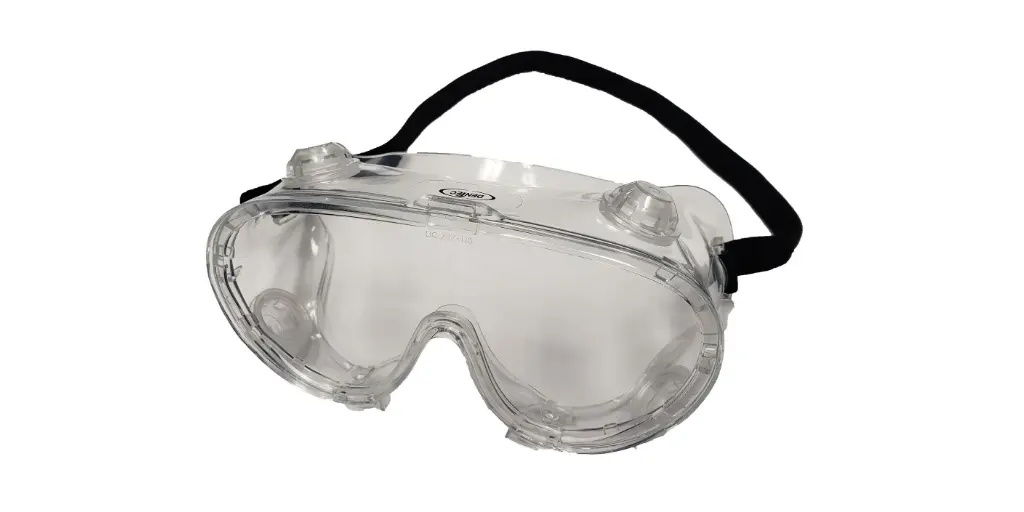
When you’re cutting metal, protecting your eyes is crucial. The sparks and debris can cause serious harm.
But with so many safety goggles available, how do you choose the right ones? Imagine knowing exactly what to look for, ensuring your eyes are shielded with the best protection. This isn’t just about safety; it’s about peace of mind.
You deserve to focus on your work, confident that your eyes are safe. In this guide, we’ll help you select the perfect safety goggles for metal cutting, so you can work worry-free. Let’s dive in and ensure you’re making the safest choice.
Types Of Safety Goggles
Safety goggles protect your eyes from sparks and debris during metal cutting. Choosing the right type keeps you safe and comfortable.
Different goggles offer various features. This guide explains key types and options to help you select the best pair.
Direct Vent Vs Indirect Vent
Direct vent goggles have holes that let air flow freely. They reduce fog but allow dust and liquids inside.
Indirect vent goggles have covered vents that block dust and liquid but let air move to reduce fogging.
| Feature | Direct Vent | Indirect Vent |
| Airflow | High | Moderate |
| Protection from Dust/Liquids | Low | High |
| Fog Resistance | Moderate | Good |
Anti-fog And Scratch-resistant Coatings
Anti-fog coatings stop lenses from fogging during work. They keep your vision clear and safe.
Scratch-resistant coatings protect goggles from damage. They help goggles last longer and stay clear.
- Anti-fog coating prevents lens clouding.
- Scratch-resistant coating keeps lenses clear.
- Coatings can be combined for better durability.
Prescription And Non-prescription Options
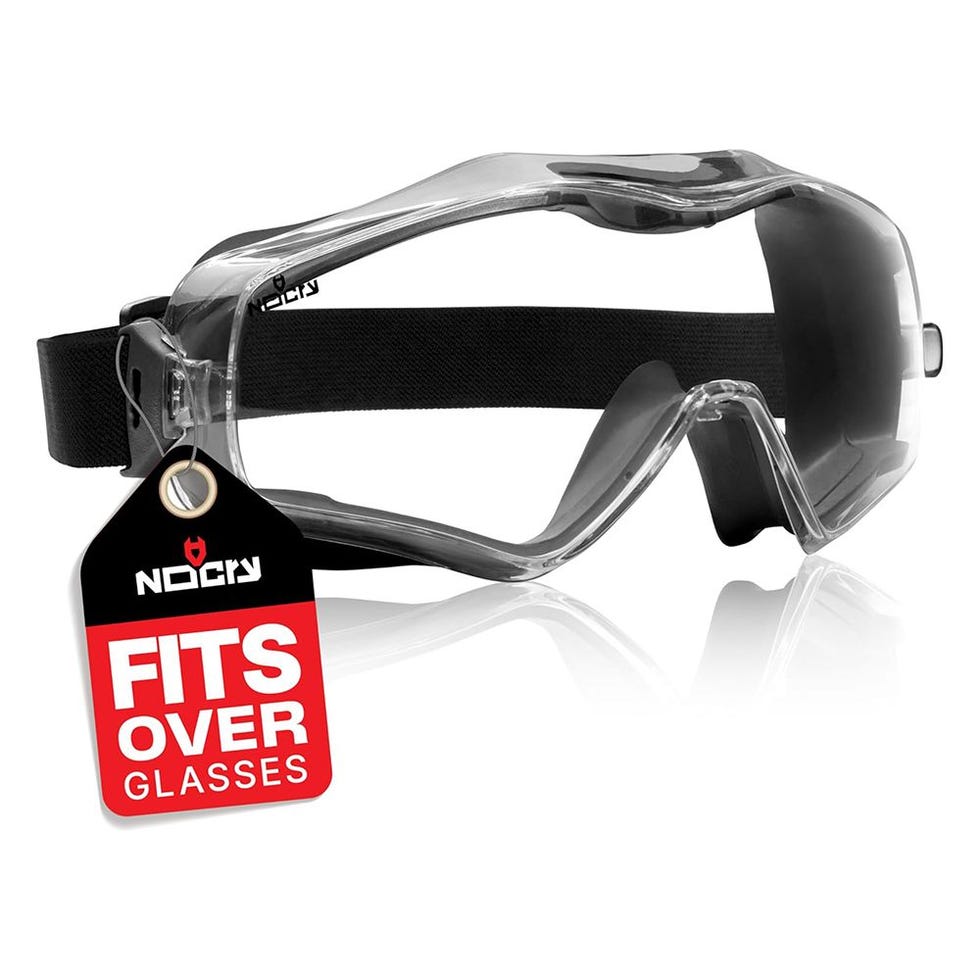
Prescription goggles help people who wear glasses. They can fit over or include your lenses.
Non-prescription goggles are for those without vision needs. They provide standard eye protection.
- Over-the-glasses goggles fit over regular glasses.
- Custom prescription goggles have built-in lenses.
- Non-prescription goggles are lightweight and simple.

Credit: www.amazon.com
Key Features For Metal Cutting
Choosing the right safety goggles is essential for metal cutting. The right goggles protect your eyes from flying debris and sparks. They also keep your vision clear and comfortable during work.
Focus on important features like impact resistance, UV protection, and comfort. These features help ensure safety and usability on the job.
Impact Resistance Standards
Safety goggles must meet specific impact resistance standards to protect your eyes. Look for goggles that comply with ANSI Z87.1 or EN166 standards. These ratings confirm the goggles can handle flying metal shards and sparks.
- ANSI Z87.1: High impact protection for industrial use
- EN166: European standard for personal eye protection
- Polycarbonate lenses: Strong and shatter-resistant
- Wrap-around design: Protects from side impacts
Uv Protection
Metal cutting produces bright sparks that can harm your eyes. UV protection in goggles blocks harmful ultraviolet light. This reduces eye strain and long-term damage.
| Type of Protection | Benefit |
| UV400 | Blocks 99% to 100% of UVA and UVB rays |
| Polarized lenses | Reduce glare from shiny metal surfaces |
| Tinted lenses | Improve contrast and reduce brightness |
Comfort And Fit
Comfort is key for long work hours. Poor fit causes slipping and distraction. Good goggles fit snugly without pressure points.
- Adjustable straps for a secure fit
- Soft foam padding around the frame
- Ventilation to reduce fogging
- Lightweight materials to lessen fatigue
Material Considerations
Choosing the right safety goggles for metal cutting depends on the materials used. Good materials protect your eyes from sparks, dust, and sharp metal fragments. Knowing the properties of lenses and frames helps you pick the best goggles.
This guide covers important material factors like lens materials, frame durability, and chemical resistance. Each factor affects comfort, safety, and how long the goggles last.
Lens Materials
Lens material is critical for impact resistance and clarity. Polycarbonate lenses are common because they are strong and lightweight. Glass lenses offer good scratch resistance but are heavier and can break more easily.
- Polycarbonate:High impact resistance, light, and good optical clarity.
- Glass:Scratch resistant but heavier and can shatter.
- Acetate:Resistant to chemicals but less impact resistant.
- Trivex:Combines lightweight and impact resistance with good clarity.
Frame Durability
Frames must withstand heat, impacts, and bending. Materials like nylon and rubber offer good flexibility and strength. Metal frames can be strong but may rust or get hot near sparks.
| Material | Durability | Heat Resistance | Flexibility |
| Nylon | High | Good | Flexible |
| Rubber | Medium | Fair | Very Flexible |
| Metal | High | Poor | Rigid |
| Plastic | Medium | Fair | Somewhat Flexible |
Chemical Resistance
Metal cutting exposes goggles to oils, coolants, and cleaning chemicals. Frames and lenses should resist damage from these substances. Some materials degrade or cloud with chemical exposure.
Key chemical resistance tips:
- Polycarbonate lenses resist many chemicals but can be damaged by strong solvents.
- Acetate lenses offer better chemical resistance but lower impact protection.
- Nylon frames resist oils and coolants better than rubber or metal.
- Always check manufacturer details for chemical compatibility.
Certifications And Compliance
Choosing safety goggles for metal cutting requires checking for certifications. These prove the goggles meet safety rules.
Certifications ensure protection from flying metal chips and sparks. They also confirm quality and durability.
Ansi And Osha Standards
The American National Standards Institute (ANSI) sets safety rules for eye protection. OSHA enforces workplace safety, including eye gear.
- ANSI Z87.1 standard requires goggles to resist impact and splashes.
- OSHA requires employers to provide ANSI-certified eye protection.
- Both standards cover lens strength, frame durability, and coverage.
- Look for “Z87” mark on the goggles to confirm compliance.
En And Ce Markings
In Europe, safety goggles must follow EN standards and carry CE markings. These prove conformity with EU laws.
| Marking | Meaning | Details |
| EN 166 | Basic eye protection | Tests impact, coverage, and optical clarity |
| EN 170 | UV protection | Filters harmful ultraviolet rays |
| CE Mark | European conformity | Shows product meets all EU safety requirements |
Choosing The Right Fit
Safety goggles protect your eyes during metal cutting. A proper fit keeps them comfortable and secure. This guide helps you pick goggles that fit well.
Two key factors affect fit: measuring your face size and the quality of straps and padding. Both ensure the goggles stay in place and protect effectively.
Measuring Face Size
Measure your face to find goggles that cover your eyes fully. Use a soft tape to get these three measurements:
- Width across your face, from temple to temple
- Distance from the bridge of your nose to your cheekbone
- Height from your eyebrows to the top of your cheek
| Measurement | How to Measure | Why It Matters |
| Face Width | Measure from one temple to the other | Ensures goggles cover your eyes horizontally |
| Nose to Cheekbone | Measure from nose bridge to cheekbone | Helps fit around the nose and cheeks |
| Eyebrow to Cheek | Measure vertical distance of the eye area | Ensures full vertical coverage |
Adjustable Straps And Padding
Look for goggles with adjustable straps. They help you tighten or loosen the fit. Padding adds comfort and stops the goggles from slipping.
- Straps should be easy to adjust with a firm hold
- Padding should cover areas that touch your skin
- Soft, breathable padding reduces sweat and irritation
- Check that straps do not pinch or press too hard
Maintenance And Care
Taking care of your safety goggles is very important. Proper maintenance keeps them clear and strong.
Good care helps your goggles last longer and protect your eyes well during metal cutting.
Cleaning Tips
Clean your safety goggles after each use to remove dust, dirt, and metal particles.
Use a soft cloth and mild soap with water to clean the lenses. Avoid harsh chemicals.
- Rinse goggles under lukewarm water to remove loose dirt
- Apply mild soap and gently wipe with a soft cloth
- Rinse again and dry with a clean, soft towel
- Do not use paper towels or abrasive materials to clean lenses
Storage Recommendations
Store goggles in a clean, dry place to prevent scratches and damage.
Keep them in a protective case or pouch when not in use. Avoid leaving them in direct sunlight.
- Use a hard or soft case designed for goggles
- Keep goggles away from sharp objects and chemicals
- Store at room temperature, away from heat sources
- Make sure goggles are dry before storing to prevent mold
When To Replace Goggles
Replace your safety goggles if the lenses are scratched or damaged.
Also replace them if the frame cracks or the straps lose their fit and cannot hold goggles securely.
- Scratched or cloudy lenses that block clear vision
- Cracked or broken frames that reduce protection
- Worn or loose straps that cause goggles to slip
- Any damage that affects the fit or safety of the goggles
Budget And Brand Selection
Choosing the right safety goggles for metal cutting depends on your budget and preferred brands. You want goggles that protect well without costing too much.
Knowing how to balance cost and quality helps you find durable goggles. Picking trusted brands gives confidence in safety and comfort.
Balancing Cost And Quality
Good safety goggles should last long and protect your eyes. Cheaper goggles may not offer full protection or break easily.
Look for goggles with strong lenses and sturdy frames. Spend enough to get features like anti-fog and impact resistance.
- Check if goggles meet safety standards like ANSI or EN
- Choose goggles with scratch-resistant coatings
- Consider comfort features such as adjustable straps and padding
- Set a budget but avoid very low-priced options
Top Brands For Metal Cutting Goggles
Trusted brands offer reliable safety goggles made for metal cutting. These brands often test their products to meet strict safety rules.
Picking well-known brands helps ensure quality and good customer support. They also provide replacement parts and warranties.
- 3M – Known for durable and comfortable safety goggles
- Uvex – Offers high-impact lenses and anti-fog features
- Jackson Safety – Specializes in eye protection for metal work
- Honeywell – Provides a range of safety goggles with strong protection
- DeWalt – Makes goggles designed for tough job sites
Credit: www.popularmechanics.com
Additional Protective Gear
Safety goggles protect your eyes from sparks and debris. You need more gear for full protection during metal cutting.
Additional gear helps protect your face, ears, and lungs from hazards in the work area.
Combining Goggles With Face Shields
Use safety goggles under a face shield for full face protection. Goggles stop small particles, while the shield blocks larger debris.
- Choose a face shield made of impact-resistant material
- Make sure the shield fits well and covers the entire face
- Wear goggles that fit snugly under the shield
- Check both for comfort and clear vision
Ear And Respiratory Protection
Metal cutting makes loud noise and dust. Protect your ears and lungs with the right gear.
| Protective Gear | Purpose | Key Features |
| Earplugs or Earmuffs | Block loud noise | Comfortable, high noise reduction rating |
| Respirator Masks | Filter dust and fumes | Replaceable filters, tight seal |
| Combination Masks | Protect ears and lungs | Integrated ear protection, filter system |

Credit: www.popularmechanics.com
Frequently Asked Questions
What Safety Features Should Goggles Have For Metal Cutting?
Safety goggles for metal cutting must have impact-resistant lenses, side shields, and a secure fit. They should protect against flying debris and sparks. Look for ANSI Z87. 1 certification to ensure compliance with safety standards. Comfort and anti-fog coatings also enhance usability during metal cutting tasks.
How To Choose The Right Lens Type For Metal Cutting?
Choose lenses that are impact-resistant and offer UV protection. Tinted lenses reduce glare from sparks, while clear lenses provide better visibility indoors. Polycarbonate lenses are ideal for durability. Ensure lenses meet industry standards for metal cutting safety to protect your eyes effectively.
Why Is Fit Important When Selecting Safety Goggles?
A proper fit ensures complete eye protection by preventing debris entry. Goggles should seal comfortably around the eyes without pressure points. Adjustable straps help maintain a secure fit during movement. Poorly fitting goggles can compromise safety and cause discomfort during metal cutting.
Can Safety Goggles Protect Against Welding Sparks Too?
Yes, safety goggles with appropriate lens shade and impact resistance protect against welding sparks. Use goggles rated for welding or combined metal cutting and welding tasks. Ensure the lens shade matches the welding process to prevent eye damage from intense light and sparks.
Conclusion
Choosing the right safety goggles protects your eyes during metal cutting. Focus on fit, lens type, and impact resistance. Clear vision and comfort help you work safely and well. Always pick goggles that meet safety standards. Your eyes deserve the best protection every time you cut metal.
Stay safe and keep your work injury-free. Safety goggles are a small step with big benefits. Don’t skip this important part of your gear.