Are you dreaming of fresh, home-grown vegetables but feel limited by space? Imagine stepping onto your balcony or patio and picking vibrant tomatoes or crisp lettuce right from your own garden.
You don’t need a sprawling backyard to enjoy the delight of growing your own produce. With the right approach, you can turn even the smallest space into a thriving vegetable haven by using containers. This guide will show you how to effortlessly transform ordinary pots and planters into a lush, productive garden.
Get ready to discover the secrets to successful container gardening that will not only enhance your meals but also bring a sense of accomplishment and joy to your daily life. Let’s get those hands dirty and start growing your fresh, delicious vegetables right at home!

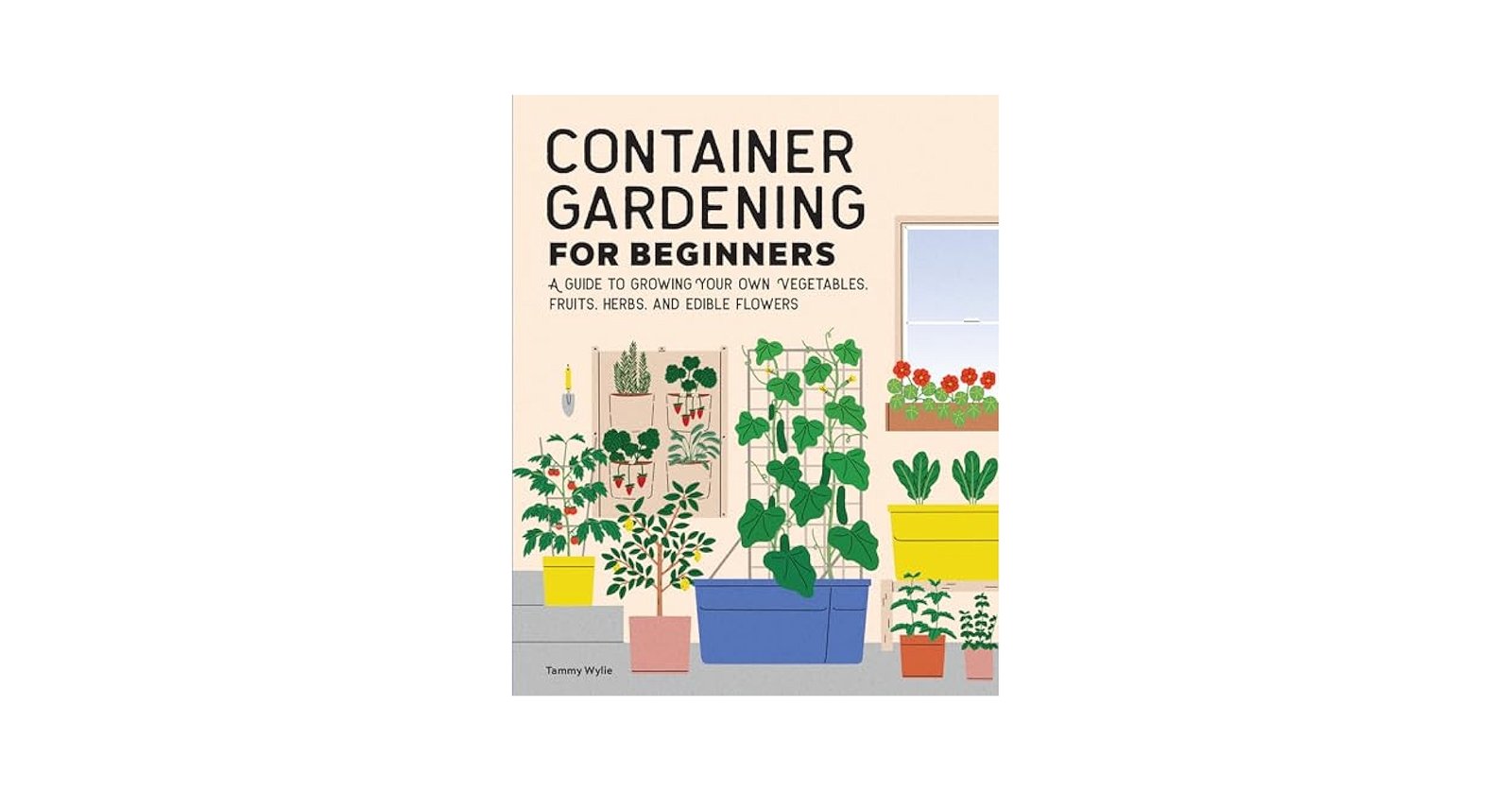
Credit: www.amazon.com
Choosing The Right Containers
Planting vegetables in containers lets you grow food in small spaces. Choosing the right container helps your plants grow well.
Containers come in many shapes and materials. This guide helps you pick the best one for your vegetables.
Material Options
Containers are made from different materials. Each type affects how soil stays wet and how warm it gets.
Common materials include plastic, clay, metal, and wood. Plastic is light and holds moisture well. Clay is heavy and breathes but dries fast.
- Plastic:Lightweight and holds water
- Clay (Terracotta):Porous and lets air in
- Metal:Durable but can get hot
- Wood:Natural look and good insulation
Size And Drainage
Choose containers large enough for vegetable roots. Small pots dry out fast and limit growth.
Drainage holes prevent water from pooling. Good drainage stops root rot and keeps plants healthy.
- Pick containers at least 12 inches deep for most vegetables
- Make sure there are holes at the bottom
- Use saucers to catch extra water
- Elevate containers for better drainage
Creative Container Ideas
Look beyond plain pots. Many items can become vegetable containers with some care.
Try using buckets, wooden crates, or old baskets. These add charm and save money.
- Use old buckets with drainage holes
- Line wooden crates with plastic for soil
- Turn baskets into hanging planters
- Recycle plastic bottles for small herbs
Credit: earthbox.com
Selecting Suitable Vegetables
Growing vegetables in containers is a great way to enjoy fresh produce. Choosing the right vegetables makes your garden successful.
Not all vegetables grow well in pots. Consider their size, root depth, and care needs before planting.
Best Vegetables For Containers
Pick vegetables that do well in small spaces. Leafy greens and herbs are usually good choices.
- Lettuce
- Spinach
- Radishes
- Cherry tomatoes
- Peppers
- Green onions
- Carrots (small varieties)
- Beans
These vegetables need less root space and grow fast. They also fit well in different container sizes.
Consider Climate And Season
Climate and season affect how your vegetables grow in containers. Choose plants that match your weather.
Cool-season veggies like lettuce grow well in spring and fall. Warm-season veggies like peppers prefer summer.
- Spring/Fall: Lettuce, spinach, radishes
- Summer: Tomatoes, peppers, beans
- Winter (mild climates): Kale, mustard greens
Companion Planting Tips
Companion planting helps vegetables grow better. Some plants protect others from pests and boost growth.
Pair vegetables that support each other in the same container or nearby pots.
- Tomatoes with basil or onions
- Carrots with onions or lettuce
- Beans with peppers or spinach
- Lettuce with radishes or carrots
Preparing The Soil Mix
Planting vegetables in containers needs good soil. The right soil mix helps plants grow strong.
Good soil holds water and air. It also gives plants the nutrients they need.
Essential Soil Components
Soil for containers has three main parts: mineral particles, organic matter, and air spaces.
Mineral particles include sand, silt, and clay. These give soil its texture.
- Sand helps soil drain well.
- Silt holds water and nutrients.
- Clay keeps soil sticky and rich.
Organic matter comes from plants and animals. It improves soil health and holds moisture.
Improving Drainage And Fertility
Good drainage stops water from building up. This keeps roots from rotting.
Add materials like perlite or sand to improve drainage. This helps air reach the roots.
- Perlite is a light, white rock that keeps soil loose.
- Sand adds space for water to flow.
- Mix these with soil to keep it airy.
Fertile soil gives plants nutrients to grow. Use balanced soil mix with compost or fertilizer.
Using Organic Amendments
Organic amendments add nutrients and improve soil texture. They come from natural sources.
Common amendments include compost, peat moss, and worm castings. They help soil hold water and nutrients.
- Compost adds nutrients and beneficial microbes.
- Peat moss keeps soil light and moist.
- Worm castings improve soil fertility and structure.
Planting Techniques
Growing vegetables in containers is a great way to enjoy fresh produce. Using the right planting techniques helps plants grow strong and healthy.
This guide covers key tips on planting seeds or seedlings, how deep to plant, and how much space each plant needs.
Seed Vs. Seedlings
Seeds are the starting point for many plants. They take longer to grow but cost less and offer more variety.
Seedlings are young plants that have already sprouted. They grow faster and give quicker results but cost more.
- Use seeds for plants like carrots, radishes, and beans.
- Choose seedlings for tomatoes, peppers, and eggplants.
- Seedlings reduce the risk of pests and harsh weather.
- Seeds need careful watering and warmth to sprout.
Proper Planting Depth
Planting depth affects how well seeds or seedlings grow. Plant too deep, and they may struggle to reach the surface.
Most seed packets or plant tags show the right depth. As a rule, plant seeds two to three times as deep as their size.
- Small seeds: cover lightly with soil.
- Medium seeds: plant about 1/2 inch deep.
- Large seeds: plant 1 to 2 inches deep.
- Seedlings: plant up to the first set of leaves.
Spacing Guidelines
Proper spacing gives plants enough room for roots and leaves. Crowded plants compete for water and nutrients.
Check seed packets or plant labels for spacing advice. Adjust spacing based on container size and plant type.
| Vegetable | Spacing (inches) |
|---|---|
| Leafy greens | 4-6 |
| Tomatoes | 12-18 |
| Peppers | 10-12 |
| Carrots | 2-3 |
| Beans | 3-4 |
Watering And Feeding
Growing vegetables in containers needs careful watering and feeding. These two factors help plants grow healthy and strong.
Understanding how often to water and what fertilizer to use can improve your container garden’s success.
Watering Frequency
Container plants dry out faster than garden soil. Check the soil daily by touching the top inch. Water when it feels dry.
- Water more in hot or windy weather
- Use a watering can or hose with a gentle spray
- Water until you see it drain from the bottom
- Avoid letting soil dry out completely
Choosing The Right Fertilizer
Vegetables in containers need extra nutrients. Choose a balanced fertilizer made for vegetables or container plants.
| Type of Fertilizer | Use | How Often |
| Liquid Fertilizer | Quick nutrient boost | Every 1-2 weeks |
| Slow-release Granules | Steady nutrients over time | Once every 2-3 months |
| Organic Fertilizer | Natural nutrients and soil health | Monthly or as directed |
Signs Of Over Or Underwatering
Watch your plants for signs of too much or too little water. This helps you adjust care quickly.
- Overwatering:Yellow leaves, soft stems, mold on soil
- Underwatering:Wilting, dry soil, brown leaf edges
- Adjust watering schedule if you see these signs
Managing Pests And Diseases
Growing vegetables in containers is fun and rewarding. Pests and diseases can harm your plants. You need to watch your garden carefully.
Knowing how to manage pests and diseases helps your plants stay healthy. Use safe and natural methods to protect your garden.
Common Container Garden Pests
Some pests like to live in container gardens. They eat leaves, stems, and roots. You can spot these pests by checking your plants often.
- Aphids: small green or black bugs that suck plant sap.
- Spider mites: tiny, spider-like creatures that cause yellow spots.
- Whiteflies: small white flying insects that feed on leaves.
- Fungus gnats: small flies whose larvae damage roots.
- Slugs and snails: eat holes in leaves and stems.
Natural Pest Control Methods
Use natural ways to keep pests away. These methods are safe for you and the plants.
| Method | Description |
| Handpicking | Remove pests by hand from plants |
| Neem oil | Spray neem oil to repel and kill pests |
| Soap spray | Use mild soap water to wash pests off leaves |
| Introduce ladybugs | Ladybugs eat aphids and other small pests |
| Companion planting | Plant herbs like basil to keep pests away |
Preventing Diseases
Diseases can harm your plants and spread fast. Keep your containers clean and dry to stop diseases.
- Use clean pots and fresh soil every season.
- Water plants at the base, not on leaves.
- Remove dead or diseased leaves immediately.
- Give plants enough space for air to flow.
- Check plants regularly for signs of disease.
Maximizing Growth And Yield
Growing vegetables in containers lets you enjoy fresh produce at home. To get the best results, you need to focus on how to help plants grow well and produce more.
Good care means giving plants what they need to thrive. This includes light, support, and proper trimming. Let’s look at each part closely.
Providing Adequate Light
Vegetables need plenty of light to grow strong. Most vegetables require at least six hours of direct sunlight every day. Place containers where they get enough sun.
- Choose south-facing spots for the best light
- Use grow lights if natural light is limited
- Rotate containers weekly to ensure even light exposure
- Avoid placing containers in shaded areas
Supporting Plants With Stakes Or Trellises
Many vegetable plants need support to grow upright. Stakes and trellises keep plants stable and help them get more air and light. This leads to healthier plants and better yield.
| Vegetable | Support Type | Benefit |
| Tomatoes | Stakes or cages | Prevents bending and breaks |
| Beans | Trellises | Helps vines climb |
| Cucumbers | Trellises | Improves air flow and fruit size |
| Peppers | Small stakes | Stops heavy branches from falling |
Pruning And Harvesting Tips
Cutting back leaves and stems helps plants focus energy on growing fruits and vegetables. Harvesting on time also encourages more production.
- Remove dead or yellow leaves to keep plants healthy
- Pinch off the top of tomato plants to encourage side growth
- Pick vegetables when they are ripe but not overripe
- Use clean tools to avoid spreading diseases
- Harvest regularly to promote new growth
Seasonal Care And Maintenance
Growing vegetables in containers needs special care throughout the year. Each season brings new tasks to keep plants healthy.
Seasonal maintenance helps your container garden thrive and produce fresh vegetables continuously.
Preparing For Cooler Months
As temperatures drop, protect your vegetable containers from cold weather. Move containers indoors or to a sheltered spot.
Use mulch or frost covers to keep roots warm. Some vegetables like kale and spinach tolerate cold better.
- Bring containers inside before frost
- Cover plants with fabric or plastic sheets
- Water plants less often but don’t let soil dry out
- Choose cold-hardy vegetables for fall planting
Refreshing Soil Between Crops
After harvesting, replace old soil or refresh it to keep plants healthy. Old soil can lose nutrients and hold pests.
Mix in fresh compost or potting mix to improve soil quality. This helps new plants grow strong and healthy.
- Remove old roots and debris from containers
- Add fresh compost or organic matter
- Check soil drainage and adjust if needed
- Use balanced fertilizer for added nutrients
Container Garden Cleanup
Cleaning your containers prevents diseases and pests. Do this after each growing season or crop cycle.
Wash containers with soap and water, then rinse well. Let them dry completely before replanting.
- Remove all plant remains from containers
- Scrub container walls and bottoms
- Sanitize with a mild bleach solution if needed
- Store containers in a dry place during off-season

Credit: backyardgardenclub.org
Frequently Asked Questions
What Vegetables Grow Best In Containers?
Leafy greens, tomatoes, peppers, radishes, and herbs grow well in containers. Choose compact or dwarf varieties. Ensure containers have good drainage and use quality potting soil for healthy growth.
How Often Should Container Vegetables Be Watered?
Container vegetables need regular watering, usually daily or every other day. Containers dry out faster than garden soil. Check moisture daily and water when the top inch feels dry to keep plants hydrated.
What Size Containers Are Ideal For Vegetable Planting?
Use containers at least 12 inches deep and wide for most vegetables. Larger containers hold more soil and moisture, supporting better root growth and plant health. Adjust size based on vegetable type and root depth.
Can I Use Regular Garden Soil In Containers?
Avoid regular garden soil; it can compact and harm roots. Use lightweight, well-draining potting mix designed for containers. This ensures good aeration, moisture retention, and nutrient availability for vegetable plants.
Conclusion
Container vegetable gardening brings fresh flavors close to home. Small spaces turn green and productive. Choose the right containers and soil. Water and sunlight keep plants healthy. Watch your plants grow day by day. Harvesting your own vegetables feels rewarding.
Gardening teaches patience and care. Start small, learn, and enjoy the process. Anyone can grow food with simple steps. Your container garden can brighten any space. Give it a try and see what grows!