Are you ready to transform your woodworking projects with a smooth, professional finish? Operating a belt sander can seem daunting at first, especially when working on large furniture pieces.
But don’t worry! With the right guidance, you can master this powerful tool and achieve stunning results. Imagine effortlessly sanding down those big furniture items, achieving a flawless surface that makes your pieces stand out. In this guide, you’ll discover step-by-step instructions to confidently use a belt sander, along with expert tips to avoid common mistakes.
By the end, you’ll have the skills to tackle any large furniture project with ease. Let’s unlock the secrets to flawless sanding together!

Credit: www.reddit.com
Choosing The Right Belt Sander
Using a belt sander on large furniture pieces makes sanding faster and easier. Picking the right belt sander helps you get smooth and even surfaces.
Look at the sander’s type, grit, power, and size to find the best one for your project.
Types Of Belt Sanders
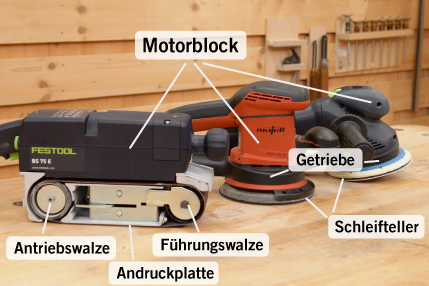
There are different belt sanders for various tasks. Each type fits different sanding needs.
- Handheld Belt Sanders:Easy to control and good for curved edges.
- Stationary Belt Sanders:Fixed on a table for precise sanding.
- Wide Belt Sanders:Used in workshops for large flat surfaces.
For large furniture, handheld or wide belt sanders work best depending on the shape and size.
Selecting The Correct Grit
The belt grit controls how much wood the sander removes. Coarse grit removes a lot fast but leaves rough surfaces.
Fine grit smooths the surface but takes more time. Choose grit based on the wood condition and sanding stage.
- Coarse grit (40-60):Use for rough shaping and removing old finish.
- Medium grit (80-120):Good for general sanding and smoothing.
- Fine grit (150-220):Use for final sanding before finishing.
Power And Size Considerations
Power affects how well the sander handles large surfaces. Higher power means smoother sanding without slowing down.
The size of the belt affects the area you can sand at once. Larger belts cover more area but are heavier to handle.
- Power:Look for 6 to 10 amps for large furniture.
- Belt Size:Common sizes are 3×18 inches or 4×24 inches.
- Weight:Choose a sander light enough to control comfortably.

Credit: feltingandfiberstudio.com
Preparing Large Furniture Pieces
Before using a belt sander on large furniture, proper preparation is essential. It helps you work safely and get the best results.
Preparing your furniture means cleaning, securing, and marking the areas to sand. These steps save time and avoid mistakes.
Cleaning And Inspecting Surfaces
Start by removing dust and dirt from the furniture surface. Use a soft cloth or vacuum cleaner to clean all areas well.
Check the wood for nails, screws, or staples. These can damage the belt sander or cause injury. Remove any metal parts before sanding.
Securing The Furniture
Keep the furniture steady to avoid accidents. Use clamps or straps to hold it firmly in place on a stable work surface.
- Place the furniture on a flat, sturdy table or workbench
- Use wide clamps to prevent movement during sanding
- Check that the furniture does not wobble before starting
- Clear the area to avoid tripping hazards
Marking Areas For Sanding
Mark the spots where you want to sand. Use a pencil or painter’s tape for clear, visible lines.
| Marking Method | Use | Tip |
| Pencil Lines | Outline edges and damaged spots | Draw light lines to avoid deep marks |
| Painter’s Tape | Protect areas you do not want to sand | Apply tape carefully and press down edges |
| Chalk | Temporary marks on dark wood | Wipe off easily after sanding |
Safety Measures
Using a belt sander on large furniture needs careful attention. Safety is very important to avoid injuries.
Following safety tips helps keep you and your workspace safe during sanding tasks.
Protective Gear Essentials
Wear the right gear to protect your body from dust and accidental contact with the sander.
- Safety goggles to shield your eyes from dust and flying particles
- Dust mask or respirator to protect your lungs from fine dust
- Hearing protection like earplugs or earmuffs to reduce noise
- Gloves to protect your hands but ensure they fit well and do not get caught
- Wear long sleeves and pants to protect your skin
Workspace Setup
Arrange your workspace so it is safe and easy to move around while sanding large furniture.
| Safety Tip | Reason |
| Clear the area of tools and clutter | Prevents tripping and accidents |
| Ensure good lighting | Helps see sanding progress and hazards |
| Use stable work supports | Keeps the furniture steady during sanding |
| Keep power cords away from sanding path | Prevents cord damage and trips |
Handling Dust And Debris
Dust from sanding can be harmful and messy. Manage it well to keep safe and clean.
Follow these tips for dust control:
- Use a belt sander with a dust collection bag or connect it to a vacuum system
- Wear a dust mask or respirator to avoid breathing dust
- Clean the workspace regularly to remove dust buildup
- Avoid sanding in windy or open areas where dust spreads easily
Credit: www.dictum.com
Operating Techniques
Using a belt sander on large furniture pieces requires careful control. Proper techniques help you get smooth and even surfaces.
Understanding how to start, use, and stop the sander safely will protect your work and yourself.
Starting And Stopping The Sander
Always place the sander flat on the wood before turning it on. This prevents gouging the surface. Turn the sander off before lifting it away.
Wait until the belt reaches full speed before moving it across the wood. When stopping, keep it still until the belt stops moving completely.
Maintaining Consistent Pressure
Apply even pressure with both hands while sanding. Too much pressure can damage the wood and wear the belt quickly.
- Hold the sander firmly but do not press hard.
- Let the weight of the tool do the work.
- Keep your hands steady to avoid uneven sanding.
- Check the surface often to adjust pressure if needed.
Sanding Direction And Motion
Move the sander in smooth, long strokes along the grain of the wood. Avoid sanding across the grain to prevent scratches.
| Motion | Why |
|---|---|
| Long strokes with the grain | Creates a smooth surface |
| Circular motions | Can cause uneven sanding |
| Back and forth across grain | Leaves visible scratches |
Avoiding Common Mistakes
Many users sand too long in one spot, causing dips. Keep the sander moving to avoid uneven areas.
- Do not press hard or hold the sander still.
- Replace worn sanding belts promptly.
- Check for dust buildup and clean often.
- Wear safety gear like goggles and masks.
Managing Large Surfaces
Working with a belt sander on large furniture pieces needs careful planning. You must control the sander to avoid uneven spots or damage.
This guide focuses on how to manage large surfaces safely and effectively using a belt sander.
Segmenting The Work Area
Breaking the surface into smaller parts makes sanding easier. It helps keep the finish smooth and consistent.
- Divide the surface into sections you can handle comfortably.
- Mark the sections lightly with a pencil or tape.
- Sand one section fully before moving to the next.
- Overlap slightly to avoid visible lines.
Maintaining Even Finish
Keep the finish even by controlling pressure and speed. Uneven pressure can cause dips or scratches.
| Tip | Reason |
| Keep the sander moving | Prevents deep marks in one spot |
| Use light, steady pressure | Avoids sanding too much in one area |
| Check progress often | Ensures even sanding across the surface |
| Sand with the grain | Keeps the wood looking natural |
Working Around Edges And Corners
Edges and corners need special care. They are easy to over-sand or damage.
- Use a smaller sanding pad or hand sand for tight spots.
- Sand edges gently and avoid pressing hard.
- Keep the sander flat to the surface to avoid gouges.
- Finish edges with fine-grit sandpaper for smoothness.
Post-sanding Steps
After sanding large furniture, you must prepare the surface correctly. This helps make the finishing smooth and long-lasting.
Follow these steps to clean, inspect, and prepare your furniture for finishing.
Cleaning The Surface
Remove all dust and debris left from sanding. Use a vacuum or a soft brush to clear the surface well. Then wipe it with a damp cloth to catch fine dust.
- Vacuum or brush the entire surface
- Wipe with a damp, lint-free cloth
- Let the surface dry completely
Inspecting For Imperfections
Check the furniture carefully for scratches, dents, or uneven spots. Good lighting helps you find any flaws that need fixing before finishing.
| Imperfection | How to Fix |
| Small scratches | Lightly sand with fine-grit paper |
| Dents | Use wood filler and sand after drying |
| Uneven areas | Smooth with sanding block |
Preparing For Finishing
Make sure the surface is clean and dry before applying any finish. Protect your workspace and gather all finishing tools and materials.
Key items to have ready:
- Protective gloves
- Finish brushes or applicators
- Clean rags
- Proper ventilation
Maintenance Of Belt Sanders
Keeping a belt sander in good shape helps it work better and last longer. This guide covers basic care tips for large furniture projects.
Regular maintenance prevents breakdowns. Focus on changing belts, cleaning, and fixing common problems.
Changing Belts
Replace the sanding belt when it wears out or tears. Using a damaged belt can ruin your furniture.
- Turn off and unplug the sander.
- Release the belt tension lever.
- Remove the old belt carefully.
- Align the new belt on the rollers.
- Engage the tension lever to secure the belt.
- Check belt tracking before use.
Cleaning And Storage
Clean your belt sander after each use to remove dust and debris. This keeps the motor and parts safe.
- Use a brush or compressed air to clear dust from vents.
- Wipe the exterior with a dry cloth.
- Store the sander in a dry place away from moisture.
- Keep the sanding belts in a cool, dry spot.
Troubleshooting Common Issues
| Issue | Cause | Fix |
|---|---|---|
| Belt slips off | Incorrect tension or tracking | Adjust tension and tracking levers |
| Sander overheats | Dust buildup or worn motor | Clean vents; check motor condition |
| Uneven sanding | Worn belt or uneven pressure | Replace belt; apply steady pressure |
| Strange noises | Loose parts or debris | Tighten screws; clean sanding area |
Frequently Asked Questions
How Do I Safely Start A Belt Sander On Large Furniture?
Always wear safety gear and ensure the sander is unplugged before attaching the belt. Start the sander on the workpiece, not in the air, to avoid gouging the wood.
What Grit Belt Should I Use For Large Furniture Pieces?
Start with a coarse grit, such as 60 or 80, to remove old finish or level surfaces. Progress to finer grits like 120 or 150 for a smooth finish.
How Do I Avoid Uneven Sanding On Big Furniture?
Keep the sander moving steadily and evenly across the surface. Avoid staying in one spot to prevent dips or gouges in the wood.
Can I Use A Belt Sander On Curved Furniture Edges?
Belt sanders are best for flat surfaces. For curves, use a detail sander or sand by hand to maintain shape and avoid damage.
Conclusion
Operating a belt sander on large furniture takes care and patience. Always keep your hands steady and move the sander evenly. Check your work often to avoid sanding too deep. Using the right grit of sandpaper makes a big difference.
Remember to wear safety gear for protection. Practice these steps to get smooth, clean surfaces. With time, sanding large pieces will feel easier and more natural. Keep your workspace clean to work safely and well. Simple habits lead to better results every time.