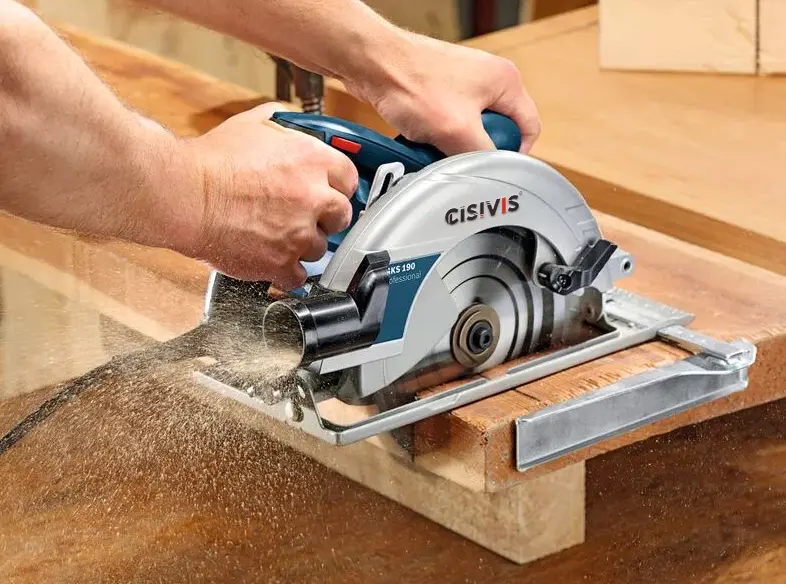
Are you tired of your circular saw giving you less-than-perfect cuts? Whether you’re a seasoned DIY enthusiast or just starting out, maintaining your circular saw is crucial for achieving precision.
Imagine the satisfaction of each cut being smooth and exact, turning your projects from average to exceptional. The secret lies not just in the tool itself, but in how well you care for it. You’ll discover the essential steps to keep your circular saw in top condition.
Get ready to unlock the full potential of your tool and transform your woodworking projects with unmatched accuracy. Let’s dive in and ensure your cuts are always on point!

Credit: www.youtube.com
Choosing The Right Circular Saw
A good circular saw helps you make clean and accurate cuts. Picking the right saw is key to getting precise results.
Different saws work best for different jobs. Knowing which type fits your needs will save time and effort.
Types Of Circular Saws
Circular saws come in many styles. Each type offers unique features for specific tasks.
Some saws are light and easy to handle. Others are powerful for heavy cutting jobs.
- Sidewinder Saw:Compact and fast, good for general cuts.
- Worm Drive Saw:Strong torque, ideal for thick materials.
- Hypoid Saw:Quieter and more durable than worm drive saws.
- Trim Saw:Small and lightweight, best for fine trim work.
Blade Selection For Precision
The blade type affects how clean your cuts are. Choose blades made for smooth, accurate cutting.
Blade size, teeth count, and tooth shape matter for precision. Pick blades that match your material and cut style.
- Blade Size:Smaller blades cut thinner materials well.
- Teeth Count:More teeth give smoother cuts but cut slower.
- Tooth Shape:Alternate top bevel teeth reduce splintering.
- Material:Carbide-tipped blades last longer and stay sharp.
Cleaning Your Circular Saw
Keeping your circular saw clean helps it work better and last longer. Dirt and dust can cause problems if not removed regularly.
Regular cleaning makes sure your saw cuts smoothly and stays safe to use. Here are key ways to clean your circular saw properly.
Removing Dust And Debris
Dust and debris build up around the saw after use. This can block vents and affect performance. Use a brush or compressed air to clear these areas.
Make sure to clean the blade guard and base plate too. Dirt here can stop the saw from moving smoothly and cause safety issues.
- Unplug the saw before cleaning
- Use a soft brush to remove dust
- Blow compressed air into vents
- Wipe the base plate clean
- Check the blade guard for debris
Cleaning The Blade And Motor
Clean the blade by removing pitch and resin buildup. Use a cloth with a bit of blade cleaner or soapy water. Avoid harsh chemicals that can damage the blade.
Keep the motor area free from dust. Use compressed air to blow dust out of motor vents. This helps the motor stay cool and work well.
- Remove the blade carefully
- Clean blade teeth with a soft cloth
- Apply mild cleaner for sticky buildup
- Dry the blade fully before reinstalling
- Blow air into motor vents to clear dust
Blade Maintenance
Keeping your circular saw blade in good shape helps you cut accurately. A clean, sharp blade makes smoother cuts and lasts longer.
Regular blade care reduces mistakes and keeps your saw working safely. Here are tips on sharpening and replacing your blade.
Sharpening Techniques
Sharp blades cut better and reduce effort. You can sharpen blades yourself or use a professional service. Use the right tools for safety and accuracy.
Manual sharpening works with a file or sharpening stone. Follow the angle of the blade teeth carefully. Use steady, even strokes for best results.
- Remove the blade from the saw before sharpening.
- Clean the blade to remove resin and dirt.
- Use a diamond file or sharpening stone on each tooth.
- Keep the file angle consistent with the blade’s original angle.
- Check for even sharpness on all teeth.
When To Replace The Blade
Blades wear out and lose sharpness over time. Replace the blade if it does not cut well after sharpening. Dull blades cause rough cuts and can be unsafe.
Check the blade for damage like missing teeth, cracks, or warping. Replace it immediately if you find these issues to avoid accidents.
- Blade teeth are chipped or missing.
- Blade shows cracks or bends.
- Blade cuts poorly even after sharpening.
- Blade rust or corrosion is heavy.
- Blade wobbling or vibration during use.

Credit: www.findbuytool.com
Lubrication And Moving Parts
Keeping your circular saw well-maintained helps it cut accurately. Lubrication and adjusting moving parts are key tasks. These steps reduce wear and keep the saw running smoothly.
Regular care of the moving parts ensures safety and extends the tool’s life. Pay close attention to parts like the arbor, bearings, depth control, and bevel controls.
Lubricating The Arbor And Bearings
The arbor and bearings need proper lubrication to reduce friction. Without lubrication, these parts can wear out fast and cause poor cutting performance.
- Clean the arbor and bearings before applying oil or grease.
- Use a light machine oil or grease recommended by the saw’s manual.
- Apply lubricant sparingly to avoid attracting dust and debris.
- Rotate the arbor to spread the lubricant evenly.
- Wipe off any excess lubricant to prevent buildup.
Adjusting The Depth And Bevel Controls
Proper adjustment of depth and bevel controls helps achieve precise cuts. Loose or stuck controls can cause uneven cuts or damage to the material.
| Control | Adjustment Tip | Check |
| Depth Control | Loosen knob, set blade depth, then tighten firmly. | Blade should not wobble or move after adjustment. |
| Bevel Control | Use bevel scale to set angle, lock securely. | Angle must stay fixed during cutting. |
Checking And Aligning The Saw
Keeping your circular saw aligned is key for precise cuts. Misalignment causes rough edges and waste.
Regular checks help you spot problems early. Aligning parts correctly improves saw performance.
Aligning The Blade With The Base Plate
Check if the blade is straight with the base plate. A crooked blade cuts unevenly and can be unsafe.
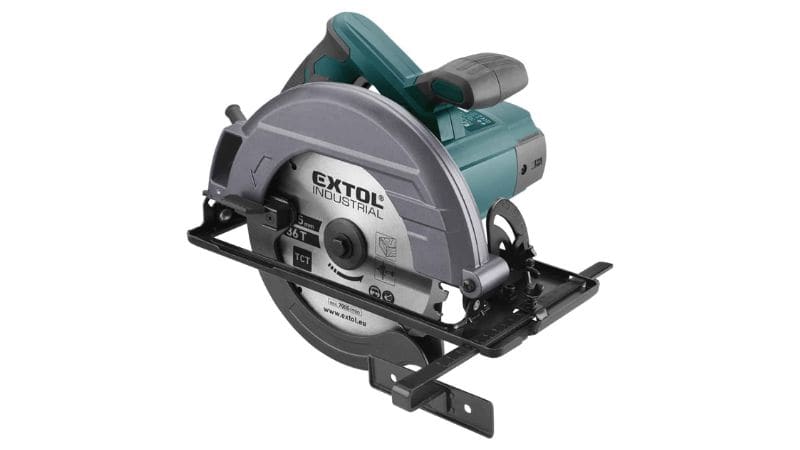
Use a square tool to measure the blade’s position. Adjust the base plate or blade to make them parallel.
- Unplug the saw before adjusting
- Loosen screws holding the base plate
- Move the plate until the blade lines up
- Tighten screws firmly to secure the base plate
- Recheck alignment after tightening
Ensuring Accurate Cutting Angles
Set the saw’s angle gauge to the desired cutting angle. Check the scale for accuracy before cutting.
Test the angle by cutting a scrap piece of wood. Measure the cut to confirm the angle is correct.
- Adjust the bevel lever or knob to change the angle
- Lock the bevel adjustment once set
- Use a protractor or angle finder for exact measurements
- Make small adjustments if the cut angle is off
Credit: extoltools.com
Safe Storage Practices
Keeping your circular saw in good shape needs safe storage. Proper storage helps keep the blade sharp and the tool working well.
Storing your saw the right way protects it from damage and rust. It also keeps you safe from accidents.
Protecting The Blade
Always cover the blade before storing the saw. A blade guard or a sheath works well to stop the blade from getting dull or damaged.
- Clean the blade before storage to remove dust and sap.
- Use a blade cover to protect the teeth from bumps.
- Keep the blade dry to avoid rust.
- Store the saw where it won’t get knocked over.
Storing In A Dry Environment
Moisture can cause rust and damage the saw. Keep the tool in a dry place to make it last longer.
| Storage Area | Reason |
| Dry shelf or cabinet | Protects from moisture and dust |
| Toolbox with silica gel packs | Absorbs humidity |
| Climate-controlled room | Keeps steady temperature and low humidity |
Regular Inspection And Troubleshooting
Maintaining a circular saw is important for accurate cuts. Regular inspection helps find problems early.
Troubleshooting common issues keeps your saw working well. This guide shows how to check and fix precision problems.
Identifying Common Issues
Look for signs like uneven cuts or unusual noises. These often mean the saw needs attention.
- Dull or damaged blades
- Loose blade or parts
- Misaligned blade guide
- Dirty or clogged mechanisms
- Worn motor brushes
Fixes For Precision Problems
Fixing precision problems needs careful steps. Use the table below to match problems with solutions.
| Problem | Cause | Fix |
| Uneven cuts | Dull blade or loose parts | Sharpen or replace blade; tighten parts |
| Blade wobbling | Loose arbor nut | Tighten arbor nut securely |
| Saw drifts during cut | Misaligned blade guide | Adjust blade guide to correct position |
| Motor stalls | Dirty brushes or clogged vents | Clean vents; replace motor brushes |
| Blade binds in wood | Dull blade or wrong blade type | Replace blade; use correct blade type |
Frequently Asked Questions
How Often Should I Clean My Circular Saw?
Clean your circular saw after every use to remove dust and debris. This prevents buildup, ensuring smooth operation and precise cuts.
What Blade Type Ensures The Best Precision?
Use carbide-tipped blades for the best precision. They stay sharp longer and cut smoothly through various materials.
How Do I Check Blade Alignment Properly?
Check blade alignment by ensuring the blade is parallel to the base plate. Use a square tool for accurate measurement.
Why Is Blade Sharpening Important For Precision?
Sharp blades cut cleaner, reducing material tear-out. Regular sharpening maintains accuracy and extends blade life.
Conclusion
Regular care keeps your circular saw sharp and safe. Clean the blade after each use to avoid rust. Check the alignment often to ensure straight cuts. Tighten screws and bolts to prevent accidents. Store the saw in a dry place to protect it.
Small steps make a big difference in precision. Keep your saw ready for every project ahead. Simple maintenance saves time and money later. Trust your tools by giving them the care they need.