
Ever wondered why your protective clothing doesn’t last as long as it should? You’re not alone.
Many people find themselves replacing gear more often than necessary, wasting both time and money. The secret lies in how you maintain it. Proper care can significantly extend the life of your protective clothing, ensuring it continues to safeguard you effectively.
Imagine feeling confident every time you put on your safety gear, knowing it’s in top condition. In this guide, you’ll discover simple yet powerful tips to keep your protective clothing in peak performance, saving you from frequent replacements and enhancing your safety. Ready to learn how? Let’s dive in!
Credit: magnifyelectric.com
Choosing The Right Protective Clothing
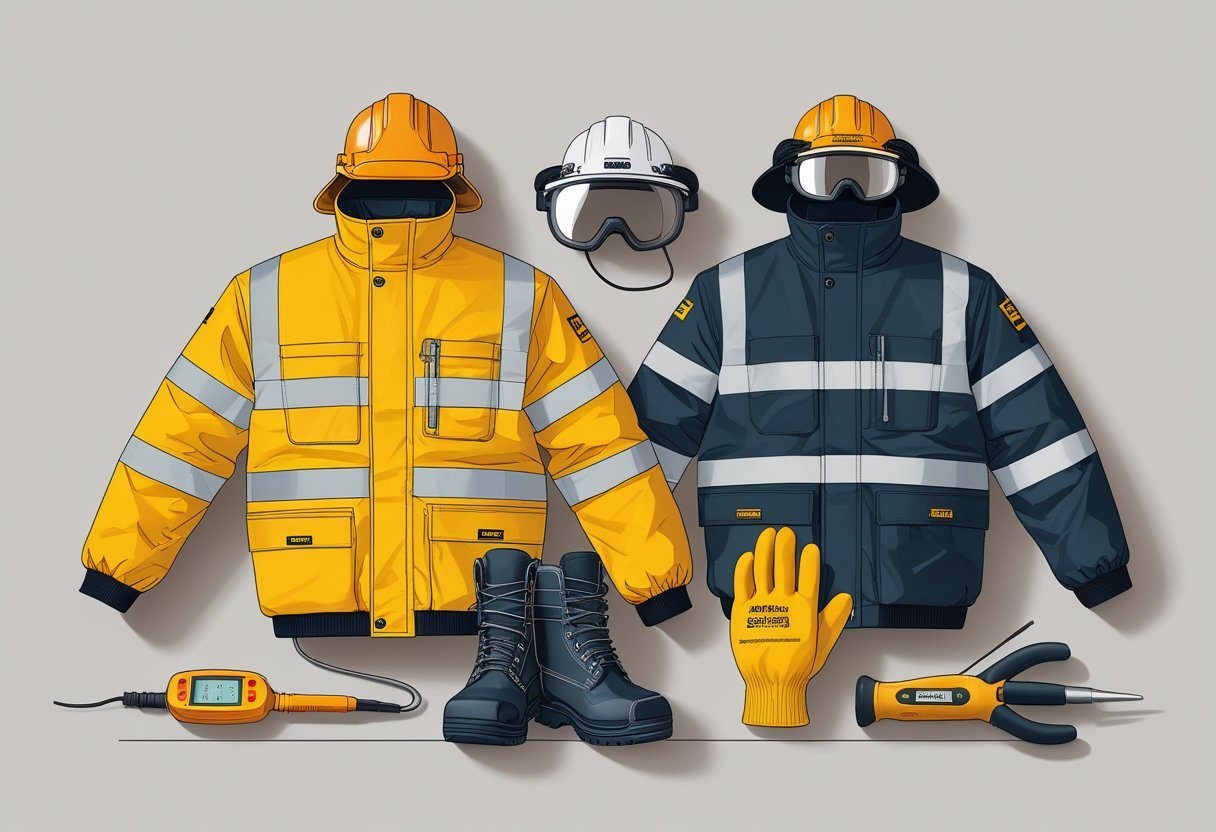
Protective clothing keeps workers safe from hazards. Picking the right type helps prevent injuries.
It is important to know what materials work best. Also, consider the environment where you will wear it.
Material Types And Durability
Protective clothing comes in many materials. Each material has strengths and lasts for different times.
Choose materials that match the type of protection you need. Some materials resist fire, while others block chemicals.
- Cotton: Comfortable but less durable against chemicals
- Leather: Strong and good for heat protection
- Polyester: Durable and water-resistant
- Kevlar: Very strong and cut-resistant
- Rubber: Protects from liquids and chemicals
Selecting Based On Work Environment
Work environments affect which clothing is best. Think about weather, hazards, and work tasks.
For hot places, choose lightweight and breathable fabrics. In cold areas, pick insulated and warm materials.
- Wet or rainy areas need waterproof clothing
- Chemical plants require chemical-resistant suits
- Construction sites call for durable and visible gear
- Electrical work needs flame-resistant clothing
Proper Cleaning Techniques
Protective clothing keeps you safe from hazards. Cleaning it properly keeps its strength and function. Dirt and chemicals can damage the fabric if not removed correctly.
Use correct methods to wash and care for your protective gear. This helps extend its life and keeps you protected.
Washing Guidelines
Follow these steps to wash protective clothing safely. Use mild detergents and cold or warm water only. Hot water may weaken the fabric.
- Check the label for specific washing instructions.
- Use a gentle cycle on the washing machine.
- Do not use bleach or fabric softeners.
- Rinse thoroughly to remove all detergent.
- Air dry the clothing away from direct sunlight.
- Do not iron or tumble dry unless the label allows it.
Avoiding Damage During Cleaning
Protective clothing can get damaged if cleaned incorrectly. Avoid these common mistakes to keep your gear safe.
| Common Mistake | Effect on Clothing | How to Avoid |
| Using bleach | Weakens fibers and reduces protection | Use mild detergent only |
| High heat drying | Causes shrinkage and fabric damage | Air dry in shade |
| Harsh scrubbing | Tears fabric and wears out coating | Use gentle washing methods |
| Mixing with heavy items | Causes abrasion and tears | Wash separately or with similar items |
Storage Best Practices
Protective clothing needs proper storage to last longer. Good storage keeps clothes safe from damage and dirt.
Storing clothes correctly helps keep their protective qualities strong. It also makes them ready to use anytime.
Ideal Storage Conditions
Store protective clothing in a clean, dry place away from sunlight. This prevents damage and material breakdown.
Keep the storage area well-ventilated to avoid moisture build-up. Moisture can cause mold and weaken fabrics.
- Use hangers or racks to keep clothes off the floor
- Avoid folding tightly to prevent creases
- Keep away from chemicals or strong odors
- Maintain room temperature, not too hot or cold
Preventing Wear And Tear
Check protective clothing regularly for signs of wear. Early fixes stop small damage from becoming worse.
Handle clothes gently when storing or removing them. Rough treatment can cause tears or damage to protective layers.
- Keep clothes separate to avoid friction
- Do not overload storage racks or boxes
- Clean clothes before storing to remove dirt and sweat
- Repair small tears or loose threads promptly

Credit: maltadynamics.com
Regular Inspection And Repairs
Protective clothing keeps workers safe from hazards. It needs regular checks to work well.
Inspecting and fixing clothes early helps stop bigger damage and keeps protection strong.
Spotting Early Signs Of Damage
Look closely for small tears or holes in the fabric. These can grow if not fixed soon.
Check for worn areas, loose threads, and broken zippers. These signs show the clothes may fail.
- Small cuts or holes
- Frayed edges or loose stitches
- Discoloration or stains
- Broken buttons or zippers
- Worn or thin fabric spots
Simple Repair Methods
Use needle and thread to sew small tears. Match the thread color to the fabric.
Patch bigger holes with strong fabric patches. Iron-on patches work well for many clothes.
- Sew small tears with tight stitches
- Use fabric patches for large holes
- Replace broken buttons or zippers
- Trim loose threads carefully
- Clean clothes before repairing
Extending Protective Clothing Lifespan
Protective clothing keeps workers safe in tough environments. Taking care of this gear helps it last longer.
Proper maintenance saves money and ensures safety. Follow simple tips to keep your clothing strong.
Rotating Gear Use
Using several sets of protective clothing in turns lowers wear and tear. This rotation spreads out use evenly.
Rotating gear lets items dry and recover between uses. It stops damage caused by constant use.
- Have at least two sets of protective clothing
- Use one set while the other dries
- Inspect each set for damage regularly
- Replace gear showing signs of wear
Following Manufacturer’s Instructions
Read and follow the care instructions on the label. These rules help keep protective clothing safe and effective.
Washing, drying, and storing the clothing as directed stops damage. Avoid harsh chemicals and high heat.
- Use recommended cleaning products
- Wash at suggested temperatures
- Do not bleach or dry clean unless allowed
- Store gear in a clean, dry place
Credit: tikweld.com
Frequently Asked Questions
How Often Should Protective Clothing Be Cleaned?
Protective clothing should be cleaned after each use to maintain its effectiveness. Follow the manufacturer’s care instructions carefully. Regular cleaning removes contaminants and prevents damage, ensuring safety and longevity of the gear.
What Is The Best Way To Store Protective Clothing?
Store protective clothing in a cool, dry place away from direct sunlight. Avoid folding or compressing to maintain shape. Proper storage prevents material degradation and extends the lifespan of the clothing.
Can Protective Clothing Be Repaired If Damaged?
Minor damages can be repaired using manufacturer-approved methods or patches. However, severe damage may require replacement to ensure safety. Always inspect clothing regularly for tears or wear before use.
Why Is Regular Inspection Important For Protective Clothing?
Regular inspection identifies wear, damage, or contamination early. This ensures the clothing provides maximum protection. Inspections help maintain compliance with safety standards and prevent workplace accidents.
Conclusion
Taking care of protective clothing keeps you safe and comfortable. Clean and store clothes properly after each use. Check for damage before wearing them again. Replace gear that no longer protects well. Regular care helps your clothing last longer. Stay safe by following these simple steps daily.
Protective clothing works best when it stays in good shape. Small efforts make a big difference in safety. Keep your gear ready, so you can focus on your work.
