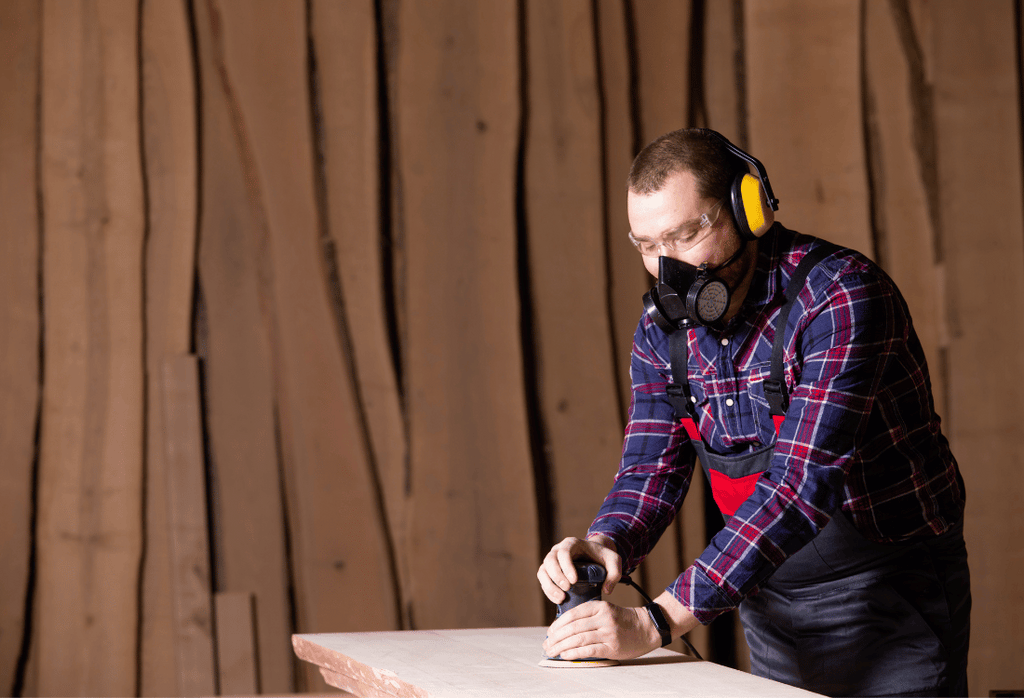
Are you ready to dive into your woodworking projects while ensuring your safety? If you’ve ever wondered how to protect yourself from harmful dust and chemicals, you’re not alone.
Woodworking can be a rewarding hobby, but it comes with its own set of challenges, especially when it comes to safety. That’s where full-face respirators come in. They are your best ally in keeping your lungs safe from harmful particles.
But how do you wear them correctly to ensure maximum protection and comfort? In this guide, you’ll discover easy-to-follow steps and tips that will make wearing a full-face respirator feel like second nature. Stick around, because your health and safety are worth it, and mastering this skill will elevate your woodworking experience to a whole new level.
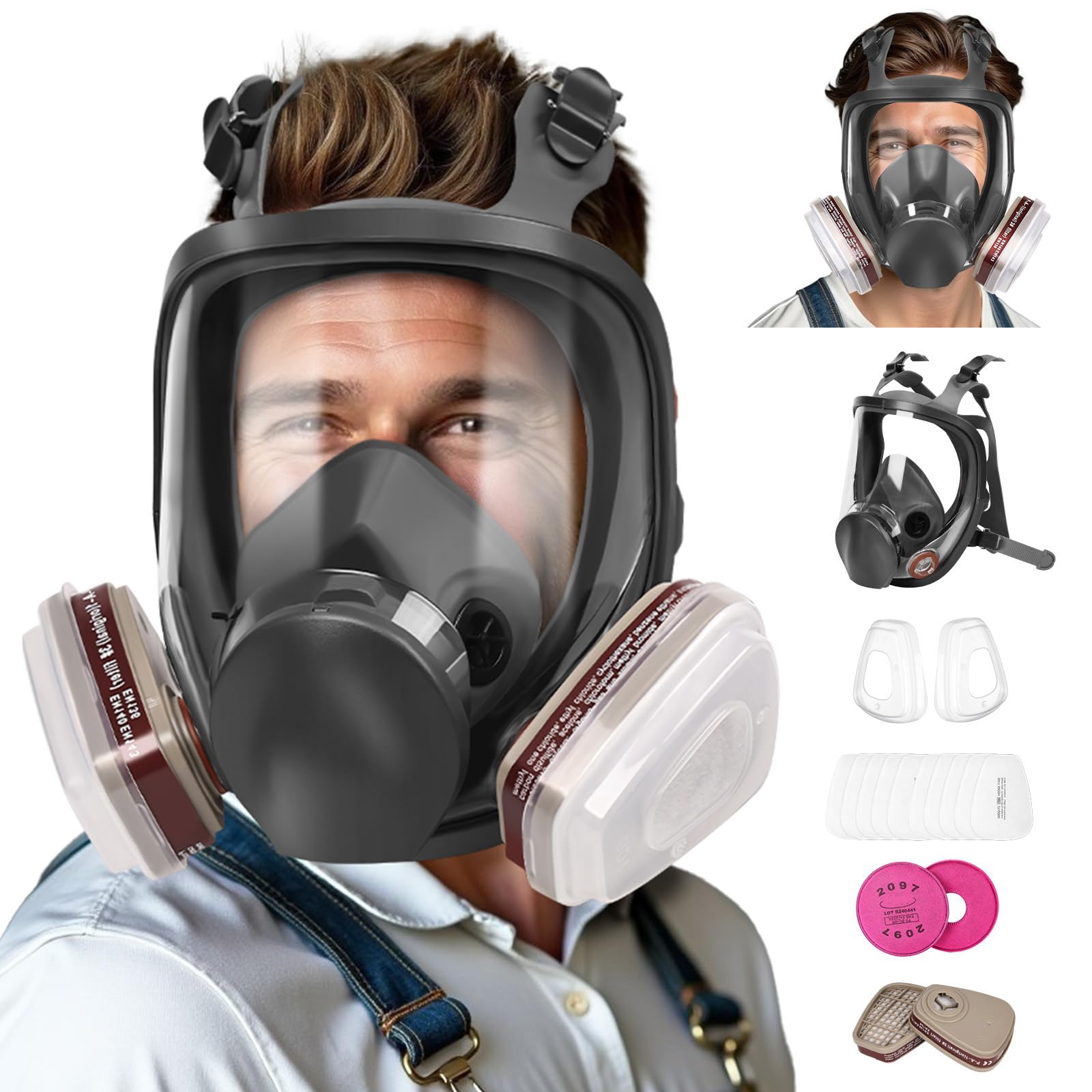
Credit: www.amazon.com
Choosing The Right Respirator
Wearing a full-face respirator helps protect your lungs and eyes during woodworking. Choosing the right one is important for safety and comfort.
Pick a respirator that fits well and matches the type of dust and fumes you face. This guide will help you choose the best one.
Types Of Full-face Respirators
There are different types of full-face respirators. Each type offers different levels of protection and comfort.
Some use replaceable filters, while others have powered air systems. Choose based on your work environment and needs.
- Air-Purifying Respirators (APR): Use filters to clean the air.
- Powered Air-Purifying Respirators (PAPR): Use a battery to blow filtered air.
- Supplied-Air Respirators (SAR): Provide clean air from a separate source.
Selecting Proper Filters And Cartridges
Filters and cartridges block harmful dust and chemicals. Pick ones made for woodworking dust and fumes.
Filters have ratings like P100 or N95. P100 blocks 99.97% of dust particles, ideal for woodworking.
- P100 filters: Block oil and non-oil based particles.
- N95 filters: Block 95% of airborne particles but not oil-based.
- Cartridges: Protect against gases and vapors, choose based on chemicals used.
Sizing And Fit Considerations
A proper fit is key to protect your lungs. Respirators come in different sizes for a secure seal.
Follow these tips to find the right size:
- Measure your face according to the respirator guide.
- Try different sizes to check comfort and seal.
- Perform a fit test to ensure no air leaks.
- Adjust straps for a snug but comfortable fit.
Preparing The Respirator
Wearing a full-face respirator protects you from harmful dust and fumes while woodworking. Proper preparation keeps the respirator working well and safe.
Follow these steps to get your respirator ready before each use. This ensures a good fit and clear breathing.
Inspecting For Damage
Check your respirator carefully for cracks, tears, or worn parts. Look at the face seal, straps, and valves. Any damage can reduce protection.
- Examine the face mask for holes or cracks
- Check the straps for elasticity and breaks
- Inspect the inhalation and exhalation valves for dirt or damage
- Make sure the lens is clear and scratch-free
Cleaning Before Use
Always clean your respirator before putting it on. This removes dust, sweat, and oils that can cause skin irritation.
- Remove filters or cartridges
- Wash the facepiece with mild soap and warm water
- Rinse thoroughly to remove all soap
- Let the respirator air dry away from direct sunlight
- Do not use harsh chemicals or solvents
Assembling Components
| Component | Assembly Tip |
|---|---|
| Filters | Attach filters firmly to prevent air leaks |
| Cartridges | Check expiry date before use |
| Straps | Adjust straps evenly for a snug fit |
| Face Seal | Ensure the seal is clean and flexible |
Proper Fit And Seal
Wearing a full-face respirator correctly is key for safety in woodworking. A proper fit and seal keep dust and fumes out.
Learn how to adjust straps, check the seal, and fix fit problems for the best protection.
Adjusting Straps
Straps hold the respirator tightly on your face. Adjust them to avoid gaps and pressure points.
- Loosen all straps before placing the mask on your face.
- Place the respirator over your nose and mouth.
- Tighten the bottom straps first, then the top straps.
- Make sure the mask feels snug but not painful.
- Adjust straps evenly on both sides to keep the mask centered.
Conducting Seal Checks
Seal checks help confirm no air leaks around the mask edges. Perform these checks every time you wear the respirator.
- Cover the filter or cartridge with your hand.
- Inhale gently to create negative pressure.
- Hold your breath for 10 seconds.
- Check for any air leaks or mask movement.
- If air leaks, adjust the straps and try again.
Addressing Fit Issues
If the mask does not fit well, try simple fixes before using it.
| Fit Problem | Possible Cause | Solution |
| Air leaks near nose | Straps too loose or nose piece not shaped | Tighten straps and mold nose clip firmly |
| Mask slides down | Straps too loose or wrong size | Adjust straps or try a smaller size |
| Pressure points on face | Straps too tight | Loosen straps slightly for comfort |
| Glasses fog up | Poor seal or exhalation valve issue | Check seal and clean valve or replace mask |
Credit: bcmask.com
Using The Respirator During Woodworking
Wearing a full-face respirator helps protect your lungs and eyes from dust and fumes. It is important to use it correctly while woodworking.
Follow safety steps to keep the respirator comfortable and effective during your work.
Maintaining Comfort
Make sure the respirator fits snugly but not too tight. Adjust the straps so it seals well without causing pain.
Take short breaks if you feel discomfort. Clean the face seal and straps regularly to avoid skin irritation.
- Check straps before starting work
- Clean face seal daily
- Use a soft cloth to wipe inside
- Take breaks to relieve pressure
Monitoring Filter Lifespan
Filters block harmful dust and fumes but wear out over time. Check them often to know when to replace.
Replace filters if breathing feels harder or if you see dirt on them. Using old filters can reduce protection.
- Inspect filters before each use
- Note the date you start using filters
- Replace if breathing is difficult
- Follow manufacturer’s replacement guidelines
Handling Fogging And Visibility
Fogging inside the mask can block your view. Keep the mask clean and dry to reduce fogging.
Use anti-fog sprays or wipes if fogging is a problem. Make sure the mask has good airflow to help keep the lens clear.
- Clean lens before each use
- Apply anti-fog treatment as needed
- Check airflow vents are not blocked
- Avoid touching inside of the lens
Cleaning And Maintenance
Full-face respirators need regular care to work well and last long. Cleaning and maintenance keep you safe while woodworking.
Proper upkeep prevents damage and helps the respirator fit correctly. Follow these simple steps daily and after use.
Daily Cleaning Routine
Clean your respirator every day after use. This stops dust and dirt from building up on the mask.
Use warm water and mild soap to wash all parts that touch your face. Avoid harsh chemicals that can damage materials.
- Remove filters before cleaning
- Wash facepiece and straps gently with soap and water
- Rinse well to remove all soap
- Dry completely before reassembling
- Check for cracks or tears while cleaning
Storing The Respirator Safely
Store your respirator in a clean, dry place away from sunlight and dust. This keeps it ready for your next use.
Use a sealed container or plastic bag to protect it from damage. Avoid places with high heat or chemicals.
- Keep respirator away from sharp objects
- Do not leave it in a hot car or garage
- Store filters separately to avoid contamination
- Place in a clean box or bag after drying
Replacing Filters And Parts
Filters and parts wear out over time and must be replaced for safety. Check them often for damage or clogging.
Follow the manufacturer’s instructions on how often to change filters. Replace parts like straps or lenses if they show signs of wear.
- Replace filters if breathing feels hard
- Change filters after exposure to hazardous dust
- Inspect valves and seals regularly
- Use only parts made for your respirator model
Common Mistakes To Avoid
Wearing a full-face respirator helps protect you from dust and fumes while woodworking. Mistakes in using these respirators can reduce their safety. Learn which errors to avoid for better protection.
Here are common mistakes that many people make when using full-face respirators. Fixing these can improve your safety and comfort.
Ignoring Fit Tests
Fit tests make sure your respirator seals well to your face. Without a good seal, harmful dust can enter. Some people skip these tests or do them incorrectly.
- Do not guess your size; use the correct fit test kit.
- Perform the test every time you use a new mask model.
- Check the seal by covering the filter and breathing in gently.
- Replace masks that do not pass the fit test.
Using Expired Filters
Filters remove harmful particles from the air. Using expired filters lowers protection and can cause breathing problems. Many forget to check filter dates or replace them on time.
| Filter Type | Average Lifespan | Replacement Signs |
|---|---|---|
| Particulate Filter | 6 months | Increased breathing resistance, visible damage |
| Gas/Vapor Filter | 1 year | Smell or taste of chemicals, discoloration |
| Combination Filter | 6-12 months | Any of above signs, manufacturer advice |
Neglecting Regular Maintenance
Cleaning and checking your respirator keeps it working well. Dirt and damage reduce safety. Some users skip this step or clean the mask wrong.
- Clean the mask with mild soap and warm water after each use.
- Inspect straps and valves for cracks or tears.
- Store the mask in a dry, clean place away from sunlight.
- Replace worn parts according to the manufacturer’s guide.
Enhancing Respirator Use
Using a full-face respirator while woodworking protects you from dust and fumes. Proper use keeps you safe and comfortable. You can improve how well your respirator works with a few simple steps.
This guide covers ways to combine your respirator with other safety gear, training tips, and equipment upgrades. These ideas help you get the best protection during woodworking.
Combining With Other Ppe
Wearing your full-face respirator with other personal protective equipment (PPE) increases your safety. Make sure all gear fits well and works together. Here are key PPE items to use with your respirator.
- Safety goggles or glasses to protect eyes from flying debris
- Hearing protection like earplugs or earmuffs for loud tools
- Gloves to guard hands from splinters and chemicals
- Protective clothing to cover skin and reduce dust exposure
- Hard hats if you work in areas with overhead hazards
Training For Proper Use
Learning how to wear and care for your respirator improves its effectiveness. Training helps you avoid common mistakes and keeps your equipment in good shape.
| Training Topic | Key Points |
| Fit Testing | Check seal and comfort before each use |
| Cleaning | Wash facepiece and replace filters regularly |
| Storage | Keep respirator in a clean, dry place |
| Inspection | Look for cracks, tears, and worn parts |
| Using Filters | Choose correct filters for wood dust and chemicals |
Upgrading Equipment
Upgrading your respirator can improve comfort and protection. New models offer better filters and easier breathing. Consider these options to enhance your gear.
- Choose respirators with adjustable straps for a secure fit
- Use P100 filters for the best dust and particle removal
- Select models with clear lenses to improve visibility
- Look for respirators with voice diaphragms for easier communication
- Replace old parts and filters as recommended by the manufacturer

Credit: www.amazon.com
Frequently Asked Questions
How Do I Properly Fit A Full-face Respirator?
To fit a full-face respirator, first adjust the straps evenly for a snug seal. Perform a fit check by covering the filter and inhaling. If the mask collapses slightly, the fit is secure. Proper fitting prevents dust and fumes from entering during woodworking.
What Maintenance Is Needed For Full-face Respirators?
Clean your full-face respirator after each use with mild soap and water. Inspect the face seal, straps, and filters regularly for damage. Replace filters as recommended by the manufacturer. Proper maintenance ensures effective protection and prolongs the respirator’s lifespan.
Can I Wear Glasses With A Full-face Respirator?
Yes, many full-face respirators allow wearing glasses inside. Use compatible frames designed to fit comfortably under the mask. Alternatively, consider prescription inserts or anti-fog coatings to improve vision. Proper fit and comfort are essential for safety while woodworking.
When Should I Replace Respirator Filters?
Replace filters when breathing becomes difficult or if exposed to heavy dust. Follow manufacturer guidelines, usually after 40 hours of use or one month. Timely filter replacement maintains respirator efficiency and protects against harmful woodworking particles.
Conclusion
Wearing a full-face respirator keeps you safe while woodworking. Always check the fit before starting your work. Clean the mask after each use to stay healthy. Replace filters regularly for better protection. Remember, safety comes first in any project. Protect your lungs and eyes with the right gear.
Stay focused and work confidently with proper equipment. Your health matters, so take these steps seriously. Safety habits make woodworking more enjoyable and worry-free.
