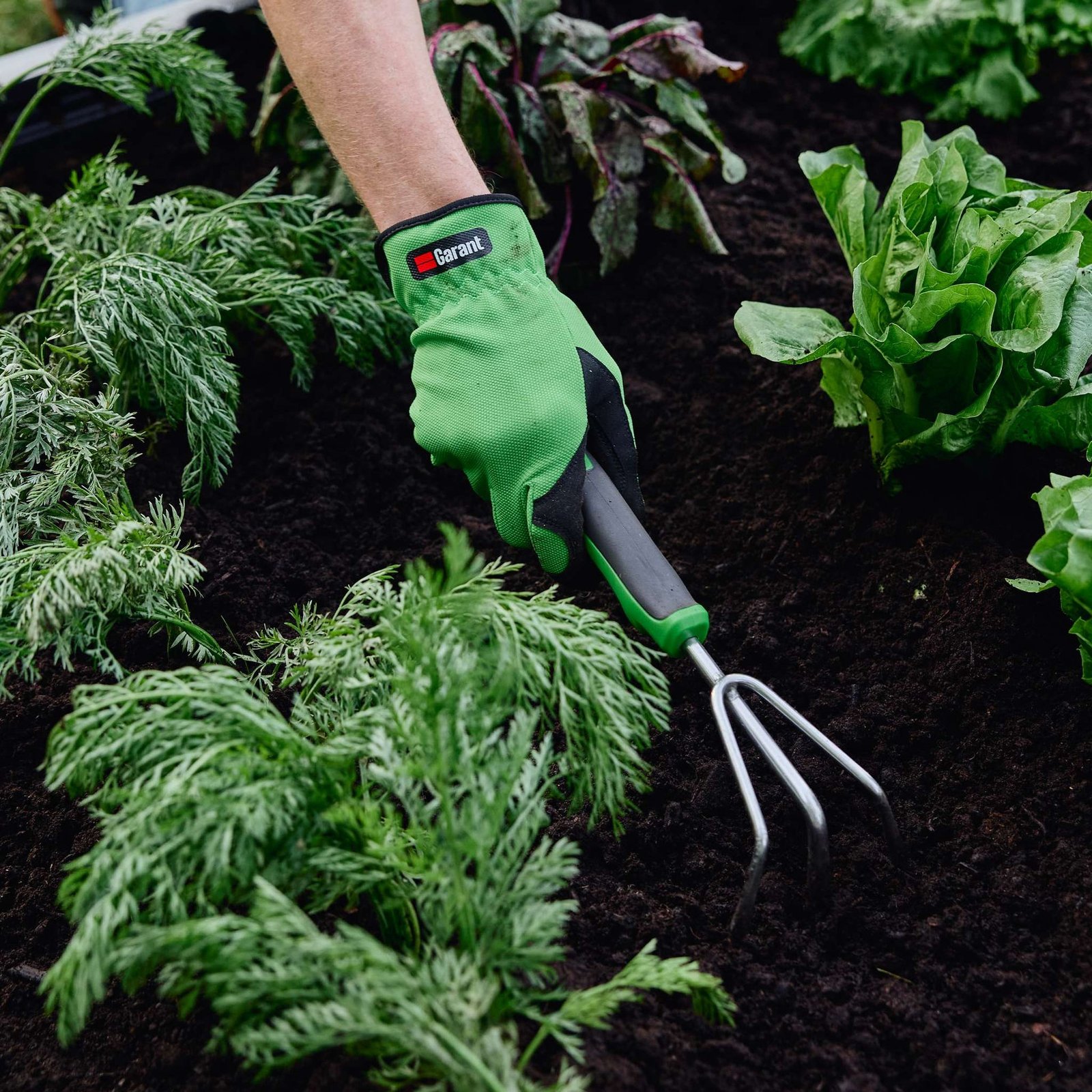
Have you ever looked at your garden and thought it could use a little more care and attention? You might be surprised at how much difference a simple tool like a hand cultivator can make.
Whether you’re a seasoned gardener or just starting out, mastering the use of a hand cultivator can transform your gardening experience. Imagine effortlessly loosening soil, removing weeds, and mixing in nutrients with ease. This tool is your secret weapon for a healthy, vibrant garden.
By the end of this article, you’ll know exactly how to wield this tool to give your plants the best chance to thrive. Keep reading to discover the simple steps that can elevate your gardening game to the next level!

Credit: manuals.plus
Choosing The Right Hand Cultivator
Using a hand cultivator can make gardening easier and more efficient. Picking the right tool helps you work better in your garden beds and pots.
There are different types of hand cultivators. You should know about materials and how comfortable the tool is to use. These factors affect your gardening experience.
Types Of Hand Cultivators
Hand cultivators come in various shapes and sizes. Each type has a unique use in the garden. Choosing the right type depends on the soil and plants.
- Three-prong cultivator:Good for breaking up soil and removing weeds.
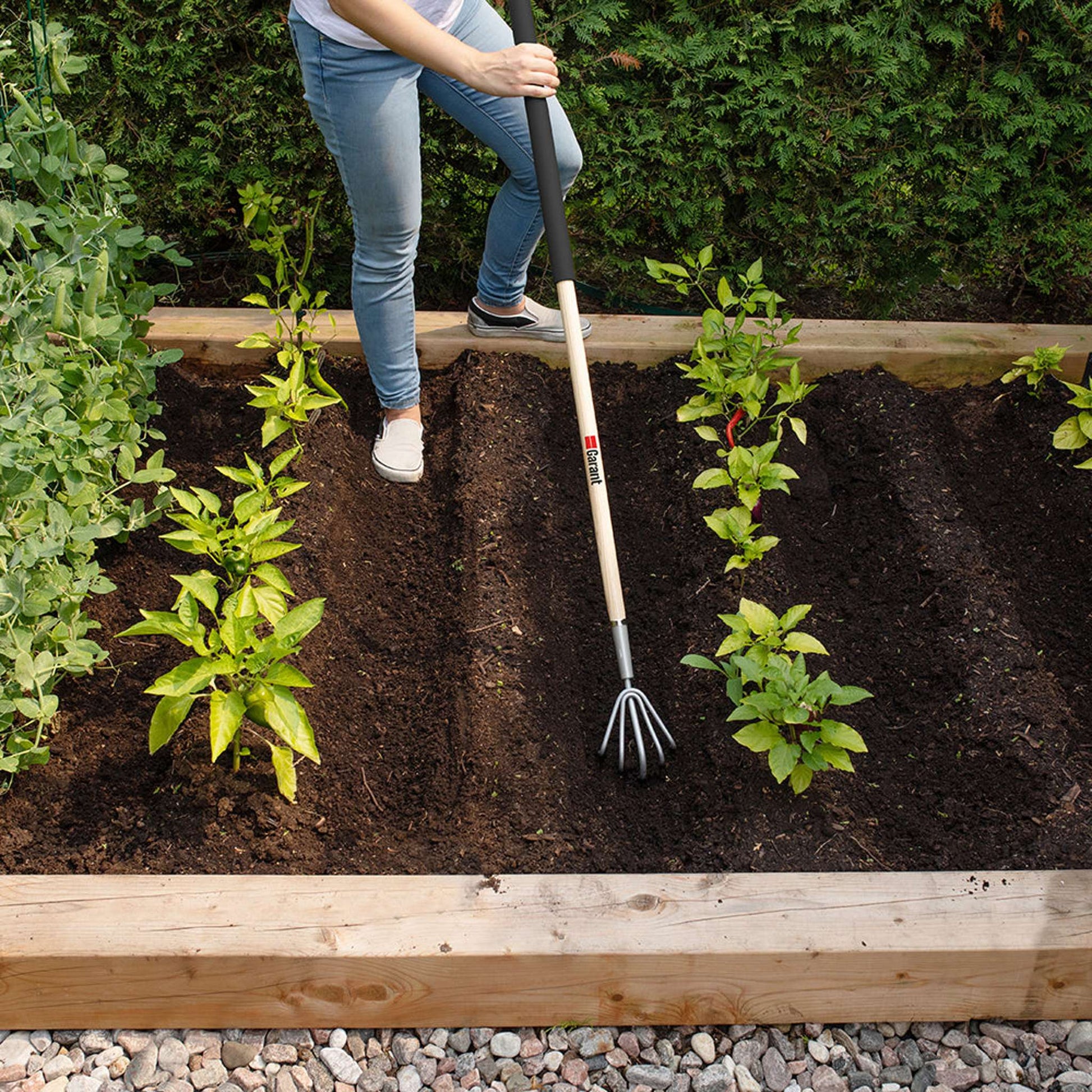
- Bow rake cultivator:Ideal for leveling soil and spreading mulch.
- Hand hoe cultivator:Works well for digging and cutting through tough soil.
- Adjustable cultivator:Offers flexibility with changeable tines for different tasks.
Materials And Durability
Hand cultivators are made from different materials. The choice affects how long the tool lasts and how much effort you need.
| Material | Advantages | Disadvantages |
| Stainless Steel | Resists rust and strong | Usually heavier |
| Carbon Steel | Very durable and sharp | Can rust if not cared for |
| Plastic | Lightweight and cheap | Less durable, breaks easily |
| Aluminum | Lightweight and rust-proof | Not as strong as steel |
Ergonomic Features
Comfort is important when using a hand cultivator. Ergonomic features reduce hand strain and increase control.
- Handles with soft grips to prevent slipping
- Curved handles to fit the natural hand shape
- Lightweight design to reduce arm fatigue
- Proper length for good leverage and reach
Credit: www.garant.com
Preparing Your Garden Bed
Preparing your garden bed well helps plants grow strong. Using a hand cultivator makes this task easier.
This tool helps clear debris, loosen soil, and remove weeds before planting.
Clearing Debris
Start by removing leaves, sticks, and rocks from your garden bed. Debris blocks sunlight and water from reaching the soil.
Use the hand cultivator to gently lift and collect debris. This clears space for your plants.
Loosening Soil
Loosen the soil with your hand cultivator by breaking up hard clumps. This helps air and water reach plant roots.
Work the cultivator in small sections, turning the soil about six inches deep. Avoid over-tilling to keep soil healthy.
- Loosen soil evenly across the bed
- Break up compacted areas
- Keep soil texture crumbly and soft
Removing Weeds
Weeds compete with your plants for nutrients and water. Use the hand cultivator to uproot them before planting.
Pull out weeds by the roots to stop them from growing back quickly. Clear all visible weeds for a clean garden bed.
Proper Hand Cultivator Techniques
Using a hand cultivator helps keep soil loose and plants healthy. It is important to use the right techniques for best results.
This guide covers how to hold the tool, move it properly, and avoid common errors.
Correct Grip And Posture
Hold the hand cultivator with a firm but relaxed grip. Keep your wrist straight to avoid strain. Stand with your feet shoulder-width apart for balance.
- Grip the handle in the middle for control
- Keep your back straight to prevent pain
- Bend your knees slightly to lower your body
- Use both hands if the tool is large
Effective Cultivating Motions
Use smooth, shallow movements to break the soil. Avoid digging too deep, which can harm roots. Work in small sections for better coverage.
- Push the cultivator forward with light pressure
- Pull back gently to loosen soil
- Repeat in a back-and-forth motion
- Move across the soil in rows for even work
- Clear debris from the tool often
Avoiding Common Mistakes
| Mistake | Effect | How to Fix |
|---|---|---|
| Gripping too tight | Hand fatigue | Relax grip, hold tool lightly |
| Leaning too far forward | Back pain | Stand upright, bend knees |
| Digging too deep | Damages roots | Use shallow strokes |
| Ignoring tool cleaning | Less efficient work | Remove soil often |
Maintaining Your Hand Cultivator
Taking care of your hand cultivator helps it last longer. Regular maintenance keeps it working well.
Clean tools perform better and are safer to use. Let’s look at how to keep your hand cultivator in good shape.
Cleaning After Use
Remove dirt and debris after each use. This stops rust and keeps the tool sharp.
- Use a stiff brush to clean soil off the tines.
- Rinse with water if needed, then dry completely.
- Wipe metal parts with a cloth to remove moisture.
- Apply a light coat of oil to protect metal surfaces.
Sharpening And Rust Prevention
Sharpen the tines to keep them cutting easily. Check for rust and remove it quickly.
| Task | How to Do It |
| Sharpening | Use a metal file to sharpen edges gently. |
| Rust Removal | Scrub rust spots with steel wool or sandpaper. |
| Rust Prevention | Apply light machine oil after cleaning. |
Storage Tips
Store your hand cultivator in a dry place. Proper storage stops damage and keeps it ready.
- Hang the tool on a wall hook to avoid floor contact.
- Keep it away from damp or humid areas.
- Cover metal parts with a cloth or tool wrap.
- Check the tool monthly for any signs of damage.
Gardening Tips For Better Results
Using a hand cultivator helps keep your garden soil loose and healthy. This tool makes it easier to remove weeds and aerate the soil.
Knowing how and when to use a hand cultivator improves your gardening results. Follow these tips to get the best from your tool.
Timing Your Cultivation
Cultivate your garden when the soil is dry but not too hard. This helps the cultivator break up the soil easily.
Avoid cultivating right after heavy rain. Wet soil can clump and damage plant roots.
- Choose calm, dry days for cultivation
- Check soil moisture before starting
- Stop if soil feels sticky or wet
Combining With Other Tools
Use a hand cultivator with a hoe or garden fork for better soil care. Each tool has a special job in the garden.
The hand cultivator loosens soil near plants. The hoe cuts weeds at the surface. The fork breaks up hard soil.
- Start with the hoe to clear large weeds
- Use the cultivator to aerate soil around plants
- Use the fork for tough, compacted soil areas
Soil Health And Fertilization
Good soil health helps your plants grow strong. Use a hand cultivator to mix in fertilizer and compost evenly.
Keep the soil loose to allow air and water to reach roots. A hand cultivator breaks up crusted soil layers.
- Apply fertilizer before cultivating for even mix
- Use compost to add nutrients and improve texture
- Aerate soil regularly to support root growth

Credit: www.gardenweasel.com
Frequently Asked Questions
What Is A Hand Cultivator Used For?
A hand cultivator loosens soil and removes weeds around plants. It aerates soil, promoting root growth and water absorption. This tool is ideal for small gardens and tight spaces. It improves soil texture and helps prepare beds for planting.
How Do You Properly Use A Hand Cultivator?
Hold the hand cultivator firmly with one hand. Insert its tines into the soil gently. Move it back and forth to break up clumps. Avoid damaging plant roots by working around them carefully. Use short, controlled strokes for best results.
Can A Hand Cultivator Help With Weed Control?
Yes, a hand cultivator uproots young weeds easily. It disrupts weed roots near plant bases. Regular use prevents weed growth and spread. It’s effective in small garden areas and flower beds. Combine it with mulching for better weed control.
When Is The Best Time To Use A Hand Cultivator?
Use a hand cultivator when soil is moist but not wet. Early spring and late summer are ideal for soil preparation. Avoid using it on very dry or waterlogged soil. Proper timing ensures easier soil penetration and better results.
Conclusion
Using a hand cultivator makes gardening easier and more fun. It helps break up soil and remove weeds quickly. You can prepare your garden for planting without much effort. Remember to use gentle, steady movements for best results. Regular use keeps your garden healthy and neat.
Give your plants the care they need with this simple tool. Start small, and enjoy watching your garden grow better each day. Gardening can be relaxing and rewarding with the right tools. Try it yourself and see the difference.