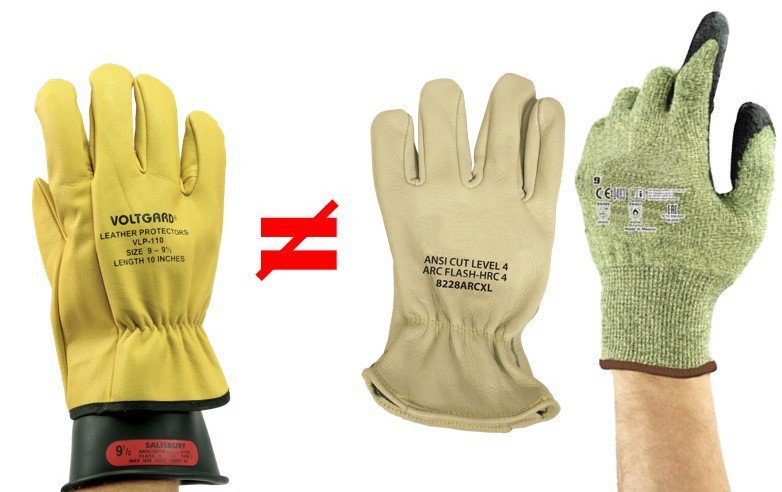
Imagine you’re working on an electrical project, confident and ready to tackle the task at hand. But a sudden jolt or spark could change everything in an instant.
This is where insulated gloves become your best ally, acting as a protective barrier between you and electrical hazards. You want to ensure your safety while focusing on your work, right? By understanding how to use insulated gloves correctly, you can prevent accidents and work with peace of mind.
You’ll discover essential tips that will not only enhance your safety but also boost your confidence when handling electrical tasks. Are you ready to take control of your safety and become a pro at using insulated gloves? Let’s dive in and empower you with the knowledge you need.
Choosing The Right Gloves
Using insulated gloves protects you from electric shocks. Choosing the right gloves is very important for safety. This guide helps you pick gloves that fit your needs.
Look at the material, voltage rating, and size. Each factor helps keep you safe and comfortable during work.
Material Types
Insulated gloves come from different materials. Each type offers unique protection and comfort. Common materials include rubber, leather, and synthetic blends.
- Rubber:Good for high voltage protection and flexibility.
- Leather:Often used as a protective outer layer for durability.
- Synthetic blends:Provide resistance to chemicals and abrasion.
Voltage Ratings
Gloves have voltage ratings that show the max electricity they can handle. Always match gloves to the voltage level of your work.
| Class | Max Use Voltage | Typical Use |
| Class 0 | 1000 volts AC | Low voltage tasks |
| Class 1 | 7500 volts AC | General electrical work |
| Class 2 | 17,000 volts AC | High voltage maintenance |
| Class 3 | 26,500 volts AC | Very high voltage work |
| Class 4 | 36,000 volts AC | Extra high voltage tasks |
Size And Fit
Gloves must fit well to work properly. Too tight gloves can tear, and too loose gloves reduce control.
- Measure your hand length from wrist to middle finger tip.
- Check the glove size chart before buying.
- Try gloves on to confirm comfort and dexterity.
- Make sure gloves allow easy movement of fingers.

Credit: divergentalliance.com
Inspecting Gloves Before Use
Insulated gloves protect you from electrical hazards. Checking them before use keeps you safe. Small problems can cause big risks.
Learn how to inspect your gloves carefully. Look for signs of damage and test for leaks. Follow these tips every time.
Visual Checks
Look at the gloves in good light. Check both inside and outside surfaces. Dirt or oil can hide damage.
- Check for cuts, tears, or holes
- Look for cracks or hard spots
- See if the gloves are stiff or sticky
- Make sure the color is even and not faded
- Inspect the cuffs for wear or damage
Leakage Testing
Leakage tests find tiny holes you cannot see. Fill the gloves with air or water. Watch for bubbles or air loss.
| Test Method | How to Do It | What to Look For |
|---|---|---|
| Air Inflation | Inflate glove and hold cuff tightly | Check if glove deflates or air escapes |
| Water Fill | Fill glove with water and look for leaks | Watch for dripping or wet spots |
| Electric Tester | Use a special tester for electrical leaks | Follow tester instructions for results |
Damage Signs To Avoid
Do not use gloves with any damage. Damaged gloves cannot protect you. Watch out for these signs:
- Visible holes or cuts
- Severe cracks or stiffness
- Discoloration or stains from chemicals
- Worn or torn cuffs
- Loss of flexibility or tears inside the glove
Proper Wearing Techniques
Using insulated gloves correctly is key to staying safe around electricity. Proper wearing techniques help protect your hands from electrical hazards.
This guide covers important tips on cleaning hands, donning procedures, and avoiding contamination to keep your gloves effective.
Cleaning Hands
Always clean your hands before putting on insulated gloves. Dirt and moisture can reduce the gloves’ protective power.
- Wash hands with soap and water
- Dry hands completely with a clean towel
- Remove any oils or lotions that can damage gloves
Donning Procedures
Follow careful steps to put on insulated gloves without causing damage. Proper donning keeps the gloves safe and comfortable.
| Action | Details |
| Inspect Gloves | Check for tears, cracks, or holes before wearing. |
| Wear Inner Liners | Use cotton liners if needed for comfort and sweat absorption. |
| Put Gloves On | Insert hand gently, avoid sharp objects or nails. |
| Adjust Fit | Smooth wrinkles and ensure full coverage of the wrist. |
Avoiding Contamination
Keep gloves clean and dry during use. Contamination can cause electric shock or glove failure.
- Do not touch dirty surfaces while wearing gloves.
- Store gloves in a clean, dry place after use.
- Avoid contact with chemicals or oils that weaken the material.
- Inspect gloves regularly and replace if contaminated or damaged.
Maintaining And Storing Gloves
Insulated gloves protect you from electrical shocks. Proper care keeps them safe and effective. Maintaining and storing these gloves correctly helps extend their life.
Clean gloves remove dirt and oil that can damage the material. Store them in a safe place away from sunlight and chemicals. Regular checks ensure they work well every time.
Cleaning Methods
Clean your insulated gloves with mild soap and water. Avoid harsh chemicals that can weaken the glove material. Use a soft cloth to gently wipe the surface.
After cleaning, dry the gloves naturally at room temperature. Do not use direct heat like a hair dryer or sunlight. This prevents cracks and damage.
- Use mild soap and lukewarm water
- Gently wipe with a soft cloth
- Air dry away from heat or sun
- Do not use strong chemicals or solvents
Storage Conditions
Store gloves in a clean, dry place free from sunlight. Avoid areas with extreme heat or cold. Keep them away from oils, solvents, and sharp objects.
Use a dedicated storage bag or box to protect gloves from dust and dirt. Make sure gloves are not folded or crushed during storage. This keeps the material intact.
- Keep in a dry, dark place
- Avoid extreme temperatures
- Store away from chemicals and sharp tools
- Use protective bags or boxes
- Do not fold or crush gloves
Regular Testing Schedules
Test insulated gloves regularly to ensure safety. Testing finds hidden damage or wear that can cause failure. Follow your workplace rules for testing frequency.
Visual checks should happen before each use. Formal electrical tests require special equipment and trained staff. Keep records of all tests for safety compliance.
- Inspect gloves visually before every use
- Schedule formal electrical tests as recommended
- Use certified testing equipment
- Record all test results and dates
- Replace gloves if any damage is found
Using Gloves In Different Environments
Insulated gloves protect workers from electrical shocks. Using them correctly in various environments is very important. Different conditions need different care and types of gloves.
Understanding how to use insulated gloves in wet, hot, or high-voltage areas helps keep you safe. Follow tips to make sure your gloves work well in each situation.
Wet Conditions
Water can reduce the protection level of insulated gloves. Always check gloves for holes or tears before use in wet places. Use gloves made for wet environments to avoid accidents.
Keep gloves dry when not in use. Do not touch wet gloves on live wires. Use rubber outer gloves over insulated gloves for extra safety.
- Inspect gloves for damage regularly
- Use gloves with water-resistant features
- Wear rubber gloves over insulated gloves
- Dry gloves thoroughly after use
High-temperature Areas
High heat can weaken insulated gloves. Use gloves designed to resist heat in hot working areas. Avoid placing gloves near flames or hot surfaces.
Check gloves for soft spots or melting signs before use. Store gloves away from heat sources to keep their strength. Wear gloves with heat-resistant covers if needed.
- Choose heat-resistant insulated gloves
- Inspect gloves for heat damage often
- Keep gloves away from open flames
- Use protective covers for extra heat safety
Working With Different Voltages
Gloves come in classes based on the voltage they protect against. Always use gloves rated for the voltage level you work with. Using the wrong gloves can cause serious injury.
Check the glove’s voltage rating before starting work. Use higher-class gloves for higher voltages. Replace gloves that lose their protective properties.
| Voltage Range | Glove Class | Protection Level |
|---|---|---|
| Up to 1,000 volts | Class 0 | Low voltage protection |
| Up to 7,500 volts | Class 2 | Medium voltage protection |
| Up to 26,500 volts | Class 4 | High voltage protection |

Credit: www.70esolutions.com
Common Mistakes To Avoid
Using insulated gloves is vital for electrical safety. Many users make simple mistakes. These errors reduce protection and increase risk.
Learn about common errors to keep your gloves effective. Avoid these mistakes to stay safe on the job.
Ignoring Wear And Tear
Worn gloves lose their ability to protect. Some signs of wear include cracks, holes, and stiffness. Always check gloves before use.
- Do not use gloves with visible damage.
- Replace gloves after heavy use or exposure to chemicals.
- Keep a log to track glove condition and replacement dates.
Using Wrong Glove Type
Different jobs need specific glove types. Using the wrong gloves can cause serious harm. Not all insulated gloves protect against the same voltage.
| Glove Type | Protection Level | Use Case |
| Class 0 | Up to 1,000 volts | Low voltage work |
| Class 2 | Up to 17,000 volts | Medium voltage tasks |
| Class 4 | Up to 36,000 volts | High voltage operations |
Improper Storage Habits
Storage affects glove life and safety. Poor storage causes damage that is hard to see. Avoid storing gloves near heat or sharp objects.
- Store gloves in a cool, dry place away from sunlight.
- Keep gloves flat or hanging to avoid bending.
- Use protective bags or containers to prevent dust and dirt buildup.
Complementary Safety Gear
Using insulated gloves is important for electrical safety. Wearing the right gear together helps keep you safe.
Complementary safety gear works with insulated gloves to protect your whole body. This gear reduces risks from electrical hazards.
Insulated Tools
Insulated tools prevent electrical current from passing through them. They protect your hands and body during work.
Use tools that have proper insulation ratings. Check for any damage before use to ensure safety.
- Screwdrivers with insulated handles
- Wire cutters and strippers with insulation
- Pliers designed for electrical work
Protective Clothing
Wear protective clothing made from flame-resistant materials. This clothing reduces burns from electrical sparks.
Long sleeves and full coverage help protect your skin. Avoid synthetic fabrics that can melt or catch fire easily.
- Flame-resistant shirts and pants
- Electrical hazard rated jackets
- Non-melting, durable fabrics
Face And Eye Protection
Face and eye protection guards you against sparks and flying debris. Use safety glasses or face shields for this.
Choose clear lenses for good visibility. Make sure your protection fits well and is comfortable to wear.
- Safety glasses with side shields
- Face shields for full face coverage
- Anti-fog lenses for clear vision

Credit: harmonycr.com
Frequently Asked Questions
What Are Insulated Gloves Used For In Electrical Work?
Insulated gloves protect workers from electrical shocks and burns. They prevent current from passing through the body. These gloves are essential for safe handling of live wires and electrical equipment. Always use gloves rated for the specific voltage you will encounter.
How To Properly Inspect Insulated Gloves Before Use?
Check gloves for cuts, punctures, or cracks. Look for discoloration or stiffness that may indicate damage. Always test gloves for leaks following manufacturer guidelines. Replace gloves immediately if any defects are found to ensure safety during electrical tasks.
Can Insulated Gloves Be Reused Safely?
Yes, insulated gloves can be reused if properly maintained. Clean them after each use with mild soap and water. Store gloves away from sunlight and chemicals. Regularly test gloves for damage before every use to maintain their protective properties.
What Voltage Rating Should Insulated Gloves Have?
Choose gloves rated for at least the maximum voltage you will contact. Voltage ratings range from low to high, typically from 500V to 36,000V. Always check the glove’s certification and ensure it meets or exceeds your work requirements.
Conclusion
Using insulated gloves protects you from electrical shocks. Always check gloves for damage before use. Keep them clean and store properly after work. Choose the right gloves for the voltage you handle. Replace gloves regularly to maintain safety. Following these tips helps reduce risks at work.
Stay safe by using insulated gloves the right way. Safety depends on your careful and consistent actions. Remember, prevention is better than dealing with accidents.